Is Cat Food Ok for Dogs: What Pet Owners Must Know
Imagine you’re preparing a delicious meal for your dog, only to realize you’re out of their favorite kibble. You glance over at the cat food, wondering if it could be a quick solution.
It’s tempting to think they might not notice the difference, right? But before you fill up that bowl, it’s crucial to understand what feeding cat food to your dog could mean for their health. You might be surprised by how much the right or wrong food can impact your pet’s well-being.
We’ll explore whether it’s safe to let your dog enjoy a feline feast and help you make informed decisions for your furry friend’s diet. Stay with us to uncover the truth behind this common pet dilemma and ensure your dog gets the nutrition they truly need.
:strip_icc()/GettyImages-1137504605-4ea3ceec185f4d1e9dc39fb71f8ae04c.jpg)
Credit: www.thesprucepets.com
Nutritional Differences
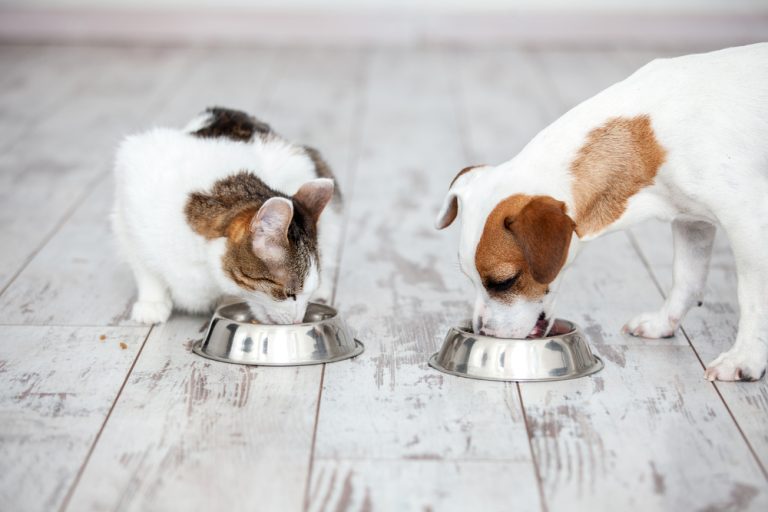
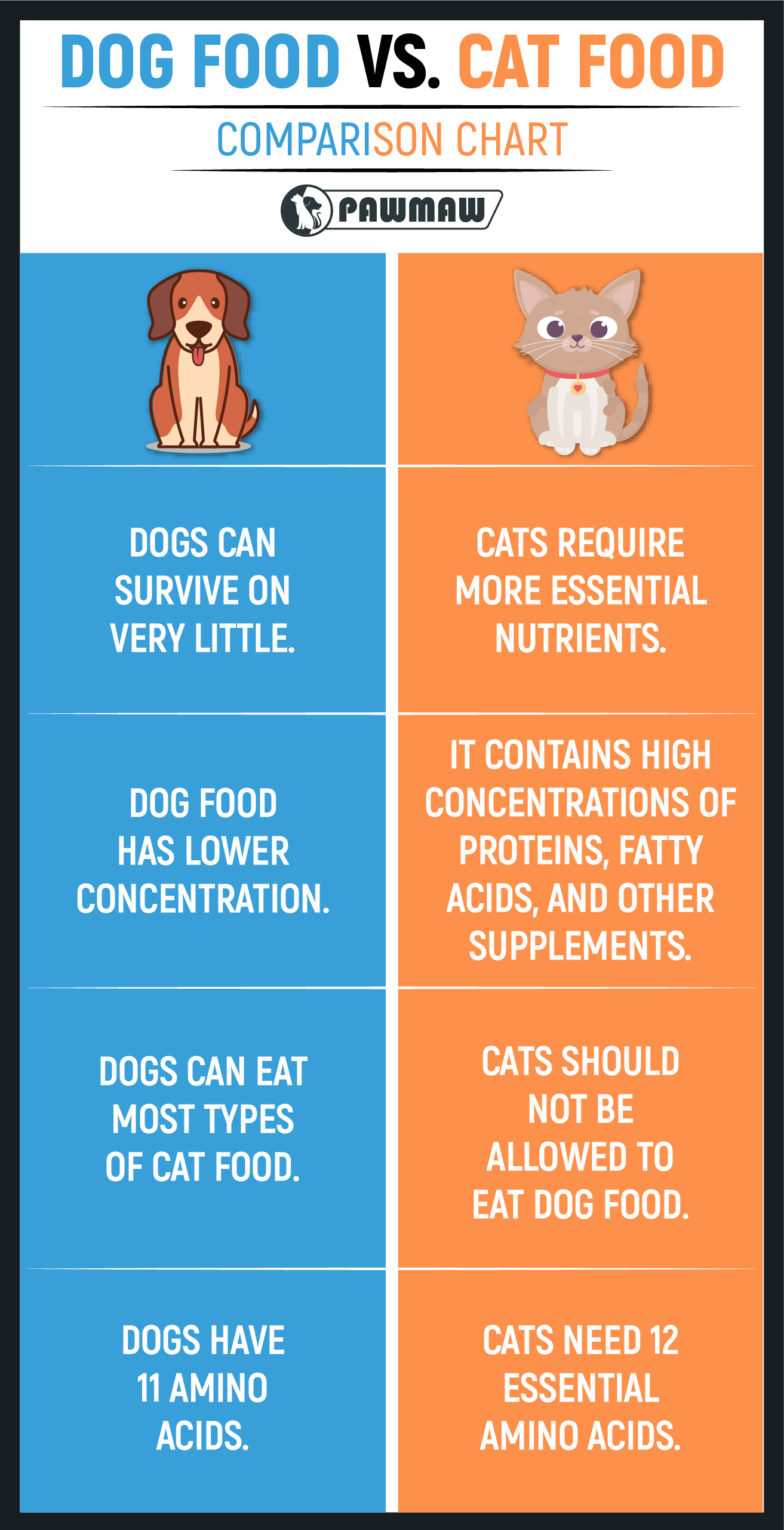
Cat food is not suitable for dogs due to nutritional differences. Cat food contains higher protein and fat levels. Dogs need a balanced diet designed for their specific needs. Feeding them cat food regularly could lead to health issues over time.
When considering the dietary needs of your furry companions, understanding the nutritional differences between cat food and dog food is crucial. Many pet owners might wonder if it’s okay for their dog to snack on cat food. While it might not cause immediate harm, there are significant nutritional differences that make cat food unsuitable for regular consumption by dogs. Let’s explore these differences further.Protein Content
Cat food is typically richer in protein than dog food. Cats are obligate carnivores, which means they need a diet high in protein to thrive. Dogs, on the other hand, are omnivores and can benefit from a balanced diet that includes proteins, carbohydrates, and fats. Feeding your dog cat food regularly can lead to an excess of protein in their diet. This can strain their kidneys and liver over time. It’s essential to remember that what works for one species might not be ideal for another.Fat Levels
Another key difference lies in the fat content. Cat food generally contains higher fat levels than dog food. Cats require more fat in their diet to maintain healthy skin and fur. If your dog indulges in cat food too often, they might consume more fat than they need. This could lead to obesity or even pancreatitis. Have you noticed your dog gaining weight unexpectedly? It might be time to evaluate their diet.Vitamin Requirements
Cats and dogs have different vitamin requirements. For instance, cats need taurine, an essential amino acid they cannot produce on their own. This is abundantly present in cat food. Dogs produce taurine naturally, so their dietary requirements differ. Feeding your dog cat food can result in an imbalance of essential nutrients. Are you ensuring your pet’s diet is tailored to their specific needs? It’s important to check the labels and consult with your vet if in doubt. Understanding these nutritional differences can help you make informed decisions about your pet’s diet. By ensuring that each of your pets receives food designed specifically for them, you can support their health and well-being. Always remember, just because they love it doesn’t mean it’s good for them!Health Risks
Feeding dogs cat food seems harmless, but it poses health risks. Dogs and cats have different nutritional needs. Cat food is rich in protein and fat. This can affect a dog’s health negatively. It’s essential to understand these risks before sharing food between pets.
Digestive Issues
Dogs may struggle with cat food. Their digestive systems differ from cats. Cat food can cause stomach upset in dogs. Diarrhea or vomiting might occur. It’s important to monitor your dog’s reaction. Some dogs have sensitive stomachs. Cat food can be too rich for them.
Allergic Reactions
Cat food ingredients can trigger allergies in dogs. They may react to certain proteins or additives. Symptoms include itchy skin or ear infections. Be cautious if your dog shows signs of discomfort. Allergies can lead to more serious health problems. Consult a vet for advice.
Weight Gain Concerns
Cat food is calorie-dense. Dogs eating it might gain weight quickly. Excess weight causes health issues like joint pain. Overweight dogs face risks like heart disease. It’s crucial to maintain a healthy diet. Proper portion control is key for your dog’s health.
Occasional Consumption
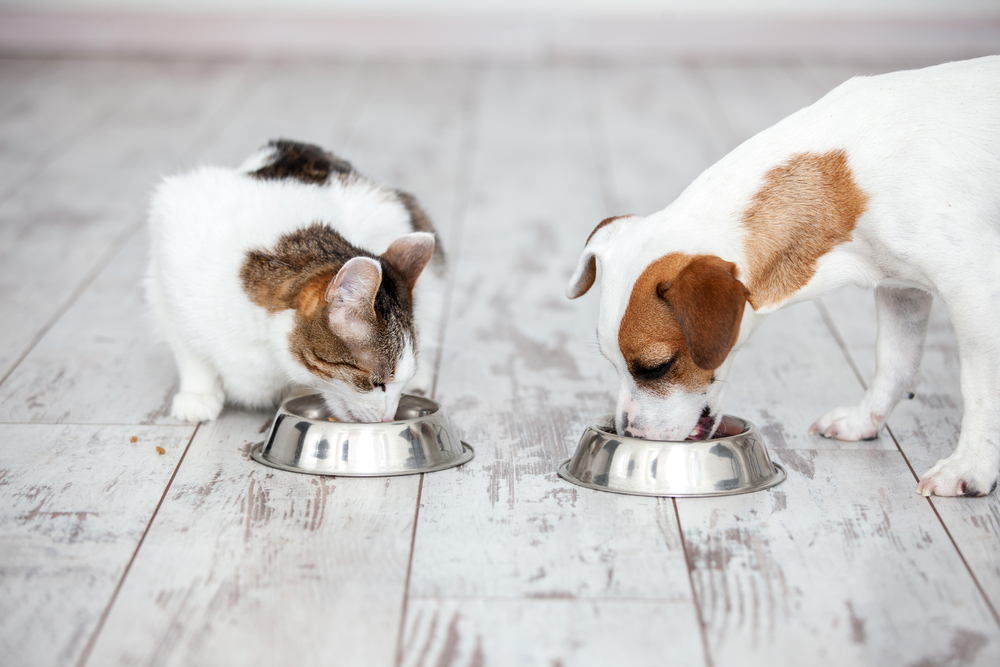
Dog owners might wonder if it’s safe to let their dogs eat cat food occasionally. While dogs are primarily carnivores, their dietary needs differ from cats. Cat food contains higher protein and fat levels, which can be tempting for dogs. This might lead pet owners to allow their dogs a nibble now and then.
Before making this a habit, understanding the implications is essential. Occasional consumption might not seem harmful, but it’s crucial to know the potential effects. Let’s explore how cat food affects dogs in specific situations.
Emergency Situations
In emergencies, using cat food as a temporary substitute can be an option. Suppose you’re out of dog food and need a quick fix. Cat food might work for a meal or two. Ensure it’s a short-term solution and not a regular practice.
While cat food can provide calories, it lacks essential nutrients for dogs. It’s not balanced for their long-term health. Always prioritize getting your dog’s usual food as soon as possible.
Short-term Effects
Dogs eating cat food occasionally might experience digestive changes. Some dogs may have upset stomachs due to the richer content. Diarrhea or vomiting can occur if the dog isn’t used to the high protein.
Observing your pet after they consume cat food is important. Watch for any unusual behavior or discomfort. If negative symptoms persist, consult your vet for guidance.
Credit: www.vets-now.com
Long-term Impact
When you think about feeding your dog cat food, you might wonder about the long-term impact on their health. It’s not just about what’s in the bowl today, but how those ingredients shape your dog’s wellbeing over time. Is it really a harmless switch or could it be setting your furry friend up for trouble down the road?
Nutritional Deficiencies
Dogs and cats have different nutritional needs. Feeding your dog cat food regularly can lead to nutritional deficiencies. Cat food often lacks the right balance of proteins, vitamins, and minerals essential for a dog’s health.
Dogs require more carbohydrates and certain amino acids that cat food doesn’t provide. Without these nutrients, your dog might face issues like lethargy or weakened immunity. Have you noticed your dog being less energetic lately? It might be time to reconsider their diet.
Impact On Organ Health
Feeding cat food to dogs can negatively impact their organ health over time. Cat food is generally higher in fat and protein, which can overburden a dog’s liver and kidneys. These organs work overtime to process the excess nutrients, potentially leading to damage.
Imagine the strain on your dog’s liver after months of eating food meant for cats. It’s not just about an upset tummy today; it’s about ensuring their organs stay healthy tomorrow. Would you risk compromising their long-term health for a convenient meal option?
Your dog’s heart and kidneys could also be at risk. The excess protein can cause elevated blood pressure and kidney stress. Is your dog’s health worth the gamble?
Think about your dog’s future. Their health is in your hands, and choosing the right food is a crucial part of that responsibility. Are you making the best choice for their long-term wellbeing?
Safe Alternatives
Dogs need specific nutrients for their health. Cat food is not suitable for them. It lacks the balanced nutrients dogs require. Feeding cat food to dogs can lead to health issues. So, what can you feed dogs instead? Here are some safe alternatives.
Balanced Dog Food Options
Dog food options are designed to meet canine nutritional needs. They contain proteins, fats, and vitamins. These nutrients support energy, growth, and overall health. Ensure the dog food is age-appropriate. Puppies need different nutrients than older dogs. Regularly check for high-quality dog food brands. These brands often use natural ingredients. They avoid fillers and artificial additives.
Homemade Meals
Homemade meals can be healthy for dogs. Use lean meats like chicken or beef. Cook vegetables such as carrots and peas. Avoid using onions and garlic. They are toxic to dogs. Add cooked rice or pasta for carbohydrates. Ensure meals are balanced. Include protein, carbs, and fats. Consult a vet for meal advice. They can suggest portion sizes and ingredients. Homemade meals require preparation time. But they offer control over what your dog eats.

Credit: www.usatoday.com
Veterinarian Insights
Pet owners often wonder about feeding cat food to dogs. Veterinarians offer valuable insights on this topic. They emphasize the importance of species-specific nutrition. Cats and dogs have different dietary needs. Feeding cat food to dogs can lead to health issues. Understanding these insights helps ensure pet health and happiness.
Expert Recommendations
Veterinarians advise against regularly feeding cat food to dogs. Cat food often contains higher protein levels. Dogs require a balanced diet with the right protein amount. Cat food’s fat content might also be too high for dogs. Such imbalances can cause digestive problems and obesity. Always choose dog-specific food for your canine friend.
Signs Of Health Issues
Feeding cat food to dogs can cause noticeable health problems. Watch for vomiting, diarrhea, or excessive thirst. These symptoms suggest dietary imbalances. Weight gain or lethargy might also occur. If you notice these signs, consult a veterinarian. They can provide guidance and check for potential health issues.
Pet Owner Responsibilities
Being a pet owner comes with a bundle of responsibilities, especially when it comes to feeding your furry companions. You might wonder if it’s okay to give your dog a taste of cat food. While a nibble here and there might not cause immediate harm, consistently feeding your dog cat food could lead to health issues. Understanding your role in ensuring a balanced diet is crucial to your pet’s wellbeing.
Monitoring Diet
Are you keeping an eye on what your pets eat? Observing your dog’s eating habits is essential. Cat food is rich in proteins and fats, which might seem beneficial at first glance. However, dogs have different nutritional needs.
If your dog regularly consumes cat food, they might miss out on essential nutrients found in dog food, like certain vitamins and minerals. Over time, this could lead to nutritional imbalances. It’s your responsibility to ensure that your dog gets a diet that meets their specific dietary needs.
Consider creating a feeding schedule to maintain consistency. Use this schedule to monitor any changes in your dog’s health or behavior. If you notice unusual weight gain or digestive issues, it might be time to reassess their diet.
Seeking Professional Advice
Have you considered asking a vet about your dog’s diet? Consulting with a veterinarian can provide you with tailored advice. They can offer insights on whether occasional cat food consumption is safe for your specific pet.
Your vet might suggest alternatives or supplements to meet your dog’s nutritional needs. They can also help you understand the potential risks associated with feeding your dog cat food regularly. Don’t hesitate to reach out if you have concerns about your pet’s diet.
Remember, each dog is unique, and what works for one might not be suitable for another. Keep an open line of communication with your vet to ensure that your furry friend remains happy and healthy.
As a pet owner, how do you ensure that your dog’s diet is balanced and healthy? Share your experiences and tips in the comments below!
Frequently Asked Questions
What Happens If My Dog Eats Cat Food?
Dogs eating cat food occasionally isn’t harmful, but it lacks essential nutrients for dogs. Monitor for signs of digestive upset. Regular consumption may lead to obesity or nutritional deficiencies. Always consult your veterinarian for personalized advice if your dog frequently eats cat food.
What Cat Food Is Safe For Dogs?
Some cat foods with simple ingredients can be safe for dogs occasionally. Choose cat food free from harmful additives. Always consult your veterinarian before feeding your dog cat food. Regularly feeding dogs cat food is not recommended due to nutritional imbalances.
Dogs need diets specifically formulated for their nutritional needs.
What Happens If Cat Food Is Given To A Dog?
Feeding cat food to a dog can cause digestive issues. Dogs need different nutrients than cats. Cat food is high in protein and fat, which may lead to obesity or pancreatitis in dogs. Occasional consumption might not harm, but regular feeding is unhealthy for dogs.
Always provide species-appropriate food.
What Should I Do If My Dog Only Wants To Eat Cat Food?
Gradually mix dog food with cat food to transition. Ensure your dog receives a balanced diet. Consult your vet for advice and check for underlying health issues. Use dog-specific treats as incentives. Maintain consistent feeding schedules.
Conclusion
Feeding dogs cat food isn’t a good idea. Dogs and cats have different dietary needs. Cat food is too high in fat and protein for dogs. It can lead to health problems. Always choose dog-specific food for your pet. It provides balanced nutrition.
Consult a vet if you’re unsure. Your dog’s health should come first. Keep cat food out of reach. Ensure your dog eats what’s best for them. A healthy diet keeps your dog happy. And active. Your furry friend deserves the best care.
Remember, a balanced diet is key.