Is It Ok for Dogs to Eat Cat Food? Uncover the Truth
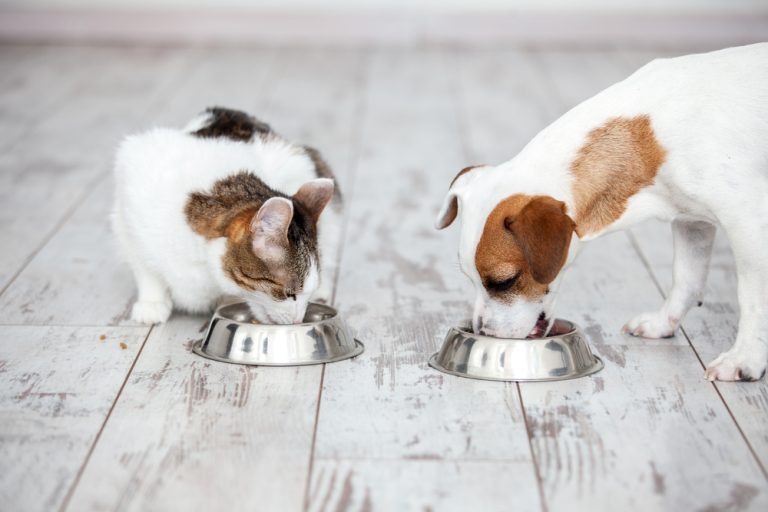
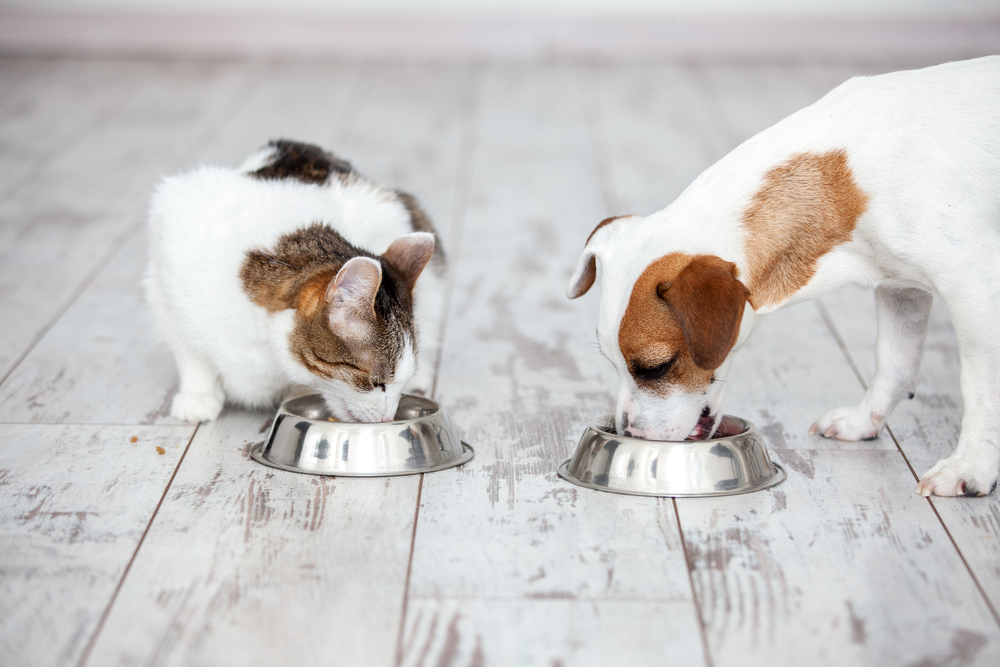
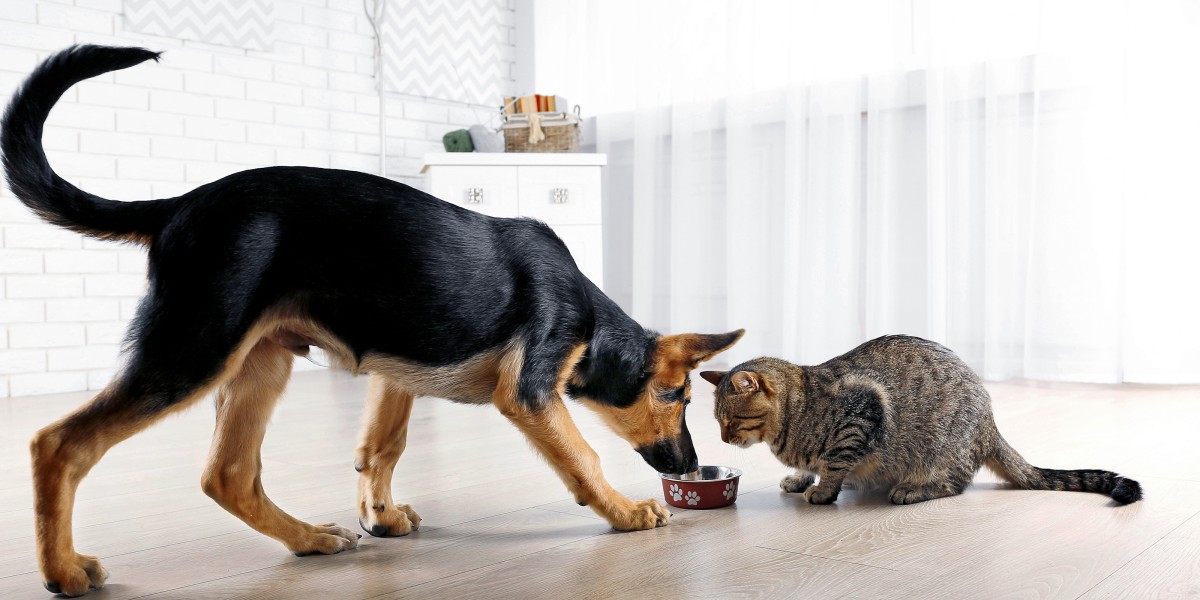
Ever found your dog munching away on your cat’s food and wondered if it’s okay? You’re not alone.
Many pet owners are curious about whether it’s safe for their dogs to eat cat food. You want the best for your furry friend, and understanding what they can or cannot eat is crucial. The answers might surprise you and could impact your pet’s health.
Stick around to uncover the truth about this common feeding dilemma, and ensure your pets are getting the nutrition they need.
Credit: www.purina.com
Nutritional Differences
Understanding the nutritional differences between dog and cat food is crucial. Each species has unique dietary needs. Feeding your dog cat food occasionally may not seem harmful. Yet, it can lead to imbalances over time. Let’s explore these differences to ensure your pet’s health.
Protein Content
Cats are obligate carnivores. They require higher protein levels in their diets. Their food often contains more animal-based proteins. Dogs, being omnivores, can thrive on less protein. High protein intake might stress a dog’s liver and kidneys. It’s vital to provide the right balance.
Vitamin Requirements
Cats need more taurine than dogs. Taurine is an essential amino acid. Cat food is fortified with taurine to meet their needs. Dogs can produce their own taurine. They do not need as much in their diet. Excess taurine might not be harmful, but it’s unnecessary.
Fat Levels
Cats require more dietary fat than dogs. Fat provides essential fatty acids and energy. Dog food contains less fat compared to cat food. Feeding cat food to dogs might lead to weight gain. It can also cause digestive issues. Always monitor your pet’s diet for optimal health.
Health Risks
Dog owners often wonder about feeding cat food to their pets. Cat food lacks essential nutrients for dogs, causing health issues. Regular consumption can lead to obesity, digestive problems, and nutritional deficiencies in dogs.
Feeding your dog cat food might seem harmless, especially when you run out of dog food. However, it can lead to various health risks that may affect your furry friend’s well-being. Understanding these risks can help you make informed decisions about your pet’s diet.Digestive Issues
Dogs and cats have different dietary needs. Cat food is rich in protein and fat, which can be hard for a dog’s digestive system to handle. Your dog might experience stomach upset, diarrhea, or vomiting after eating cat food. Have you ever noticed your dog feeling unwell after sneaking a bite from the cat’s bowl? That’s likely why.Obesity Concerns
Cat food is calorie-dense to meet the high energy needs of felines. Dogs who regularly consume cat food may gain weight rapidly. This can lead to obesity, which is a gateway to other health problems like diabetes or joint issues. Think about your dog’s activity levels and caloric needs—cat food might tip the scales in the wrong direction.Allergies And Sensitivities
Some dogs may be allergic or sensitive to certain ingredients commonly found in cat food. This can result in skin irritations, itching, or even ear infections. If your dog starts scratching more than usual, it might be worth considering their diet. An unexpected ingredient in cat food could be the culprit. Being mindful about what your dog eats is crucial. Have you checked your dog’s food bowl lately? Make sure it contains food that’s tailored to their specific needs. Your dog’s health is worth the extra attention.Behavioral Impacts
Feeding your dog cat food might seem harmless at first. However, it can lead to unexpected behavioral changes that could affect your pet’s well-being. Understanding these impacts is crucial for maintaining a harmonious environment at home.
Feeding Habits
Dogs are creatures of habit, and introducing cat food can alter their usual routine. Your dog might start preferring cat food over their own, disrupting established feeding patterns. You might notice your dog lingering around the cat’s bowl more often, waiting for a chance to snag a bite.
This change can lead to nutritional imbalances. Cat food is rich in proteins and fats, which might not suit your dog’s dietary needs. As a result, your dog’s eating habits could shift, leading to health issues like obesity or digestive problems.
Food Aggression
One surprising outcome could be increased food aggression. With cat food being a novelty, your dog might become possessive, guarding it from others, including you. This behavior can escalate to growling or snapping if they feel their prized meal is threatened.
Imagine a scenario where your dog starts growling whenever you approach their bowl. It can be a worrying sign, indicating that they’re developing territorial behavior. Addressing this early is essential to prevent it from becoming a regular habit.
Have you ever seen your dog sneakily eyeing the cat’s dish, waiting for the perfect moment to pounce? This behavior might seem funny at first but can lead to tension between your pets. It’s important to ensure both animals have their separate spaces to eat peacefully.
:strip_icc()/GettyImages-1137504605-4ea3ceec185f4d1e9dc39fb71f8ae04c.jpg)
Credit: www.fireline.com
Occasional Consumption
Sometimes, dogs find cat food irresistible. It might be the smell or taste that attracts them. The question arises: is it okay for dogs to consume cat food occasionally? Let’s explore this topic further under specific situations.
Small Amounts
Feeding dogs small amounts of cat food occasionally is generally safe. Cat food contains high protein, which dogs enjoy. Yet, it’s not ideal for regular meals. Dogs need balanced nutrition tailored for their species. Small amounts won’t harm them but shouldn’t replace their diet.
Emergency Situations
In emergencies, cat food can be a temporary solution. If dog food runs out, cat food can fill the gap. It’s better than having the dog starve. Ensure this is short-term. Remember, dogs have different dietary needs. Don’t make it a habit.
Alternatives To Cat Food
While your dog might occasionally nibble on cat food, it’s crucial to consider healthier alternatives that cater to their specific nutritional needs. Dogs have different dietary requirements than cats, and consistently feeding them cat food could lead to nutritional imbalances. So, what are the best alternatives to cat food for your furry friend?
Dog-specific Diets
Dog-specific diets are tailored to meet the unique nutritional needs of dogs. These diets often contain the right balance of proteins, fats, and carbohydrates that your dog requires.
Brands like Blue Buffalo and Royal Canin offer formulas designed for various breeds and sizes. You might be surprised how much your dog can benefit from a diet specifically crafted for them.
Consider the age and activity level of your dog when choosing a dog-specific diet. Puppies, adults, and seniors have different needs, and the right food can support their health and vitality.
Balanced Meals
Creating balanced meals for your dog ensures they get all the nutrients they need to thrive. This includes proteins, healthy fats, and essential vitamins.
Think about incorporating lean meats like chicken or turkey, along with vegetables such as carrots or spinach. These ingredients can be combined to create a wholesome meal.
Have you ever thought about preparing homemade meals for your dog? It can be a rewarding experience, knowing exactly what goes into their food.
What about including a variety of food types to keep your dog interested in their meals? Mixing wet and dry food can provide different textures and flavors.
Reflect on this: Are you ensuring your dog’s diet is as balanced as yours? Consider speaking with your vet for personalized advice.
Remember, your dog’s health starts with what they eat. Choosing the right alternatives to cat food can enhance their quality of life and longevity.

Credit: www.usatoday.com
Consulting A Veterinarian
Feeding dogs cat food might seem convenient, but it can lead to nutritional imbalances. Dogs need different nutrients than cats. Consulting a veterinarian ensures proper dietary choices for your pet’s health.
When you find your dog nibbling on cat food, the first question that might pop into your mind is whether it’s safe for them. That’s where consulting a veterinarian comes into play. Your vet is your best source of information when it comes to your pet’s health and diet. They can offer insights that you might not find elsewhere.Professional Advice
A veterinarian brings years of training and experience to the table. They understand the nutritional needs of both dogs and cats. While cat food is rich in proteins and fats, it’s not tailored for dogs. Your vet can explain the potential risks of a dog consuming cat food regularly. These risks could range from weight gain to digestive issues. They can also guide you on how to prevent your dog from accessing cat food if necessary.Customized Diet Plans
Every pet is unique, just like every owner’s situation is different. Your veterinarian can help create a diet plan that suits your dog’s specific needs. Do you have a high-energy dog that requires more protein? Or perhaps a senior dog with special dietary needs? Your vet can suggest alternatives or supplements that align with your dog’s health objectives. Consider this: what if your dog has allergies or an underlying health condition? A customized plan not only addresses these issues but also ensures your dog’s overall well-being. By consulting with a vet, you’re not just getting advice; you’re making an informed decision for your pet’s health. So, when was the last time you had a conversation with your vet about your dog’s diet? It’s worth scheduling a visit to make sure your furry friend is on the right track.Frequently Asked Questions
What Happens If My Dog Eats Cat Food?
Dogs may experience digestive issues if they eat cat food. Cat food lacks essential nutrients for dogs. Regular consumption can lead to obesity or nutrient deficiencies. It’s best to keep your dog’s diet consistent with dog-specific food to ensure proper health and nutrition.
What Cat Food Is Ok For Dogs?
Dogs can occasionally eat small amounts of wet cat food, but it shouldn’t replace their regular diet. Cat food contains higher protein and fat levels, which aren’t ideal for dogs. Always consult a vet before making dietary changes for your dog.
Why Does My Dog Prefer Cat Food?
Dogs might prefer cat food due to its higher protein and fat content. The strong aroma can be more enticing. Cats’ food often has flavors that dogs find irresistible. Always ensure your dog maintains a balanced diet and consult a vet for dietary concerns.
What Should I Do If My Dog Only Wants To Eat Cat Food?
Gradually mix dog food with cat food to transition. Offer dog food as a treat. Consult your vet for advice. Keep cat food out of reach. Monitor your dog’s health and eating habits closely.
Conclusion
Dogs eating cat food isn’t ideal. Cat food lacks nutrients dogs need. Occasional consumption won’t harm most dogs. But, frequent feeding can cause issues. Upset stomach. Weight gain. Nutritional imbalance. Always prioritize your dog’s diet. Choose food designed for them.
Consult your vet for advice. Keep cat food out of reach. Ensuring proper nutrition keeps your dog healthy. They deserve the best care. Remember, each pet is unique. Watch for any unusual reactions. Stay informed and attentive. Your dog’s well-being is in your hands.
Make informed choices for a happier, healthier pet.