
Is your feline friend looking more lethargic than usual? Maybe you’ve noticed your cat’s gums are paler than before or they’re just not as playful.
These could be signs of anemia, a condition that affects your cat’s red blood cells. Understanding how to treat anemia in cats is crucial for their health and well-being. Imagine restoring your beloved pet’s energy and vitality with the right care.
In this guide, you’ll discover straightforward steps to help your cat bounce back to their lively self. Stay with us to learn effective treatments that can make a world of difference to your furry companion. Your cat deserves the best, and you have the power to provide it.

Credit: www.fallsroad.com
Symptoms Of Anemia In Cats
Cats with anemia might show signs like fatigue, pale gums, and loss of appetite. Treatment focuses on identifying the cause, providing iron supplements, and ensuring proper nutrition. Consulting a veterinarian is crucial for a tailored treatment plan.
Anemia in cats is a condition that can sneak up on pet owners, often going unnoticed until it’s more severe. Recognizing the symptoms early can make a significant difference in your cat’s health and treatment success. Have you ever noticed your cat acting a bit off and wondered if it might be something serious? Let’s explore the signs that could indicate anemia in your feline friend.What Is Anemia In Cats?
Anemia refers to a reduced number of red blood cells or hemoglobin, impairing oxygen transport in the body. This can leave your cat feeling weak and fatigued. Imagine if you suddenly felt tired for no reason. That’s how your cat might feel if it’s anemic.Common Symptoms To Watch Out For
Cats can’t tell you when they feel sick, so it’s crucial to observe their behavior closely. You might notice your cat sleeping more than usual or seeming lethargic. Sometimes, they might lose their appetite, which can be concerning.Pale Gums And Tongue
Healthy cats have pink gums. If your cat’s gums and tongue appear pale, this could be a sign of anemia. Check their mouth occasionally; it might reveal more than you’d expect.Rapid Breathing Or Heart Rate
Anemia can cause your cat to breathe faster or have a quicker heart rate. It’s as if they’re trying to compensate for the lack of oxygen. This could be especially noticeable after physical activity, so keep an eye on them after playtime.Weakness And Collapse
In severe cases, anemia can lead to weakness or even collapse. Have you ever seen a cat stumble or fall unexpectedly? This alarming behavior might be linked to anemia.Unexpected Weight Loss
Cats with anemia often lose weight without a change in diet. If your cat seems to be slimming down too quickly, consider it a red flag. A trip to the vet might be in order.Ask Yourself
Are you observing any of these symptoms in your cat? If so, it’s time to consult your veterinarian. Early detection can lead to better treatment outcomes. Your cat’s health is in your hands, so stay vigilant and proactive.Causes Of Feline Anemia
Feline anemia often results from parasites, chronic disease, or nutritional deficiencies. Identifying the cause is vital for effective treatment. Consulting a vet ensures proper diagnosis and tailored care, improving your cat’s health.
Anemia in cats is a condition that can sneak up on both you and your furry friend, silently affecting their health. Understanding the causes is crucial for effective treatment and prevention. Knowing what can lead to anemia will help you act swiftly, ensuring your cat enjoys a long and healthy life. Let’s explore what can cause anemia in cats.1. Parasites
Parasites such as fleas, ticks, and worms can lead to blood loss and anemia. These pests feed on your cat’s blood, reducing the number of healthy red blood cells. Regular vet check-ups and preventive treatments can keep these parasites at bay.2. Nutritional Deficiencies
A lack of essential nutrients can cause anemia. Cats need adequate iron, vitamin B12, and other nutrients to produce healthy red blood cells. Ensuring a balanced diet with high-quality cat food is vital. Check the label for nutrient content, and consult your vet for dietary advice.3. Chronic Diseases
Diseases such as kidney failure or cancer can lead to anemia. These conditions affect the body’s ability to produce or maintain healthy red blood cells. Regular veterinary screenings can help detect these issues early, allowing for timely intervention.4. Autoimmune Disorders
Sometimes, a cat’s immune system mistakenly attacks its own red blood cells. This condition is known as autoimmune hemolytic anemia. If your cat is diagnosed with this, your vet may suggest medications to suppress the immune response.5. Blood Loss From Injury Or Surgery
Significant blood loss due to trauma or surgical procedures can result in anemia. In such cases, it’s crucial to monitor your cat’s recovery closely. Look for signs of fatigue or pale gums, and consult your vet if you suspect anemia.6. Genetic Factors
Some cats are predisposed to anemia due to genetic factors. Breeds like Abyssinians and Somalis are more prone to certain types of anemia. If you have a cat from one of these breeds, regular blood tests can help manage their health. Understanding these causes is the first step in safeguarding your cat’s well-being. Have you noticed any signs of anemia in your cat? A proactive approach can make all the difference. Share your experiences or concerns in the comments below. Your insights could help fellow cat owners.Diagnosis Techniques
Diagnosing anemia in cats can be a challenging process. It involves detailed assessment to ensure accurate treatment. Understanding the specific diagnosis techniques is crucial. This will help you support your feline friend effectively.
Veterinary Blood Tests
Blood tests are essential for diagnosing anemia in cats. They provide critical information about your cat’s health. The Complete Blood Count (CBC) is often used first. It measures red and white blood cells, and platelets. Low red blood cells indicate anemia. The CBC also reveals the type of anemia present.
Biochemical tests may follow a CBC. These tests check organ function and detect infections. They can uncover underlying issues causing anemia. A blood smear might be required too. This helps identify abnormal cells or parasites affecting red blood cells.
Physical Examination
A physical examination is another vital step. It assesses the cat’s overall health. The vet checks for signs of anemia like pale gums. They look at the cat’s behavior and energy levels.
The vet may palpate the abdomen. This checks for enlarged organs that can cause anemia. Heart and lung sounds are evaluated too. Abnormalities may suggest underlying health issues. Weight and body condition are also considered. Unexplained weight loss might signal a problem.
Each examination contributes to understanding the cat’s health. This aids in crafting a precise treatment plan.
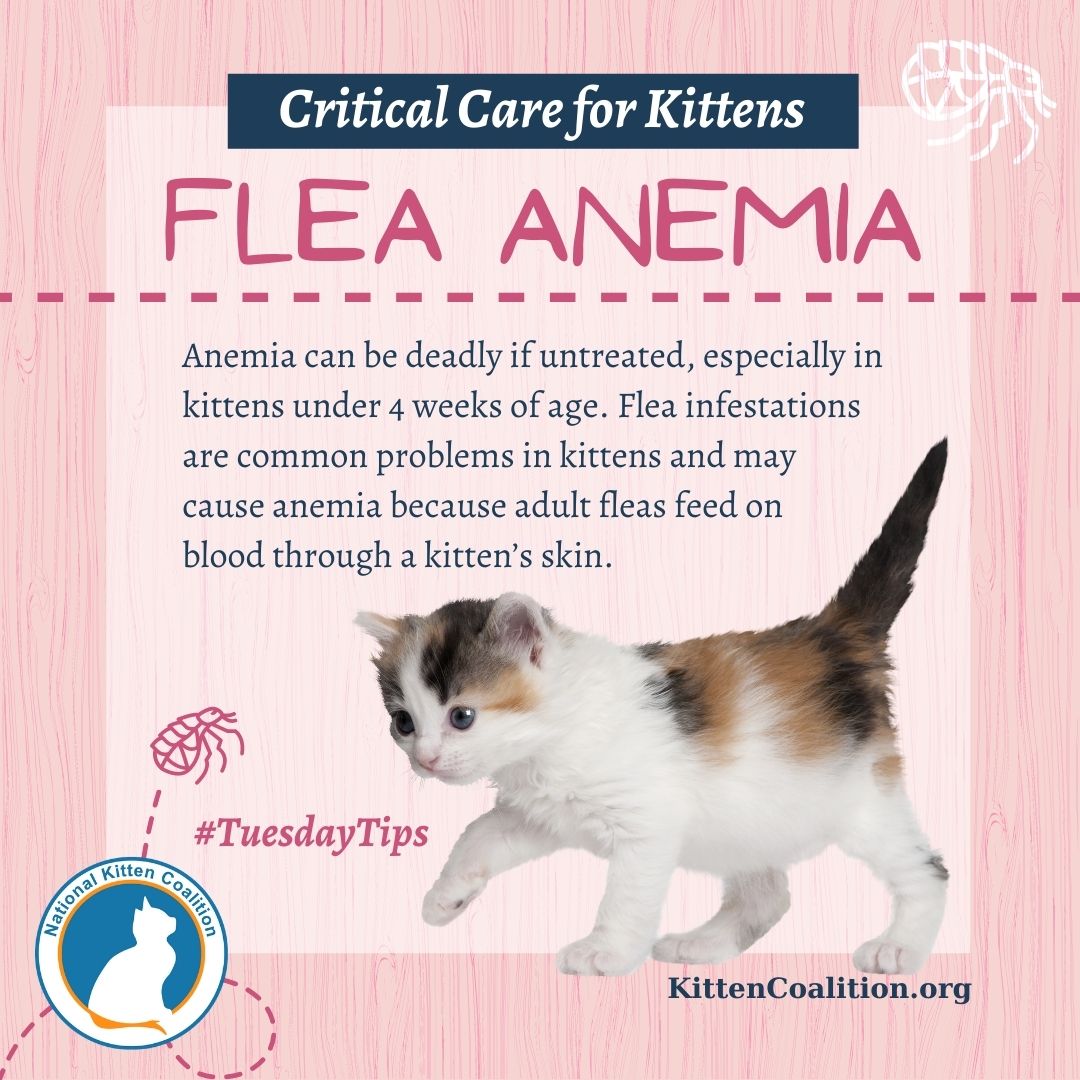
Credit: kittencoalition.org
Dietary Adjustments
Adjusting a cat’s diet can help treat anemia. Include iron-rich foods like liver and fish. Ensure the diet is balanced with essential vitamins and minerals. Consult a vet for tailored dietary plans. Proper nutrition supports recovery and boosts overall health.
Adjusting your cat’s diet is a practical approach to managing anemia. The food your feline friend consumes plays a crucial role in their recovery. By making informed dietary choices, you can help boost their energy levels and support their overall health. Understanding the right foods and supplements is key. Let’s dive into some effective dietary changes that can make a difference.Iron-rich Foods
Iron is vital for your cat’s health, especially when dealing with anemia. Foods like liver, beef, and chicken are excellent sources of iron. You might wonder, “How can I add these to my cat’s diet?” Start by incorporating small amounts of cooked liver or lean beef into their meals. It’s a simple change that can significantly improve their iron intake. Always ensure the meat is cooked thoroughly to prevent any health risks. What about trying canned cat foods labeled as high in iron content? These options can be a convenient addition to your cat’s diet, ensuring they get the necessary nutrients without much hassle.Vitamin Supplements
Vitamins play an essential role in treating anemia. Vitamin B12 and folic acid are particularly important. They help produce healthy red blood cells. You might ask, “Should I give my cat vitamin supplements?” Consult with your vet to find appropriate supplements for your cat. They can recommend doses and brands that suit your pet’s needs. Never administer human vitamins to cats, as these can be harmful. Have you considered liquid vitamin supplements? They’re often easier for cats to digest and can be mixed with food or water. This can make the process stress-free for both you and your furry friend. Dietary adjustments are not just about food; they’re about ensuring your cat’s overall well-being. Making these changes can foster a healthier, happier feline. Are you ready to make the shift for your pet’s better health?Medical Treatments
Anemia in cats can be a worrying condition for any pet owner, but with the right medical treatments, you can help your feline friend regain their health. Understanding the medical treatments available is crucial in providing the best care for your cat. Let’s explore the options:
Medications
Medications play a vital role in treating anemia in cats. Your vet might prescribe iron supplements to boost your cat’s iron levels. These supplements are often given in liquid form, making it easier for you to administer.
Sometimes, antibiotics are necessary if anemia is caused by an infection. It’s important to follow your vet’s dosage instructions carefully. Have you noticed any improvements in your cat’s energy levels after starting medication?
Blood Transfusions
Blood transfusions are another effective treatment for severe anemia. They provide immediate relief by replenishing your cat’s red blood cells. If your cat’s anemia is life-threatening, a blood transfusion might be the quickest way to stabilize their condition.
While the idea of a transfusion can be daunting, it’s a common procedure in veterinary medicine. Your vet will guide you through the process. Could a blood transfusion be the lifeline your cat needs?
Treating anemia in cats involves careful consideration of medical treatments. By understanding and utilizing these treatments, you can make a significant difference in your cat’s recovery journey. Each step you take is a stride towards better health for your beloved pet.

Credit: www.wikihow.com
Natural Remedies
Exploring natural remedies for feline anemia can offer gentle healing options. These methods aim to support your cat’s health holistically. They enhance well-being without harsh chemicals or drugs. Many pet owners prefer these solutions for their beloved companions. Let’s delve into some effective natural remedies.
Herbal Supplements
Certain herbs can boost red blood cell production in cats. Spirulina is a popular choice. It provides essential nutrients and antioxidants. Nettle leaf is another herb known for supporting blood health. Consult with a vet before introducing new supplements. This ensures safety and proper dosage for your cat.
Hydration And Rest
Proper hydration is crucial for cats with anemia. It helps maintain blood volume and circulation. Always provide fresh water for your feline friend. Rest is equally important for recovery. Anemic cats need more sleep to regain their strength. Create a calm and quiet space for your cat to relax. This promotes faster healing and energy restoration.
Monitoring And Follow-up
Regular check-ups are crucial in treating anemia in cats. They help track recovery and adjust treatments. Monitoring blood tests and symptoms ensures effective intervention and supports feline health.
Caring for a cat with anemia requires more than initial treatment—it demands consistent monitoring and diligent follow-up. You might think the hard part is over once you’ve started treating your feline friend. However, ensuring your cat’s health improves involves regular check-ups and tracking progress to prevent any potential setbacks. Let’s dive into how you can effectively monitor and follow up on your cat’s recovery journey.Regular Check-ups
Regular vet check-ups are crucial in managing your cat’s anemia. These visits allow the vet to assess your cat’s overall health and adjust treatment plans as needed. Imagine going to the doctor and finding out you’re progressing better than expected; it’s a relief, right? The same goes for your cat. During these appointments, your vet will likely run blood tests to check red blood cell levels. These tests help determine if the treatment is working or if adjustments are necessary. Missing these check-ups could mean missing vital signs of improvement or decline.Tracking Progress
Keeping track of your cat’s symptoms and behaviors at home can significantly aid the treatment process. Have you noticed any changes in their energy levels or appetite? Jot these observations down. You might be surprised at how these small details can help your vet make informed decisions. Creating a simple log of daily observations can be invaluable. It provides a clear picture of how your cat is responding to treatment over time. Your role in tracking progress extends beyond mere observation. Are you following the vet’s advice on diet and medication? Consistency is key. If something seems off, don’t hesitate to contact your vet for guidance. Engaging in these practices not only aids your cat’s recovery but also strengthens your bond with them. You become an active participant in their healing journey. What steps will you take today to ensure your cat’s health is on track?Preventive Measures
To treat anemia in cats, provide a balanced diet rich in essential nutrients. Regular vet check-ups help catch issues early. Monitor your cat’s behavior for signs of fatigue or weakness.
Preventive measures play a crucial role in maintaining a cat’s health. Keeping anemia at bay ensures your feline friend stays lively and happy. Implementing a few strategies can safeguard your cat against this condition.Balanced Diet
A balanced diet is essential for a cat’s health. Nutrient-rich food supports the production of red blood cells. Iron, vitamin B12, and folic acid are key components. These nutrients help maintain healthy blood levels. Choose cat food that includes these vital elements. Fresh, high-quality ingredients make a difference. Avoid food with excessive fillers. Consult your vet for dietary recommendations. A well-planned diet can prevent anemia.Routine Health Checks
Regular health checks are vital for early detection. Routine visits to the vet ensure your cat’s well-being. Blood tests can identify anemia before symptoms appear. Early intervention leads to effective treatment. Vets can offer tailored advice for your pet. They will monitor your cat’s overall health. Look for signs of lethargy or pale gums. These symptoms may indicate anemia. Keep track of your cat’s health changes. Routine checks are key to prevention.Frequently Asked Questions
Can Cats Recover From Anemia?
Cats can recover from anemia with proper treatment. Veterinary care and a balanced diet are crucial for recovery. Identifying the underlying cause is essential for effective treatment. Regular vet check-ups help monitor progress and ensure a healthy recovery. Early intervention increases the chances of full recovery.
How Long Does It Take For Anemia To Resolve In Cats?
Anemia in cats can resolve in a few weeks with proper treatment. Recovery time depends on the underlying cause and severity. Regular veterinary check-ups and a balanced diet help accelerate healing. Always consult a veterinarian for a tailored treatment plan to ensure your cat’s health and wellbeing.
What Should I Feed My Cat With Anemia?
Feed your anemic cat iron-rich foods like liver, lean meats, and fish. Include vitamin B12 and taurine supplements. Consult your vet for specific dietary recommendations and monitor your cat’s health closely. Ensure fresh water is always available.
What Is The Medicine For Anemia In Cats?
Consult a veterinarian for the appropriate treatment for anemia in cats. Common treatments include iron supplements, vitamin B12 injections, or medications like erythropoietin. The treatment varies based on the underlying cause of anemia. Always follow professional advice for the best care for your cat.
Conclusion
Caring for an anemic cat requires patience and diligence. Regular vet visits help monitor progress. Balanced nutrition supports recovery. Watch for signs like fatigue and pale gums. Early detection improves treatment success. Hydration is crucial, so keep fresh water available.
Supplements might be necessary; consult your vet. Always follow prescribed medication instructions carefully. Love and attention aid healing. A safe environment reduces stress. Anemia can be managed effectively with proper care. Your furry friend’s health can improve. Stay informed and proactive for the best results.
Your cat deserves the best care and attention.