How to Keep a Cat from Scratching the Furniture: Top Tips
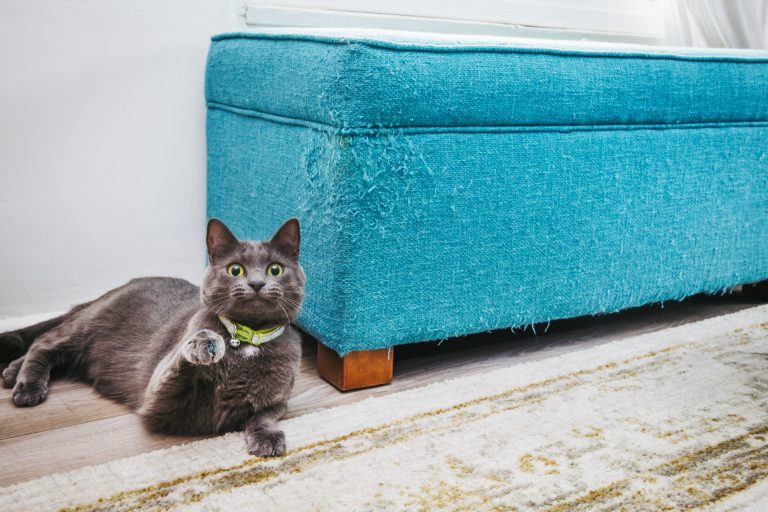
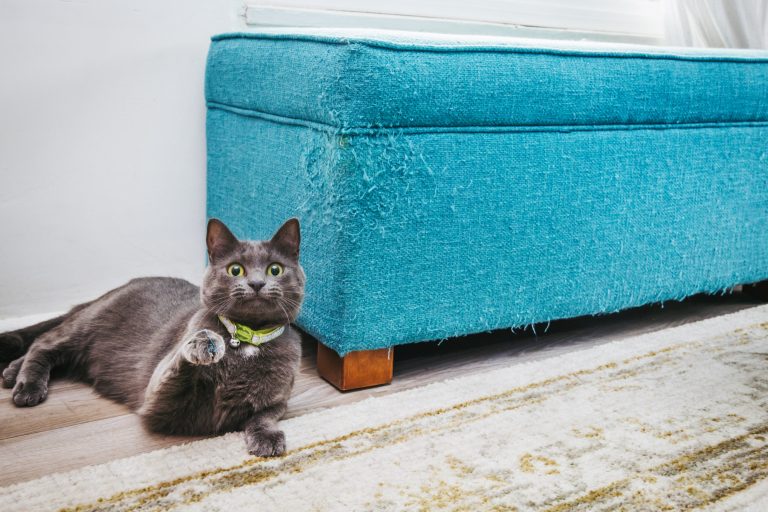
Imagine this: you walk into your living room, ready to relax, only to find your favorite couch covered in claw marks. It’s a scene all too familiar for many cat owners.
Cats love to scratch, and often, they choose your cherished furniture as their canvas. But don’t worry, there’s hope! Understanding why cats scratch and learning how to guide their behavior can save your furniture and keep your home harmonious. In this guide, you’ll discover simple, effective strategies to stop your cat from making your sofa their go-to scratching post.
Stay tuned, because your living room is about to get a lot less clawed up!
Understanding Cat Behavior
Preventing furniture scratches starts with understanding why cats scratch. Provide a scratching post to satisfy their natural urge. Redirect their attention to toys and cat-friendly areas.
Understanding why your cat scratches the furniture can be the first step toward a harmonious home. Cats aren’t just being naughty; they’re fulfilling natural urges. By grasping these behaviors, you can find solutions that keep both you and your feline friend happy.Natural Instincts
Cats are hardwired to scratch. It’s part of their DNA. Scratching helps them keep their claws sharp and healthy. It’s like a manicure session for them. Beyond grooming, scratching marks their territory. Cats have scent glands in their paws, and scratching leaves their scent behind. Your cat’s instinct to scratch is deeply rooted in their wild ancestry. It’s not something they do to annoy you.Reasons For Scratching
Apart from instincts, various reasons drive cats to scratch. Scratching is a way for cats to stretch their bodies. It’s their form of a morning yoga session. It also serves as a stress reliever. Think about how you unwind after a long day; for your cat, it might be scratching. Consider whether your cat is bored. If they lack stimulation, they may scratch out of sheer frustration. I once discovered my cat, Whiskers, tearing into the couch after a period of neglect. It was a wake-up call to provide more playtime and attention. Does your cat have enough outlets for their energy? A scratching post or engaging toys might do wonders. Understanding these behaviors can lead to simple solutions. What changes can you make to align with your cat’s natural behaviors? By focusing on their instincts and reasons for scratching, you can create an environment that respects both your furniture and your cat’s needs.
Credit: www.embassyofpakistanusa.org
Choosing The Right Scratching Post
Select a sturdy scratching post to protect furniture from cat scratches. Place it near favorite scratching spots. Ensure it’s tall enough for a full stretch.
Choosing the Right Scratching Post Finding the perfect scratching post for your cat can be a game-changer in protecting your furniture. Cats scratch not just to sharpen their claws, but also to mark territory and stretch their muscles. A suitable scratching post fulfills these needs, keeping your furry friend happy and your couch intact. But how do you choose the right one? Let’s dive into the types of scratching posts and where to place them for maximum impact.Types Of Scratching Posts
Cats have different preferences, and scratching posts come in various styles to cater to them. Vertical posts are popular among cats who love to stretch upwards. They can be made of sisal, carpet, or cardboard. Cats that prefer scratching horizontally might enjoy a flat scratcher or a ramp-style post. Some cats like variety, so consider getting a combination post that offers multiple surfaces. Does your cat enjoy scratching your wooden furniture? A wooden post could be the perfect match. Remember, the key is to observe your cat’s habits and select a post that mimics their preferred scratching style.Placement Strategies
Placement can make or break the success of a scratching post. Cats often scratch where they spend most of their time, so placing a post near their favorite lounging spot can be effective. If your cat scratches the couch, place a post next to it as an alternative. Consider putting posts in several rooms, especially if your cat roams freely around the house. What about near windows? Cats love to watch the world go by, and a scratching post nearby can become a part of their daily routine. Experiment with different locations and observe your cat’s reactions. You might be surprised by their preferences. Choosing the right scratching post involves understanding your cat’s unique needs and preferences. With the right post type and strategic placement, you can create a harmonious environment for both you and your feline friend.Training Techniques
Prevent furniture damage by providing scratching posts. Encourage your cat with toys or treats near the post. Regularly trim claws to reduce harm.
Training your cat not to scratch the furniture can feel like an uphill battle. But with the right techniques, you can guide your furry friend towards more acceptable behaviors. It’s all about understanding the natural instincts of your cat and channeling them in a way that keeps your home intact. Let’s look at how you can effectively use training techniques to protect your furniture.Positive Reinforcement
Cats respond well to positive reinforcement. This means rewarding good behavior instead of punishing the bad. For example, when your cat uses a scratching post instead of the couch, give them a treat or extra playtime. Consistency is key here. Every time your cat does what you want, offer a reward. Over time, your cat will associate the scratching post with positive outcomes. It makes scratching the furniture less appealing. Consider your own experiences with rewards. Don’t you feel motivated when praised for doing something right? Your cat does too. By encouraging behaviors you want, you build a happy environment for both of you.Redirecting Scratching
Redirecting scratching behaviors is another effective method. When you catch your cat scratching the furniture, gently move them to their scratching post. It’s not just about stopping them in the moment, but showing them where they should scratch. Place scratching posts near their favorite furniture. If your cat loves your sofa, put a post right next to it. This proximity makes it easy for them to choose the right option. Think about how you learn new habits. It’s easier when you have clear alternatives. By providing your cat with a nearby scratching post, you’re giving them an immediate choice. Have you ever wondered why cats scratch? It’s a natural behavior for marking territory and keeping claws healthy. Redirecting this instinct to appropriate outlets is not only practical but essential for their well-being. Table of Training Techniques | Technique | Description | Benefits | |———–|————-|———-| | Positive Reinforcement | Reward good behavior with treats or play | Encourages desired behavior | | Redirecting Scratching | Move cat to a scratching post when scratching furniture | Provides alternative outlet | Implementing these techniques requires patience and persistence. Your cat may not change overnight, but consistent effort will pay off. What are some creative ways you have encouraged your cat to use a scratching post?Protecting Furniture
Keeping your beloved feline from wreaking havoc on your furniture can be a real challenge. Cats naturally scratch to mark territory, stretch, and maintain their claws. However, this doesn’t mean you have to sacrifice your beautiful sofa or chairs. With some creative strategies, you can protect your furniture while keeping your cat happy and healthy.
Using Furniture Covers
Furniture covers are a straightforward solution to safeguard your chairs and sofas. They act as a physical barrier, making it less tempting for your cat to scratch.
You can find covers in various materials like microfiber or quilted fabric. These options not only protect but also add a touch of style to your living space.
It’s easy to remove and clean these covers, which is a bonus when dealing with pet hair or accidental spills. Plus, they provide an affordable alternative to buying new furniture.
Applying Deterrents
Deterrents can be surprisingly effective in keeping your cat away from your favorite armchair. They come in different forms, such as sprays, tapes, or even electronic devices.
Consider trying a citrus-scented spray. Cats generally dislike citrus odors, so applying this to your furniture can discourage scratching.
Sticky tape can also be applied to areas your cat targets. The texture isn’t pleasant for them, and after a few encounters, they usually steer clear. But be mindful that tapes might leave residue, so test a small area first.
Have you ever wondered why your cat chooses a particular spot to scratch? Understanding their behavior can help you apply these methods more effectively.
By experimenting with these techniques, you can find what works best for your situation. Protecting your furniture doesn’t have to be a losing battle.
Maintaining Cat’s Claws
Keeping your cat’s claws in check is essential for preventing furniture damage. Not only does it keep your home looking neat, but it also ensures your feline friend is comfortable and healthy. Imagine coming home to find your new couch shredded—it’s a scenario easily avoided with some simple strategies.
Regular Claw Trimming
One effective way to maintain your cat’s claws is through regular trimming. Cats naturally shed their claws, but a little assistance can prevent them from becoming too sharp.
Trim your cat’s claws every few weeks. Use a specific cat nail clipper for safety and precision. It might seem daunting, especially if your cat is squirmy, but patience is key.
Start slowly, maybe just clipping one or two claws at a time. Reward your cat with treats to make the experience positive. Over time, your cat will grow accustomed to the process, and you’ll notice a decrease in furniture scratching.
Exploring Nail Caps
If trimming isn’t doing the trick, consider nail caps. These small, soft covers fit over your cat’s claws, preventing them from scratching effectively.
Nail caps are easy to apply. Most come with adhesive that secures them onto the claw. They’re typically safe and won’t harm your cat.
Does your cat go on a scratching spree at night? Nail caps might be the solution. They also come in various colors, adding a playful touch to your cat’s appearance.
However, nail caps should be replaced every few weeks as your cat’s claws grow. It’s a small commitment that can save your furniture and keep your cat stylish.
Think about this: if your cat’s claws are well-managed, could your relationship with them improve? Less frustration over ruined furniture might mean more bonding time.
Alternative Solutions
Cats naturally scratch to maintain their claws and mark their territory. This behavior often leads to damaged furniture. Fortunately, there are effective alternatives to deter this behavior. Offering suitable substitutes can keep your furniture safe while satisfying your cat’s needs.
Cat Scratching Pads
Cat scratching pads are an excellent choice for redirecting scratching habits. They come in various textures and sizes. This variety suits different feline preferences. Position pads near furniture to attract your cat. Sprinkle a bit of catnip on the pads. This makes them even more appealing. Regularly check and replace worn-out pads. Keeping them fresh maintains your cat’s interest.
Interactive Toys
Interactive toys engage your cat and reduce destructive scratching. These toys stimulate your cat’s hunting instincts. They keep your cat busy and entertained. Look for toys with feathers, bells, or lights. These features captivate your cat’s attention. Dedicate time each day for play sessions. This strengthens your bond and redirects scratching energy.
Creating A Cat-friendly Environment
Creating a cat-friendly environment helps reduce furniture scratching. Cats scratch to mark territory and to stretch muscles. Providing alternatives keeps both the cat and your furniture happy.
Designated Scratching Areas
Set up scratching posts in key areas. Place them near where your cat scratches most. This gives them a positive alternative. Use different materials like sisal or cardboard. Cats have preferences. Experiment to see what they enjoy.
Ensure scratching posts are stable. Wobbly posts discourage use. A cat won’t scratch a shaky post. Size matters too. Tall posts let them stretch fully. This satisfies their natural instincts.
Enrichment Activities
Engage your cat with toys and activities. Interactive toys stimulate their minds. This keeps them from being bored. Bored cats scratch more. Rotate toys weekly. Keeps them interested and engaged.
Use puzzle feeders for meal times. Challenges their mind while they eat. This adds mental stimulation. Active cats are happy cats. Happy cats scratch less furniture.
Credit: www.skaggsinc.com

Credit: www.greensafaris.com
Frequently Asked Questions
What Is The Best Way To Stop Cats From Clawing Furniture?
Provide scratching posts to distract cats. Use double-sided tape on furniture to deter them. Trim their nails regularly. Apply citrus sprays on furniture, as cats dislike the smell. Offer toys to keep them engaged and prevent boredom.
What Can I Spray On My Furniture To Keep Cats From Scratching?
Use a cat deterrent spray with natural ingredients like citrus or eucalyptus oil. These scents repel cats. Test on a small area first. Alternatively, try a homemade solution with vinegar and water. Ensure your furniture’s material is safe for spraying.
Regularly reapply for best results.
How Do You Scratch Proof Furniture From Cats?
Use furniture covers or slipcovers to protect surfaces. Apply double-sided tape or cat deterrent sprays. Provide scratching posts and encourage their use. Trim your cat’s nails regularly to minimize damage. Place deterrent mats or aluminum foil on furniture to discourage scratching.
At What Age Do Cats Stop Clawing?
Cats usually stop excessive clawing by age 5. Training and providing scratching posts can help manage clawing behavior. Regular nail trims and positive reinforcement encourage better habits. Early intervention ensures a smoother transition as they mature, reducing unwanted clawing in your home.
Conclusion
Cats love to scratch. It’s natural for them. But scratched furniture is frustrating. Protect your furniture by giving cats alternatives. Use scratching posts and pads. They satisfy their urge to scratch. Reward them when they use these. Train them with patience.
Use deterrents to discourage scratching furniture. Citrus sprays work well. Cover furniture edges with tape. Keep their claws trimmed. A calm environment helps too. Stress can cause more scratching. Consistent efforts make a difference. Your furniture can stay safe. And your cat can stay happy.
Both can coexist peacefully with simple strategies.