How to Help a Cat Cough Up a Hairball
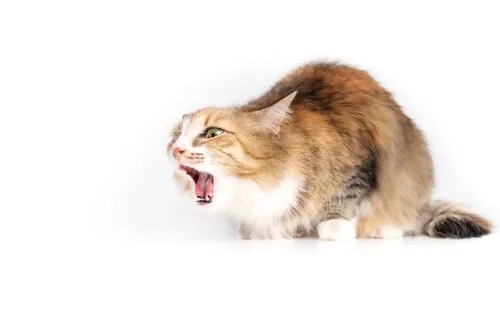
Imagine the scene: your beloved feline friend is hacking and gagging, struggling to cough up a hairball. It’s a distressing sight for any cat owner.
You’ve likely been there, feeling helpless and unsure of how to assist your kitty. But don’t worry; you’re not alone, and there are simple steps you can take to help your cat through this hairy situation. This guide will equip you with everything you need to know to ease your cat’s discomfort and prevent future hairball hiccups.
By the end of this article, you’ll have the confidence and knowledge to tackle this common issue head-on. Ready to help your furry friend breathe easier? Let’s dive in!

Credit: www.facebook.com
Causes Of Hairballs In Cats
Hairballs in cats are a common issue, but understanding what causes them can help you manage and reduce their occurrence. Cats are meticulous groomers, often spending a significant part of their day licking their fur. This natural behavior, while beneficial for cleanliness, can lead to the formation of hairballs.
Understanding The Role Of Grooming
When cats groom themselves, they swallow loose fur. Their tongues are covered in tiny, hook-like structures that effectively capture this fur. While most of this fur passes through the digestive system without a problem, some of it remains in the stomach and forms a hairball.
Impact Of Shedding Seasons
During shedding seasons, like spring and fall, cats lose more fur than usual. This increased shedding results in more hair being swallowed, elevating the risk of hairballs forming. Regular brushing during these times can greatly reduce the amount of fur your cat ingests.
Diet And Hairball Formation
A cat’s diet can also influence the frequency of hairballs. A lack of fiber can make it difficult for swallowed hair to pass through the digestive system. Incorporating a diet high in fiber can help in moving the fur through their system more effectively.
Health And Hairball Issues
Sometimes, frequent hairballs can signal underlying health problems. Conditions like digestive disorders can prevent hair from moving properly through the system. If your cat is struggling with regular hairballs, a visit to the vet can rule out any serious issues.
Have you ever wondered why some cats seem to struggle with hairballs more than others? Observing and understanding your cat’s habits and health can provide insights into managing this common feline issue effectively.
Signs Your Cat Has A Hairball
Cats often gag or hack when trying to expel hairballs. Encourage hydration and feed fiber-rich food to assist them. Regular grooming can also minimize hairball issues.
Cats are self-grooming experts, but their meticulous habits can sometimes lead to hairballs. Recognizing the signs of hairballs in your cat is crucial for their well-being. Early detection can prevent discomfort and potential complications for your feline friend.
1. Persistent Coughing And Gagging
If your cat is frequently coughing or gagging, it may be trying to expel a hairball. The sound is often distinct from regular coughing or sneezing. Pay attention to these signs, especially after grooming sessions.
2. Vomiting Hair Or Food
Hairballs are sometimes expelled through vomiting. If you notice your cat vomiting hair or even undigested food, it might be struggling with a hairball. Consider how often this happens, as frequent occurrences might need a vet’s attention.
3. Constipation Or Diarrhea
Digestive issues can be linked to hairballs. Cats may experience constipation or diarrhea when a hairball is stuck in their system. Observing changes in litter box habits can provide clues about potential hairball problems.
4. Loss Of Appetite
A decrease in appetite might signal an underlying issue like a hairball. Cats may refuse to eat if they feel uncomfortable or bloated. Keep an eye on their eating habits to ensure they’re consuming enough nutrients.
5. Lethargy And Less Playfulness
Hairballs can cause discomfort, leading to less activity and playfulness in cats. If your typically energetic cat seems unusually lethargic, a hairball might be the reason. Reflect on their recent behavior changes to assess the situation.
6. Excessive Grooming
Cats naturally groom themselves, but excessive grooming can indicate a problem. If your cat is grooming more than usual, it might be trying to remove loose fur. This behavior can lead to more hairballs if not addressed.
7. Swollen Abdomen
A swollen abdomen can be a physical sign of a hairball. Gently feel your cat’s abdomen to check for any unusual swelling. This can help you determine if a vet visit is necessary. Recognizing these signs can help you provide timely assistance to your cat. Have you noticed any of these symptoms in your cat recently? Taking action now can make a big difference in your cat’s comfort and health.
Safe Techniques To Assist Your Cat
Helping a cat cough up a hairball involves gentle techniques. Ensure your cat is hydrated and provide fiber-rich food. Regular grooming reduces hair ingestion, minimizing hairball issues.
Helping your cat cough up a hairball can be a challenging task, but ensuring their comfort and safety should be your priority. Hairballs are a common occurrence, especially for long-haired breeds. As a cat owner, you might have witnessed your feline friend struggling with a hairball, and wondered how you can assist them safely. Here are some techniques you can use to support your cat in getting rid of that pesky hairball.
Gentle Massage
A gentle massage can work wonders. Try softly massaging your cat’s abdomen using circular motions. This can help stimulate their digestive system. Always make sure your cat is comfortable and relaxed during this process. If your cat seems distressed, give them a break. You might be surprised at how effective a simple massage can be in helping hairballs pass. Have you ever tried this technique before?
Encourage Hydration
Water is your cat’s ally in fighting hairballs. Ensure they have access to fresh water at all times. Proper hydration helps in softening the hairball, making it easier for your cat to pass it. Consider using a cat water fountain. Cats are often more inclined to drink moving water. You might find that increasing your cat’s water intake naturally reduces hairball occurrences. Do you know how much water your cat drinks daily?
Use Hairball Remedies
Hairball remedies can be beneficial. There are various products available, such as gels and treats, designed to aid in the passage of hairballs. These often contain ingredients that lubricate the digestive tract. Consult with your vet for recommendations tailored to your cat’s needs. You may find that integrating these remedies into your cat’s routine reduces the frequency of hairballs. Have you considered trying a hairball remedy before? Remember, each cat is unique. What works for one may not work for another. Always observe your cat’s reactions and adjust your approach accordingly. Helping your cat can be a rewarding experience that strengthens your bond with them.
Dietary Changes For Prevention
Preventing hairballs in cats involves careful dietary changes. A balanced diet can help reduce the frequency and severity of hairballs. Cats naturally groom themselves, which leads to hair ingestion. Helping your cat manage this is key for their comfort and health.
High-fiber Foods
High-fiber foods are important for a cat’s digestive health. Fiber helps move ingested hair through the digestive tract. Vegetables like pumpkin can be added to your cat’s diet. Check with a vet before making changes. A vet will know what’s best for your cat’s needs.
Specialized Cat Foods
Many brands offer cat food specially formulated for hairball control. These foods usually contain a blend of fibers. They help manage hairballs and support digestion. This type of food can reduce hairballs over time. Ensure it is suitable for your cat’s age and health. Always read labels and consult with a vet.
Grooming Tips To Reduce Hairballs
Hairballs are a common issue for cats. They form when cats swallow hair during grooming. This can lead to discomfort. Regular grooming helps reduce hairballs. It also keeps your cat’s coat healthy and clean. Here are some grooming tips to help your cat stay free from hairballs.
Regular Brushing
Brushing your cat daily is important. It removes loose hair. This prevents your cat from swallowing it. Use a brush suited for your cat’s fur type. Long-haired cats need brushes with wider teeth. Short-haired cats benefit from finer brushes. Brushing also stimulates circulation. It gives your cat a healthier coat.
Brushing can be a bonding experience. Your cat will enjoy the attention. Make sure to be gentle. Cats have sensitive skin. Start with short sessions. Gradually increase the time as your cat gets comfortable.
Bathing Techniques
Bathing your cat can help reduce hairballs. It removes dirt and excess hair. Use a gentle cat shampoo. Avoid human products. They can irritate a cat’s skin. Wet your cat slowly. This helps them stay calm. Massage the shampoo into their fur gently.
Rinse thoroughly. Leftover shampoo can cause itching. Dry your cat with a soft towel. Avoid using hairdryers. They can scare your cat. Bathing should not be too frequent. Once a month is enough for most cats.
Some cats resist baths. Training them from a young age helps. Use treats as rewards. Positive reinforcement makes the process easier.

Credit: www.wikihow.com
When To Visit The Vet
Visit the vet if your cat struggles with hairballs frequently. Watch for signs like coughing or gagging. Regular grooming can help reduce hairball formation.
When your furry friend struggles with a hairball, it’s usually a manageable situation. However, there are times when a trip to the vet becomes necessary. Recognizing when to seek professional help can make all the difference in your cat’s health and comfort. Let’s explore the signs that signal it’s time to consult a vet.
Persistent Symptoms
If your cat has been trying to cough up a hairball for more than a day or two without success, it might be time to get professional advice. While occasional hacking is normal, prolonged symptoms could indicate a blockage. Watch for signs like frequent retching without producing a hairball or a decrease in appetite. These could suggest that the hairball is stuck, and your cat needs a vet’s intervention.
Signs Of Distress
Cats are good at hiding discomfort, but certain signs can indicate distress. Look out for labored breathing, excessive drooling, or lethargy. Such symptoms can mean your cat is in trouble and needs immediate attention. I remember when my cat, Whiskers, had a persistent cough that turned into labored breathing. A quick visit to the vet revealed a stubborn hairball causing the problem. Acting promptly can prevent complications and ensure your pet’s well-being. Have you noticed any other unusual behaviors in your cat during a hairball episode? Sharing your observations with the vet can provide valuable insights into your cat’s health. Being attentive and proactive can help your furry friend feel better faster.

Credit: www.facebook.com
Frequently Asked Questions
What Happens If A Cat Can’t Cough Up A Hairball?
A cat unable to cough up a hairball may experience digestive blockages. Watch for symptoms like vomiting, constipation, or lethargy. If symptoms persist, consult a vet promptly to prevent complications. Regular grooming and hairball treatments can help manage the situation effectively.
How Can I Help My Cat Pass A Hairball?
Help your cat pass a hairball by giving them specialized hairball treats or catnip. Ensure they drink enough water. Regular brushing minimizes hair ingestion. Consider adding pumpkin or olive oil to their diet for easier digestion. Consult a vet if issues persist.
How Can I Help My Cat Get A Hairball Out Of Her Throat?
Encourage your cat to drink water or lick a small amount of butter. This may help lubricate and pass the hairball. Regularly grooming your cat and providing hairball-specific cat food can also prevent future occurrences. If the problem persists, consult your veterinarian for further advice.
How Do I Know If My Cat Has A Hairball Stuck?
Watch for signs like frequent coughing, gagging, or vomiting without producing a hairball. Your cat may have a decreased appetite or seem lethargic. If symptoms persist, consult a veterinarian for proper care. Regular grooming and a balanced diet can help prevent hairballs.
Conclusion
Helping your cat with hairballs is simple. First, keep them groomed regularly. This reduces loose hair. Offer a balanced diet rich in fiber. It aids digestion and minimizes hairball formation. Ensure they have plenty of fresh water. Hydration supports healthy digestion.
Encourage playful activity. It helps move hair through the system. Watch for signs of distress, like frequent coughing. If symptoms persist, consult a vet. Your cat’s comfort is important. With these tips, you can help your cat feel better. Happy cat, happy home.