Can People Eat Cat Food: Unveiling Surprising Facts
Have you ever found yourself wondering, “Can people eat cat food?” It might sound like an odd question, but you’re not alone.
With the growing trend of unique diets and the increasing curiosity about pet nutrition, it’s natural to question what makes cat food different from our own meals. After all, the colorful cans and pouches lining pet store shelves can look surprisingly appetizing.
But before you consider tasting your feline friend’s dinner, it’s crucial to understand what’s really inside that tempting tin. We’ll delve into the ingredients, nutritional value, and potential risks of eating cat food. You’ll discover whether it’s a harmless snack or something to avoid at all costs. So, grab a seat, and let’s unravel this intriguing topic. By the end, you’ll have all the answers you need to make an informed decision.
Nutritional Composition Of Cat Food
Cat food is designed for feline needs, rich in proteins and fats. While safe for humans occasionally, it’s not recommended as a regular diet due to nutrient imbalances. Always prioritize a balanced diet tailored for human consumption.
Understanding the nutritional composition of cat food is essential, especially if you’ve ever wondered about its safety for humans. Many pet owners have found themselves in curious situations where they question if it’s possible for people to eat cat food. While it’s not recommended as a regular part of a human diet, knowing what cat food contains can be both fascinating and insightful.Key Ingredients
Cat food is designed to meet the dietary needs of felines, which are different from humans. Proteins are a primary component, often sourced from chicken, fish, or beef. These are essential for cats, who are obligate carnivores, meaning they rely heavily on meat for nutrition. In addition to proteins, cat food includes animal fats, which provide energy and contribute to a shiny coat and healthy skin for cats. Some cat foods also contain carbohydrates, although in smaller amounts compared to human food, as cats don’t need as much. Vitamins and minerals are added to support a cat’s overall health. Taurine, an amino acid crucial for cats, is often included because cats cannot produce it naturally.Comparison With Human Food
When comparing cat food to human food, several differences become apparent. Human food is typically more diverse, encompassing a wider range of nutrients from various sources. This diversity caters to the complex dietary requirements of humans. Cat food is much denser in protein than most human foods. While humans need protein, they also require carbohydrates and fiber in larger quantities for energy and digestion. Cat food lacks these in significant amounts. Taste is another factor. Cat food is formulated to appeal to cats’ palates, which means it might not be appetizing for humans. Imagine opening a can of cat food and the smell is quite distinct—it’s likely not what you’d enjoy for dinner. Have you ever wondered why cats can thrive on the same food every day while humans need variety? Our bodies require a balance of different nutrients that cat food simply doesn’t provide. It’s fascinating to think about how our dietary needs are so different from our furry companions. Would you consider trying a bite of cat food out of curiosity?
Credit: www.prwe.com
Health Risks For Humans
Many people wonder about eating cat food. It might seem harmless. But there are health risks. Cat food is made for cats, not humans. Eating it can cause problems. Let’s explore these risks.
Potential Allergies
Cat food can contain allergens. Ingredients like fish or poultry might trigger reactions. People with allergies to these foods should be cautious. Symptoms can be mild or severe. Itchy skin, sneezing, or swelling might occur. Always check labels for allergens. Avoid eating cat food if you are unsure.
Digestive Issues
Digestive problems are common. Cat food is rich in protein. Humans need a balanced diet. Eating too much protein can upset the stomach. It may cause diarrhea or constipation. Human digestive systems differ from cats. Cat food lacks essential nutrients for humans. It may also contain additives not safe for human consumption. Choose human food for proper digestion.
Legal And Safety Standards
Exploring the idea of eating cat food might sound unusual. It’s crucial to understand the legal and safety standards involved. These standards ensure pet food meets specific requirements. They protect both pets and curious humans. Let’s dive into the regulations and safety protocols surrounding cat food.
Regulations On Pet Food
Pet food regulations vary by country. In the U.S., the FDA oversees the safety of pet food. It ensures that ingredients are safe and appropriately labeled. The Association of American Feed Control Officials (AAFCO) also sets guidelines. These ensure nutritional adequacy for pets. Other countries have similar regulatory bodies.
Regulations aim to prevent harmful substances in pet food. They also ensure accurate labeling of ingredients. If cat food contains certain additives, it must be clearly stated. This transparency helps consumers make informed decisions.
Safety Protocols In Manufacturing
Manufacturers follow strict safety protocols. These protocols ensure product safety and quality. Factories must maintain clean environments. Equipment is regularly sanitized to avoid contamination. Ingredients undergo rigorous testing before production.
Manufacturers track each step of the production process. This helps identify any issues quickly. Safety protocols include regular inspections by regulatory bodies. These inspections ensure compliance with safety standards. Implementing these measures reduces risks of contamination.

Credit: www.popsci.com
Instances Of Human Consumption
Curiosity often leads people to wonder about eating cat food. While it may be safe for occasional consumption, it lacks essential nutrients for human health. Cat food is formulated for feline needs, making it unsuitable as a regular human diet.
Eating cat food may not be on your bucket list, but surprisingly, there are moments when humans have turned to it as a food source. Whether due to necessity or sheer curiosity, instances of human consumption of cat food have popped up around the globe. Let’s delve into these intriguing scenarios.Emergency Situations
There are dire circumstances where cat food becomes the only available nourishment. Imagine you’re stuck in a snowstorm with dwindling supplies. Your pantry is bare, except for a few cans meant for Whiskers. In such a case, you might consider opening one of those cans to keep hunger at bay. People have found themselves in survival situations where cat food was their lifeline. During natural disasters or in remote areas, food sources can become scarce, making cat food an unlikely but viable option. Yet, while it might save your stomach temporarily, it’s important to remember that cat food isn’t designed for human nutritional needs. It’s a temporary fix, not a long-term solution. Would you eat cat food if it meant surviving another day?Experimental Cases
Some folks are adventurous eaters. They try unusual foods just for the experience. You might know someone who has tasted insects or even bizarre dishes from different cultures. Cat food, surprisingly, makes it onto some curious eaters’ lists. A few people have gone online to share their experience of eating cat food for fun or as part of a challenge. These bold eaters often describe the taste as bland or unpleasant, but it doesn’t stop them from trying it at least once. But before you grab a can and a fork, consider the ingredients. Cat food is crafted for feline nutrition, not human palettes. While it won’t harm you in small amounts, it’s not recommended for regular consumption. Would you be tempted to try it for the sake of adventure? Eating cat food might seem bizarre, but it raises an interesting question: How far would you go in an emergency or for curiosity’s sake?Psychological And Social Factors
Eating cat food might seem odd to many. Yet, some individuals do it. Understanding why requires looking at psychological and social factors. These influences shape our decisions and perceptions. They affect how people view pet food as a potential food source.
Perceptions Of Pet Food
People often think pet food is only for animals. This belief stems from marketing and packaging. Pet food is displayed in animal aisles. This reinforces its purpose for pets. People tend to associate pet food with animals due to its smell and texture. Such perceptions create barriers to considering it for human consumption. Curiosity can challenge these perceptions. Some might try cat food out of interest or novelty.
Cultural Attitudes
Cultural attitudes play a significant role in food choices. Different cultures have unique eating habits. Some cultures accept unusual foods more readily. In some regions, consuming animal products is common. These cultural differences influence acceptance of cat food as edible. Media and societal norms also impact these attitudes. Popular shows or articles can shift views. They can make eating unusual foods seem trendy or daring.
Credit: evangersdogfood.com
Alternatives To Cat Food
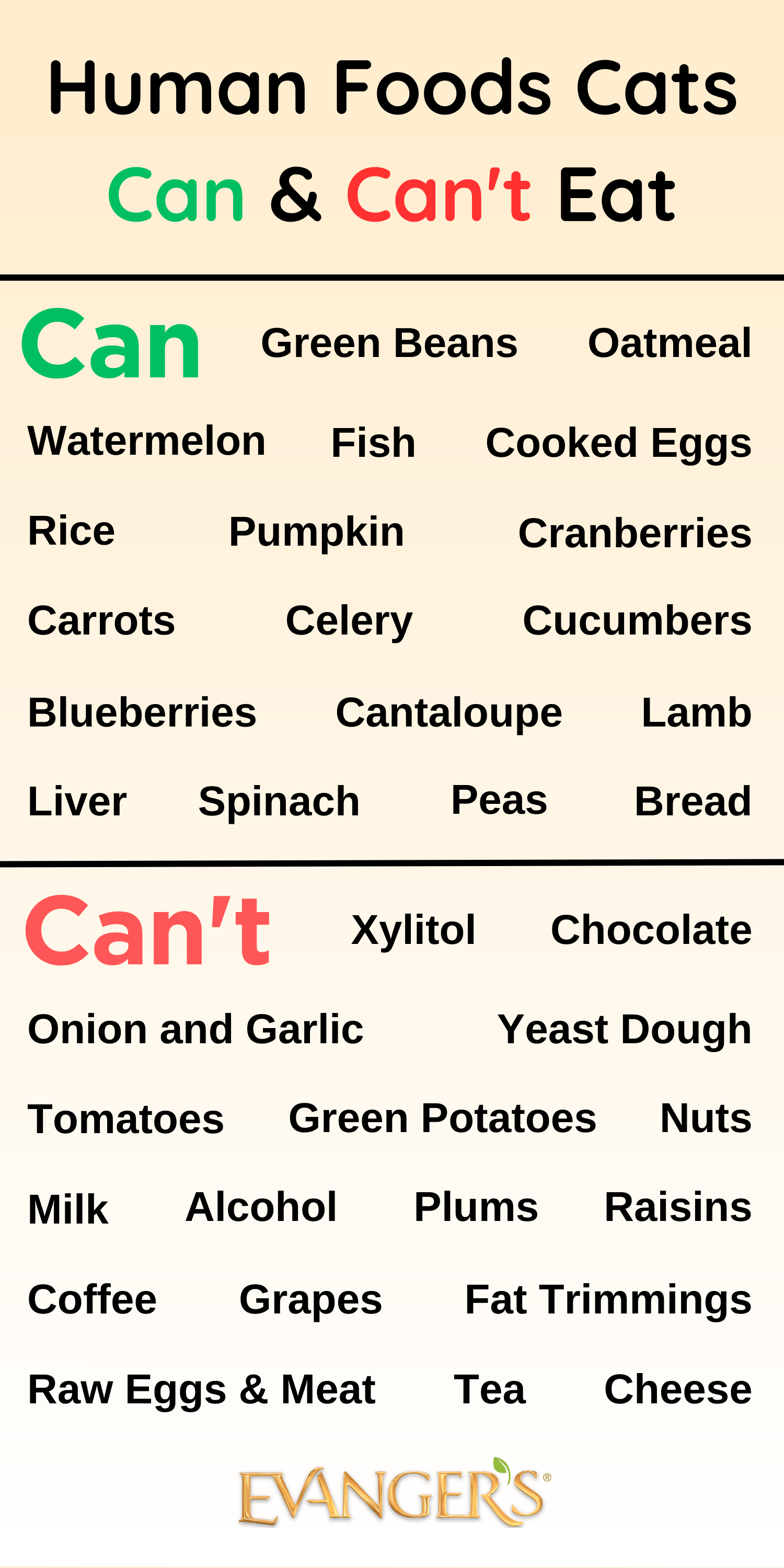
Exploring cat food alternatives, people often wonder if they can eat cat food. Cat food is not suitable for human consumption due to nutritional differences and safety concerns. Instead, focus on balanced human diets to ensure proper health and nutrition.
Considering eating cat food might seem like an unusual choice, but sometimes curiosity or circumstances lead people to wonder about alternatives. While cat food is designed for feline nutrition, it lacks many essential nutrients humans need. Fortunately, there are healthier and safer alternatives to cat food that can provide the necessary nutrition without compromising your health.Nutritional Supplements
You might consider nutritional supplements to fill any gaps in your diet. These supplements are designed to provide vitamins and minerals that may be missing from your meals. Think of them as a way to ensure you’re getting a balanced intake of nutrients. They come in various forms like pills, powders, and even gummies. Choosing the right supplement depends on your specific needs. For instance, if you feel low on energy, a B-vitamin complex might help. Always consult with a healthcare professional before starting any supplement regimen to ensure it’s safe for you.Affordable Human Foods
There are plenty of affordable human foods that are both nutritious and delicious. Staples like beans, rice, and oats are cost-effective and provide essential nutrients. Fruits and vegetables, even frozen ones, are excellent sources of vitamins and fiber. For protein, consider eggs and canned fish, which are both budget-friendly and nutritious. A well-planned grocery list can help you eat healthily without breaking the bank. Next time you shop, think about what foods offer the most nutrition for the least cost. Have you ever tried preparing a meal using only items from the discount section? You’d be surprised at the culinary adventures you can embark on with a bit of creativity. In conclusion, while cat food might be off the table, there are plenty of viable and nutritious options available. Whether through supplements or human foods, you have the power to maintain a healthy diet. What will you try next to ensure a balanced intake of nutrients?Frequently Asked Questions
What Would Happen If Someone Ate Cat Food?
Eating cat food occasionally isn’t harmful to humans. It’s not nutritionally balanced for people, though. Cat food may cause digestive upset, including nausea or diarrhea. It’s best to consume food designed for humans for a balanced diet. Always contact a doctor if you feel unwell after eating cat food.
Can We Eat Canned Cat Food?
Canned cat food is not suitable for human consumption. It’s formulated for feline nutrition, not human dietary needs. Eating it may cause digestive issues or allergic reactions. Stick to food made for humans to ensure safety and proper nutrition. Always consult a healthcare professional if unsure about food safety.
Is Cat Food Safe For Human Consumption?
Cat food is not intended for humans. It may contain ingredients that are safe for cats but not for humans. While it’s unlikely to cause immediate harm, it’s not nutritionally balanced for human needs. Always opt for food specifically made for human consumption to ensure safety and nutritional adequacy.
What Happens If A Person Eats Cat Food?
Eating cat food occasionally is unlikely to cause serious harm. However, it lacks essential nutrients needed by humans. Long-term consumption could lead to nutritional deficiencies or digestive issues. It’s important to consume food designed for human dietary needs to maintain proper health and nutrition.
Conclusion
Eating cat food isn’t safe for people. Cat food lacks necessary human nutrients. It can contain harmful substances. People should choose food meant for humans. It ensures proper nutrition and safety. If curious, consult a doctor. Always prioritize health and well-being.
Exploring new foods can be fun. But make informed choices. Remember, what’s safe for cats isn’t always safe for humans. Stay informed. Stay safe. Your body deserves the best care. Make smart food choices. Keep your health in mind. Choose wisely.
Healthy eating supports a healthy life.