
Have you ever found yourself in a pinch, wondering if you can feed your puppy with the cat food you have on hand? You’re not alone.
Many pet owners face this dilemma, especially when they run out of puppy food or deal with a picky eater. Before you scoop that kibble into your puppy’s bowl, there are some important facts you should know. Understanding the differences between cat and puppy nutrition is crucial for your furry friend’s health and happiness.
Stick around, and you’ll discover why feeding cat food to your puppy might not be the best idea—and what you can do instead.
Puppy Nutritional Needs
Cat food lacks the nutrients puppies need for growth. Puppies require more protein and fat than cats. Feeding them the right diet is essential.
Bringing a new puppy into your home is a joyful experience filled with wagging tails and playful barks. Yet, it also comes with the responsibility of ensuring your puppy receives the right nutrition for healthy growth. This might lead you to wonder if cat food can meet your puppy’s dietary needs. Understanding your puppy’s nutritional requirements is crucial for their development and overall well-being.Understanding Puppy Nutritional Needs
Puppies grow rapidly and require a diet rich in specific nutrients. They need higher levels of protein and fat compared to adult dogs to support their energetic lifestyle and developing bodies. Nutrients like calcium and phosphorus are vital for strong bones and teeth. Puppies also need a balance of vitamins and minerals to support their immune system. A deficiency in essential nutrients can lead to health issues, impacting their growth and vitality. It’s important to feed them food specifically formulated for puppies.Why Cat Food Isn’t Ideal For Puppies
Cat food is formulated to meet the nutritional needs of felines, who require more protein and certain amino acids like taurine. While it might seem harmless to give your puppy cat food occasionally, it lacks essential nutrients puppies need. Feeding cat food regularly could lead to nutritional imbalances. I recall a friend who mistakenly gave their puppy cat food, thinking it was interchangeable. The puppy soon showed signs of digestive distress and lacked energy. This experience highlights the importance of providing species-appropriate food.What Happens If Puppies Eat Cat Food?
Occasionally sneaking a bite of cat food might not harm your puppy, but it shouldn’t become a habit. Over time, relying on cat food can result in deficiencies or excesses in nutrients. Your puppy might gain weight or develop digestive issues. If you suspect your puppy has consumed cat food, watch for any unusual behavior. Consult your vet if you notice changes in their energy levels or appetite.Providing The Right Nutrition For Your Puppy
Choose a high-quality puppy food that meets their specific life stage needs. Look for labels that indicate the food is complete and balanced for puppies. Brands often offer different formulas based on breed size, so select one that suits your puppy’s breed. Remember to consult your veterinarian when in doubt. They can provide personalized advice tailored to your puppy’s health and growth. Investing in proper nutrition now will set the foundation for a healthy and happy future for your furry friend.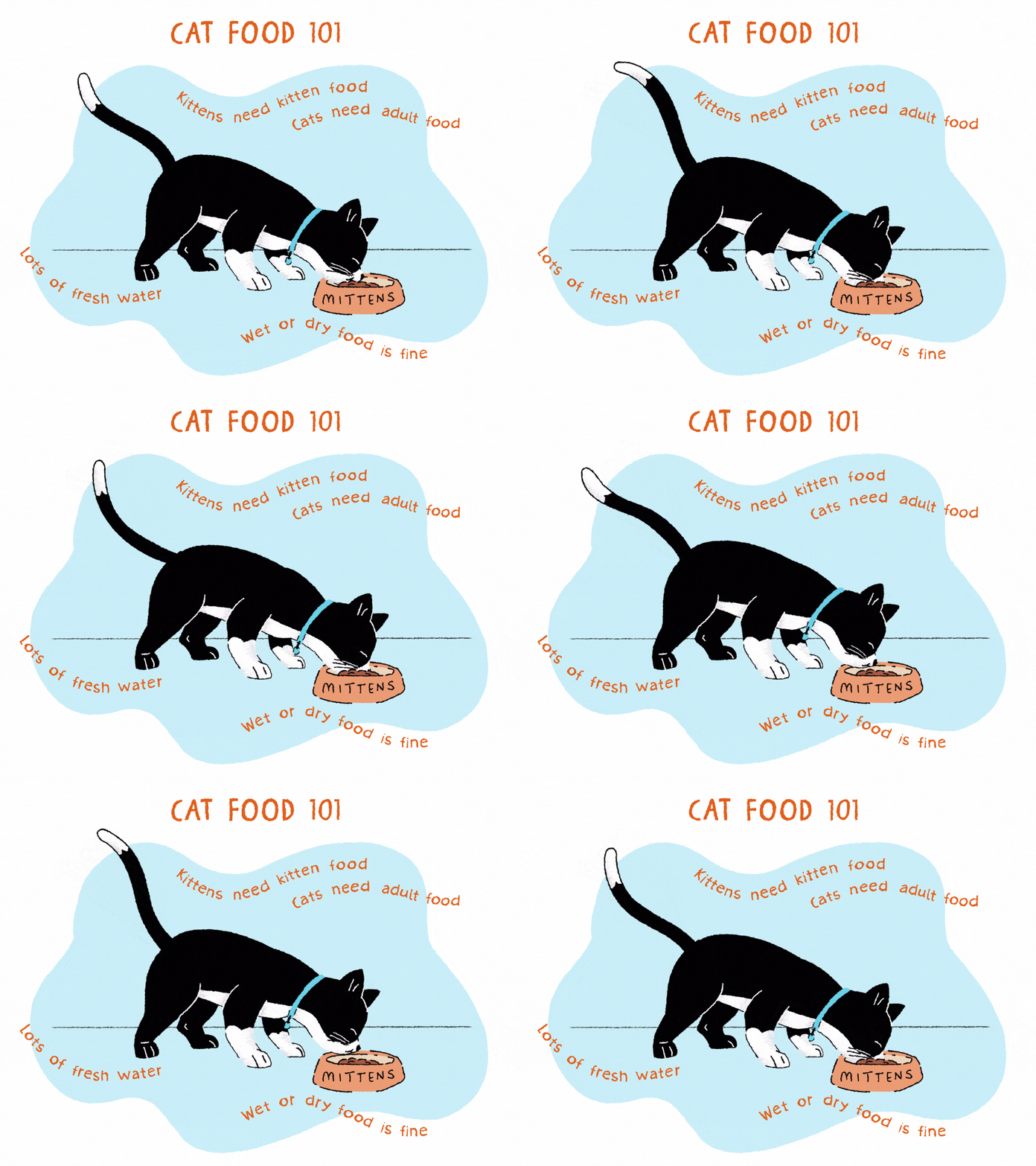
Credit: www.banfield.com
Differences Between Puppy And Cat Food
Understanding the differences between puppy and cat food is important. Each type of food is tailored to meet specific nutritional needs. Puppies and cats require distinct nutrients for healthy growth and development. Feeding the wrong type of food can lead to health issues. Let’s explore how puppy and cat food differ in key areas.
Protein Content Variations
Puppy food and cat food differ in protein content. Cats are obligate carnivores and need higher protein levels. Their food usually contains more animal-based proteins. Puppies, while also needing protein, have slightly lower requirements. Their food often includes a mix of animal and plant proteins. This helps support their growth and energy needs. Providing the right balance is essential for their health.
Fat Levels And Implications
Fat content in puppy and cat food also varies. Cat food generally has higher fat levels. This provides energy and supports their metabolism. Puppies require moderate fat levels for growth and energy. Too much fat can lead to obesity and other health problems. It’s crucial to choose food with appropriate fat content for your pet.
Essential Vitamins And Minerals
Vitamins and minerals are vital for both puppies and cats. Puppy food includes nutrients for bone and muscle development. Calcium and phosphorus are important for growing puppies. Cat food contains nutrients like taurine, essential for heart and eye health. Ensuring the right nutrients can prevent deficiencies and promote well-being.
Potential Risks Of Feeding Cat Food To Puppies
Feeding puppies cat food may lead to nutritional imbalances. Puppies need specific nutrients for proper growth and development. Cat food lacks these essential nutrients, potentially causing health issues in young dogs.
Feeding cat food to puppies might seem harmless. But it poses real risks. Puppies need nutrition tailored for their growth. Cat food lacks essential nutrients for dogs. Discover the potential risks below.Digestive Issues
Puppies have sensitive stomachs. Cat food is richer and spicier. It can upset their digestion. Loose stools or diarrhea may occur. Vomiting might also happen. These symptoms can dehydrate puppies fast.Growth And Development Concerns
Puppies grow quickly. They need specific nutrients for bones and muscles. Cat food lacks enough protein for puppies. It also misses the right balance of calcium and phosphorus. This imbalance can weaken their bones. Puppies might not reach their full size.Long-term Health Impacts
Feeding puppies cat food regularly can harm their health. They might develop obesity from high-fat content. This can lead to joint problems. Cat food is low in essential vitamins and minerals. Long-term deficiency can weaken their immune system. Puppies might face frequent illnesses.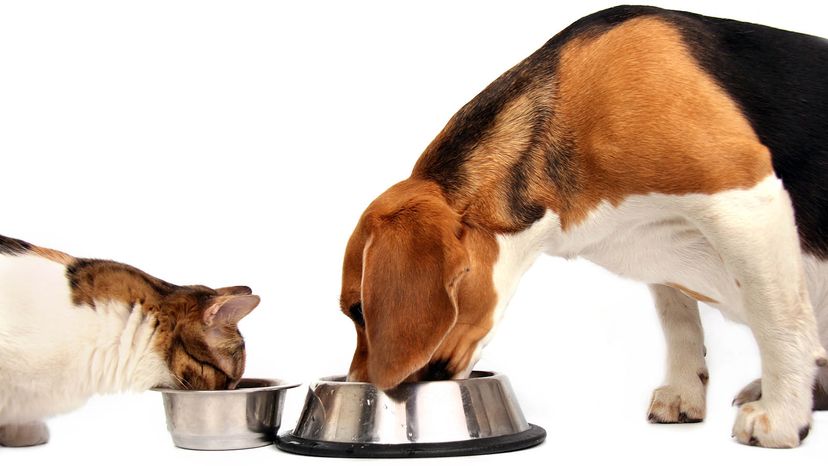
Credit: animals.howstuffworks.com
Signs Your Puppy Might Be Affected
Feeding your puppy cat food can lead to nutritional imbalances. Watch for signs like lethargy or digestive issues. Puppies need specific nutrients for growth, which cat food may lack.
Signs Your Puppy Might Be Affected by eating cat food can vary. Puppies have different nutritional needs compared to cats. Feeding them cat food might lead to health issues. It’s important to watch for any unusual changes in your puppy. Early detection can help prevent serious problems.Behavioral Changes
A puppy fed with cat food might act differently. You may notice increased irritability. They might become less playful than usual. Reluctance to eat their regular food can occur. Anxious behavior might be noticeable. Restlessness or whining might become frequent.Physical Symptoms
Physical signs can also indicate a problem. Digestive issues like diarrhea can appear. Vomiting might happen after meals. Watch for excessive thirst or urination. Sudden weight loss can be a serious sign. Coat condition might deteriorate, looking dull or brittle. Energy levels might drop significantly. Always consult a vet if symptoms persist.Alternatives To Cat Food For Puppies
Feeding cat food to puppies isn’t ideal. Puppies need different nutrients than cats. Choose dog-specific foods for balanced nutrition.
When you have a new puppy, you want nothing more than to keep them healthy and happy. It’s tempting to think cat food might be a suitable option, especially when you run out of puppy food unexpectedly. However, puppies have unique nutritional needs that cat food just can’t meet. So, what are the alternatives to cat food for your young pup? Let’s dive into some options to ensure your puppy gets the best start in life.Choosing The Right Puppy Food
Selecting the right food for your puppy can be overwhelming with so many brands and types available. Look for puppy food specifically formulated to support growth and development. Pay attention to protein content and essential nutrients like calcium, which are crucial for strong bones and muscles. Consider consulting your vet for recommendations tailored to your puppy’s breed and size. You’ll find that investing in quality puppy food pays off with a healthier, more energetic companion. Remember, feeding your puppy is not just about filling their bowl; it’s about fueling their adventure-filled days.Homemade Diet Considerations
You might want to explore homemade diets for your puppy. This can be a wonderful option if done correctly. Ensure the diet includes a balanced mix of proteins, carbohydrates, and fats. Puppies need diverse nutrients for their rapid growth, so it’s vital to get the proportions right. Research recipes and consider adding cooked meats, vegetables, and grains. Avoid ingredients like onions and garlic, which are toxic to dogs. Have you ever tried cooking for your puppy? It can be a rewarding experience that strengthens your bond and ensures they get quality food. So, what’s stopping you from whipping up a homemade meal for your furry friend?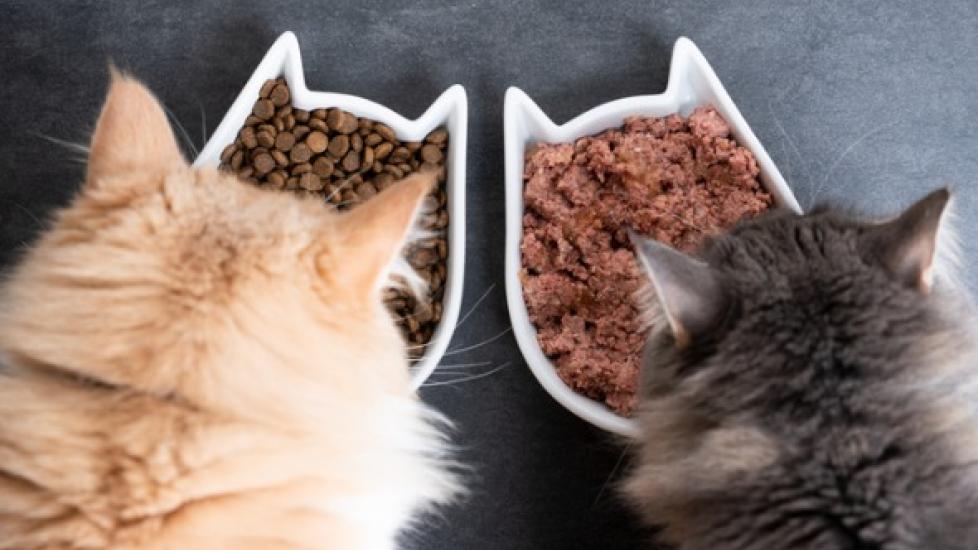
Credit: www.petmd.com
Consulting A Veterinarian
Determining the right food for your puppy can be confusing. Puppies need balanced nutrition to grow healthily. Feeding them cat food might not be the best choice. Consulting a veterinarian can provide clarity. A vet can offer personalized advice based on your puppy’s needs.
When To Seek Professional Advice
If you notice your puppy eating cat food, contact a vet. Signs like diarrhea or vomiting need immediate attention. Changes in energy levels or appetite also warrant a vet visit. Regular check-ups are crucial for growing puppies. They help in monitoring their health and diet.
Questions To Ask Your Vet
Prepare a list of questions for your vet. Ask about the nutritional needs of your puppy. Inquire if occasional cat food is harmful. Discuss any symptoms your puppy shows. Ask for recommendations on puppy food brands. Understanding your pet’s health is vital.
Frequently Asked Questions
Is It Okay For Puppies To Eat Cat Food?
Puppies shouldn’t regularly eat cat food. Cat food lacks essential nutrients puppies need for healthy growth. Occasionally, it’s fine if they sneak a bite, but don’t make it a habit. Always provide a balanced puppy-specific diet to ensure proper development and health.
Consult your vet for dietary advice.
What Can I Feed My Dog If I Run Out Of Dog Food?
Offer cooked chicken, turkey, or beef without seasoning. Serve plain rice or pasta. Include cooked vegetables like carrots or peas. Scrambled eggs are also safe. Always avoid onions, garlic, and chocolate. Ensure fresh water is available. Consult your vet for specific advice tailored to your dog’s needs.
What Happens If My Dog Has Cat Food?
Dogs eating cat food occasionally is usually not harmful. Cat food has more protein and fat. Regular consumption might cause obesity or digestive issues. Ensure your dog eats balanced dog food to meet its nutritional needs. If symptoms like vomiting or diarrhea appear, consult your vet.
Can Puppies Eat Cat Food Safely?
No, puppies should not eat cat food regularly. Cat food lacks the specific nutrients that puppies need. It is too high in protein and fats for puppies. Feeding cat food can lead to nutritional imbalances or obesity in dogs. Always consult your vet for the best diet for your puppy.
Conclusion
Feeding puppies cat food isn’t ideal for their health. Puppies need specific nutrients. Their growth depends on balanced dog food. Cat food lacks these nutrients. It can cause health issues. Choose puppy food for your young dog. It supports their development.
Talk to a vet for advice. They will guide you on proper nutrition. Puppies deserve the best start. Offer them food designed for dogs. Keep them happy and healthy. Remember, good nutrition builds strong, active puppies. Avoid risking their health with unsuitable food choices.
Your puppy’s diet matters. Make it count.