
Imagine watching your playful cat slowly become less energetic, drinking more water, and losing weight despite a hearty appetite. It can be worrying and leave you wondering what’s going on.
Could your beloved feline friend be diabetic? You might be surprised to learn that diabetes isn’t just a human issue; cats can develop diabetes too. But don’t worry—understanding the signs and knowing what steps to take can make a world of difference for your pet’s health.
We’ll explore what causes diabetes in cats, how to recognize the symptoms, and what treatment options are available. You’ll discover practical tips to help manage your cat’s condition and improve their quality of life. Whether you’re a concerned cat parent or simply curious, you’ll find valuable insights and advice to keep your furry friend healthy and happy. Keep reading to ensure your cat gets the best care and support they need.
Credit: www.vet.cornell.edu
What Is Diabetes In Cats?
Diabetes in cats occurs when their bodies cannot produce or use insulin properly. Cats can indeed become diabetic, often due to obesity or genetics. Symptoms include increased thirst, frequent urination, and weight loss despite a healthy appetite.
Understanding diabetes in cats is crucial for any cat owner. This condition, a result of inadequate insulin production or use, can be life-altering for your furry friend. Recognizing the symptoms early can make a significant difference in management and quality of life.Understanding Feline Diabetes
Feline diabetes is a common endocrine disorder in cats. It occurs when the pancreas fails to produce enough insulin, or when the body cannot use insulin effectively. This leads to elevated levels of sugar in the blood. If you notice your cat drinking more water than usual, it could be a sign. Increased thirst is a common symptom of diabetes. Pay attention to changes in your cat’s behavior, as they can offer clues to underlying health issues.Types Of Diabetes In Cats
There are two main types of diabetes in cats: Type I and Type II. Type I diabetes is less common and involves the destruction of insulin-producing cells. Type II, more prevalent in cats, is characterized by insulin resistance and is often associated with obesity. Understanding which type your cat has can guide treatment options. Consult your vet for a proper diagnosis and tailored advice. They may suggest lifestyle changes, such as diet and exercise, to help manage the condition.Symptoms To Watch For
Diabetes can be sneaky, so knowing what to watch for is essential. Aside from increased thirst, other symptoms include frequent urination, weight loss despite a good appetite, and lethargy. If your cat seems unusually tired or has lost weight, consider a vet check-up. In my own experience, my cat Max started losing weight rapidly. Initially, I thought it was due to his age, but a vet visit revealed diabetes. Catching it early allowed us to manage it effectively with diet changes and medication.Why Early Detection Matters
Catching diabetes early can prevent complications like neuropathy, where nerve damage can lead to weakness in the legs. This could affect your cat’s ability to walk. Early treatment can also prevent more severe health issues and improve your cat’s quality of life. Consider the impact on your daily routine as well. Early detection means fewer emergency vet visits and a more predictable care schedule. Wouldn’t you want that peace of mind?Managing Diabetes In Cats
Managing diabetes often involves daily insulin injections and dietary adjustments. Low-carb, high-protein diets can help regulate blood sugar levels. Regular vet check-ups are crucial to monitor your cat’s progress. Engage with your vet to create a plan that suits your lifestyle and your cat’s needs. It’s a team effort, and your role is vital. Are you ready to take the first step in ensuring your cat’s well-being?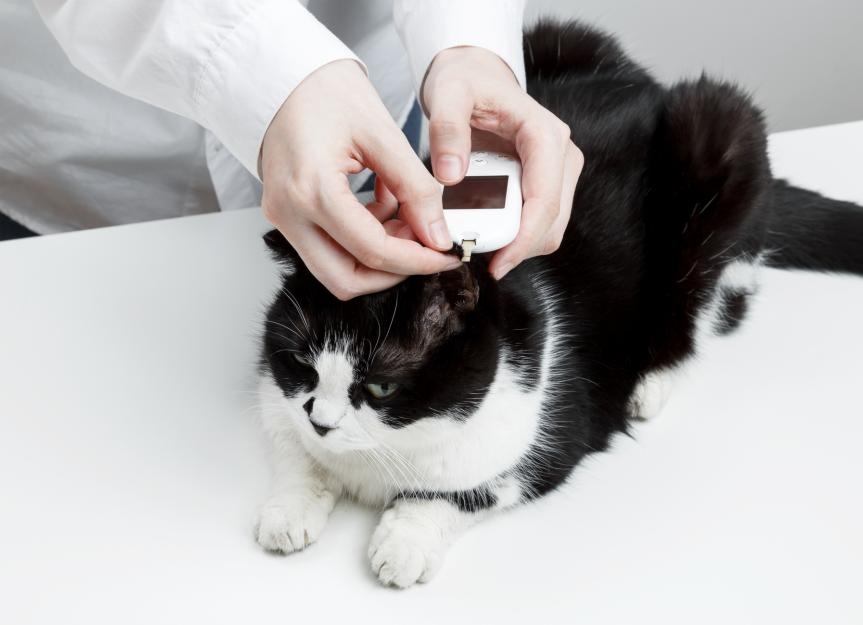
Credit: www.petmd.com
Signs And Symptoms
Cats can develop diabetes, showing signs like increased thirst, frequent urination, and weight loss. Spotting these symptoms early can help manage the condition effectively. Regular vet check-ups are crucial for monitoring their health.
Understanding the signs and symptoms of diabetes in cats can make a world of difference in managing their health. Cats, like humans, can suffer from diabetes, and being able to spot the early signs can lead to better outcomes for your feline friend. This section will guide you through the most common symptoms, helping you to recognize if your cat might be experiencing this condition.Excessive Thirst
Has your cat suddenly started drinking more water than usual? Increased thirst is one of the first signs of diabetes in cats. If your cat seems glued to the water bowl, it’s time to pay attention. This isn’t just a quirky new habit; it could be a cry for help from their body.Frequent Urination
With excessive thirst comes the need to urinate more often. You might notice your cat visiting the litter box more frequently, or that you’re having to clean it out more than usual. This change in behavior can indicate a problem with their blood sugar levels.Increased Appetite
It’s natural to think a hungry cat is a healthy cat, but a sudden increase in appetite could be alarming. If your cat is eating more but not gaining weight, it may be a sign their body isn’t processing food effectively. This is a red flag for potential diabetes.Weight Loss
Despite eating more, a diabetic cat might still lose weight. This is because their body can’t properly absorb the nutrients from their food. If you’ve been noticing your cat’s collar getting looser or their frame looking slimmer, it’s time to consult your vet. Taking note of these symptoms is crucial for your cat’s health. Have you observed any of these signs in your cat? If so, it’s essential to consult with a veterinarian to ensure your furry friend gets the care they need. Remember, early detection can lead to a more manageable outcome. Your cat relies on you to notice these changes, so stay alert and responsive to their needs.Causes Of Diabetes In Cats
Diabetes in cats is a growing concern that many pet owners are facing. Just like humans, cats can develop diabetes, which is a chronic condition that affects their ability to produce or respond to insulin. Understanding the causes of diabetes in cats can help you take proactive steps to prevent it. Let’s dive into the key factors that contribute to this condition.
Genetic Factors
Some cats are genetically predisposed to diabetes. If your cat’s parents or siblings had diabetes, there’s a higher chance your feline friend might develop it too. This genetic link isn’t something you can change, but knowing it can help you stay vigilant. Regular check-ups can catch early signs and lead to better management.
Obesity
Obesity is a major risk factor for diabetes in cats. Carrying extra weight can lead to insulin resistance, making it hard for your cat’s body to process sugar. If your cat is overweight, consider reducing portion sizes and increasing playtime. A friend of mine noticed her cat’s energy levels spiked after she introduced more interactive toys.
Dietary Influences
The type of food your cat eats plays a critical role. High-carb diets can increase the risk of diabetes. Opt for protein-rich foods instead. Have you checked the label on your cat’s food recently? A simple switch to a healthier diet can make a big difference. Think about what changes you can make today to support your cat’s health.
Preventing diabetes in cats involves understanding these causes and making informed decisions. What steps will you take to ensure your cat stays healthy? Remember, small changes can lead to big improvements in your feline’s life.

Credit: www.lodivet.com
Diagnosis And Testing
Cats, just like humans, can develop diabetes. Diagnosing this condition involves specific tests. Early detection helps manage their health effectively. Understanding the testing procedures is crucial for cat owners.
Blood Glucose Tests
Blood glucose tests measure the sugar levels in a cat’s blood. Vets perform these tests to confirm diabetes. High glucose levels indicate a problem. Regular monitoring of blood glucose is essential for diabetic cats. It helps in adjusting their diet and medication. This test is simple and quick.
Urine Analysis
Urine analysis checks for glucose and ketones in the urine. Presence of glucose in urine suggests diabetes. Ketones indicate complications in diabetic cats. Vets use urine samples to assess diabetes severity. This test complements blood glucose testing. It provides a complete picture of the cat’s health.
Treatment Options
When your furry friend is diagnosed with diabetes, the road ahead might seem daunting. But fear not! With the right treatment plan, your cat can lead a healthy and happy life. Let’s dive into the available treatment options that can make a real difference.
Insulin Therapy
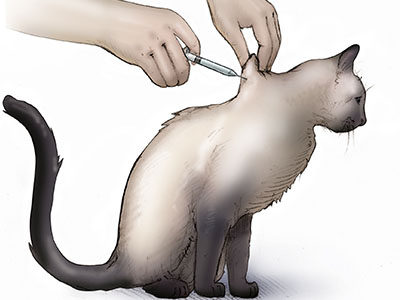
Insulin therapy is often the cornerstone of managing feline diabetes. Your vet will guide you on how to administer insulin shots, which help regulate your cat’s blood sugar levels. You might be surprised at how quickly your cat adapts to this routine.
It’s crucial to monitor your cat’s response. Keep a diary of their behavior and any changes you notice. This information is vital for your vet to make adjustments to the insulin dosage if needed.
Remember, consistency is key. Administer insulin at the same time each day. This creates a predictable pattern for your cat’s body to follow.
Dietary Management
Diet plays a significant role in managing your cat’s diabetes. Consider switching to a specialized diabetic cat food. These diets are typically high in protein and low in carbohydrates to help stabilize blood sugar levels.
A friend once shared that her diabetic cat thrived on a high-protein diet. The energy levels and playful attitude returned, much to her delight. This approach might be worth exploring for your feline friend.
Consult with your vet to determine the best dietary plan. Portion control is also important. Overfeeding can lead to weight gain, which exacerbates diabetes.
Exercise Regimen
Exercise is not just for humans; your cat needs it too! Regular activity can help manage their weight and improve insulin sensitivity. Encourage playtime with toys or laser pointers to get them moving.
Why not try scheduling short, daily play sessions? Even ten minutes can make a difference. You’ll notice your cat becoming more energetic and agile over time.
Observe their energy levels and adjust the exercise routine accordingly. Not all cats have the same stamina, and finding a balance is key to their well-being.
Are you ready to embark on this journey with your diabetic cat? With commitment and care, you can make a lasting impact on their health. Every small step counts in transforming their life for the better. Remember, you are not alone—your vet is there to support you every step of the way.
Managing Diabetes At Home
Cats can develop diabetes, just like humans. Symptoms include weight loss, increased thirst, and frequent urination. Managing diabetes at home involves monitoring their diet and regular vet check-ups. Understanding these signs helps in early detection and treatment, ensuring your cat stays healthy and happy.
Managing diabetes at home requires commitment and consistency. It may seem daunting at first, but with the right approach, it becomes manageable. Routine and attentiveness are key. By following specific steps, you can help your cat live a healthier life.Monitoring Blood Glucose
Regular monitoring of blood glucose is crucial. It helps in understanding how well your cat’s diabetes is controlled. You can use a glucometer at home for this purpose. Make sure to get a device suitable for cats. Some devices require only a small blood sample. This makes the process less stressful for your feline friend. Record the glucose levels daily. This helps in spotting any unusual trends or spikes.Administering Insulin
Administering insulin is a common part of managing cat diabetes. Your veterinarian will guide you on the correct dosage. It’s important to follow their instructions closely. Insulin is usually given through a small needle. Most cats tolerate this well. Establish a routine for insulin administration. Consistency in timing helps maintain stable blood sugar levels. Always monitor your cat for any reactions. If you notice anything unusual, contact your vet immediately.Preventing Diabetes In Cats
Diabetes in cats can be a serious health concern. Taking steps to prevent it is crucial. Many cat owners are unaware of simple measures that can help. By focusing on diet and exercise, you can make a big difference. These lifestyle changes can keep your cat healthy and happy.
Healthy Diet
A balanced diet is vital for a cat’s well-being. Feeding your cat high-quality food can prevent many health issues. Choose foods low in carbohydrates and high in protein. Wet food is often better than dry food for controlling weight. Always provide fresh water to keep your cat hydrated. Avoid overfeeding, as obesity is a major risk factor for diabetes.
Regular Exercise
Exercise helps control your cat’s weight and reduces diabetes risk. Encourage playtime daily to keep your cat active. Use toys like balls or feather wands to engage them. Climbing towers and scratching posts also promote movement. Regular activity can improve mood and health. Keep your cat entertained and moving for a healthier life.
Importance Of Veterinary Care
Diabetes in cats is a serious condition. Managing it requires proper veterinary care. Regular visits ensure early detection and effective treatment. Veterinary care helps maintain your cat’s health and happiness.
Regular Check-ups
Regular check-ups are crucial for detecting diabetes early. During a check-up, the vet examines your cat thoroughly. Blood tests reveal important information about your cat’s health. They help identify diabetes symptoms before they worsen. Early detection increases treatment success.
Professional Advice
Veterinarians provide professional advice tailored to your cat’s needs. They guide you on diet adjustments and medication. Expert advice ensures your cat receives the best care possible. Following their guidance can prevent complications. Your vet helps you manage diabetes effectively.
Frequently Asked Questions
How Can You Tell If A Cat Is Diabetic?
Diabetic cats often exhibit increased thirst, frequent urination, weight loss, and lethargy. A veterinarian can confirm diabetes through blood tests and urine analysis. Regular monitoring and treatment can help manage symptoms effectively. Early detection is crucial for maintaining your cat’s health and well-being.
Can Cat Diabetes Come On Suddenly?
Yes, cat diabetes can develop suddenly. Symptoms might appear quickly, including increased thirst, frequent urination, and weight loss. Early detection is crucial for effective management. Consult a veterinarian if you notice these signs to ensure proper care and treatment for your cat’s health.
Can A Cat Develop Diabetes Later In Life?
Yes, cats can develop diabetes later in life. Obesity and a sedentary lifestyle increase the risk. Regular veterinary check-ups help in early detection. Look for symptoms like increased thirst, frequent urination, and weight loss. Early intervention can manage and control feline diabetes effectively.
What Foods Cause Diabetes In Cats?
High-carbohydrate foods can lead to diabetes in cats. Dry kibble often contains too many carbohydrates. A diet rich in protein and low in carbohydrates is healthier for cats. Always consult a veterinarian for dietary advice.
Conclusion
Cats can indeed develop diabetes. This condition affects their health seriously. Proper diet and weight management help prevent it. Regular vet check-ups are crucial for early detection. Watch for signs like increased thirst and urination. Timely intervention can improve your cat’s quality of life.
Consult your vet for guidance on proper care. Keeping your cat active also reduces risk. Your furry friend’s health depends on these steps. Act now to ensure their well-being. A healthy cat is a happy cat.