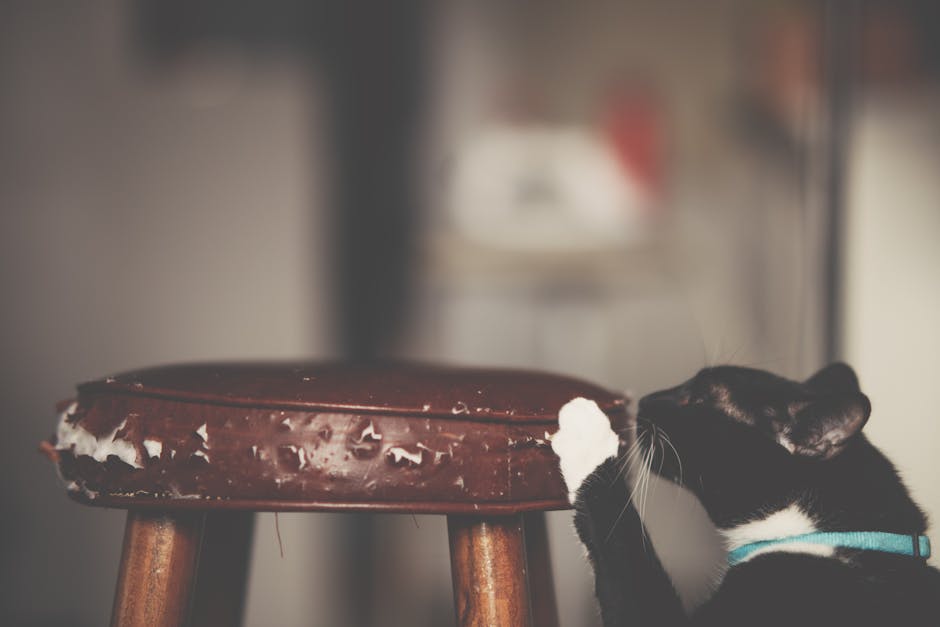
How Do You Get Your Cat to Stop Scratching Furniture: Proven Tips
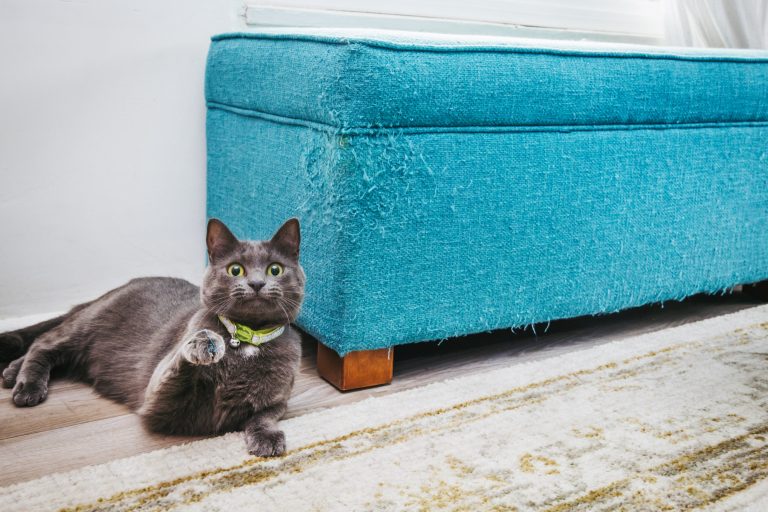
Are you tired of coming home to find your favorite couch shredded to bits? Does the sound of your cat’s claws on your furniture make you cringe?
You’re not alone. Many cat owners face the challenge of preventing their feline friends from turning their homes into personal scratching posts. But here’s the good news: you can stop the destruction while keeping your cat happy and your furniture intact.
Imagine a home where your sofa remains pristine and your cat feels at ease. This isn’t just a dream—it’s within your reach. Dive into this article to discover effective, humane strategies that will transform your living space and enhance your bond with your furry companion. Your stress-free, scratch-free home awaits!

Credit: www.washingtonpost.com
Understanding Cat Scratching Behavior
Cats scratch to mark territory and maintain claw health. Protect furniture by offering scratching posts. Use deterrents like double-sided tape to guide them to appropriate surfaces.
Understanding why your cat scratches furniture can be the first step in finding a solution. Scratching is not just an annoying habit; it’s a natural behavior with specific purposes. By grasping the reasons behind it, you can address the issue more effectively.Reasons Cats Scratch
Cats scratch for several reasons that go beyond sharpening their claws. It’s their way of marking territory. Cats have scent glands in their paws, and scratching leaves both a visual mark and a scent. This dual marking can signal to other cats that the territory is claimed. Scratching is also a form of exercise. It helps cats stretch their muscles and maintain their physical health. Have you ever noticed how your cat stretches luxuriously before scratching? This is part of their routine to stay limber and fit. Lastly, scratching is a way for cats to relieve stress and frustration. Just like humans might pace or fidget, cats scratch to release pent-up energy. If your cat seems to scratch more when there are changes at home, like a new pet or visitor, this might be their way of coping.Instinctual Needs
Scratching fulfills instinctual needs that are deeply rooted in a cat’s nature. It’s not just a random act but a behavior that stems from their wild ancestors. Cats in the wild scratch trees to shed the outer layer of their claws, keeping them sharp for hunting. In a household setting, your furniture might be the closest alternative to a tree. Providing an appropriate outlet, like a scratching post, can help satisfy this need. Place it near their favorite scratching spots to encourage use. Consider the texture and height of a scratching post. Cats prefer sturdy and tall posts that allow them to stretch fully. Observe your cat’s scratching habits to choose the right type of post. Does it prefer horizontal or vertical surfaces? Make sure the post matches their preference. Understanding these instinctual needs can help you find a solution that works for both you and your feline friend. Wouldn’t it be great if you could redirect their natural behavior to something more appropriate?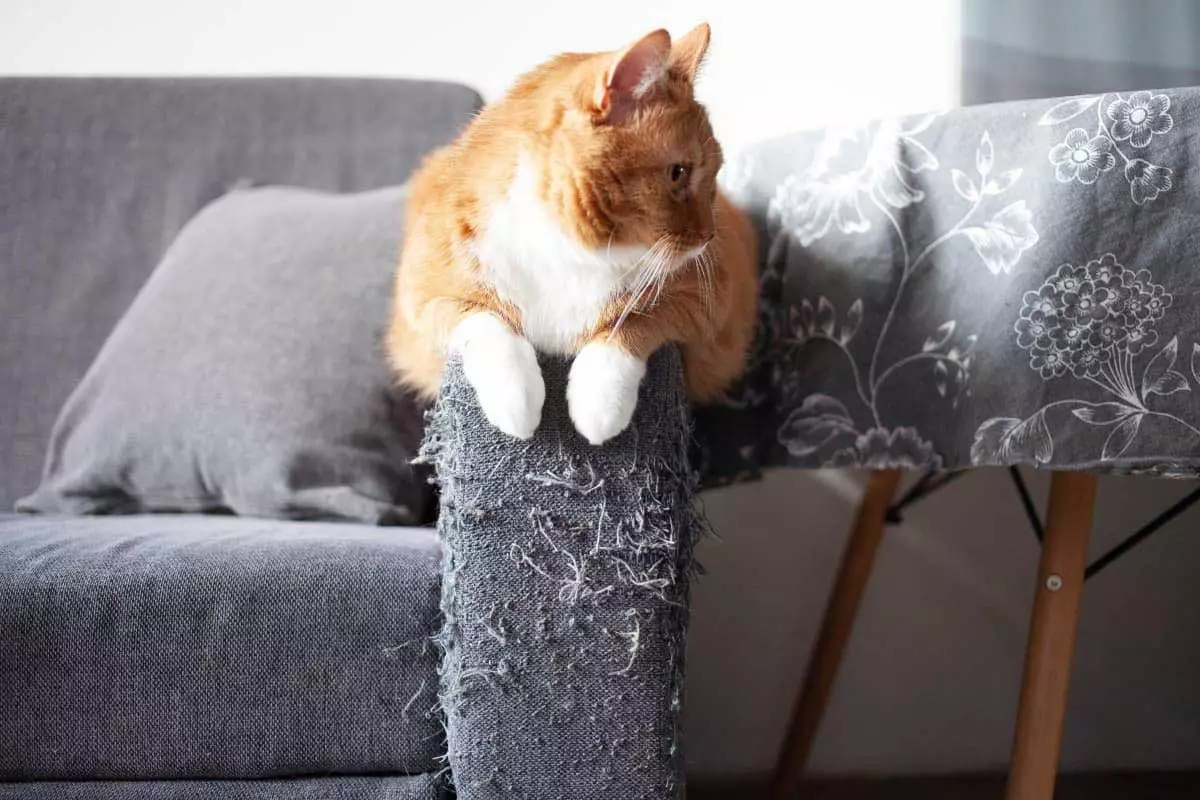
Credit: blog.homesalive.ca
Choosing The Right Scratching Alternatives
Scratching is a natural behavior for cats. To protect your furniture, offer alternatives. Choosing the right scratching options can save your couch and keep your cat happy. These alternatives need to be appealing and accessible to your feline friend. Understanding your cat’s preferences is key. Let’s explore some effective scratching alternatives.
Types Of Scratch Posts
Scratch posts come in many styles. Each cat has a different preference. Some prefer vertical posts. Others like horizontal scratchers. Sisal rope is a popular material. It’s durable and cats love it. Cardboard scratchers are also a hit. They are affordable and replaceable. Consider your cat’s habits. Try different types to see which they like best.
Placement Strategies
Where you place scratch posts matters. Put them near furniture your cat scratches. This diverts their attention. Cats also like to scratch after waking up. Place a scratcher near their sleeping area. Try different spots around the house. Observe where your cat spends time. Make the scratcher easy to access.
Training Techniques
Training your cat to stop scratching furniture requires patience and consistency. Various techniques can help direct their natural scratching instincts. These methods aim to encourage positive behavior while discouraging damage to your home.
Positive Reinforcement
Positive reinforcement works wonders with cats. Reward them when they scratch designated areas like scratching posts. Treats, petting, or verbal praise can motivate them. Make these rewards immediate to connect the action with the reward.
Consistency is crucial. Keep rewarding them each time they choose the right place to scratch. Over time, they’ll learn where it’s acceptable to scratch.
Discouraging Unwanted Scratching
Discouraging unwanted scratching involves making furniture less appealing. Use deterrents like double-sided tape or aluminum foil on surfaces. Cats dislike sticky or noisy textures. This encourages them to seek other places to scratch.
Provide alternatives nearby. Place scratching posts close to areas they often target. Redirect their behavior by guiding them to these posts. Engage them with toys or play near the new scratching areas.
Training takes time. Be patient and consistent with these techniques. Your cat will learn and adapt with your guidance.
Protecting Furniture
Scratching is a natural behavior for cats. It helps them mark their territory and keep their claws healthy. But it can be frustrating when they target your furniture. Protecting your furniture is essential to maintain a peaceful home. There are effective strategies to keep your cat from scratching furniture.
Let’s explore some simple ways to protect your beloved furniture.
Using Furniture Guards
Furniture guards are a practical solution. They shield your furniture from sharp claws. These guards are easy to install and can save your furniture from damage. Choose transparent guards to maintain the look of your decor. Place them on areas your cat likes to scratch. This provides a physical barrier against unwanted clawing.
Furniture guards are affordable and easy to find. Many pet stores offer various options. Keep your furniture safe and your cat happy.
Applying Deterrents
Deterrents can be very effective. They discourage cats from scratching specific spots. Use sprays with scents cats dislike. Citrus or lavender scents work well. Apply deterrents on the scratched areas. This helps train your cat to avoid these spots.
Another option is double-sided tape. Cats dislike the sticky feeling. Place it on the scratched areas. This deters them from approaching the furniture.
Combine deterrents with positive reinforcement. Praise your cat when it uses a scratching post. This encourages good behavior.
Regular Nail Maintenance
Scratching is a natural behavior for cats. It helps them stretch and mark territory. Regular nail maintenance can minimize damage to your furniture. Keeping your cat’s nails trimmed reduces the urge to scratch.
Trimming Techniques
Trimming your cat’s nails is essential. It is best to start when they are young. Use cat nail clippers for the job. Hold your cat gently and calmly. Press their paw to extend the nail. Trim only the sharp tip to avoid the quick. Make nail trimming a routine. Reward your cat after each session. This makes the process easier over time.
Benefits Of Nail Caps
Nail caps are small, soft covers for cat nails. They are safe and easy to apply. Nail caps prevent sharp nails from scratching. They come in various sizes and colors. Nail caps last about four to six weeks. They fall off naturally as the nail grows. Applying nail caps can save your furniture from scratches. They offer a humane solution to scratching problems.
Creating A Cat-friendly Environment
Encourage your cat to scratch designated areas by providing sturdy scratching posts. Use deterrents like double-sided tape on furniture. Reward your cat with treats when they use the scratching post.
Creating a cat-friendly environment is essential to keep your feline friend happy and prevent unwanted behaviors like scratching furniture. Cats scratch to mark their territory, stretch their muscles, and maintain their claws. By tailoring your home to meet your cat’s needs, you can protect your furniture and ensure your cat feels secure and entertained.Engaging Play Areas
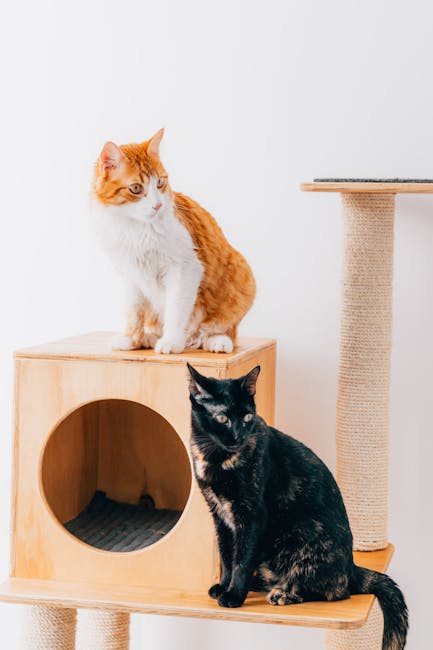
Cats are naturally curious and energetic. To channel this energy positively, create engaging play areas around your home. Use a combination of vertical spaces, like cat trees and shelves, and horizontal spaces with toys and scratching posts. You could dedicate a corner of your living room to a cat playground. Place a variety of toys, such as feather wands and balls, and rotate them regularly to keep things interesting. This not only helps in reducing furniture scratching but also strengthens your bond with your cat.Stress Reduction Tips
Stress can trigger excessive scratching. Consider what might be stressing your cat. Is there a new pet in the house or a change in routine? Create a calm environment by providing hiding spots and cozy beds. Cats love to have their own safe space. A quiet, comfortable area can help reduce anxiety and the urge to scratch. Consistency is key. Keep feeding times regular and maintain a routine your cat can rely on. This stability reduces stress and helps your cat feel more at ease. Have you ever noticed your cat scratching more when you’re busy or away? Offering interactive toys or a window perch can provide distraction and comfort in your absence.
Credit: wb-iisg.com
Frequently Asked Questions
How Do I Get My Cat To Stop Scratching My Couch?
Provide a scratching post near the couch. Use double-sided tape or a furniture protector. Reward your cat with treats for using the post. Use catnip to attract them to the scratching post. Trim your cat’s nails regularly.
How To Punish A Cat For Scratching A Couch?
Redirect your cat’s attention with toys or scratching posts. Use deterrent sprays on the couch. Reward positive behavior. Avoid physical punishment, as it can harm the bond. Consistency and patience are key for training.
At What Age Do Cats Stop Clawing?
Cats typically stop excessive clawing around 1 to 2 years old. Training and providing scratching posts can help. Regular nail trimming can also reduce unwanted clawing behavior.
How Do You Scratch Proof Furniture From Cats?
Use furniture covers to protect surfaces from cat scratches. Provide scratching posts nearby to distract them. Trim their nails regularly to reduce damage. Apply double-sided tape or aluminum foil on furniture to deter scratching. Consider using cat-friendly sprays to discourage them from approaching certain areas.
Conclusion
Teaching your cat not to scratch furniture takes patience. Start with understanding their needs. Provide scratching posts and toys. Consistency is key. Praise them when they use the right spots. Redirect them gently from furniture. Use deterrents if necessary. Keep their nails trimmed to minimize damage.
Remember, scratching is natural for cats. It helps with stretching and nail health. Be patient and persistent. Over time, your cat will learn better habits. Your furniture will thank you. And your home will stay cozy and intact. Happy cat, happy home.