How Can I Stop Cat from Scratching Furniture: Proven Tips
You’ve just invested in a beautiful new couch, and your cat sees it as the perfect scratching post. Sound familiar?
If you’re frustrated with the sight of shredded furniture and wondering how to put an end to this feline habit, you’re not alone. You’re about to discover simple, effective strategies that will help you protect your furniture without compromising your cat’s natural instincts.
Imagine a home where your furniture stays pristine, and your cat remains happy and healthy. Intrigued? Stay with us as we explore practical solutions that work, so you can reclaim your living space while keeping your furry friend satisfied.
Causes Of Scratching
Cats scratch furniture to mark territory and keep their claws sharp. Providing scratching posts can help redirect this behavior. Regularly trim your cat’s nails to reduce damage and use deterrents like double-sided tape on furniture.
Understanding the reasons behind your cat’s scratching behavior can be the first step in protecting your furniture. Scratching is a natural and important activity for cats, fulfilling several instinctual and physiological needs. Let’s explore the main causes of why your feline friend might be targeting your couch or chairs.Natural Instincts
Cats have an innate need to scratch, driven by their ancestry as hunters. Scratching helps them sharpen their claws, which is crucial for hunting and self-defense. Even if your cat never steps outside, this instinct remains strong. You might notice that your cat scratches more vigorously after waking up, as this activity also aids in shedding the outer layer of their claws.Marking Territory
Scratching is also a way for cats to mark their territory. Cats have scent glands in their paws, and scratching leaves both a visual mark and a scent that signals ownership. This behavior is more pronounced in multi-cat households, where competition for territory might be higher. If your cat frequently scratches the same spot, they are likely marking it as their own safe haven.Exercise And Stretching
Scratching provides essential exercise and helps cats stretch their muscles. It’s similar to how you might stretch after sitting for a long time. Scratching allows them to work out tension and maintain their agility. Encourage your cat to exercise by providing scratching posts and boards in areas where they love to lounge. Ever noticed how your cat seems to scratch more when they’re feeling playful or energetic? This activity is a great way for them to burn off excess energy. By understanding these motivations, you can create a more harmonious living environment for both you and your cat. What changes will you make to accommodate these natural behaviors and save your furniture?
Credit: www.greensafaris.com
Choosing The Right Scratching Post
Choosing the right scratching post can make a world of difference in stopping your cat from turning your furniture into their favorite scratching spot. It’s not just about picking any post; it’s about finding one that your feline friend will love and use. Let’s dive into what you need to consider to make the best choice for your cat.
Types Of Scratching Posts
Scratching posts come in various shapes and sizes, each catering to different cat preferences. Some cats prefer vertical posts, which allow them to stretch upward and work their claws. Others might enjoy horizontal scratchers that they can dig into from a comfortable lying position.
Think about your cat’s scratching style. Do they like to reach up or scratch flat surfaces? Observing their behavior can help you choose a post they’ll actually use.
Placement Tips
Placement is key. You can’t just hide the scratching post in a corner and expect your cat to use it. Position it in areas where your cat spends the most time, like near their favorite lounging spots or close to the furniture they usually target.
Consider placing it near windows or areas with a view. Cats love to scratch and watch the world go by, so make it convenient for them to indulge in both activities.
Material Preferences
Material matters. Cats have different preferences when it comes to what they like to scratch. Sisal is a popular choice due to its durability and texture that many cats find satisfying. Other cats might prefer carpet-covered posts or corrugated cardboard.
Experiment with different materials to see what your cat enjoys. You might be surprised to find that your cat has a strong preference for one over the other.
Choosing the right scratching post involves a bit of trial and error, but it’s well worth it when you finally find the one that keeps your cat happy and your furniture safe. What type of scratching post do you think your cat would prefer? Maybe it’s time to add one to your home and see the difference!
Training Techniques
Stopping your cat from scratching furniture requires patience and technique. Provide scratching posts nearby as a distraction. Use sticky tape on furniture to deter them.
Training your cat to stop scratching furniture can feel like a battle, but with the right techniques, it becomes a rewarding journey. It’s not just about saving your sofa; it’s about understanding your cat’s natural instincts and guiding them gently to more appropriate outlets. Let’s dive into some effective methods that can help you manage this challenge.Positive Reinforcement
Positive reinforcement is a powerful tool in training your cat. Reward your cat with treats or affection when they use a scratching post instead of the sofa. This encourages them to repeat the behavior. Think of it as teaching a child to say “please” by giving them a cookie each time they do. Consistency is key here. If your cat scratches the post only once, don’t expect them to remember it the next day. Make it a habit to celebrate their good behavior. Ask yourself: How often do you reward your cat? It might be time to up the ante.Redirecting Scratching Behavior
Redirecting your cat’s scratching behavior involves offering them alternatives. Place scratching posts or mats near the furniture they usually target. If your cat loves the corner of the couch, that’s where the post should be. Observe your cat. Do they prefer horizontal or vertical surfaces? Choose a scratching post that matches their preference. By understanding your cat’s likes and dislikes, you can effectively guide their behavior away from your beloved couch.Using Deterrents
Using deterrents can discourage your cat from scratching furniture. Consider applying double-sided tape or a citrus-scented spray to the areas they target. Cats dislike sticky surfaces and strong smells. However, it’s not just about deterrents. Combine them with positive reinforcement and redirecting techniques for a comprehensive approach. Reflect on this: Would you rely solely on deterrents without rewarding good behavior? Balance is crucial. Through these methods, you’ll find a harmonious way to protect your furniture while nurturing your cat’s natural instincts.Protecting Furniture
Cats scratch furniture to mark territory and keep their claws healthy. Redirect their attention using scratching posts nearby. Cover furniture with protective materials or use deterrent sprays.
Protecting your furniture from cat scratches can feel overwhelming. Cats naturally scratch to mark territory and maintain their claws. This behavior, though instinctive, can damage furniture. Luckily, there are strategies to help protect your beloved pieces. Explore options that keep both you and your cat happy.Furniture Covers
Using furniture covers is a straightforward solution. They act as a barrier against sharp claws. Choose covers made from durable materials. Options like denim or thick cotton work well. These materials withstand frequent scratching. They also add a protective layer without compromising style. Keep your furniture looking fresh and new.Sticky Tape Solutions
Sticky tape can deter cats from scratching. Cats dislike the sticky sensation on their paws. Apply double-sided tape to your furniture’s favorite scratching spots. This method is simple and effective. It can train cats to avoid those areas. Over time, they’ll associate furniture with discomfort.Repellent Sprays
Repellent sprays are another useful tool. They contain scents that cats find unpleasant. Spray them on areas prone to scratching. Opt for pet-friendly, non-toxic formulas. These sprays are safe for both cats and humans. They create a no-scratch zone, protecting your furniture.Maintaining Claw Health
Cats naturally scratch to keep their claws healthy and mark territory. Protect furniture by providing scratching posts and pads. Regularly trim cat’s claws to reduce damage and encourage their use of designated scratch areas.
Maintaining claw health is crucial in ensuring your cat’s overall well-being and can significantly reduce furniture scratching. Healthy claws not only prevent discomfort for your feline friend but also discourage destructive behaviors. By actively managing your cat’s claw health, you can create a harmonious living environment for both you and your pet.Regular Claw Trimming
Regular claw trimming is essential for preventing damage to your furniture. Cats naturally scratch to shed old claw sheaths and maintain sharpness. If left unattended, their claws can become overgrown and more likely to snag on surfaces. Consider setting a routine for trimming your cat’s claws every couple of weeks. Use a cat-specific nail clipper for a safe trim. If you’re unsure, consult your vet for guidance. Have you noticed your cat’s discomfort post-trim? This often stems from cutting too close to the quick, which is the sensitive part of the claw. Aim to trim just the tip to avoid this. Regular trims can make this easier, as you become more familiar with your cat’s claws.Providing Claw Care Tools
Offering claw care tools can significantly deter your cat from scratching furniture. Scratch posts and pads are excellent options that fulfill your cat’s natural urge to scratch. Place them near commonly scratched furniture to redirect your cat’s attention. Have you ever seen your cat ignore a new scratch post? Sometimes, it’s about placement and encouragement. Try sprinkling a bit of catnip on the post to attract your feline friend. Explore various types of scratchers. Some cats prefer vertical posts while others enjoy horizontal pads. Observe your cat’s preferences and adjust accordingly. Providing the right tools can lead to happier cats and intact furniture. Creating a claw-friendly environment is not just about preventing damage; it’s about understanding your cat’s needs. How often do you check your cat’s claws? Regular attention to claw health can transform their behavior and your home dynamics.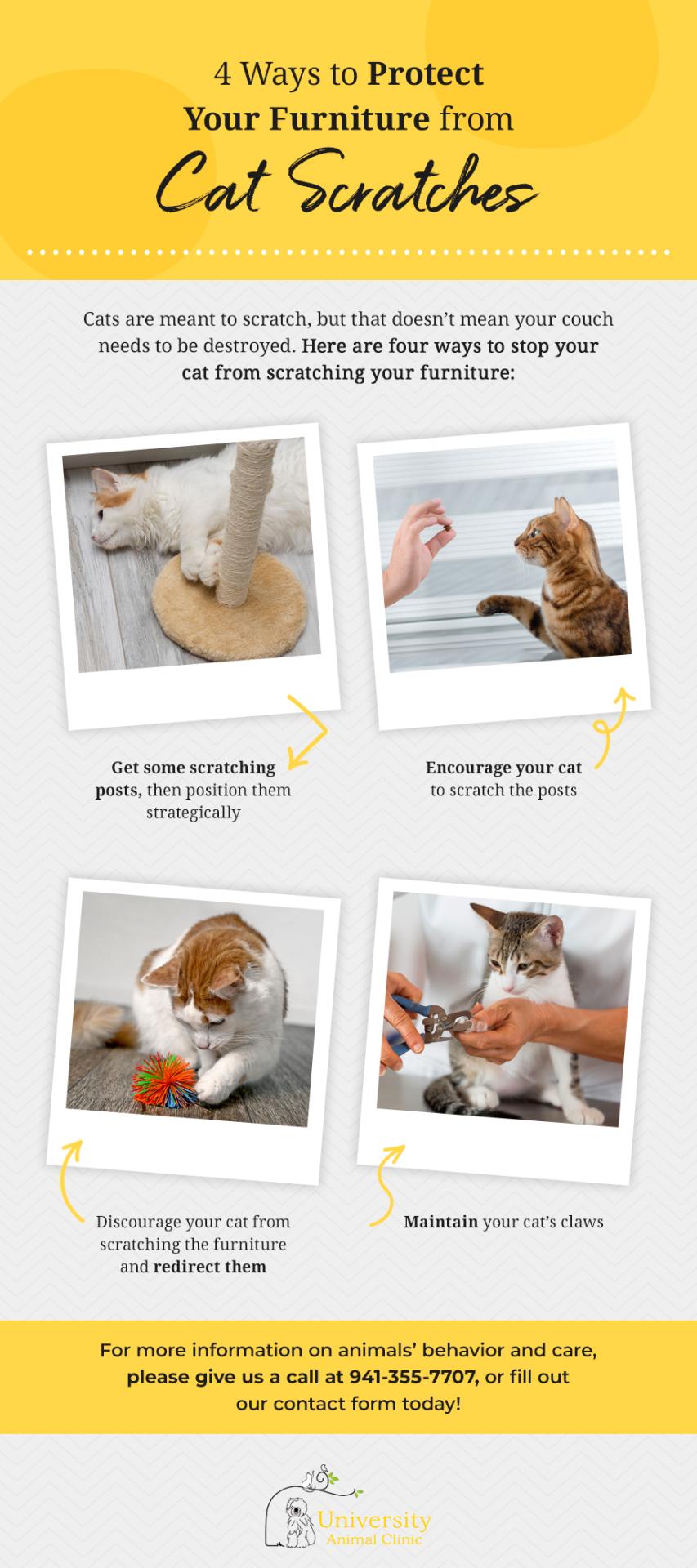
Credit: www.theuniversityanimalclinic.com
Behavioral Solutions
Cats love to scratch, but keeping furniture safe is possible. Provide scratching posts to divert your cat’s attention. Use deterrent sprays on furniture to discourage scratching.
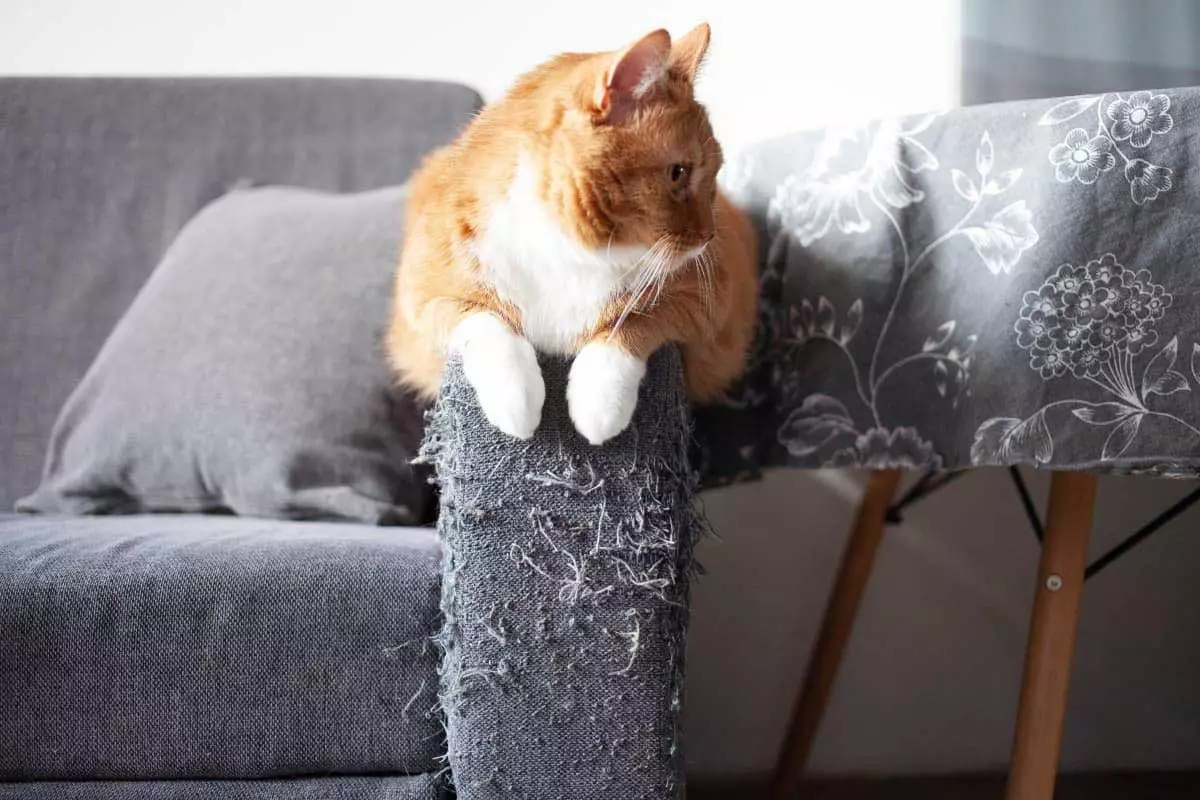
Behavioral Solutions If your cat is using your furniture as a scratching post, you’re not alone. This common feline behavior can be more than just a nuisance; it can lead to damaged furniture and frayed nerves. But before you consider declawing—a painful and unnecessary procedure—consider some behavioral solutions that can help guide your cat’s natural instincts in a more furniture-friendly direction. Understanding your cat’s behavior is key to finding the right solution.Understanding Stress Factors
Cats often scratch furniture due to stress or anxiety. Changes in their environment, like moving to a new home or the arrival of a new pet, can trigger this behavior. Take a moment to assess any recent changes in your home. If your cat seems stressed, they might be trying to communicate discomfort through scratching. Consider small adjustments that can alleviate stress, such as maintaining a consistent routine or providing a quiet space for your cat to retreat.Creating A Stimulating Environment
A bored cat is more likely to scratch furniture out of sheer frustration. Keep their mind engaged and their claws busy with a stimulating environment. Add scratching posts or boards in areas where your cat spends the most time. This provides a suitable outlet for their need to scratch. In my experience, rotating toys and introducing new ones periodically can keep your cat entertained and less inclined to target your couch. Have you tried puzzle feeders? They not only stimulate your cat’s brain but also slow down their eating, which can be beneficial for their health.Addressing your cat’s behavioral needs with these solutions can lead to a happier pet and a happier home. What changes can you implement today to redirect your cat’s scratching habit?
Credit: blog.homesalive.ca
Frequently Asked Questions
How To Deter A Cat From Scratching A Couch?
Use a scratching post near the couch. Apply cat deterrent sprays on furniture. Trim your cat’s nails regularly. Offer positive reinforcement when your cat uses the scratching post. Use furniture covers or double-sided tape as a deterrent.
What Can I Spray On My Furniture To Keep Cats From Scratching?
Use a cat-safe, citrus-scented spray to deter scratching. Cats dislike citrus smells, keeping them away from furniture.
How Do You Scratch Proof Furniture From Cats?
Use furniture covers or scratch guards to protect surfaces. Provide scratching posts to divert attention. Trim your cat’s nails regularly. Use double-sided tape or deterrent sprays on furniture. Train your cat with positive reinforcement to use designated scratching areas.
At What Age Do Cats Stop Clawing?
Cats never completely stop clawing, as it’s a natural behavior. However, they may claw less as they age. Providing scratching posts and regular nail trims can help manage this behavior effectively.
Conclusion
Stopping your cat from scratching furniture takes patience. Use scratching posts to divert attention. Keep them near the furniture your cat likes to scratch. Reward your cat when it uses the post. Soft paws or nail caps can help too.
Trim your cat’s nails regularly. A little spray deterrent on furniture works well. Consistency is key. Stay calm and persistent. Your efforts will pay off. Soon, your furniture will be scratch-free. And your cat will be happier with new habits.
Enjoy the peace of a scratch-free home!