What Percentage of Black Cats are Female: Unveiling the Facts
Have you ever wondered about the mysteries surrounding black cats? These fascinating creatures have captured the curiosity of many.
But one question stands out: what percentage of black cats are female? Imagine discovering the secrets hidden behind the color of their fur and the gender dynamics at play. As you delve deeper into this intriguing topic, you’ll uncover surprising statistics and insights that challenge common perceptions.
By the end of this article, you’ll gain a fresh perspective on these enigmatic animals and learn how this knowledge might change the way you view your own feline friends. Ready to satisfy your curiosity and explore the world of black cats like never before? Let’s dive in!
Black Cat Genetics
Black cats are intriguing creatures. Their genetics are fascinating. Many wonder about the traits that make them unique. Let’s delve into how genes influence their fur color and gender.
Role Of Genes In Fur Color
Genes dictate fur color in cats. Black fur results from a dominant gene. This gene is known as the “B” gene. It produces a pigment called eumelanin. Eumelanin gives the fur its black color. Other genes can modify this color. They can create lighter shades or patterns.
Two black cats may look different. This happens due to genetic variations. These variations affect their fur shade and pattern. Gene interaction plays a key role here.
Gender Determination In Cats
Gender in cats is determined by chromosomes. Cats have two sex chromosomes: X and Y. Females have two X chromosomes. Males have one X and one Y chromosome. The combination of these chromosomes determines gender.
Genetics also influence traits linked to gender. Some traits are more common in females. Others are found more often in males. But gender does not affect fur color. Black fur can occur in both genders.
The percentage of black cats that are female varies. It depends on many factors. Breeding patterns and genetic inheritance play a role. But fur color alone does not decide gender.
Statistics On Black Cats
Black cats have intrigued cultures around the world for centuries. Their mysterious allure often leads to questions about their characteristics and population statistics. Understanding the numbers behind black cats, especially their gender distribution, can provide valuable insights for cat enthusiasts and potential pet owners. Let’s dive into some fascinating statistics about these enigmatic felines.
Global Population Of Black Cats
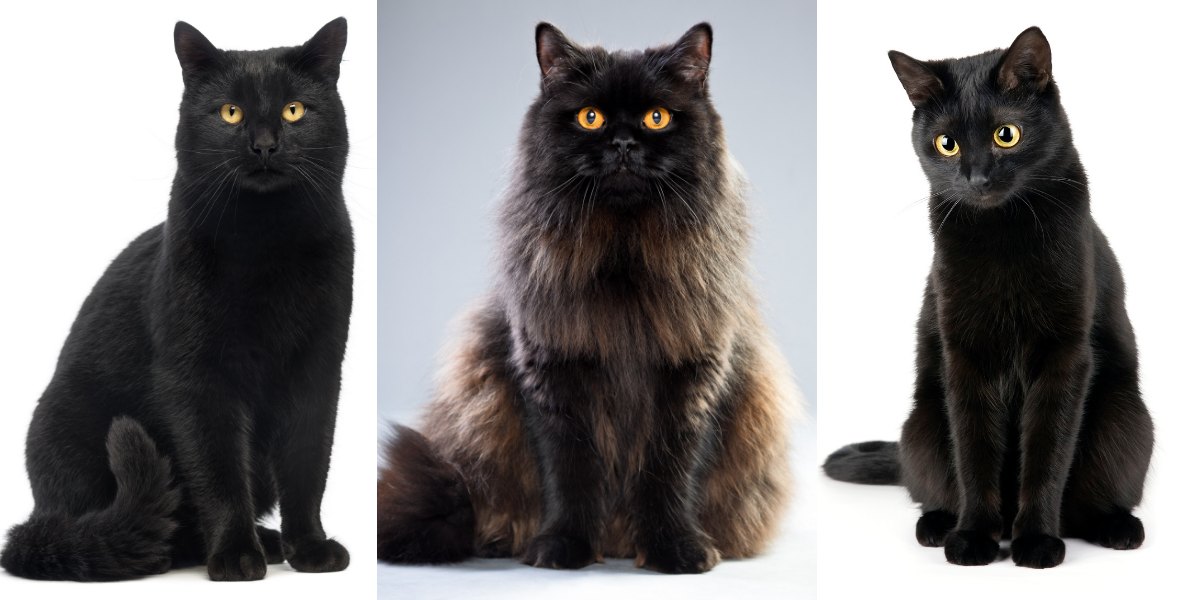
The global population of black cats is vast, given that they are a common color among various breeds. Many cat breeds, such as the Bombay and the British Shorthair, frequently exhibit this striking hue. Black cats are not exclusive to any single region; they can be found in homes and shelters across the globe.
In shelters, black cats often outnumber their counterparts due to their prevalent coloring. Despite myths that they are less likely to be adopted, awareness campaigns have helped improve their chances. Have you ever noticed how many black cats are featured in adoption ads? It’s no coincidence—they’re everywhere!
Gender Distribution In Black Cats
Gender distribution in black cats is an interesting topic. Generally, the distribution of male and female black cats is quite balanced, similar to other cat colors. However, some studies suggest slight variations depending on the breed and region.
For example, a casual survey of a local shelter might reveal a 50/50 distribution, but some anecdotal evidence suggests a minor skew towards males. Have you ever wondered if your neighborhood is home to more male or female black cats?
Understanding the gender distribution can help potential pet owners choose a pet that aligns with their preferences. If you’re considering adopting a black cat, why not check the local statistics to see what’s typical in your area?
While many statistics on black cats are gathered from shelters and rescue organizations, individual experiences can offer unique insights. When I adopted my first black cat, I was surprised to learn she was one of many females at the shelter. It made me wonder—are there subtle factors influencing these numbers?
Curiosity and research can lead you to surprising conclusions about these captivating creatures. So, what do the numbers say in your local shelter? Perhaps your next visit could reveal the unexpected.
Myths And Misconceptions
Myths and misconceptions about black cats have persisted for centuries. These beliefs often shape perceptions in surprising ways. Many wonder if there’s a gender bias among black cats. Some myths suggest a higher percentage of female black cats. But is this true?
Common Beliefs About Black Cats
Black cats have been associated with mystery and magic. Many cultures link them to witchcraft and bad luck. Some believe black cats bring fortune and prosperity. Others see them as omens of misfortune. These varied beliefs contribute to the fascination with black cats.
Gender myths also exist. Some people think female black cats are more common. This belief stems from old tales and superstitions. Yet, science shows no gender preference in black cat populations. Both male and female black cats are equally common.
Impact Of Superstitions On Perceptions
Superstitions affect how people view black cats. Fear of bad luck can lead to avoidance. Some choose not to adopt black cats, fearing misfortune. This impacts adoption rates negatively. These superstitions also influence breeding practices. Breeders might prefer certain colors, avoiding black cats.
Breaking these myths is important. Educating people can change perceptions. Black cats deserve love and attention, regardless of myths. Understanding the truth helps in appreciating these beautiful animals. It’s time to debunk myths and embrace black cats.
Scientific Studies
Understanding the gender distribution in black cats involves scientific research. Studies explore the link between coat color and gender. Researchers have studied many cats. They aim to understand patterns and anomalies. This research gives insight into how nature works.
Research On Cat Coat Colors
Scientists have long been fascinated by cat coat colors. They study genetics to understand color patterns. Black cats are a focus. Their genetics might reveal gender trends. Researchers collect data from various cat populations. They compare coat colors and genders. This helps identify any significant patterns.
Findings On Gender Ratios
Studies reveal interesting gender ratios among black cats. Black cats do not show a strong gender bias. The distribution is generally even. Some studies find slight variations. But these are not consistent. Black cats provide a valuable insight into nature’s diversity.
Cat Adoption Trends
Cat adoption trends have evolved over the years. More people are choosing to adopt cats. Shelters see a diverse range of preferences. Among these trends, black cats hold a unique place. Their mysterious charm attracts many adopters. But what percentage of black cats are female? This question intrigues cat lovers and researchers alike.
Preference For Black Cats
Black cats often face superstition. Yet, they have become popular in adoption. Their sleek appearance appeals to many. Some find them elegant and mystical. Shelter staff notice their growing popularity. During Halloween, interest spikes even more. Their unique allure draws in potential adopters. Black cats often find homes quicker than before.
Gender Preferences In Adoption
Adopters often have gender preferences. Some prefer male cats for their playful nature. Others choose females for their nurturing instincts. Shelters note these preferences influence adoption rates. Black cats may not follow typical trends. Gender preferences can vary widely. It’s not uncommon for adopters to choose based on behavior. The gender ratio among black cats can impact choices. Understanding these trends helps shelters match cats with homes.
Credit: www.petmd.com
Contributing Factors
Black cats captivate many with their mysterious charm, yet their gender distribution remains intriguing. Studies suggest the percentage of female black cats may differ across regions. Environmental factors and genetics play roles in this fascinating aspect of feline diversity.
Understanding what determines the gender of black cats can be fascinating. While the color black itself doesn’t influence gender, several factors do contribute to whether a black cat will be male or female. Exploring these factors can provide you with insights into the intriguing world of feline genetics and environmental influences.Influence Of Genetics On Gender
Genetics play a crucial role in determining the gender of black cats. The gender of a kitten is determined by the chromosomes it inherits from its parents. Female cats possess two X chromosomes, while male cats have one X and one Y chromosome. The gene responsible for a cat’s black fur is located on the X chromosome. This means that both male and female cats can inherit the black fur gene. However, the presence of an additional X chromosome in females allows for more genetic variation, which could potentially influence gender ratios in litters.Environmental Factors Affecting Gender
While genetics are a major factor, environmental conditions can also play a part in determining the gender of kittens. Temperature has been shown to influence gender ratios in some animal species, though it’s less clear how this affects cats. Consider a scenario where a litter of kittens is born during a particularly warm or cold season. Do you think these conditions might sway the balance of male to female kittens? Although evidence is sparse, it’s an intriguing thought that your local climate could have a say in the gender makeup of a litter. Engaging with these questions can deepen your appreciation for the complex factors influencing the gender of black cats. Next time you see a black kitten, you might wonder about the genetic and environmental journey it took to become who it is.Impact On Cat Welfare
The color of a cat can impact its welfare. Black cats often face unique challenges. Myths and misconceptions can affect their adoption rates. These issues may impact both male and female black cats. Understanding these challenges can help improve their welfare. Let’s explore the specific challenges they face and the initiatives to support them.
Challenges Faced By Black Cats
Black cats often struggle with adoption rates. Myths about bad luck persist. These myths can lead to neglect or abandonment. Black cats also face discrimination in shelters. They may be the last to be adopted. This situation can increase the time they spend in shelters. Longer stays can affect their mental and physical health. Shelters sometimes overcrowd, causing stress for these cats.
Initiatives To Support Black Cats
Many organizations work to improve black cats’ lives. They run awareness campaigns to dispel myths. These campaigns educate the public about the true nature of black cats. Some shelters offer discounts for adopting black cats. Special adoption events focus on finding homes for them. These initiatives can help increase adoption rates. By raising awareness, these efforts aim to improve welfare for black cats.
Credit: us.feliway.com
Credit: www.petmd.com
Frequently Asked Questions
Is It Rare To Get A Female Black Cat?
Female black cats are not rare. Black fur is a common trait across both genders in cats. Many breeds have black coats, making female black cats quite common. Black cats are often associated with myths, but they are just as prevalent as any other coat color in the feline world.
Is It Rare For A Black Cat To Be A Girl?
Black cats can be female or male. Gender distribution in black cats doesn’t differ from other cat colors. Both sexes are equally common. Black cat gender is not influenced by their coat color.
Which Cat Color Is Mostly Female?
Calico cats are mostly female. This is due to genetics linked to the X chromosome. Two X chromosomes are needed for the tri-color pattern, making calico cats primarily female.
Are 100% Black Cats Rare?
100% black cats aren’t extremely rare. Certain breeds, like the Bombay, often have entirely black coats. Their perceived rarity can vary by region and culture. Black cats can also appear less frequently in shelters due to superstitions. Nonetheless, they are not considered rare in general.
Conclusion
Understanding black cats is fascinating. Gender does not dictate their charm. Male or female, their mysterious aura captivates. Black cats often face unwarranted superstition. Yet, their beauty and grace remain undeniable. Each cat is unique, regardless of color or gender.
Pet lovers appreciate their gentle nature and playful spirit. Observing them reveals their intelligence and loyalty. Black cats deserve admiration and love. They enrich homes with joy and companionship. Embrace their individuality. Celebrate the diversity in the feline world. Whether male or female, black cats hold a special place in our hearts.