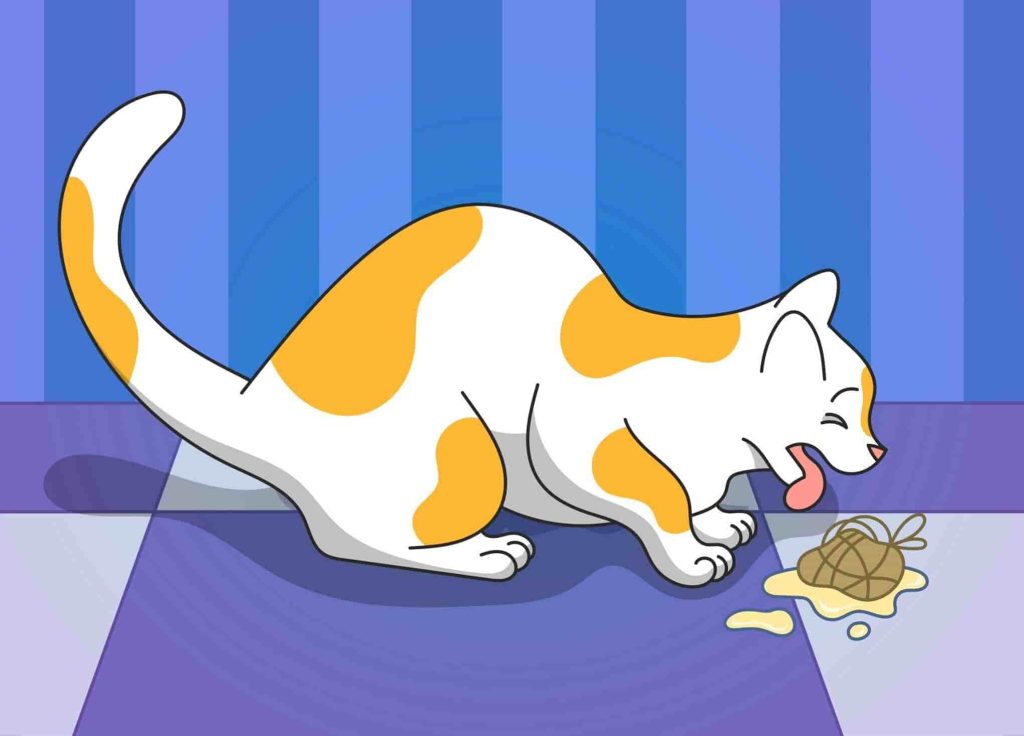
Does your cat often cough and gag, leaving you worried about what might be wrong? If so, you’re not alone.
Hairballs are a common issue for many cat owners, and they can be quite distressing for both you and your furry friend. Imagine how much better it would feel to know exactly how to help your cat and make those hairballs a thing of the past.
Understanding how to effectively manage and reduce hairballs can improve your cat’s health and your peace of mind. You’ll discover simple, actionable steps to prevent hairballs, ensuring your cat stays happy and healthy. Keep reading to find out how you can make a difference in your cat’s life today!

Credit: www.wikihow.com
Causes Of Hairballs
Cats are known for their grooming habits. While grooming, they swallow loose hair. This hair can form hairballs in their stomachs. Hairballs can lead to discomfort and health issues. Understanding the causes helps in managing them better.
Excessive Grooming
Some cats groom more than usual. This can be due to stress or anxiety. Excessive grooming increases the risk of hairballs. The more they lick, the more hair they swallow.
Seasonal Shedding
Cats shed more hair during certain seasons. This is especially true in spring and fall. More loose hair means more hairballs. Regular brushing can help manage this.
Long-haired Breeds
Long-haired cats are more prone to hairballs. Their coats shed more hair. This leads to more hair ingestion. Regular grooming is essential for these breeds.
Poor Diet
A diet lacking in fiber can increase hairball formation. Fiber helps move hair through the digestive tract. A balanced diet can reduce hairball issues.
Health Problems
Some health issues cause hairballs. Skin problems can lead to more shedding. Digestive issues can slow hair passage. Regular vet visits can identify these problems.

Credit: petite-store.com
Signs Of Hairball Problems
Hairballs are a common issue in cats, but they can sometimes lead to more serious problems. Recognizing the signs of hairball problems is crucial for keeping your feline friend healthy and happy. By paying attention to their behavior and physical condition, you can ensure timely intervention before complications arise.
Persistent Vomiting Or Gagging
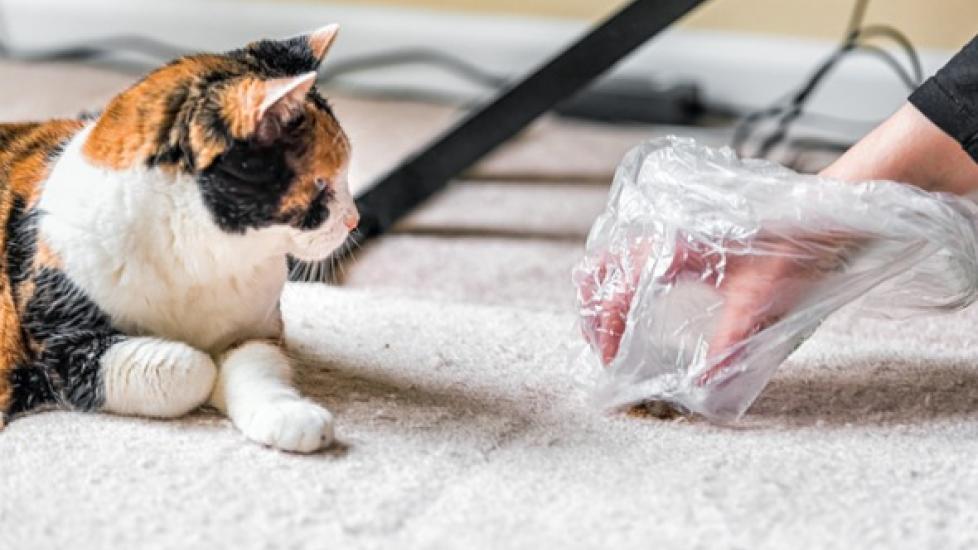
One of the most obvious signs of hairball troubles is frequent vomiting or gagging. If your cat is regularly trying to cough something up, it might be more than just an occasional hairball. Persistent vomiting can be uncomfortable and indicate a blockage. Keep track of how often this happens and consult your vet if it becomes a regular occurrence.
Loss Of Appetite
Is your cat suddenly uninterested in their favorite meals? A decreased appetite could mean they’re feeling unwell due to hairball buildup. Cats might avoid eating when they feel discomfort or nausea. This change in behavior is a red flag that shouldn’t be ignored, especially if it lasts more than a day or two.
Lethargy Or Lack Of Energy
Does your energetic cat seem to have lost their spark? Lethargy can be a sign that hairballs are causing internal issues. When a cat is dealing with a blockage, they might appear tired or less active than usual. This lack of energy can affect their overall well-being, so keep an eye on their activity levels.
Constipation Or Diarrhea
Digestive issues like constipation or diarrhea might signal hairball problems. Hairballs can obstruct the digestive tract, causing irregular bowel movements. Notice any changes in your cat’s bathroom habits? It’s a sign you shouldn’t ignore, as it could point to a more serious problem.
Swollen Abdomen
A visibly swollen abdomen is a concerning sign. This could mean that hairballs are causing a blockage inside your cat’s system. If you notice any unusual swelling, it’s time to seek veterinary advice. A swollen belly can lead to serious health issues if not addressed promptly.
What steps can you take when you spot these signs in your cat? Recognizing and addressing hairball problems early can prevent complications. Always consider your cat’s comfort and health a priority. Have you ever noticed any of these signs in your cat, and how did you handle it? Share your experiences and insights below!
Effective Grooming Techniques
Dealing with hairballs can be a real headache for cat owners. But did you know that effective grooming techniques can dramatically reduce the occurrence of these pesky problems? Regular grooming not only helps keep your cat’s coat shiny and healthy but also minimizes hair ingestion. Let’s dive into some practical grooming tips that will make both you and your feline friend happier.
Brushing Frequency
How often do you brush your cat? If you’re only doing it occasionally, you might want to reconsider. Regular brushing is essential. Aim to brush your cat at least once a week, but daily brushing is even better. This helps remove loose fur before your cat has a chance to swallow it during self-grooming.
I’ve found that my cat, Luna, loves her brushing sessions. I noticed fewer hairballs once I started brushing her daily. It became our bonding time, and she appreciates the attention. Why not make it a relaxing routine for both of you?
Choosing The Right Tools
Not all brushes are created equal. Choosing the right grooming tools can make a significant difference. Consider using a slicker brush for long-haired cats and a rubber brush for short-haired breeds. These tools effectively capture loose fur without causing discomfort.
When I switched to a slicker brush for Luna, the results were remarkable. It pulled out more fur and reduced her shedding significantly. Have you tried different brushes to see which your cat prefers? It could be a game-changer.
Grooming is more than just aesthetics; it’s a proactive way to keep hairballs at bay. What grooming techniques have you tried, and how have they worked for your cat? Share your thoughts below!
Credit: www.petmd.com
Dietary Adjustments
Hairballs can be a nuisance for both cats and their owners. Dietary adjustments can help reduce the frequency of hairballs. By choosing the right foods, you can improve your cat’s digestion and prevent hairball formation. Let’s explore some dietary changes that can make a difference.
Fiber-rich Foods
Fiber aids in moving hair through your cat’s digestive tract. It helps prevent hairballs. Including fiber-rich foods in your cat’s diet can be beneficial. Vegetables like pumpkin and carrots are great sources. You can mix small amounts into their regular meals. This simple addition can help manage hairballs effectively.
Specialized Cat Food
Many brands offer specialized cat food for hairball control. These products contain natural fibers. They aid in digestion and hair movement through the system. Look for labels that mention hairball control. Always choose a high-quality brand. Ensure it meets your cat’s nutritional needs. A gradual transition to this food is recommended. It helps your cat adjust without digestive issues.
Hydration Importance
Hydration plays a crucial role in preventing hairballs in cats. Cats often suffer from hairballs due to insufficient hydration. Proper hydration helps in smooth digestion and reduces hairball formation. Ensuring your cat stays hydrated is vital for its overall health.
Encouraging Water Intake
Make fresh water easily accessible to your cat. Cats often prefer running water. Consider using a pet water fountain. Some cats like drinking from taps. Ensure the water bowl is clean. Change the water daily. Add ice cubes to make water more appealing.
Wet Vs. Dry Food
Wet food can significantly boost your cat’s hydration. It contains higher water content compared to dry food. Cats often consume more water with wet food. Dry food can lead to dehydration. It lacks the necessary moisture content. Opt for a balance of wet and dry food.
Home Remedies
Hairballs are a common issue for many cat owners. Fortunately, home remedies can help manage this problem. They are simple, natural, and often effective. These remedies can ease your cat’s discomfort without frequent vet visits.
Olive Oil
Olive oil can be a helpful remedy for hairballs. It acts as a natural lubricant. This makes it easier for hairballs to pass through the digestive system. Add a teaspoon of olive oil to your cat’s food once a week. This can reduce the frequency of hairballs. Olive oil also promotes a shiny coat, which is an added benefit.
Pumpkin Puree
Pumpkin puree is another effective home remedy. It is rich in fiber, aiding digestion. Mix a spoonful of pumpkin puree with your cat’s food. This can help move hairballs through the digestive tract. Make sure to use plain pumpkin puree, not the spiced pie filling. Cats usually enjoy the taste, so feeding them pumpkin is easy.
Veterinary Interventions
Cats often face hairball issues. Sometimes, home remedies are not enough. Veterinary intervention becomes necessary. Professional help ensures your cat’s health and comfort. Vets offer various solutions to tackle stubborn hairballs.
Medical Treatments
Vets may prescribe specific medicines. These help in passing hairballs naturally. Lubricants can make it easier for hairballs to pass. Some medications dissolve hairballs in the digestive tract. Enzymatic treatments break down the hair and prevent blockages.
Surgical Options
In severe cases, surgery may be needed. Blocked intestines require immediate attention. Vets perform surgeries to remove large hairballs. It’s a necessary step to prevent further complications. Post-surgery, the vet provides care instructions.
Preventive Measures
Dealing with hairballs in cats can be a messy experience, but with the right preventive measures, you can reduce the chances of your feline friend coughing them up. While hairballs are a natural part of a cat’s life, there are steps you can take to minimize their occurrence. Let’s dive into some practical strategies to keep your cat healthy and your home hairball-free.
Regular Grooming
Regular grooming is an essential preventive measure. Brushing your cat’s fur helps remove loose hair, reducing the amount your cat ingests during self-cleaning. Make grooming a bonding activity. Your cat may initially resist, but patience and gentle strokes can turn it into a relaxing routine for both of you.
Consider the type of brush based on your cat’s coat. A slicker brush works wonders for long-haired cats, while a bristle brush is ideal for short-haired breeds. Regular grooming not only prevents hairballs but also keeps your cat’s coat shiny and healthy.
Dietary Habits
Diet plays a crucial role in managing hairballs. Adding fiber to your cat’s diet can help move ingested hair through the digestive system. Look for cat foods labeled specifically for hairball control. They often contain higher fiber content to aid digestion.
Think about integrating wet food into their diet. Wet food can help hydrate your cat, making it easier for hair to pass through their system. Don’t forget to consult your vet before making any significant dietary changes.
Do you notice an increase in hairballs during specific seasons? Seasonal shedding might be the culprit. Adjusting grooming frequency and diet based on seasons can make a difference.
By taking these preventive steps, you can help your cat lead a more comfortable life and keep your home cleaner. Are you ready to start a grooming routine or tweak your cat’s diet today?
Frequently Asked Questions
How Can I Help My Cat Pass A Hairball?
To help your cat pass a hairball, provide them with a specialized hairball formula cat food. Regularly groom your cat to reduce loose fur. Offer cat grass or fiber-rich treats to aid digestion. Ensure your cat stays hydrated by providing plenty of fresh water.
How Do You Get Rid Of Hairballs In Cats Naturally?
Feed your cat a high-fiber diet to prevent hairballs. Regular grooming helps reduce loose fur. Offer cat grass or fiber supplements for digestion. Ensure fresh water is always available to aid natural expulsion.
Does Dry Cat Food Cause Hairballs?
Dry cat food does not directly cause hairballs. Hairballs form from swallowed hair during grooming. Proper hydration and a balanced diet can help reduce hairball formation. Regular brushing also minimizes loose hair ingestion, promoting a healthier digestion process for your cat.
What Happens If A Cat Can’t Cough Up A Hairball?
A cat unable to cough up a hairball may experience digestive blockages, vomiting, or loss of appetite. Consult a vet if symptoms persist. Regular grooming and a high-fiber diet can help manage hairball issues. Always monitor your cat’s behavior for signs of discomfort or distress.
Conclusion
Keeping your cat free from hairballs is crucial for their health. Regular grooming can reduce hair ingestion. Offer a balanced diet with fiber-rich foods. This helps in smoother digestion. Ensure your cat stays hydrated. Fresh water is essential. Engage your cat in play.
It minimizes stress and reduces excessive grooming. Consider using hairball prevention products. They can be helpful. Always monitor your cat’s health closely. Consult a vet if issues persist. A healthy cat is a happy cat. Follow these simple steps. Your furry friend will thank you.