Is Feline Hiv Contagious to Other Cats? Uncover the Truth
Have you ever wondered about the risks of Feline HIV, commonly known as FIV, and whether it poses a threat to your other beloved cats? This concern is not just yours alone.
Many cat owners grapple with the fear of how this virus spreads and its potential impact on their furry family members. Understanding the nuances of FIV is crucial for ensuring the well-being of your feline companions. By diving into the details, you’ll discover essential insights that could protect your cats and alleviate your worries.
Stay with us to uncover the truth about FIV transmission and how you can keep your feline friends safe and healthy.

Credit: www.forsythpets.org
What Is Feline Hiv?
Feline HIV, also known as Feline Immunodeficiency Virus (FIV), affects cats worldwide. It weakens a cat’s immune system, much like HIV in humans. This virus makes cats more vulnerable to infections. Understanding FIV helps in providing better care for infected cats.
Origins And Characteristics
FIV was first identified in domestic cats in the 1980s. It shares similarities with human HIV but is specific to cats. The virus spreads mainly through bite wounds from infected cats. Male cats with outdoor access are at higher risk. Once infected, cats may not show symptoms for years. The virus weakens the immune system over time, making the cat susceptible to other infections.
Symptoms And Diagnosis
Infected cats might show no signs initially. Over time, symptoms may appear. These include fever, weight loss, and gum inflammation. Infections may occur more frequently due to a weakened immune system. A veterinarian can diagnose FIV through a blood test. Early detection helps manage the cat’s health better. Regular vet check-ups are essential for cats at risk of FIV. Proper care and monitoring can improve an infected cat’s quality of life.
Transmission Methods
Feline Immunodeficiency Virus (FIV) affects cats and raises many concerns. Understanding how FIV spreads is crucial for cat owners. The virus primarily spreads through specific transmission methods. Knowing these methods can help in protecting your feline friends from infection.
Direct Contact
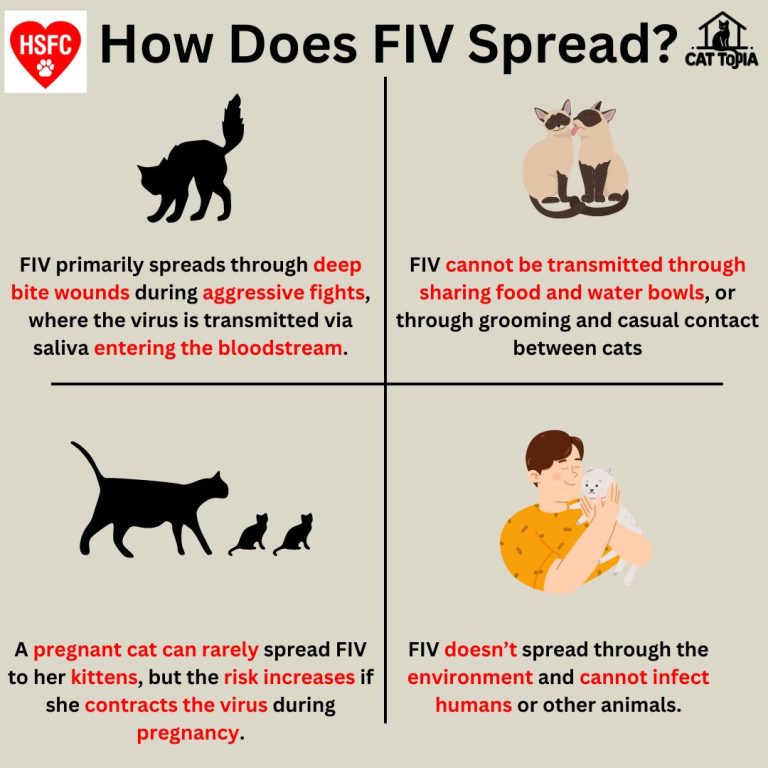
Direct contact is the most common way FIV spreads among cats. Cats often transmit the virus through bites during fights. Saliva containing the virus enters the bloodstream through wounds. Cats with territorial behaviors are more at risk. Also, intact male cats often fight, increasing infection chances. Playful biting rarely causes transmission.
Blood Transfusion
Blood transfusions can also transmit FIV between cats. This occurs if the donor cat is infected. Veterinary clinics usually screen blood for FIV before transfusion. Regular screening helps in preventing this transmission method. Always ensure blood comes from a healthy, FIV-negative cat.
Mother To Kitten
In some cases, mother cats pass FIV to their kittens. This transmission usually happens during birth. Also, infected mothers can pass the virus through milk. Kittens are vulnerable and need extra care. Regular testing of mother cats can help in early detection. Early detection reduces the risk to kittens.
Risk Factors
Understanding the risk factors for feline HIV is crucial for every cat owner. While this virus is primarily transmitted through deep bite wounds, it’s essential to consider various elements that might increase your cat’s risk. By identifying these factors, you can take proactive steps to protect your furry friend.
Environmental Influences
Your cat’s environment plays a significant role in its health. If your cat frequently roams outside, it might encounter stray cats that could carry the virus. Think about the neighborhood: are there many free-roaming cats around? A higher stray population increases the risk of encounters that might lead to bites.
Consider also the size of your household. Multiple cats living together can increase the chance of aggressive behavior and fights. It’s important to ensure each cat has enough space and resources to reduce stress and potential conflict.
Lifestyle And Behavior
A cat’s lifestyle is often a reflection of its owner’s habits and choices. If your cat is allowed to roam freely, it might engage in territorial disputes with other cats. Have you noticed your cat coming home with scratches or bite marks? Such signs could indicate risky interactions.
Additionally, some cats are naturally more aggressive or anxious than others. Observe your cat’s behavior—does it seem easily provoked or particularly defensive? These traits can lead to more frequent confrontations with other cats, increasing the risk of transmission.
Overall, consider how you can modify your cat’s environment and routine to minimize these risk factors. Can you provide more entertainment indoors to reduce its desire to roam? Are there ways to ease your cat’s stress to prevent aggressive behaviors? By addressing these questions, you can actively contribute to your cat’s safety and well-being.
Preventive Measures
Feline HIV, known as FIV, spreads primarily through bites among cats. Keeping cats indoors can reduce exposure risks. Regular vet check-ups and vaccinations help protect against infections.
Preventive Measures When it comes to safeguarding your beloved cat from feline HIV, understanding preventive measures is crucial. Though feline HIV isn’t as widely discussed as its human counterpart, it can be just as concerning. Fortunately, there are steps you can take to minimize the risk of transmission. Let’s delve into some practical ways to keep your feline friend safe.Vaccination Options
Did you know that there isn’t a vaccine for feline HIV? This might come as a surprise, but it’s true. Unlike other cat diseases, feline HIV requires different preventive strategies. Focusing on overall health can be beneficial. Regular vet check-ups and vaccinations for other diseases can strengthen your cat’s immune system. A strong immune system might help in resisting infections. Consider discussing with your vet about tailored health plans. This can ensure your cat is in its best health.Safe Interaction Practices
Think about the interactions your cat has. Do they mingle with many other cats? Limiting exposure to unknown cats can be a simple yet effective preventive measure. Supervised playdates with known healthy cats can be a safer option. This minimizes risk while still allowing social interaction. Keep an eye on any changes in your cat’s behavior or health. Early detection can make a huge difference in managing feline HIV. Creating a safe environment is key. How can you ensure your cat’s play area is secure and free from potential hazards? Consider regular cleaning and monitoring for any signs of illness among the cat community. By adopting these preventive measures, you can help ensure your feline friend lives a healthy and happy life. Are there any other practices you follow to protect your pet?Impact On Feline Communities
Feline HIV, known as FIV, spreads through bites during fights. It affects cat communities by weakening immune systems. Contagion risks increase in crowded spaces, impacting overall health and survival rates.
Feline HIV, also known as Feline Immunodeficiency Virus (FIV), influences feline communities profoundly. Understanding its impact is essential for cat owners and enthusiasts. FIV affects not only the health of infected cats but also the social dynamics within feline groups.Social Dynamics
Cats are social creatures, forming bonds and hierarchies. FIV can disrupt these natural interactions. Infected cats may face isolation due to perceived threats. This can alter the social structure within feline communities. Healthy cats might avoid those with symptoms, changing group dynamics. Owners should monitor interactions to ensure harmony.Health Implications
FIV weakens the immune system, making cats vulnerable. Infected cats might experience frequent illnesses. This impacts their quality of life and longevity. Regular vet visits are crucial to manage symptoms. Healthy cats should be protected from exposure. Vaccination and preventive measures help maintain community health. Understanding these impacts can guide better care strategies. This ensures healthier, happier feline communities.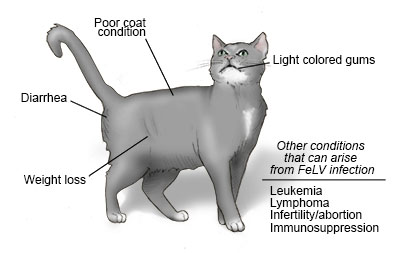
Credit: www.vet.cornell.edu
Myths And Misconceptions
Feline HIV, known as FIV, spreads between cats through bites. Sharing food or grooming does not transmit it. Misunderstandings often arise, causing unnecessary fear among pet owners.
Understanding feline HIV (FIV) and its transmission is crucial for cat owners. Myths and misconceptions abound, leading to unnecessary fear and confusion. By debunking these myths, you can make informed decisions about your pet’s health and well-being. Let’s delve into some common misunderstandings and scientific clarifications surrounding FIV.Common Misunderstandings
A widespread belief is that FIV is easily spread among cats through casual contact. Many think that sharing food bowls or grooming each other is enough for transmission. This isn’t true. FIV primarily spreads through deep bite wounds, which occur during aggressive fights. Another common myth is that cats with FIV can’t live long, healthy lives. People often assume an FIV diagnosis is a death sentence. However, with proper care, many FIV-positive cats can live a normal lifespan. Some owners fear that having an FIV-positive cat will endanger their other pets. This misconception often leads to unnecessary separation or rehoming. In stable, non-aggressive households, FIV-positive and negative cats can coexist safely.Scientific Clarifications
Scientific studies have shown that FIV is not as easily transmitted as many believe. Casual, everyday interactions between cats rarely lead to the spread of the virus. The virus is mainly found in saliva but requires a deep bite to enter the bloodstream and cause infection. Veterinary research confirms that with good healthcare, FIV-positive cats can remain asymptomatic for many years. Regular vet visits, a balanced diet, and a stress-free environment are key. It’s important to note that FIV is species-specific. It does not pose a risk to humans or other animals. Understanding this can help reduce fear and misconceptions about the disease. Have you ever considered how knowing the facts could change your approach to FIV? By separating myths from reality, you gain the power to provide the best care for your feline friends. Addressing these myths and misconceptions can alleviate unnecessary worry. You can create a peaceful, healthy environment for all your cats. Be informed, stay compassionate, and share your knowledge.Future Research Directions
Research explores if feline HIV spreads among cats. Understanding transmission can guide prevention and treatment strategies. This knowledge helps protect cat health.
Understanding the future research directions for Feline HIV is crucial in enhancing the health and longevity of our beloved feline companions. As we look ahead, it’s important to consider how advancements in medical treatments and studies on contagion can shape our approach to managing and preventing the spread of this virus among cats. The journey to safeguarding our pets is ongoing, with each discovery paving the way for more effective strategies.Advancements In Treatment
Recent advancements in treatment are promising, giving hope to cat owners and veterinarians alike. Researchers are continually working on developing more effective antiviral drugs that can improve the quality of life for cats with HIV. Imagine a future where Feline HIV is managed as effectively as diabetes or hypertension in humans. Vaccines are another area of focus. While a fully effective vaccine for Feline HIV is not yet available, ongoing studies are exploring possibilities. This area of research could potentially lead to groundbreaking developments that prevent the virus from taking hold in the first place.Studies On Contagion
Understanding how Feline HIV spreads is essential for controlling it. Studies are examining the exact modes of transmission, which can help in devising better preventive measures. You might wonder, could changes in a cat’s lifestyle reduce the risk of transmission? The role of genetics is also under investigation. Scientists are exploring whether some cats possess natural resistance to the virus. If certain genetic factors can be identified, this could lead to innovative ways to protect vulnerable feline populations. Future research offers exciting possibilities, but it also requires your attention and support. By staying informed and advocating for advancements, you play a vital role in the health of your cat and the wider feline community. What steps will you take to ensure your cat’s future remains bright?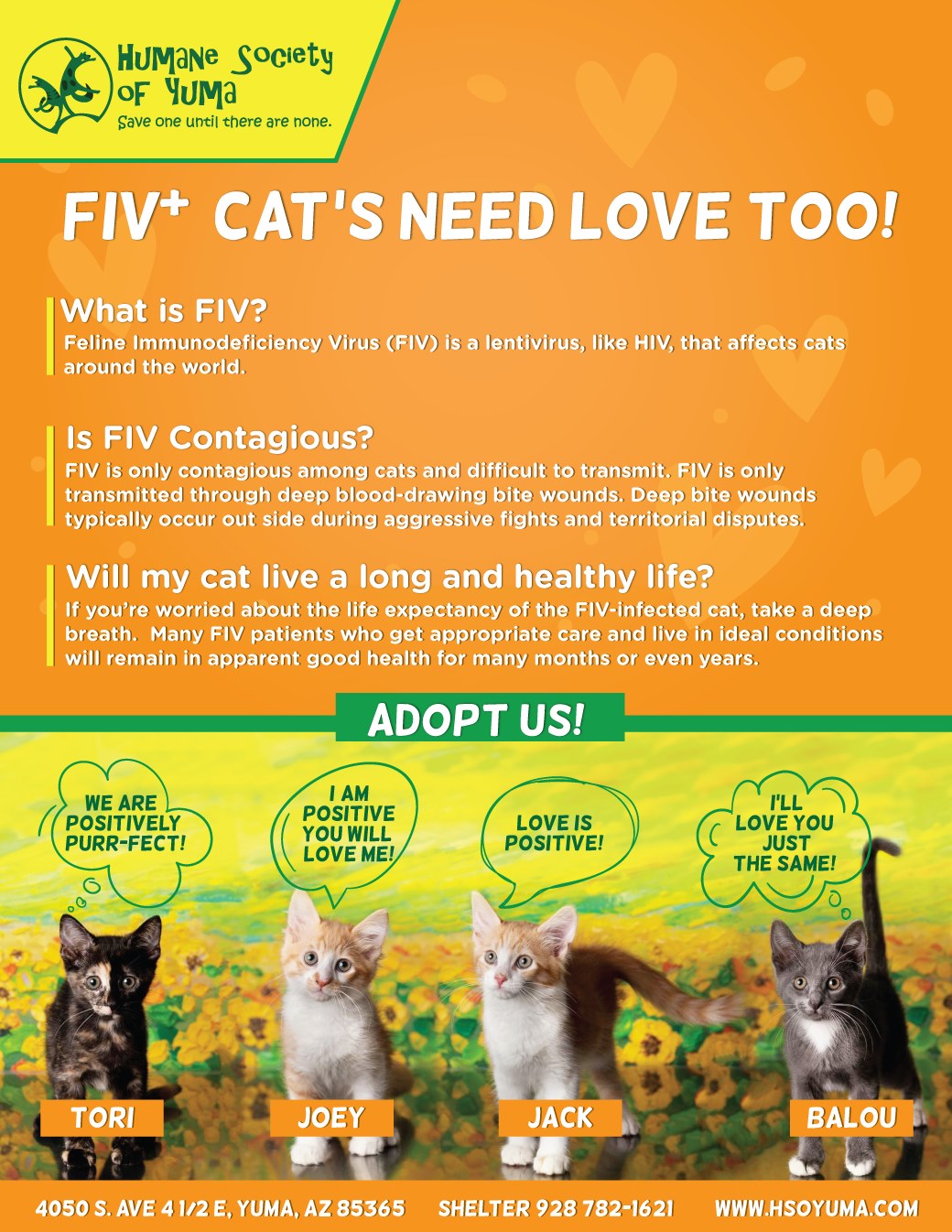
Credit: www.facebook.com
Frequently Asked Questions
Is Cat Hiv Contagious To Other Cats?
Yes, cat HIV, also known as FIV, is contagious to other cats. It spreads through bites and close contact. Keep infected cats separated to prevent transmission. Vaccination and regular vet check-ups can help manage the risk.
Can Cats With Fiv Share A Litter Box?
Yes, cats with FIV can share a litter box. FIV spreads through deep bite wounds, not casual contact. Ensure regular cleaning and monitor for any aggressive behavior.
Can A Cat Get Fiv From Biting Another Cat?
Yes, cats can get FIV from biting another cat. FIV spreads through saliva, primarily via deep bite wounds. Keeping cats indoors and neutered reduces risk. Regular vet check-ups help in early detection and management.
Should You Keep A Cat With Fiv?
Yes, you can keep a cat with FIV. Provide a loving, stress-free environment and regular vet visits. FIV-positive cats can live healthy, happy lives with proper care and attention. Ensure they remain indoors to prevent spreading the virus to other cats.
Conclusion
Understanding feline HIV is crucial for cat owners. This virus spreads among cats through bites. Regular vet visits can help detect early signs. Vaccinations and proper care reduce the risk of infection. Isolation of infected cats prevents spreading. Clean environments play a big role.
Awareness is key in managing this condition. Protecting your cat starts with knowledge. Stay informed and proactive. Your cat’s health depends on it. Keep them safe, healthy, and happy. Always prioritize their well-being.