Why Can’t Pregnant Women Change Cat Litter: Essential Facts
Have you ever wondered why pregnant women are advised to steer clear of changing cat litter? If you’re expecting or know someone who is, this may be a crucial piece of advice you’ve heard but might not fully understand.
As you prepare for the exciting new chapter of parenthood, every little detail about health and safety becomes increasingly important. While cats are adorable companions, their litter boxes can pose hidden risks that could affect your pregnancy. This article will unravel the mystery behind the cautionary advice, ensuring you and your little one stay safe and healthy.
Discover the reasons, the science, and the simple steps you can take to protect yourself and your growing baby. Keep reading to uncover the truth about cat litter and your pregnancy well-being.

Credit: propelbikes.com
Pregnancy And Toxoplasmosis
Pregnant women should avoid changing cat litter due to the risk of toxoplasmosis. This infection can harm unborn babies, causing severe health issues. Cats can carry the parasite, which is transmitted through their feces.
Pregnancy is a time of great joy and anticipation, but it also comes with its unique set of responsibilities and precautions. One such precaution is the handling of cat litter, a task often advised against for expecting mothers. This caution stems from concerns about a parasite called Toxoplasma gondii, which can lead to a condition known as toxoplasmosis. Understanding the relationship between pregnancy and toxoplasmosis is crucial for the health and safety of both the mother and the unborn child.What Is Toxoplasmosis?
Toxoplasmosis is an infection caused by the Toxoplasma gondii parasite. While the infection is generally harmless to most people, it poses significant risks during pregnancy. If a pregnant woman contracts toxoplasmosis, it can lead to serious complications such as miscarriage, stillbirth, or birth defects. The parasite can be found in undercooked meat, contaminated water, and, notably, in cat feces.How Do Cats Spread Toxoplasmosis?
Cats are known carriers of the Toxoplasma gondii parasite. They can shed the parasite in their feces, which can then contaminate litter boxes. If you accidentally come into contact with the contaminated litter and don’t wash your hands thoroughly, you risk ingesting the parasite. You might think, “I’ve been changing the litter for years without issues,” but pregnancy changes the dynamics significantly.Why Pregnant Women Should Avoid Changing Cat Litter
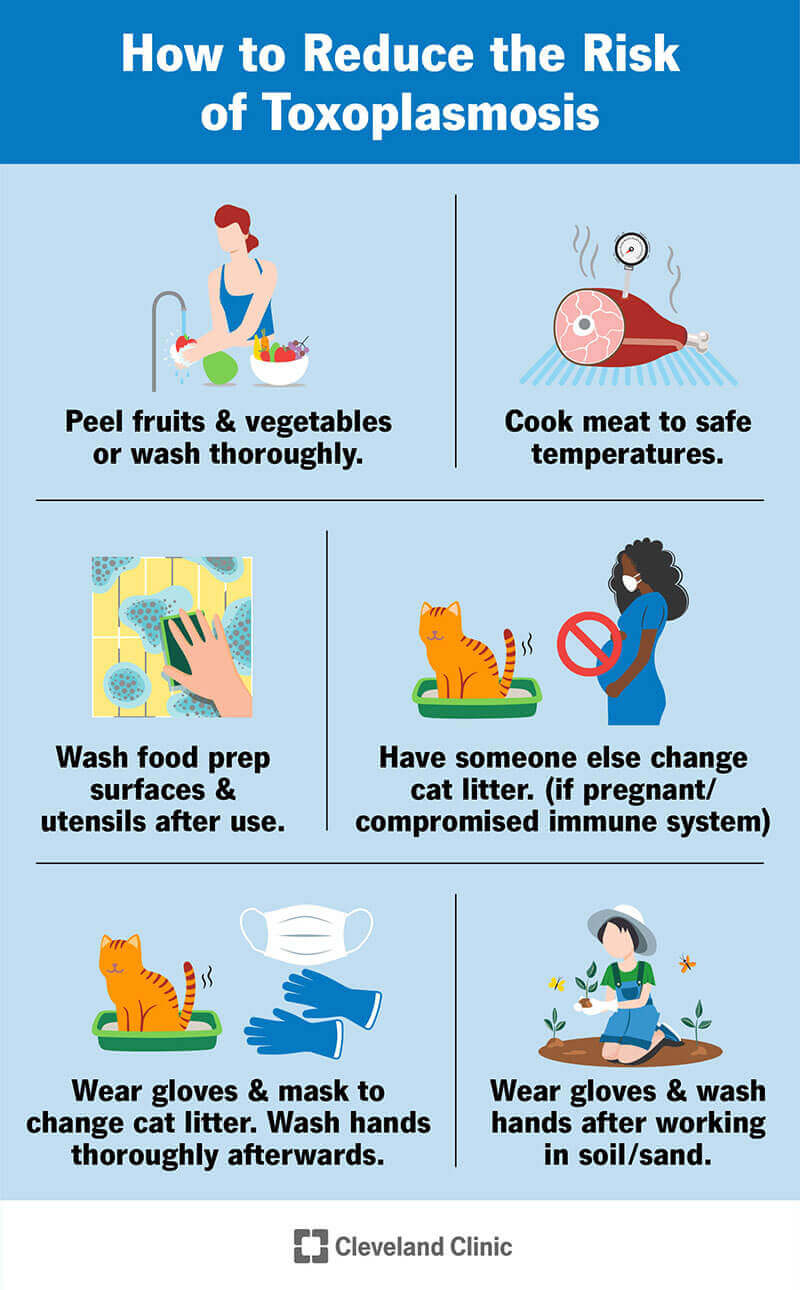
During pregnancy, the immune system is naturally suppressed to protect the developing fetus. This makes you more susceptible to infections like toxoplasmosis. Avoiding cat litter is a simple and effective precaution. If changing the litter is unavoidable, wearing gloves and washing hands thoroughly afterward can help minimize the risk.Alternatives To Handling Cat Litter During Pregnancy
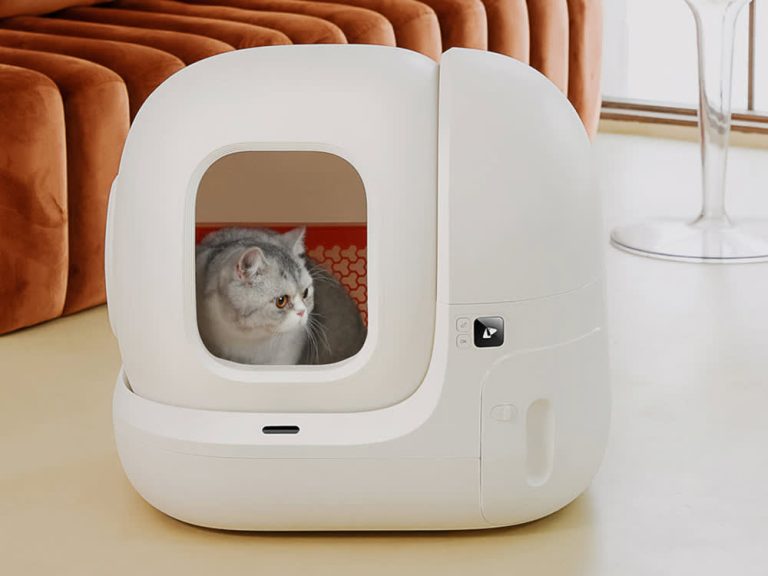
It’s essential to consider alternatives to handling cat litter while pregnant. Enlist help from a partner, family member, or friend to manage the task. If that’s not possible, investing in a self-cleaning litter box might be a practical solution. These devices can significantly reduce direct contact with cat feces.Personal Experience: A Lesson Learned
When my sister was pregnant, she was initially dismissive of the warnings about cat litter. She thought it was just another overblown caution. However, after learning more about toxoplasmosis, she realized the genuine risk involved. She immediately arranged for her husband to take over litter duties, ensuring peace of mind for the entire family.Questions To Consider
Have you ever considered the hidden risks associated with everyday tasks during pregnancy? How do you prioritize your health and safety when it comes to potential hazards? Understanding the why behind these precautions can empower you to make informed decisions throughout your pregnancy journey.
Credit: health.osu.edu
How Cats Spread Toxoplasma
Pregnancy brings joy and excitement, but also some precautions. One important precaution involves cats. Cats can spread a parasite called Toxoplasma gondii. This parasite can pose risks to unborn babies. Understanding how cats spread Toxoplasma is vital for expecting mothers.
How Cats Get Infected
Cats often get infected by eating small animals. Birds and rodents are common carriers. The parasite lives in the tissues of these animals. When a cat eats infected prey, it becomes a host.
Parasite Development In Cats
Once infected, the parasite multiplies inside the cat. It develops in the intestines. The cat then excretes the parasite in its feces. These feces contain oocysts, which are infectious forms.
Contamination Of Environment
Oocysts in cat feces can contaminate soil and water. They can survive for several months. Humans can accidentally ingest these oocysts. This happens through unwashed fruits and vegetables.
Direct Contact With Litter
Changing cat litter increases the risk of exposure. Direct contact with infected feces is dangerous. Pregnant women should avoid this task completely.
Why Pregnant Women Are At Risk
Pregnant women are more susceptible to infection. The immune system undergoes changes during pregnancy. The infection can harm the developing fetus. It may lead to serious health issues.
Risks To Unborn Babies
Pregnant women face unique health challenges. One of these involves contact with cat litter. Cats can carry a parasite known as Toxoplasma gondii. This parasite can pose risks to unborn babies. Understanding these risks is crucial for expectant mothers.
What Is Toxoplasma Gondii?
Toxoplasma gondii is a microscopic parasite. It often lives in cat feces. Humans can contract it by handling infected litter. Pregnant women are particularly vulnerable to this infection.
Potential Impact On Fetal Development
Infection can lead to severe consequences for unborn babies. It can cause brain damage or eye problems. Early exposure might result in learning disabilities. Keeping distance from cat litter is a preventative measure.
Symptoms Of Toxoplasmosis In Babies
Symptoms might not be visible at birth. Over time, issues such as vision problems may arise. Hearing loss is another potential symptom. Recognizing these signs early is vital for treatment.
Wearing gloves is a smart precaution. Always wash hands thoroughly after any contact. Having someone else change the litter is advisable. This reduces the risk of exposure significantly.

Credit: www.tiktok.com
Symptoms Of Toxoplasmosis
Pregnant women should avoid changing cat litter due to the risk of toxoplasmosis. This infection can harm the unborn baby. Symptoms like fever, fatigue, and swollen lymph nodes are common.
Pregnancy is a special time filled with joy, anticipation, and preparation for the arrival of your baby. However, it also brings with it certain precautions to ensure both your health and that of your unborn child. One such precaution is avoiding changing cat litter due to the risk of toxoplasmosis. Understanding the symptoms of this infection can help you safeguard your pregnancy.What Is Toxoplasmosis?
Toxoplasmosis is an infection caused by the parasite Toxoplasma gondii. Cats, particularly those that roam outdoors, can become hosts to this parasite. When infected, they excrete it in their feces. If you inadvertently come into contact with contaminated cat litter, you might be at risk.Common Symptoms
Many people might contract toxoplasmosis and not even realize it, as symptoms can be mild. But for pregnant women, awareness is crucial. Symptoms can include fatigue, swollen lymph nodes, and muscle aches. If you’ve ever felt unusually tired for days or noticed persistent body aches, it could be a sign.Severe Symptoms
In rare cases, toxoplasmosis can manifest more severely. It may cause fever, headaches, and confusion. Imagine feeling like you’ve caught a nasty flu that doesn’t go away with the usual remedies. That’s when it’s vital to seek medical advice.Risks To Pregnancy
The real concern with toxoplasmosis during pregnancy is the potential risk to your baby. It can lead to serious complications like miscarriage or birth defects. This makes avoiding cat litter an easy yet important step in protecting your little one. You certainly wouldn’t want to risk your baby’s health over something as simple as changing a litter box.Personal Insight
During my pregnancy, I realized the importance of these precautions. I delegated the task of changing the cat litter to my partner. It may seem minor, but it eased my worries and allowed me to focus on enjoying my pregnancy. What small change can you make to ensure your peace of mind? Understanding these symptoms empowers you to take proactive steps during your pregnancy. Your health and your baby’s health are paramount, and sometimes, simple actions make all the difference.Preventive Measures For Expectant Mothers
Pregnancy is an exciting and transformative time. Expectant mothers need to take specific precautions to ensure their health. Changing cat litter is one task that requires special care. Cat feces can contain harmful parasites. These can lead to infections that are risky during pregnancy. Understanding preventive measures can safeguard both the mother and the baby.
Why Pregnant Women Should Avoid Cat Litter
Cat litter can carry a parasite called Toxoplasma gondii. This parasite causes toxoplasmosis, which is dangerous for pregnant women. It can lead to serious birth defects or miscarriage. Avoiding contact with cat litter is crucial. Use gloves if handling is unavoidable. Wash hands thoroughly afterward.
Proper Hygiene Practices
Maintaining clean surroundings reduces health risks. Keep the cat litter box clean at all times. Ensure someone else cleans it regularly. Choose a well-ventilated space for the litter box. This decreases the chances of inhaling harmful particles. Also, clean the surrounding area frequently to avoid contamination.
Seeking Help From Others
Ask a partner or family member to change the litter. This support can ease concerns about handling cat waste. Explain the risks involved to those helping. They’ll understand the importance of their role. Sharing the responsibility ensures better safety for the expectant mother.
Educating Yourself On Toxoplasmosis
Learn about the symptoms and risks of toxoplasmosis. Knowing what to watch for can empower expectant mothers. Understand the signs and seek medical advice if needed. Knowledge is a powerful tool. It helps protect both mother and child during this crucial time.
Safe Practices For Cat Owners
Pregnant women should avoid changing cat litter. It poses a risk of toxoplasmosis. This infection can harm the unborn baby. Understanding safe practices helps protect both mother and child. Cat owners can still enjoy their pets. They just need to follow some simple guidelines. These practices ensure safety for everyone involved.
How To Minimize Risks
Assign cat litter duties to someone else. This simple step greatly reduces risk. If you must handle the litter, wear gloves. Wash hands thoroughly after cleaning. Use a mask to avoid inhaling any dust.
Keep cats indoors to prevent them from hunting. Outdoor cats are more likely to carry toxoplasmosis. Feed them commercial cat food. Raw meat can also be a source of infection.
Maintaining A Clean Environment
Change the litter box daily. This reduces the chance for parasites to develop. Regular cleaning keeps the environment safe for everyone. Disinfect the litter box once a week. Use hot water and a safe cleaner.
Keep the litter box in a low-traffic area. This minimizes accidental contact. Proper ventilation helps maintain air quality.
Seeking Veterinary Advice
Regular vet check-ups are important. Ensure your cat is healthy and free of parasites. Ask your vet about toxoplasmosis prevention. They can provide helpful tips and advice. Share your pregnancy news with your vet. They may offer specific recommendations for your situation.
These safe practices ensure a happy and healthy home. Following them protects both the expecting mother and her baby.
Alternative Pet Care Solutions
Pregnant women need to avoid changing cat litter due to health risks. Toxoplasmosis, a parasite found in cat feces, poses a threat. This can lead to complications during pregnancy. But there are alternative pet care solutions. These solutions ensure both pet and mother remain healthy.
Get Help From Family And Friends
Ask a trusted family member or friend for help. They can change the cat litter regularly. This simple act reduces stress for the expectant mother.
Hire A Pet Care Service
Consider hiring a pet care service. These professionals offer regular litter box maintenance. They ensure your cat’s space stays clean and safe.
Use Self-cleaning Litter Boxes
Invest in a self-cleaning litter box. These devices automatically remove waste. They minimize contact with cat litter. This option offers convenience and peace of mind.
Train Your Cat To Use The Toilet
Training a cat to use the toilet is possible. This eliminates the need for a litter box. It requires patience and consistency. Yet, it can be a long-term solution.
Keep Litter Boxes In Well-ventilated Areas
If contact is unavoidable, ensure litter boxes are in ventilated areas. This reduces the risk of inhaling harmful particles. It provides a safer environment for the mother-to-be.
Frequently Asked Questions
Why Can Pregnant Women Not Be Around Cat Litter?
Pregnant women should avoid cat litter due to the risk of toxoplasmosis. This infection can harm the unborn baby. Toxoplasmosis is caused by a parasite found in cat feces. It’s crucial to maintain hygiene and safety during pregnancy. Always wash hands thoroughly after handling cat litter or ask someone else to do it.
Can I Get Toxoplasmosis From Breathing Cat Litter?
Breathing cat litter dust rarely causes toxoplasmosis. Infection occurs through ingesting contaminated particles, not inhalation. Pregnant women should handle cat litter carefully. Always wash hands after cleaning litter boxes to minimize risk.
Can A Pregnant Woman Change Their Litter Box?
Pregnant women should avoid changing cat litter due to the risk of toxoplasmosis. This infection can harm the unborn baby. Use gloves and wash hands if changing is necessary. It’s safer to delegate this task to someone else. Always consult with a healthcare professional for personalized advice.
Can Changing Cat Litter Cause Birth Defects?
Changing cat litter can expose pregnant women to toxoplasmosis. This infection may cause birth defects. Always wear gloves and wash hands thoroughly after handling cat litter to minimize risks.
Conclusion
Pregnant women should avoid changing cat litter. It poses health risks. Toxoplasmosis, found in cat feces, can harm the unborn baby. Simple precautions like this ensure safety. Ask someone else to handle the litter box. It keeps both mother and baby safe.
Consider wearing gloves if unavoidable. Always wash hands thoroughly after. Keeping these tips in mind protects everyone involved. A safe pregnancy is a happy pregnancy. Prioritize health and well-being first. Stay informed and make wise choices. It matters for you and your baby.