Can a Vet Tell How Old a Cat is: Expert Insights
Have you ever wondered how old your cat really is? As a cat owner, understanding your feline friend’s age can be crucial for their health and well-being.
Maybe your cat was adopted or rescued, and its exact age is a mystery. You might be surprised to learn that veterinarians have techniques to estimate a cat’s age quite accurately. Imagine knowing the secrets that vets use to unlock the mystery of your cat’s years! This knowledge isn’t just fascinating—it’s essential for tailoring your cat’s care, diet, and lifestyle to match their life stage.
You’ll discover how vets determine a cat’s age, and why it’s important for you to have this insight into your cat’s life. Stay with us, and you’ll gain valuable information that could enhance your bond with your furry companion.
Determining A Cat’s Age
Vets can estimate a cat’s age by examining teeth, eyes, and overall health. Teeth provide significant clues about a cat’s age, while eye clarity and coat condition offer additional hints. These methods help determine the cat’s life stage accurately.
Determining a cat’s age can feel like a mystery, especially if you’ve adopted a stray or rescued a feline friend. Vets have mastered the art of estimating a cat’s age, bringing clarity to pet owners eager to understand their cat’s life stage. Knowing your cat’s age can help you provide the right care, nutrition, and health checks.Physical Indicators
Cats exhibit specific physical traits that can hint at their age. For instance, a young cat typically has a sleek coat, while an older cat may show signs of graying or thinning fur. Eye clarity can also be a clue—cloudy eyes often indicate a senior cat. Sometimes, even the shape of a cat’s body can signal its age. Kittens and young cats have a more slender and agile build, while older cats may be more filled out or show signs of muscle loss. Next time you pet your cat, consider these signs. Have you ever noticed how a kitten’s boundless energy is reflected in its youthful appearance? Those tiny whiskers and sharp eyes are nature’s way of reminding us of their tender age.Behavioral Clues
Behavior can be a window into a cat’s age. Young cats are usually playful and curious, often darting around and exploring every nook and cranny. In contrast, older cats may prefer lounging in a sunny spot or napping more frequently. Consider how your cat interacts with you and its surroundings. Does it pounce on every moving object, or does it watch quietly from a distance? These behaviors can tell you more than you might think. Remember the last time your cat followed a sunbeam across the room? This behavior might signal its contented maturity, offering a peaceful glimpse into its slower pace of life.Dental Examination
A cat’s teeth are one of the most accurate indicators of its age. Vets often examine a cat’s dental health to estimate how old it is, as teeth wear and tartar build-up over time. Kittens have small, white teeth that start to come in at about three weeks. As cats age, their teeth become more yellowed, and older cats may even show signs of gum disease or tooth loss. Have you checked your cat’s teeth lately? A quick look can give you insights into your feline’s age and health, helping you anticipate future dental care needs. Understanding these aspects of your cat’s age can deepen your bond and ensure you provide the best care possible. Next time you’re with your cat, take a closer look—you might be surprised at what you discover.Veterinary Techniques
Understanding a cat’s age is not just about celebrating birthdays. It’s crucial for tailoring their care and ensuring they live a healthy, happy life. As a pet owner, you might wonder how veterinarians determine the age of your feline friend. Various veterinary techniques are employed to assess a cat’s age accurately. These methods go beyond mere guesswork, offering scientific insights into your cat’s timeline.
Radiographic Analysis
Radiographic analysis, often known as X-ray examination, plays a vital role in determining a cat’s age. Vets utilize this technique to examine the cat’s skeletal structure. Changes in bone density and the shape of certain bones can give clues about age. For example, a young cat will have less ossified bones compared to an older one. Did you know that even the formation of teeth visible through radiographs can hint at age? Next time you visit your vet, consider asking about the marvels of radiographic analysis.
Blood Testing
Blood tests are another method vets use to estimate a cat’s age. They analyze various biomarkers that change with age. For instance, certain enzymes and proteins levels in the blood can indicate the age range of a cat. This method is not only useful for age estimation but also for assessing the overall health of your pet. Imagine having a clearer picture of your cat’s age while simultaneously ensuring they are in good health. Isn’t that a win-win?
Growth Plate Assessment
Growth plate assessment is a fascinating technique. Growth plates are areas of developing tissue at the ends of long bones in kittens. As a kitten grows, these plates close and harden. By examining these plates through X-rays, vets can determine whether a cat is still in its growing phase or has reached maturity. This method is particularly useful for young cats. Have you ever watched a kitten grow and wondered how vets track this? Growth plate assessment holds the key!
Each technique offers unique insights, often used together for the most accurate results. As a cat owner, understanding these methods can empower you to engage in meaningful conversations with your vet, ensuring your cat receives the best care possible. Have you learned something new about how vets determine your cat’s age? Share your thoughts and experiences!
Challenges In Age Estimation
Determining a cat’s age can be tricky. Vets rely on physical signs and behaviors. These signs might not always give clear results. Age estimation involves various challenges.
Variability Among Breeds
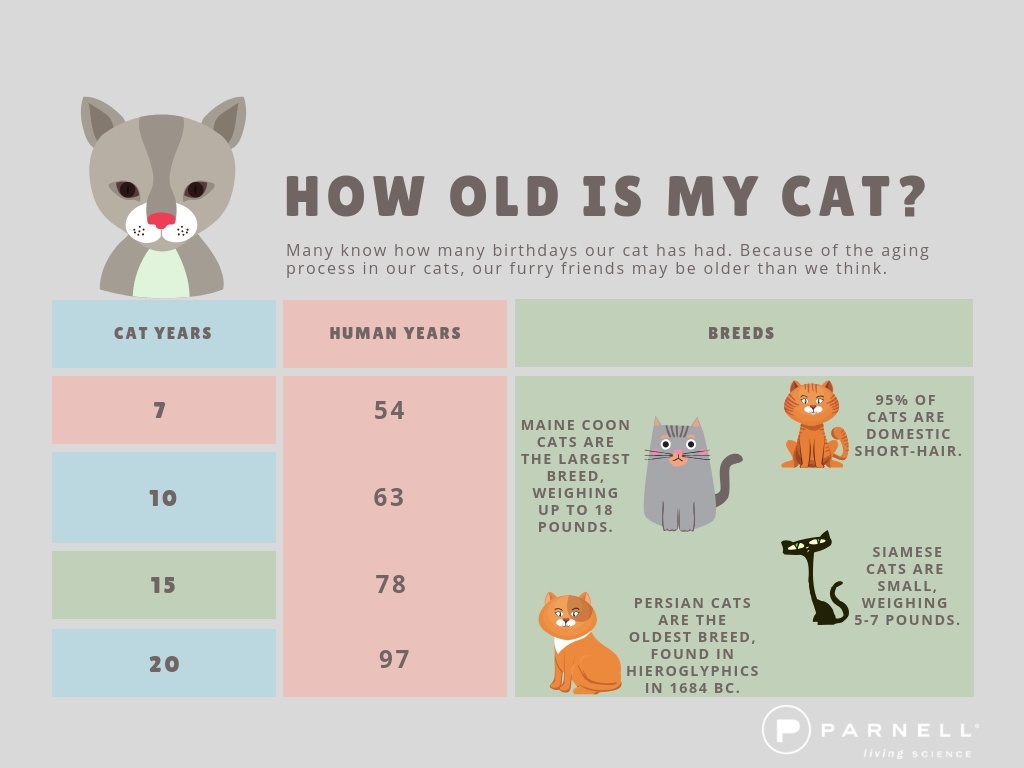
Different breeds age differently. Some cats mature faster, others slower. A Siamese cat may show age signs earlier than a Maine Coon. Breeds have unique growth patterns. This variability complicates age estimation.
Influence Of Health Conditions
Health issues affect a cat’s aging signs. Dental problems, for instance, might make a young cat appear old. Illness can alter a cat’s physical appearance. Chronic conditions impact the aging process.
Limitations Of Existing Methods
Current methods depend on physical examination. Teeth, fur, and eyes are common indicators. These signs can be misleading. Some cats maintain youthful traits despite aging. Vets may struggle with accurate assessments.
Credit: blog.parnell.com
The Role Of Expert Judgment
The role of expert judgment is crucial in determining a cat’s age. Vets use various skills and methods to make their assessments. Understanding these methods helps cat owners trust their vet’s expertise.
Experience And Training
Veterinarians undergo extensive training and gain experience over years. They learn to recognize age-related signs in cats. This knowledge helps them estimate age accurately. Observing cats regularly sharpens their judgment.
Combining Multiple Indicators
Vets don’t rely on one sign to determine a cat’s age. They examine teeth, fur, and eyes. These indicators together give a clearer age picture. A cat’s overall health also provides clues. Combining signs leads to better accuracy.
Consultation With Specialists
Sometimes, vets consult specialists for complex cases. Specialists might have deeper insights into specific signs. This collaboration enhances the vet’s judgment. It ensures a more precise age assessment. Owners benefit from a team approach.
Technology In Age Determination
Determining a cat’s age can be quite the puzzle. With advancements in technology, veterinarians now have more tools at their disposal to make educated guesses about a feline’s age. This isn’t just a matter of curiosity; knowing a cat’s age can significantly impact its care and treatment plan. So, how does technology help in pinpointing a cat’s age?
Advancements In Imaging
Imaging technology has come a long way in veterinary medicine. Techniques like X-rays and ultrasounds can provide clues about a cat’s age. Dental imaging is especially useful; vets can assess the wear and tear on a cat’s teeth to estimate age. Ever wondered how your dentist can tell if you’ve been brushing regularly? Similarly, vets use dental health indicators to gauge age.
Bone density imaging is another tool in the arsenal. Cats’ bones change as they age, so analyzing bone structure can offer insights into their age. While not foolproof, these imaging techniques are a valuable part of the age-determination process.
Genetic Testing Potential
Genetic testing is an exciting field with potential for age determination. Imagine a future where a simple swab of your cat’s cheek could reveal its age. Researchers are exploring how genetic markers could indicate the aging process in cats. While it’s still in the early stages, this approach could revolutionize age determination.
Think about how 23andMe can tell you about your ancestry and health risks. Similar genetic insights could soon be available for our feline friends. It’s a fascinating possibility that could change how we care for older cats.
Future Research Directions
What does the future hold for cat age determination? Researchers are constantly seeking new methods to refine age estimates. Combining different technologies could provide a more accurate picture. For instance, integrating genetic testing with imaging results could lead to breakthroughs.
What if future studies could develop a universal age-determination tool for cats? This could help vets tailor treatments more effectively. As technology evolves, the possibilities are endless, and the impact on feline care could be substantial.
Have you ever wondered how old your cat really is? With these technological advancements, we might be closer to knowing the truth than ever before. Whether it’s through imaging, genetic testing, or future innovations, the quest for age determination is ongoing—and exciting!
Credit: www.petful.com
Practical Implications
Veterinarians can estimate a cat’s age by examining its teeth, eyes, and fur. Teeth wear and tartar buildup give age clues. Eye cloudiness and fur texture also offer hints about age.
Understanding the age of a cat is not just a curiosity—it has tangible benefits. Knowing a cat’s age can influence decisions you make about their care and well-being. From adoption to health management, understanding your feline’s age can significantly impact your approach to their lifestyle and happiness. Let’s explore the practical implications of determining a cat’s age.Adoption Considerations
When adopting a cat, knowing its age helps tailor your expectations. A kitten might require more time and training, while an older cat might already be accustomed to household routines. Considering age can also help match energy levels with your lifestyle. Would you prefer a playful kitten or a calm senior cat? Understanding these differences can lead to a more harmonious household and a fulfilling relationship with your new feline friend.Health Management
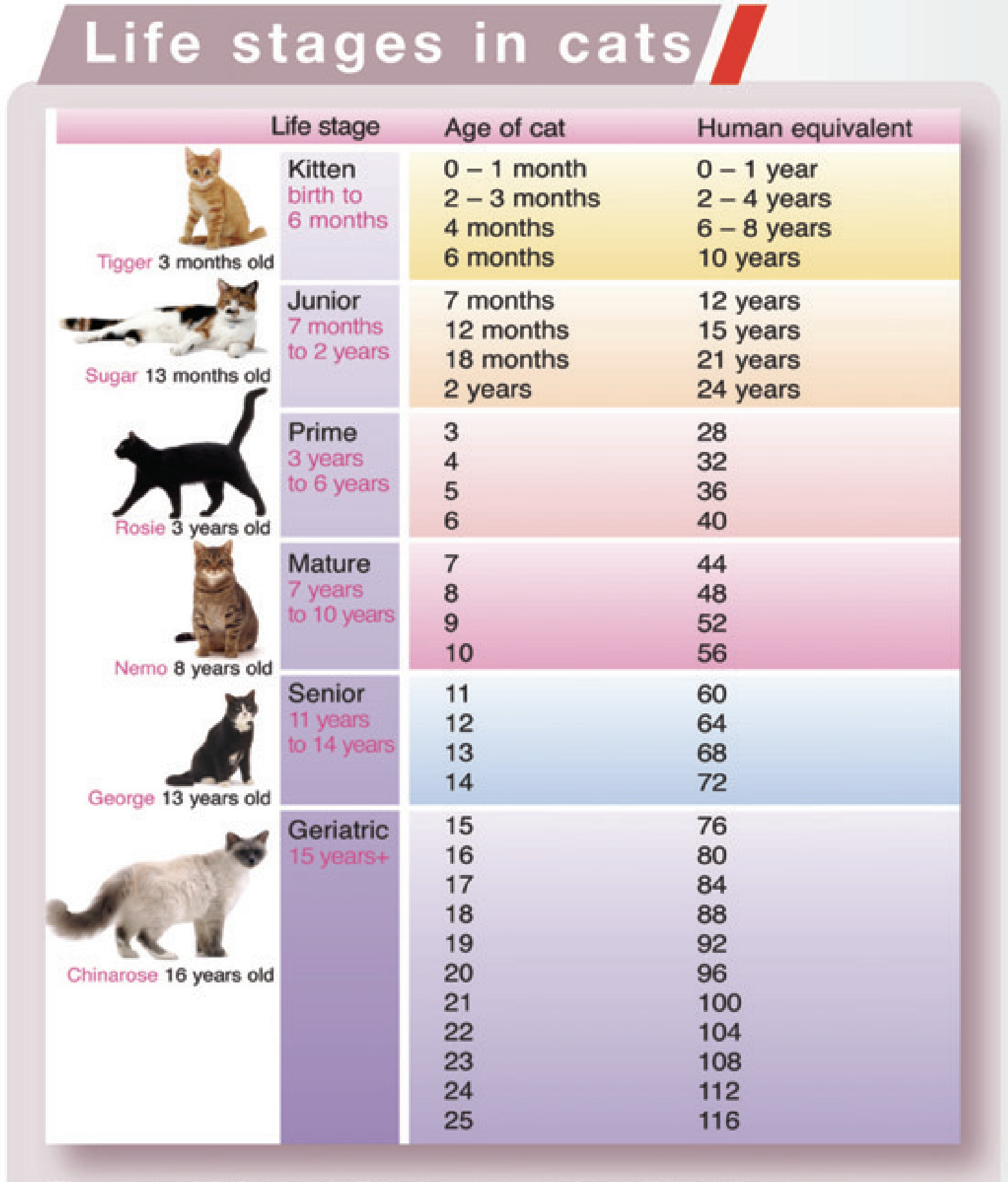
Age plays a crucial role in managing a cat’s health. Kittens need vaccinations and regular vet visits as they grow. Adult cats require different dietary needs and exercise routines to maintain a healthy weight. Senior cats might need more frequent check-ups to monitor for age-related issues. By knowing your cat’s age, you can proactively manage their health with appropriate interventions at the right time.Behavioral Training
Training a cat can be easier when you know their age. Kittens are generally more adaptable to new training because they are still learning about their environment. Adult cats might have established behaviors, which can be challenging to change. However, with patience and understanding of their age, you can still teach new tricks or modify behaviors. What training goals do you have for your cat? Knowing their age can help set realistic expectations and strategies. Understanding your cat’s age is not just about numbers—it’s about enhancing their quality of life and ensuring they are happy and healthy. How will you use this knowledge to better care for your feline companion?:strip_icc()/telling-the-sex-of-kittens-555173_color-7ffc8b8eb65f45ab82989c5185638e29.jpg)
Credit: www.thesprucepets.com
Frequently Asked Questions
Can Vets Determine Cat Age?
Vets can estimate a cat’s age by examining teeth, eyes, and overall health. Dental wear provides clues about age. Eye clarity and fur condition also help in assessment. While not exact, these indicators offer a reasonable approximation of a cat’s age.
Regular check-ups ensure accurate monitoring of a cat’s health.
How To Know The Age Of A Cat?
Check cat’s teeth for age clues. Kitten teeth are small and sharp, adult teeth are larger. Observe behavior and fur condition. Young cats are playful, older cats may be less active. Veterinarian can estimate age accurately.
How Do Shelters Tell A Cat’s Age?
Shelters assess a cat’s age by examining teeth wear, eye clarity, and coat condition. Vets may check bone growth.
What Is The 3-3-3 Rule For Cats?
The 3-3-3 rule helps cats adjust to new homes. It means 3 days to decompress, 3 weeks to settle in, and 3 months to fully adapt. This guideline ensures a smoother transition, promoting comfort and confidence in their new environment.
Conclusion
Determining a cat’s age can be tricky. Vets use various clues. Teeth condition offers vital insights. Eye clarity also helps in aging cats. Fur texture and muscle tone provide more hints. Vets might examine overall health signs too. Knowing your cat’s age helps in proper care.
Regular vet visits are crucial for accurate information. Each cat is unique and requires individual attention. Understanding these factors ensures a happy, healthy pet. Trust your vet for the best advice. Your cat’s well-being depends on informed care. Prioritize their health and enjoy their companionship longer.