How Often Should a Cat Go to the Vet: Essential Guide
Have you ever wondered if you’re taking your beloved feline friend to the vet often enough? As a cat owner, ensuring your pet’s health is paramount.
But how do you know if you’re providing the right amount of veterinary care? Understanding how often your cat should visit the vet can seem like a daunting task, with so many opinions and recommendations out there. You might worry about missing crucial appointments, potentially jeopardizing your cat’s health.
Or perhaps you’re concerned about over-scheduling, leading to unnecessary stress for both you and your pet. This article is here to ease those worries. It will guide you through the essentials of veterinary visits, helping you make informed decisions for your cat’s well-being. Keep reading to uncover the expert recommendations that will keep your furry companion happy and healthy for years to come.
Importance Of Regular Vet Visits
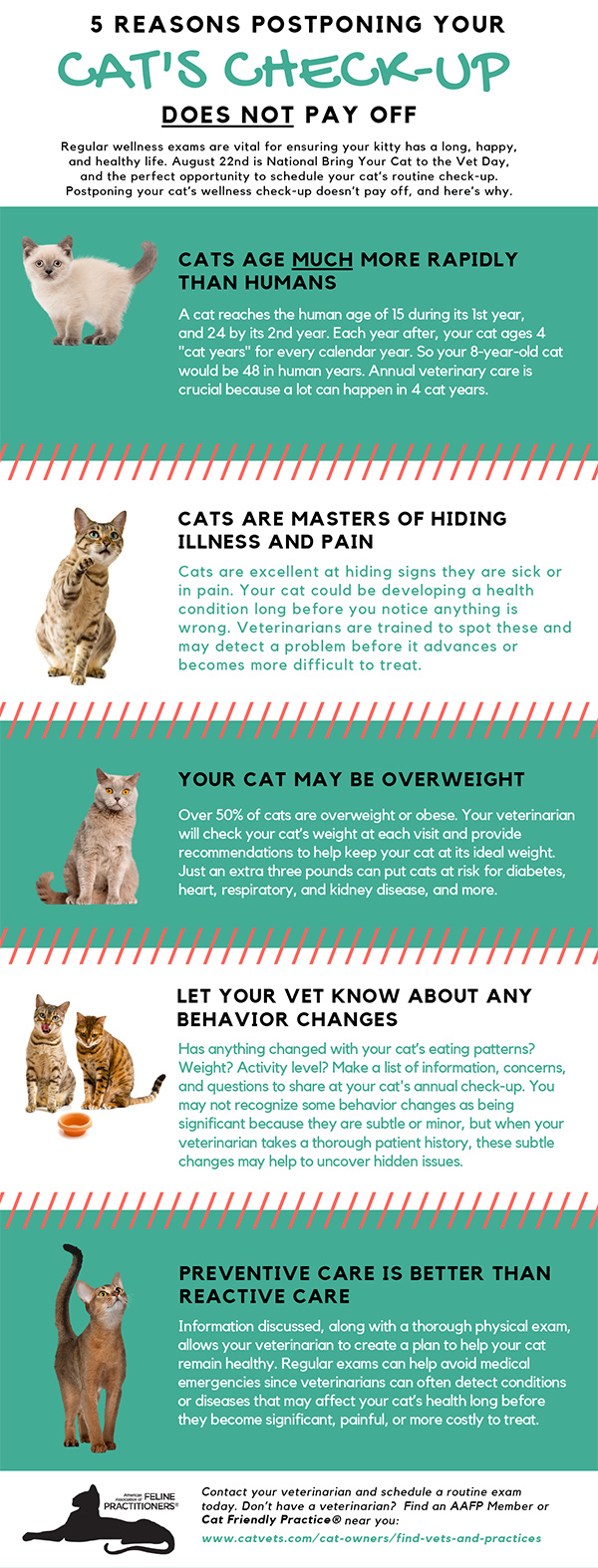
Cats need regular vet check-ups for their health. Annual visits help catch problems early. Older cats might need visits twice a year.
Regular vet visits are crucial for your cat’s overall well-being. These appointments are not just for vaccinations or emergencies. They provide a comprehensive health check-up that can detect potential issues early on.When was the last time your cat had a thorough health check?
Personal experience taught me that early detection can make a huge difference. My own cat once had a minor issue that could have escalated if we hadn’t visited the vet regularly. This visit not only saved us stress but also saved my cat from discomfort.
Early Detection Of Health Issues
Regular vet visits help in spotting health problems early. Cats are masters at hiding their illnesses. A vet can catch subtle signs that you might miss at home.Vaccinations And Preventive Care
Vets ensure your cat’s vaccinations are up to date. This is crucial for preventing diseases. Regular visits also include preventive care measures like flea control and dental checks.Weight Management And Nutrition
Is your cat maintaining a healthy weight? Vets provide guidance on nutrition and diet. They can help tailor a plan if your cat needs to lose or gain weight.Behavioral Assessments
Cats can exhibit unusual behaviors that might indicate health issues. Regular visits allow vets to assess these behaviors. They can offer solutions or further tests if needed.Building A Relationship With Your Vet
Frequent visits establish a rapport with your vet. This relationship can make future visits less stressful for your cat. It also ensures that your vet knows your cat’s medical history in detail.Have you considered how regular vet visits could impact your cat’s life?
Making these visits a priority can lead to a longer, healthier life for your furry friend.

Credit: www.greensboroncvet.com
Cat’s Age And Vet Frequency
Understanding how often your cat should visit the vet is crucial for maintaining their health. The frequency of these visits often depends on your cat’s age. From playful kittens to wise senior cats, each stage of life presents unique health needs. By knowing these, you can make informed decisions about veterinary care and ensure your furry friend lives a happy and healthy life.
Kittens
Kittens are bundles of energy and curiosity. They require frequent vet visits to ensure proper growth and development. It’s common for kittens to visit the vet every three to four weeks until they reach about four months old. During these visits, vaccinations and health checks are essential.
Have you ever watched a kitten explore a room with unbridled enthusiasm? It’s adorable, but it also means they’re exposed to potential hazards. Regular vet visits help catch any issues early and keep them safe.
Consider these visits as an investment in your kitten’s future health. The more proactive you are now, the healthier they’ll be later.
Adult Cats
Once your cat reaches adulthood, the frequency of vet visits typically decreases. A healthy adult cat should visit the vet at least once a year for a check-up. These visits are opportunities for vaccinations, dental care, and overall health assessments.
Do you ever wonder if your cat is as healthy as they seem? Annual vet visits can provide peace of mind. They help detect any hidden issues that might be brewing under the surface.
Remember, regular check-ups can prevent minor issues from becoming major problems. Isn’t it better to catch a problem early rather than deal with the consequences later?
Senior Cats
As your cat transitions into their senior years, their health needs become more demanding. Senior cats should visit the vet every six months. These visits focus on monitoring chronic conditions, joint health, and diet adjustments.
Have you noticed your senior cat slowing down? This change is natural, but it doesn’t mean you should overlook regular vet visits. They are critical for managing age-related health issues.
Keep in mind, the goal is not just to extend your cat’s life but to enhance the quality of their later years. Isn’t it heartwarming to know you can make their twilight years comfortable and joyful?
Routine Health Checks
Cats need regular health checks to stay healthy. These visits help catch problems early. Routine checks include several important aspects.
Vaccinations
Vaccinations protect cats from diseases. They need vaccines from a young age. Core vaccines are essential for every cat. Your vet will advise on specific vaccines. Some vaccines need annual updates. Regular shots keep your cat safe.
Parasite Control
Parasites can harm your cat. Fleas, ticks, and worms are common. Regular vet visits help detect these pests. Vets provide treatments to prevent infestations. It’s important to keep up with these treatments. Parasite control is key to your cat’s health.
Dental Health
Dental health is often overlooked. Cats can suffer from gum disease. Regular checks ensure their teeth are healthy. Vets can clean your cat’s teeth. This prevents future dental problems. Good dental care improves your cat’s life quality.
Signs Your Cat Needs Immediate Vet Attention
Cats need regular vet visits for good health. Signs like unusual behavior or eating less might mean they need urgent care. Regular check-ups help catch problems early and keep your cat happy and healthy.
Understanding the signs that your cat needs immediate vet attention is crucial for their health and well-being. Cats are experts at hiding discomfort, which can make it challenging to recognize when they are in distress. By being observant and proactive, you can ensure your feline friend receives the care they need promptly.Sudden Changes In Eating Or Drinking Habits
If your cat suddenly stops eating or drinking, this could signal a serious issue. Cats are creatures of habit, so any abrupt change in their routine should be taken seriously. You might notice your cat avoiding their food bowl or drinking excessively, which could point to underlying health problems like kidney disease or diabetes.Unexplained Weight Loss Or Gain
Monitoring your cat’s weight is essential, as unexplained changes can indicate health issues. Rapid weight loss may suggest a thyroid problem or gastrointestinal distress. Conversely, sudden weight gain might be due to hormonal imbalances or other metabolic concerns. Regular check-ins with the vet can help catch these issues early.Persistent Vomiting Or Diarrhea
Occasional vomiting or diarrhea can happen, but if these symptoms persist, your cat needs immediate vet attention. Chronic digestive issues may lead to dehydration and nutrient deficiencies. It’s important to note the frequency and severity of these symptoms, as they could indicate infections or food intolerances.Changes In Breathing Patterns
Your cat’s breathing should be smooth and regular. If you notice wheezing, coughing, or rapid breathing, it could be a sign of respiratory distress. Conditions like asthma or heart disease can manifest through altered breathing patterns. Observing your cat closely can help you decide when it’s time to see the vet.Lethargy Or Unresponsiveness
A normally active cat that suddenly becomes lethargic or unresponsive may be unwell. If your cat seems uninterested in play or struggles to move, it may be experiencing pain or discomfort. It’s essential to gauge their energy levels and seek veterinary advice if these changes persist.Excessive Scratching Or Grooming
Cats naturally groom themselves, but excessive scratching or grooming may signal skin irritation or allergies. Watch for bald patches or red, inflamed areas. These could be signs of parasites or skin conditions needing immediate attention. Have you ever noticed any of these signs in your cat and hesitated to act? Delaying a vet visit can worsen your cat’s condition. Your attentiveness could make all the difference in their health outcome.Preventive Care Benefits
Regular vet visits can greatly enhance your cat’s well-being. Preventive care is essential. It helps detect potential health issues early. This approach ensures your cat stays healthy. Let’s explore the benefits of preventive care.
Early Detection Of Health Issues
Preventive care helps identify health problems early. Early detection leads to easier treatment. It can prevent serious illness. Regular check-ups are crucial.
Vaccinations And Immunizations
Vaccines protect against diseases. They are an important part of preventive care. Regular vet visits ensure your cat gets necessary immunizations. This keeps them safe from common ailments.
Monitoring Weight And Diet
Weight management is vital for your cat’s health. Vets provide guidance on diet and exercise. Regular visits help monitor your cat’s weight. This prevents obesity-related issues.
Dental Health Maintenance
Dental health impacts overall well-being. Regular vet visits include teeth checks. Early detection of dental problems is possible. This avoids painful conditions.
Behavioral Assessments
Behavioral changes can indicate health problems. Vets assess these changes during check-ups. Early intervention can address potential issues. This ensures your cat’s comfort and happiness.
Parasite Prevention
Parasites can harm your cat. Preventive care includes parasite checks. Regular visits help prevent infestations. This ensures a healthy living environment for your cat.

Credit: www.usatoday.com
Choosing The Right Vet For Your Cat
Cats should visit the vet at least once a year for a regular check-up. Regular visits help catch health issues early. Choose a vet who understands your cat’s needs and makes you comfortable. A good vet keeps your cat healthy and happy.
Choosing the right vet for your cat is more than just a medical decision. It’s about finding someone you trust with your feline friend’s health and well-being. A good vet can make all the difference in your cat’s quality of life and your peace of mind.Factors To Consider
When selecting a vet, location is key. Is the clinic conveniently located, especially in case of emergencies? Consider their office hours as well. Ask about their experience with cats. Not all vets are created equal when it comes to feline care. Look for cat-friendly certifications or memberships in organizations like the American Association of Feline Practitioners. Take note of the clinic’s environment. Does it feel welcoming and clean? A calm setting can help reduce your cat’s stress levels during visits.Building A Relationship With Your Vet
Establishing a rapport with your vet is crucial. Regular visits can help you both understand your cat’s health better. Feel free to ask questions or express concerns during appointments. Open communication can lead to better care for your cat. Consider your vet as a partner in your cat’s health journey. A good relationship means you can work together to make informed decisions. When your cat trusts the vet, visits can become less stressful for both of you. Have you ever had a vet who called to check in after an appointment? Those small gestures can mean a lot. They show that the vet genuinely cares about your pet, building trust over time. Choosing the right vet is an investment in your cat’s long and healthy life. What qualities do you value most in a vet?Budgeting For Veterinary Care
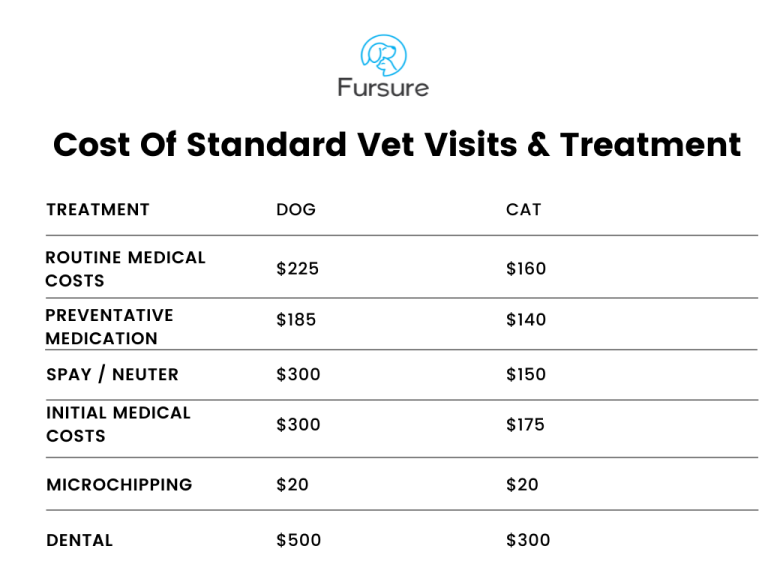
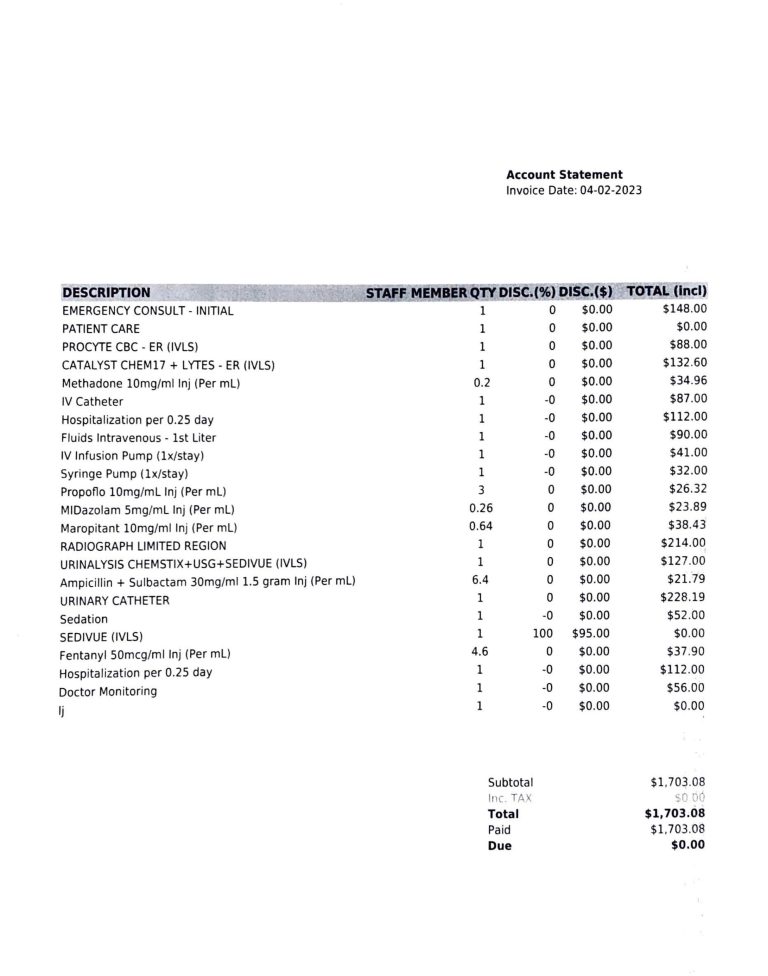
Regular vet visits keep your cat healthy. Aim for a check-up once a year for adult cats. Budget for potential extra visits if your cat shows signs of illness or age-related issues.
When planning for your cat’s veterinary visits, budgeting plays a crucial role in ensuring your furry friend’s health is never compromised. Veterinary care can often be unpredictable. It’s essential to have a financial plan in place to manage these expenses without stress.Pet Insurance
Pet insurance can be a lifesaver when unexpected health issues arise. It helps cover a portion of veterinary bills, making it easier to provide the care your cat needs. Policies vary, so it’s important to choose one that suits your budget and your cat’s potential health needs. Consider how often your cat might need to see the vet and what treatments could be necessary. An insurance plan can reduce the burden of sudden costs, allowing you to focus more on your cat’s well-being rather than your wallet.Setting Aside Funds
Setting aside a small amount each month can go a long way in managing your cat’s health expenses. A dedicated savings account for pet care ensures you are prepared for both routine check-ups and unexpected emergencies. Think about how much you can realistically save monthly. Even a modest contribution can accumulate over time, providing peace of mind. It’s helpful to review your budget periodically to adjust the amount you save, especially as your cat ages or if your financial situation changes. Budgeting for veterinary care doesn’t have to be overwhelming. Start small and build a financial cushion that keeps your feline friend healthy and happy. Have you considered how much you could set aside this month? Taking proactive steps today can save you stress tomorrow.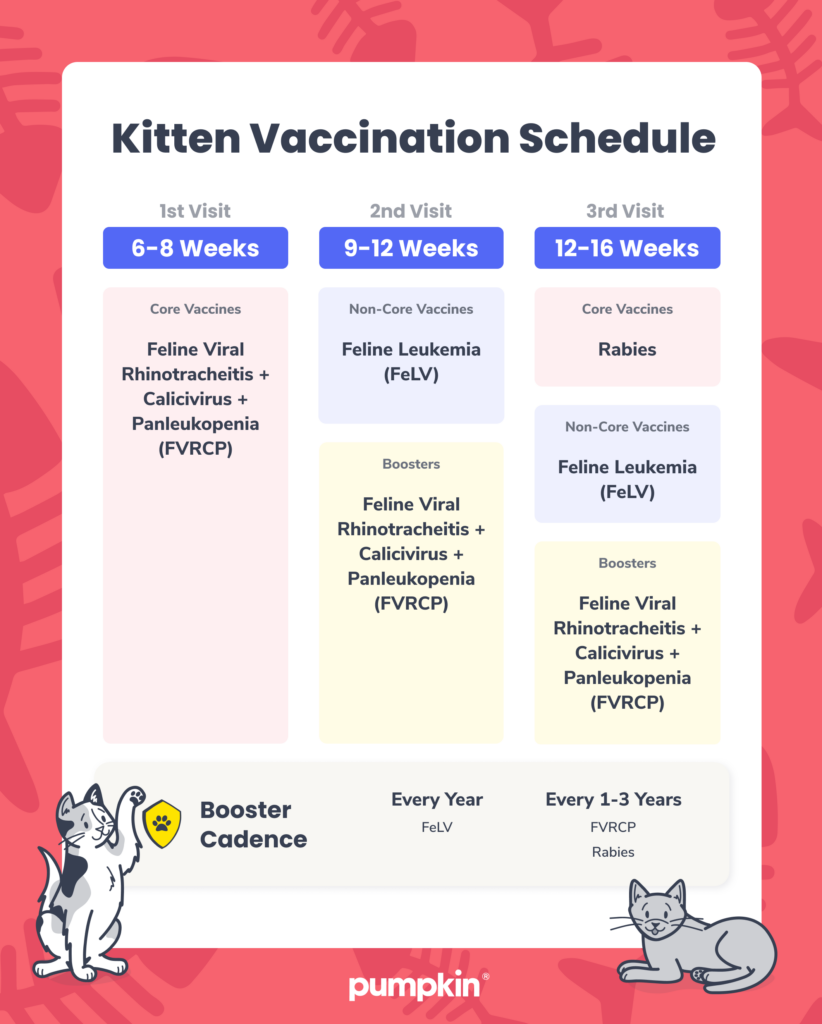
Credit: www.pumpkin.care
Frequently Asked Questions
How Much Should A Cat Checkup Cost?
A cat checkup generally costs between $50 and $100. Prices vary based on location and services. Regular checkups ensure your cat’s health and well-being, potentially saving on future medical expenses. Always consult your local veterinarian for the most accurate pricing and service details.
Do I Need To Take My Cat To The Vet Regularly?
Yes, regular vet visits are essential for your cat’s health. Routine check-ups help detect health issues early. Vaccinations, dental care, and parasite prevention are vital for their well-being. Consult your vet to determine the appropriate schedule for your cat’s visits.
Regular visits ensure your cat stays healthy and happy.
Is It Okay If I Never Take My Cat To The Vet?
Regular vet visits are crucial for your cat’s health. Cats need vaccinations, dental care, and check-ups. Early detection of issues can prevent serious problems. Skipping vet visits can lead to undetected diseases and suffering. Prioritize your cat’s well-being with regular veterinary care.
Is It Illegal To Not Take Your Cat To The Vet?
Not taking your cat to the vet isn’t illegal in most places. However, neglecting their health can be considered animal cruelty. Regular vet visits ensure your cat’s well-being and prevent potential legal issues. Always prioritize your pet’s health to avoid complications.
Conclusion
Regular vet visits keep your cat healthy and happy. Young cats need more frequent check-ups. Adult cats usually visit the vet yearly. Senior cats might need more care and attention. Watch for any unusual behavior in your cat. Quick vet visits can prevent health issues.
Always prioritize your cat’s well-being. A healthy cat means a joyful home. Keep track of vaccination schedules. Discuss any concerns with your vet. Your cat depends on you for their health. Regular vet visits show your love and care. Remember, a healthy cat is a happy companion.