Can I Claim My Cat on My Taxes: Uncover Tax Secrets
Are you a proud cat parent wondering if your furry friend can help you save money on your taxes? You’re not alone in this quest to understand tax deductions and benefits for pet owners.
While your cat brings joy and companionship, you might be curious about whether they also bring potential tax advantages. This intriguing question taps into our desire to make the most of our finances and find little-known perks that could be just within reach.
By exploring the possibilities and understanding the nuances of tax laws, you can discover if there’s a way to incorporate your beloved pet into your tax strategy. Stick around to uncover the truth behind claiming your cat on your taxes and learn about any potential savings you might be missing out on.
Pet-related Tax Deductions
Pet-related tax deductions can offer unexpected benefits for pet owners. While pets are generally not deductible, certain situations allow for tax relief. If your cat serves a particular purpose, you may qualify for deductions. Explore the possibilities below to see where you might save.
Service Animal Expenses
Service animals provide crucial assistance to individuals with disabilities. The IRS permits deductions for their costs. If your cat is trained and certified as a service animal, expenses could be deductible. This includes costs for training, food, and veterinary care. Always keep documentation to support your claim.
Fostering And Rescue Costs
Fostering cats for a registered charity can lead to deductions. You can deduct unreimbursed expenses related to care. This includes food, supplies, and veterinary bills. Ensure the charity is a recognized non-profit organization. Keep records of all expenditures and receipts.
Guard Animal Deductions
Some pets serve as guard animals for businesses. If your cat protects your business property, you might claim deductions. The IRS allows deductions for animals that guard inventory or property. Maintain records that show the cat’s role in business protection.
Business Use Of Pets
Pets can play a significant role in business settings. They bring joy and comfort to workplaces. When pets become part of the business, expenses related to them might be deductible. Certain conditions must be met to claim such deductions.
Office And Shop Cats
Office cats are often seen in small businesses. They help create a friendly atmosphere. Cats can reduce stress among employees. They might also attract customers, especially in shops. Cats can deter pests, keeping the environment clean. If a cat serves a business role, some related expenses might be deductible.
Pet-related Business Expenses
Business owners may incur expenses for pets. These include food, vet visits, and grooming. If a pet is used for business, these can sometimes be deducted. Proper documentation is crucial. Keep records of all expenses. Ensure the pet is essential to the business function. Consult a tax professional to understand the rules.
Medical Expenses For Pets
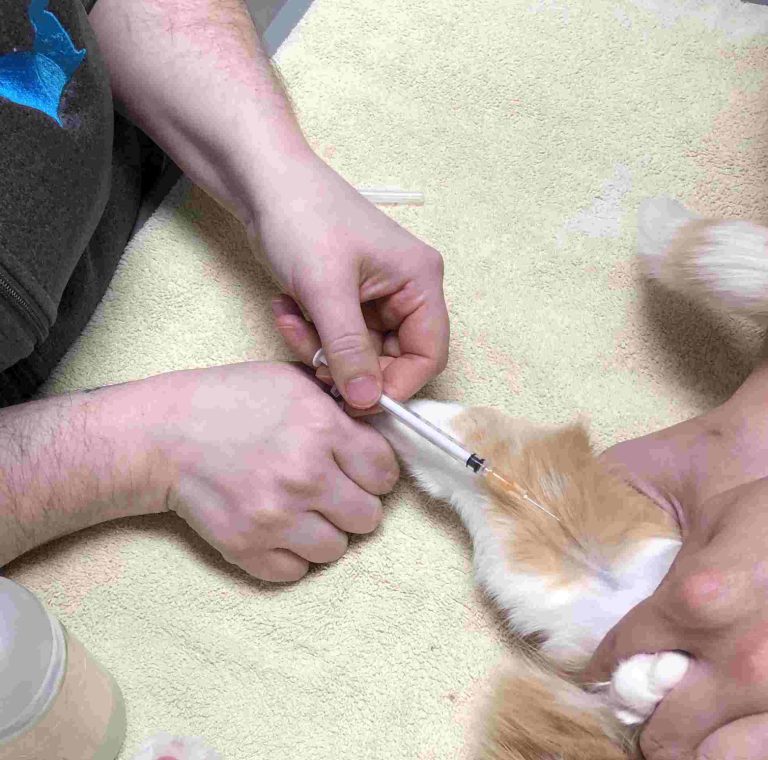
Pet medical expenses can be a financial burden. People often wonder if they can claim their cat on taxes. Unfortunately, pets are generally considered personal expenses, not tax-deductible items.
If you’re a pet owner, you might have wondered if you can claim your furry friend’s expenses on your taxes. While the IRS doesn’t allow a direct deduction for pets, certain medical expenses might qualify. Understanding these can help you save money while ensuring your pet receives the care they need. Let’s dive into some specific areas where you might find potential tax relief.Chronic Illness Treatments
Chronic illnesses in pets can be emotionally and financially draining. If your cat suffers from a long-term condition requiring regular treatment, you might be eligible to deduct some of these expenses. This is especially true if your pet is considered a service animal or provides a specific medical purpose. Consider the case of a reader who shared how their cat’s diabetes treatments qualified for deductions. They documented every vet visit and medication purchase to meet the requirements. This proactive approach not only helped in managing the condition but also eased the financial burden.Therapeutic Animal Expenses
Does your cat provide therapeutic benefits? If your feline friend is certified as a therapeutic animal, you might have more leeway. Animals that assist with mental health or physical therapy can sometimes have their expenses deducted. Think about how your cat offers emotional support during tough times. If there’s documented evidence of its therapeutic role, some associated costs might be deductible. This could include vet visits or special diets prescribed for maintaining their health. Remember, it’s crucial to keep detailed records and obtain the necessary certifications. With the right preparation, you could find some surprising tax relief in your pet’s medical care. Are there other aspects of your pet’s health that might qualify? It’s worth exploring further with a tax professional.
Credit: www.tiktok.com
Charitable Contributions
Charitable contributions offer a great way to support animal welfare. Many cat owners wonder if their beloved pets can be included in tax deductions. While you can’t claim your cat directly, you can explore deductions linked to charitable activities involving animals. These contributions can positively impact your taxes while aiding shelters and rescues.
Donations To Animal Shelters
Donating to animal shelters can be tax-deductible. Shelters often need funds for food, medical care, and shelter maintenance. Cash donations are straightforward, but non-cash items like pet food or supplies can also qualify. Keep receipts and documentation for all donations. These records are crucial for claiming deductions on your tax return.
Volunteer Work And Expenses
Volunteering at animal shelters can offer tax benefits. The time spent is invaluable, but expenses related to volunteering can be deductible. Consider travel costs, supplies, or uniforms purchased for volunteer activities. Document these expenses thoroughly. Proper records ensure smooth processing of your tax deductions.
Legal And Irs Guidelines
Wondering if you can claim your cat on taxes? Pets generally don’t qualify for tax deductions. Exceptions exist, like service animals. For comprehensive details, consult IRS guidelines.
Navigating the complexities of tax season can feel like a puzzle, especially when it comes to understanding what deductions you can claim. If you’re a cat owner, you might wonder if there’s any possibility of claiming your furry friend on your taxes. While it may seem unconventional, there are certain circumstances under which you might be able to make a case for it. Let’s delve into the legal and IRS guidelines that could shed light on this intriguing question.Understanding Irs Rules
The IRS is specific about what qualifies as a deductible expense. Generally, personal pets don’t fall into this category. However, exceptions exist if your cat serves a business purpose. Consider the case of a cat employed to control pests in a business setting. If your feline friend is stationed at your home office or business premises and effectively controls pests, you might be eligible to claim some related expenses. Think about it: can your cat be classified as a working pet? If you own a farm or a business where pest control is vital, this might just be a possibility. But what qualifies as a working pet, and how do you prove it to the IRS?Documentation And Proof
Documenting your cat’s contributions to your business is crucial. You need clear evidence that your cat plays an active role in pest control or other business functions. Keeping detailed records of pest control effectiveness, such as before-and-after scenarios or reduced damage reports, can be beneficial. Consider maintaining receipts for expenses directly related to your cat’s upkeep. This can include food, veterinary care, and other necessities that support their business role. These records can serve as tangible proof that your cat is more than just a pet. Have you ever thought about how you would present these records to the IRS? Ensuring your documentation is thorough and aligns with IRS requirements is key. By preparing meticulously, you can make a solid case for claiming your cat on your taxes. As you ponder this unconventional possibility, remember that each situation is unique. Could your business truly benefit from your cat’s pest control capabilities? If so, the next step is to consult with a tax professional to ensure compliance with all IRS rules and regulations.Common Misconceptions
Many believe pets can be claimed as dependents on taxes. Unfortunately, cats do not qualify for this deduction. Tax laws do not recognize animals as dependents, regardless of their beloved status in your home.
Understanding tax deductions can be tricky. Especially with pets. Many believe they can claim their pets on taxes. But that’s not often true. Misunderstandings are common and lead to mistakes. Let’s clear up some myths.Myths About Pet Deductions
Many think pets can be claimed like children. This is not accurate. Pets are not dependents. Some believe vet bills are deductible. Usually, they are not. Only special cases allow this. Like service animals. Or business-related animals. Remember, not every pet expense counts.Avoiding Tax Fraud
Claiming a pet incorrectly can be risky. It might lead to tax fraud. This could cause penalties. Or audits. It’s essential to know the rules. Always check with a tax professional. They can guide you. Ensure you’re filing correctly. Missteps can be costly. Stay informed. Stay safe.Tips For Maximizing Deductions
Wondering about claiming your cat on taxes? Pets generally don’t qualify for deductions. Yet, expenses for working animals may be deductible. Consult a tax expert to explore potential benefits.
Maximizing your tax deductions can feel overwhelming, especially when you’re considering if your feline friend can factor into your finances. While you can’t directly claim your cat as a dependent, there are unique ways to ensure you’re not missing out on potential deductions related to your pet. Let’s dive into some practical tips to help you maximize your tax deductions.Record Keeping Practices
Good record keeping is your best friend when trying to maximize tax deductions. Keep detailed receipts of all pet-related expenses. This includes veterinary bills, pet food for business purposes, or any costs incurred if your cat contributes to a business, like a cat café. Consider using an app or spreadsheet to track these expenses throughout the year. This makes it easier to present your case during tax season.Consulting A Tax Professional
When you’re unsure about claiming deductions for your cat, a tax professional can provide clarity. They’re equipped to offer personalized advice tailored to your situation. For instance, if your cat is a social media star generating income, a professional can guide you on how to claim related expenses. Asking questions about overlooked deductions can lead to surprising savings. Have you considered the implications of your furry friend being part of a family business? Consulting a professional ensures you’re not leaving money on the table. Engaging with them will likely provide insights you hadn’t considered. Being proactive about your taxes can be both rewarding and enlightening. You might just find that your cat’s antics can offer more than just entertainment—they could contribute to your financial savings!
Credit: www.instagram.com

Credit: blog.turbotax.intuit.com
Frequently Asked Questions
Can Cats Be Claimed As A Dependent?
Cats cannot be claimed as dependents on tax returns. Only humans qualify as dependents under IRS rules. Pets may bring joy and companionship, but they don’t meet IRS criteria for dependents. For tax benefits, consult a tax professional about pet-related expenses.
Can I Write My Cat Off On My Taxes?
You typically cannot write off a cat as a tax deduction. Exceptions exist for business or medical service animals. Consult a tax professional for personalized advice.
Will Irs Let You Deduct Your Pet?
The IRS generally does not allow deductions for pets as they are considered personal expenses. Exceptions exist if your pet serves a business purpose, like a guard dog or a therapy animal in specific circumstances. Always consult a tax professional for personalized advice.
How To Claim Pet Expenses?
Submit receipts and documentation to your insurance provider. Include details of treatments, medications, and vet visits. Ensure coverage eligibility.
Conclusion
Claiming your cat on taxes can be tricky. Pets are usually personal expenses. Yet, some exceptions exist. Service animals or business cats might qualify. Always check the latest tax rules. Consult a tax professional if unsure. They can offer precise advice.
This ensures you follow tax laws correctly. Avoid costly mistakes. Understanding tax rules can save time and stress. Your furry friend is valuable, but tax rules are strict. Stay informed. Make sure you file correctly. Your peace of mind matters.