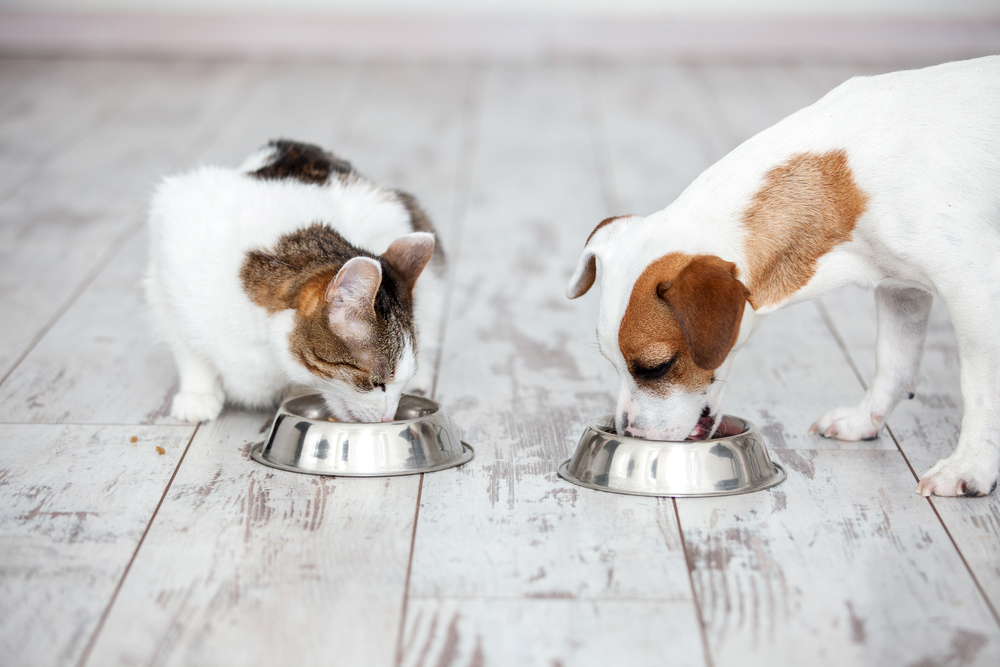
Ever found yourself wondering if it’s safe to let your dog nibble on cat food? You’re not alone.
Many pet owners, like you, have asked this question, hoping to ensure their furry friends stay healthy and happy. The truth is, while those curious canine eyes might beg for a taste of the kitty’s dinner, there are important things you need to know.
We’ll dive into the differences between cat and dog food, and explore whether letting your dog indulge in a feline feast could be harmful. Keep reading to uncover the facts that could impact your pet’s well-being and put your mind at ease.
Nutritional Differences
Cat food and dog food are not the same. Both foods are designed for different animals with unique needs. Understanding these differences is important to keep pets healthy.
Protein Levels
Cats need more protein than dogs. Their bodies require it for energy and health. Cat food often contains higher protein levels to meet this need. Dogs can eat cat food occasionally, but it’s not ideal for regular meals. High protein can strain a dog’s kidneys over time.
Vitamin Content
Vitamins in cat and dog food differ too. Cats need taurine, a vital nutrient not found in dog food. Dogs get their taurine from other sources. Feeding dog food to cats can lead to nutrient deficiencies.
Fat Composition
Fat content also varies between cat and dog food. Cats need more fat for a healthy coat and skin. Dog food has less fat, which suits their dietary needs. Too much fat from cat food may cause weight gain in dogs. This can lead to health issues.
Credit: www.petmd.com
Digestive System Impact
Feeding dogs cat food might seem harmless at first. Yet, the impact on their digestive system can be significant. Dogs and cats have different nutritional needs. Cat food is rich in proteins and fats. This can affect a dog’s digestion differently.
Short-term Effects
Dogs eating cat food may experience an upset stomach. Vomiting and diarrhea are common reactions. The high protein content can overwhelm their digestive system. Their bodies are not used to such richness. Some dogs might show symptoms immediately. Others may take a few hours.
Long-term Consequences
Over time, a dog’s health can decline. Regular consumption of cat food can lead to obesity. The excess fat and calories are not ideal for dogs. Kidney problems may also arise. High protein levels can stress their kidneys. Deficiencies in essential nutrients are another risk. Dogs require certain vitamins and minerals not found in cat food. This can lead to poor coat health and weaker bones.
Behavioral Changes
Have you ever noticed behavioral changes in your dog after they’ve sneaked a taste of cat food? Dogs are known for their curious nature and sometimes, that curiosity leads them to explore the food bowl of their feline friends. But what happens when your dog consumes cat food regularly? Could it alter their behavior? Let’s dive into the possible impacts on your dog’s feeding habits and food preferences.
Feeding Habits
Dogs and cats have distinct dietary needs, and feeding habits reflect these differences. When dogs start eating cat food, they might display unusual feeding behavior. You might find your dog begging more frequently for meals or snacks. Cat food is generally richer in fats and proteins, which may make your dog crave it more.
Have you noticed your dog ignoring their own food bowl? This change could be linked to the appeal of cat food. Dogs can develop a preference for the taste and aroma of cat food, leading them to disregard their regular meals. This might result in them scavenging more around the house or even trying to raid the cat’s food supply.
Food Preferences
Once your dog gets accustomed to the taste of cat food, their food preferences might shift. Cat food often contains higher protein levels, which can be enticing for dogs. This shift can lead your dog to become picky with their own diet, rejecting foods they previously enjoyed.
Consider the nutritional balance of your dog’s diet. Regular consumption of cat food can skew this balance, possibly causing digestive issues or weight gain. Have you observed any changes in your dog’s weight or energy levels? It’s crucial to monitor these aspects to ensure your dog stays healthy.
Think about the long-term effects of these changes. Could they impact your dog’s health and happiness? Addressing these shifts early can prevent potential health problems. Have you ever tried switching your dog’s food only to find they prefer something else entirely? Your experience can offer valuable insights into how dietary changes influence canine behavior.
Ultimately, the key is to maintain a balanced and appropriate diet for your dog. Have you considered consulting a vet to discuss your dog’s dietary needs? It might be time to reevaluate their feeding habits and preferences to ensure they remain happy and healthy. What steps will you take to address these changes? Your dog’s well-being may depend on the choices you make today.
Health Risks
Feeding your dog cat food might seem like a harmless act, especially when your dog eagerly gobbles it up. But have you ever stopped to think about the health risks involved? Cat food is formulated with nutrients cats need, which might not align with a dog’s dietary requirements. Let’s explore the potential health risks that can arise from feeding your dog cat food, focusing on two critical aspects: pancreatitis and obesity concerns.
Pancreatitis
One of the major health risks of feeding cat food to dogs is pancreatitis. Dog owners often find themselves dealing with a sick pup after they’ve consumed cat food. This is because cat food is typically higher in fat content compared to dog food. Such high levels of fat can trigger inflammation of the pancreas in dogs. Imagine dealing with a lethargic, uncomfortable pet simply because of a diet mistake.
Pancreatitis can cause severe abdominal pain and vomiting in dogs. Even a small amount of cat food can lead to this painful condition. If your dog has a sensitive stomach or a history of pancreatitis, keeping cat food out of reach is essential. Consider this the next time you catch your dog sneaking into the cat’s food bowl.
Obesity Concerns
Another risk of letting your dog feast on cat food is obesity. Cat food is calorie-dense, designed to meet the energy needs of cats, not dogs. Your dog might enjoy the taste, but the long-term effects could be damaging. An overweight dog can face numerous health issues, from joint pain to heart disease.
Think about your dog’s health and activity level. Are they getting enough exercise to burn off those extra calories from cat food? Obesity can sneak up on you, especially if your dog is munching on more than just their designated meals. Regularly check your dog’s weight and adjust their diet accordingly to avoid these weight-related complications.
So, next time your dog looks longingly at the cat’s food, ask yourself: Is it worth the potential health risks? Keeping your pet healthy often means making tough choices, and ensuring they eat food specifically designed for them is one of those decisions.
Veterinary Insights
Many pet owners wonder if cat food can harm dogs. Veterinary insights shed light on this common concern. Dogs and cats have different nutritional needs. Cat food contains higher protein and fat levels. These ingredients may affect dogs differently.
Understanding the impact of cat food on dogs helps ensure their health. Veterinary experts offer valuable insights on this topic.
Professional Opinions
Veterinarians emphasize the differences in cat and dog diets. Cat food lacks essential nutrients for dogs. Dogs need specific vitamins and minerals that cat food does not provide. Regular consumption can lead to health issues.
Experts warn against feeding dogs cat food regularly. Occasional consumption is not harmful. Continuous intake may cause digestive problems. Some dogs may experience weight gain due to high fat content. Veterinary professionals advise caution.
Recommended Actions
Provide dogs with food designed for them. Monitor their diet closely. Avoid letting dogs eat cat food often. If they consume cat food, watch for signs of discomfort. Consult a veterinarian if issues arise.
Store cat food out of reach from dogs. Educate family members on proper feeding habits. Consider feeding pets separately to prevent accidental consumption. Keep both pets healthy with appropriate diets.

Credit: www.akc.org
Alternatives And Solutions
Cat food is designed for feline nutrition and may lack essential nutrients for dogs. Dogs eating cat food occasionally might experience digestive issues. Consider dog-specific food to ensure balanced nutrition and avoid potential health problems.
Finding alternatives and solutions for feeding your furry companions can be a tricky task, especially when you have both cats and dogs. Cat food may be tempting to dogs due to its rich aroma, but it’s not the best option for them nutritionally. If you’re wondering how to keep your dog healthy while ensuring they don’t sneak a bite of the cat’s meal, you’re not alone. Many pet owners face this challenge. Let’s dive into some practical alternatives and solutions to keep your pets happy and healthy.Safe Dog Food Options
When choosing dog food, look for options that are specifically formulated for canine nutritional needs. This ensures that your dog receives the right balance of proteins, fats, and carbohydrates. Brands like Purina, Hill’s Science Diet, and Royal Canin offer a range of choices tailored to different breeds and life stages. Consider your dog’s specific dietary needs or restrictions. For example, if your dog has a sensitive stomach, you might opt for a grain-free formula or one made for sensitive digestion. Always read labels carefully and consult your vet if you’re unsure about what’s best for your dog. You might also explore wet vs. dry food options. Wet food can be more palatable for picky eaters, while dry kibble is often more convenient and helps with dental health. What does your dog prefer?Homemade Diets
If you enjoy cooking, preparing homemade meals for your dog can be both rewarding and beneficial. This allows you to control exactly what goes into your dog’s diet, using fresh and wholesome ingredients. A simple meal might include cooked chicken, brown rice, and vegetables like carrots or peas. Always ensure that homemade diets are nutritionally balanced. Dogs require specific nutrients that might be missing from a home-cooked meal. Consulting with a veterinary nutritionist can help you craft a diet that provides all the necessary vitamins and minerals. Be mindful of ingredients that are safe for dogs. Some foods, like onions and chocolate, are toxic to dogs and should never be included. Have you considered making a batch of homemade dog treats as well? Remember, every dog is unique, and what works for one might not work for another. Finding the right balance takes time and observation. Have you found a dog food option that works best for your pet?Preventing Accidental Consumption
Feeding dogs cat food by mistake might lead to digestive issues. Cats require nutrients not found in dog food. Dogs eating cat food regularly could face health problems. Keep pet foods separate to avoid accidental consumption.
Accidental consumption of cat food by dogs is a common concern for many pet owners. While an occasional nibble might not seem alarming, it’s crucial to prevent this habit from developing. Dogs and cats have different nutritional needs, and regular consumption of cat food can lead to health issues in dogs. So, how can you ensure your dog isn’t sneaking bites from your cat’s bowl? Here are some practical tips to help you keep your pets’ diets separate.Storage Tips
Proper storage of pet food can drastically reduce the chances of accidental consumption. Always keep cat food in a secure container with a lid. This not only keeps the food fresh but also makes it less accessible to curious dogs. Consider storing the cat food in a pantry or a cupboard that’s out of your dog’s reach. If space is limited, placing the container on a high shelf can be effective. Have you ever noticed how pets can be as sneaky as toddlers? A little extra precaution can go a long way.Feeding Guidelines
Set distinct feeding times for your cat and dog to minimize the risk of them eating each other’s food. Feed your pets in separate rooms if possible. This simple habit can prevent a lot of accidental munching. If your pets eat at the same time, supervise their meals to ensure they stick to their own bowls. You might even find a dedicated feeding area for each pet helpful. Have you ever tried using a baby gate to section off feeding areas? It can be an easy solution to keep your dog from wandering over to the cat’s dish. By being proactive with storage and feeding practices, you can prevent your dog from consuming cat food. These steps not only protect their health but also bring peace of mind to you as a responsible pet owner.
Credit: www.usatoday.com
Frequently Asked Questions
What Happens If My Dog Eats Cat Food?
Dogs eating cat food may experience digestive upset like diarrhea or vomiting. Cat food lacks essential nutrients for dogs. Occasionally eating it isn’t harmful, but frequent consumption can lead to health issues. Always provide your dog with balanced, species-appropriate food to ensure proper nutrition.
What Happens If Cat Food Is Given To A Dog?
Feeding dogs cat food can cause digestive upset due to higher protein and fat content. Long-term consumption may lead to nutritional imbalances, obesity, or pancreatitis. Always consult a veterinarian for dietary concerns.
Will One Bowl Of Cat Food Hurt My Dog?
One bowl of cat food likely won’t harm your dog. Cat food is rich in protein and fat, which dogs can digest. Frequent consumption isn’t recommended, as it lacks essential nutrients for dogs. Always monitor your dog for any adverse reactions.
Consult a vet if you’re concerned.
What Happens When I Feed My Cat Dog Food?
Feeding cats dog food can cause nutritional deficiencies. Cats need more protein and specific nutrients like taurine. Dog food lacks these essential nutrients, leading to potential health issues. It’s best to provide food specifically formulated for cats to ensure they receive all necessary nutrients for their health and well-being.
Conclusion
Dogs and cats have different dietary needs. Feeding dogs cat food occasionally might not harm them. But, regular consumption is risky. Cat food lacks nutrients dogs require. It is richer in protein and fat. Dogs need balanced meals for health.
So, choose dog food that meets their needs. Consult a vet if unsure. Your pet’s health is important. Always opt for safe choices. Keep their food separate to avoid issues. Proper nutrition ensures a happy, healthy dog. Remember, a well-fed dog is a happy companion.
Make informed decisions about your pet’s diet.