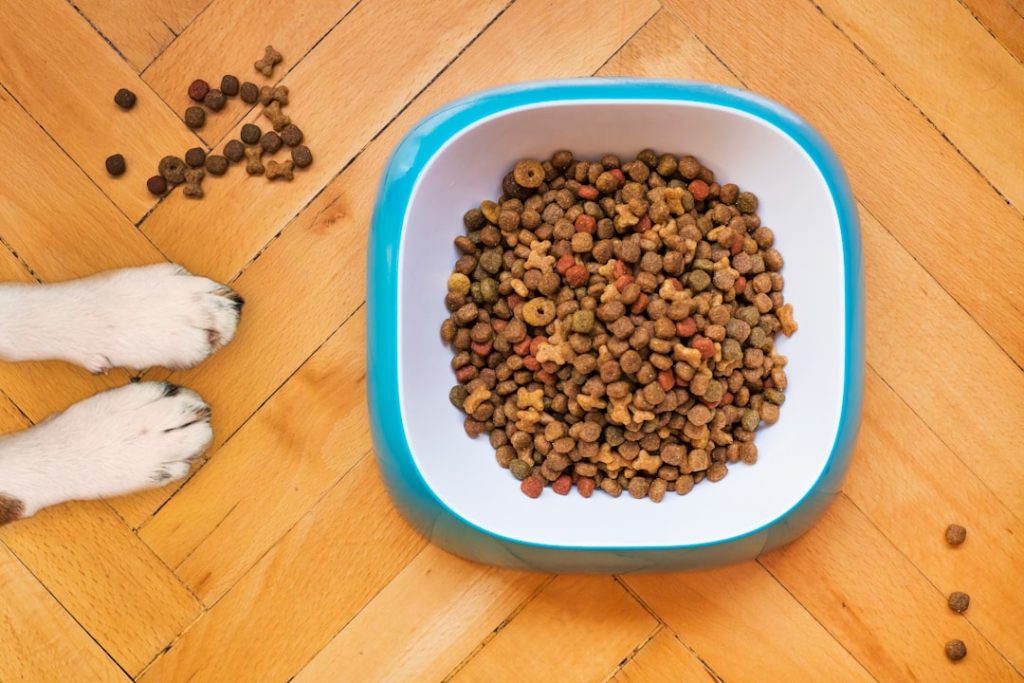
Is your dog always sneaking bites from your cat’s food bowl? You might be wondering if this seemingly innocent habit could cause any harm.
After all, both dogs and cats are beloved members of our families, and their health is a top priority. Understanding what goes into your pets’ food can help you make informed decisions that ensure their well-being. We’ll dive into the potential risks and benefits of your dog munching on cat food.
By the end, you’ll be equipped with the knowledge to keep both your furry friends happy and healthy. Let’s uncover the truth behind this common pet dilemma so you can rest easy knowing you’re doing what’s best for your beloved companions.
Differences In Nutritional Needs
Cats and dogs have different nutritional needs. Cat food is high in protein and fats, which can upset a dog’s stomach. Dogs require a balanced diet with carbohydrates and specific nutrients to stay healthy. Feeding cat food to a dog regularly may lead to health problems.
Understanding the differences in nutritional needs between cats and dogs is crucial when considering the impact of cat food on your furry friend. Dogs and cats have evolved to thrive on different diets, which is why their food is formulated differently. Feeding dog cat food occasionally might not seem like a big deal, but regularly doing so could lead to nutritional imbalances.Understanding Protein Requirements
Cats are obligate carnivores. This means they require a higher protein intake compared to dogs. Their diet is heavily meat-based, and cat food reflects this with a higher protein content. If your dog frequently eats cat food, they might consume more protein than necessary, which could lead to kidney issues over time.The Role Of Taurine
Taurine is an essential amino acid for cats. It’s vital for their vision, heart health, and reproductive functions. Cat food is rich in taurine, whereas dog food contains little to none. Dogs can produce taurine naturally, so they don’t need it from their diet. An excess of taurine from cat food could upset your dog’s balanced nutrition.Fat Content Differences
Cat food typically contains more fat to meet their energy needs. Dogs require less fat in their diet. A dog consuming too much fat from cat food might gain weight quickly, leading to obesity and associated health problems. Is your dog more lethargic or gaining weight unexpectedly? Their diet might be the culprit.Vitamin Needs Vary
Cats and dogs have different vitamin requirements. Cat food is fortified with higher levels of certain vitamins, like vitamin A, which is essential for cats but can be harmful in excess for dogs. If your dog is sneaking cat food regularly, they might experience vitamin toxicity.Consider The Long-term Effects
Feeding your dog cat food occasionally might not cause immediate harm. However, regularly doing so could lead to health issues due to the nutritional imbalances. Are the potential risks worth the convenience or the cost savings? Prioritizing your dog’s specific dietary needs ensures they live a healthier, happier life. Engaging with your pet’s nutritional needs shows your commitment to their well-being. Have you observed any changes in your dog’s behavior or health when they’ve eaten something different? Your insights could help other pet owners make informed choices.Common Ingredients In Cat Food
Have you ever wondered what exactly goes into your cat’s food and how it might affect your dog if they get a taste? Understanding the common ingredients in cat food can be the key to ensuring your furry friends stay healthy and happy. Let’s delve into what makes cat food different and why some ingredients might not be ideal for your dog.
Protein Sources
Cat food typically contains high levels of protein from meat, poultry, or fish. Cats are obligate carnivores, meaning they require a diet rich in protein. Your dog might enjoy these protein sources, but a diet too high in them can lead to imbalances since dogs are omnivores.
Think about the last time your dog gobbled down some cat food. Did they seem extra energetic or perhaps a bit unwell later? It’s essential to monitor their reactions, as too much protein can sometimes strain their kidney function.
Taurine
Taurine is a crucial amino acid in cat food. Cats need it for their heart health and vision. While dogs can synthesize taurine on their own, consuming cat food occasionally won’t harm them. However, relying on it regularly could lead to nutrient imbalances.
If your dog accidentally eats cat food containing taurine, consider it a minor slip. But if they show a preference for it, it’s time to ensure their diet is balanced and meets their specific needs.
Fat Content
Cat food tends to have higher fat content than dog food. This is because cats use fats as a primary energy source. For dogs, too much fat can result in weight gain or digestive issues.
Ever noticed your dog sneaking around the cat’s bowl more than usual? It might be the enticing aroma of high-fat content. Limit these indulgences to prevent long-term health issues.
Fiber
Fiber is often less prevalent in cat food compared to dog food. Cats do not require as much fiber as dogs for digestion. If your dog frequently eats cat food, they might miss out on this vital nutrient.
Has your dog been looking less enthusiastic about their own meals? A diet lacking in fiber can lead to digestion problems, so it’s crucial to ensure they get enough from their regular food.
So, what do you think? Are these ingredients aligning with what your dog needs? Understanding these differences will help you ensure your pets get the nutrition they deserve without any unintended consequences.
Potential Health Risks For Dogs
Have you ever caught your dog munching on cat food and wondered if it’s a big deal? While it might seem harmless, feeding cat food to your dog can actually pose several health risks. Understanding these potential dangers will help you make better choices for your furry friend’s diet and keep them healthy.
Digestive Issues
Dogs and cats have different digestive systems. Cat food is richer and often contains ingredients that a dog’s stomach struggles to process. This can lead to vomiting or diarrhea. If your dog has a sensitive stomach, even a small amount of cat food might upset their digestive balance.
Imagine the discomfort your dog feels after nibbling on cat food. It’s like when you eat something that doesn’t agree with you. It’s unpleasant, and you wouldn’t want your pet to go through it. Keep an eye on them after they’ve had some cat food to catch any early signs of digestive upset.
Nutrient Deficiencies
Cat food is designed to meet the nutritional needs of felines, not canines. Dogs need different nutrients to stay healthy. Regularly eating cat food can lead to deficiencies, particularly in proteins and vitamins essential for dogs. This can impact their energy levels and overall health.
Think about how your energy dips when you skip a nutritious meal. Dogs need a balanced diet too, and cat food lacks many elements they need. Make sure your dog gets all the nutrients they require by sticking to dog-specific food.
Weight Gain
Cat food is calorie-dense, and dogs can easily overeat it. It’s like giving a child free access to candy – they’ll eat more than they should. Over time, this can lead to weight gain in dogs, which opens the door to other health problems like diabetes and joint issues.
If your dog’s been sneaking cat food, you might notice their waistline expanding. This is a sign to reconsider their diet. Monitor their weight and adjust their meals to ensure they’re not consuming extra calories from cat food.
So, next time you see your dog eyeing the cat’s food bowl, ask yourself: Is it worth the risk? Protecting your dog’s health means making informed choices about their diet. Keeping them on a proper dog food regimen is the best way to ensure their well-being and happiness.

Credit: greensafaris.com
Signs Of Cat Food Consumption
Dogs are curious creatures, often getting into things they shouldn’t. One common issue is dogs eating cat food. It’s vital to recognize the signs of cat food consumption in dogs. Understanding these signs helps you take action and prevent potential health issues.
Changes In Appetite
Dogs eating cat food may show changes in eating habits. They might eat less of their regular food. Sometimes, they refuse their meals altogether. This shift can indicate a preference for cat food.
Digestive Issues
Cat food is richer than dog food, leading to stomach problems. Dogs may experience diarrhea or vomiting after eating it. Keep an eye on their bathroom habits for any irregularities.
Weight Gain
Cat food contains higher fat content, causing dogs to gain weight. If your dog is getting heavier quickly, cat food might be the reason. Monitor their weight closely to ensure it stays healthy.
Lethargy
Eating cat food can make dogs tired and sluggish. They may sleep more than usual or lack energy. Lethargy is a common sign of dietary imbalance.
Changes In Coat Condition
Dogs might develop a dull coat from consuming cat food. Their fur could lose shine and become dry or brittle. Nutritional imbalance affects their skin and fur health.
Safe Alternatives For Dogs
Dogs have specific dietary needs that differ from cats. Feeding cat food to dogs can lead to health issues. It is crucial to find safe alternatives for your canine friend. These alternatives must provide the right nutrients and support their health.
Homemade Dog Meals
Prepare meals using fresh ingredients like lean meats and vegetables. Avoid adding seasonings or spices. Cook the ingredients thoroughly to avoid bacteria. Homemade meals can be a balanced option.
Commercial Dog Food
Choose dog food brands with high-quality ingredients. Look for options that list meat as the first ingredient. Check labels for essential vitamins and minerals. Commercial dog food is designed for dogs’ nutritional needs.
Raw Diets
Raw diets include uncooked meats, bones, and organ meats. Ensure the meats are fresh and safe. Consult a vet before starting a raw diet. Raw diets can provide natural nutrients.
Wet Food Options
Wet dog food can be a tasty alternative. It contains moisture and is easy to digest. Look for options with real meat and no fillers. Wet food can be a treat for picky eaters.
Dog Supplements
Add supplements to their regular diet for extra nutrients. Choose supplements that support joint health, coat condition, and digestion. Discuss with a vet for the best options. Supplements can boost overall health.
Consulting A Veterinarian
Talk to a veterinarian for personalized advice. They can recommend specific diets or brands. Regular check-ups ensure your dog’s diet is suitable. A vet can guide you in making informed choices.
Preventing Accidental Consumption
Dogs are curious creatures. They often explore their surroundings. This can lead them to cat food bowls. Cat food isn’t poisonous to dogs, but it isn’t healthy for them either. Preventing accidental consumption is crucial for their health. Let’s explore some practical steps to keep your dog safe.
Keep Cat Food Out Of Reach
Place cat food in elevated areas. Cats can easily jump, but dogs can’t. Use shelves or high counters. This keeps the food away from your dog’s reach. It’s a simple yet effective method.
Separate Feeding Areas
Designate different feeding spots for cats and dogs. This creates a clear boundary. Dogs will learn where they shouldn’t go. Choose areas that are easy to supervise. This helps prevent accidental consumption.
Use Pet Gates
Install pet gates to restrict access. Use them in areas where cat food is kept. Dogs can’t reach the food if they can’t enter. Pet gates are affordable and easy to set up. They provide a physical barrier that is hard to ignore.
Monitor Feeding Times
Keep an eye on your pets during feeding. Remove cat food immediately once they’re done. This ensures dogs don’t sneak a taste. Consistent monitoring reduces risks significantly.
Train Your Dog
Teach your dog basic commands. “Leave it” is particularly useful. With training, dogs learn to avoid cat food. Positive reinforcement works best. Reward them when they obey.
Use Automatic Feeders
Consider automatic feeders for cats. These devices dispense food at set times. They can be programmed to close after feeding. This limits your dog’s access to the food.
Consult A Veterinarian
If your dog consumes cat food regularly, consult a vet. They can assess any health impacts. Vets offer professional advice tailored to your pet’s needs. Early intervention can prevent health issues.
Veterinary Advice
Cat food is not ideal for dogs. It lacks the proper nutrients dogs need for a balanced diet. Over time, it can cause health issues due to its high protein and fat content.
When it comes to pet care, understanding the dietary needs of both dogs and cats is crucial. Many pet owners wonder if it’s safe to let their dog nibble on cat food. Veterinary advice can provide clarity on this common concern. Let’s delve into what experts say about whether cat food can harm your dog.Understanding Nutritional Differences
Dogs and cats have different nutritional needs. Cat food is rich in protein and fat, designed to meet a feline’s dietary requirements. On the other hand, dogs need a more balanced diet with a variety of nutrients. If your dog eats cat food occasionally, it might not be harmful. However, regular consumption can lead to nutritional imbalances. Imagine swapping your balanced meal for fast food every day—it’s not sustainable.Potential Health Risks
Feeding your dog cat food regularly can lead to obesity due to its high-fat content. Overweight pets face various health issues, including joint problems and heart disease. Cat food can also be too rich for a dog’s digestive system. This might cause stomach upset, diarrhea, or vomiting. Have you ever felt uneasy after eating something too rich? Your dog could feel the same way.Signs Your Dog Ate Cat Food
If your dog sneaks a bite of cat food, watch for signs of discomfort. These might include bloating, lethargy, or changes in stool. If you notice these symptoms, consider reaching out to your veterinarian. They can offer advice tailored to your pet’s specific needs. Your vet might suggest keeping cat food out of reach or using separate feeding areas.Veterinary Recommendations
Veterinarians generally advise against feeding dogs cat food. It’s best to stick to a diet formulated for your pet’s species and size. Tailored nutrition ensures your dog stays healthy and active. To prevent accidental munching, store cat food securely. You could also train your dog to understand boundaries around food bowls. Have you ever tried using a baby gate to separate feeding areas? It can be quite effective. Veterinary advice helps you make informed decisions for your pets. By understanding the differences in cat and dog nutrition, you can ensure both pets receive the care they deserve. Taking simple steps can prevent unnecessary health issues and keep your furry friends happy.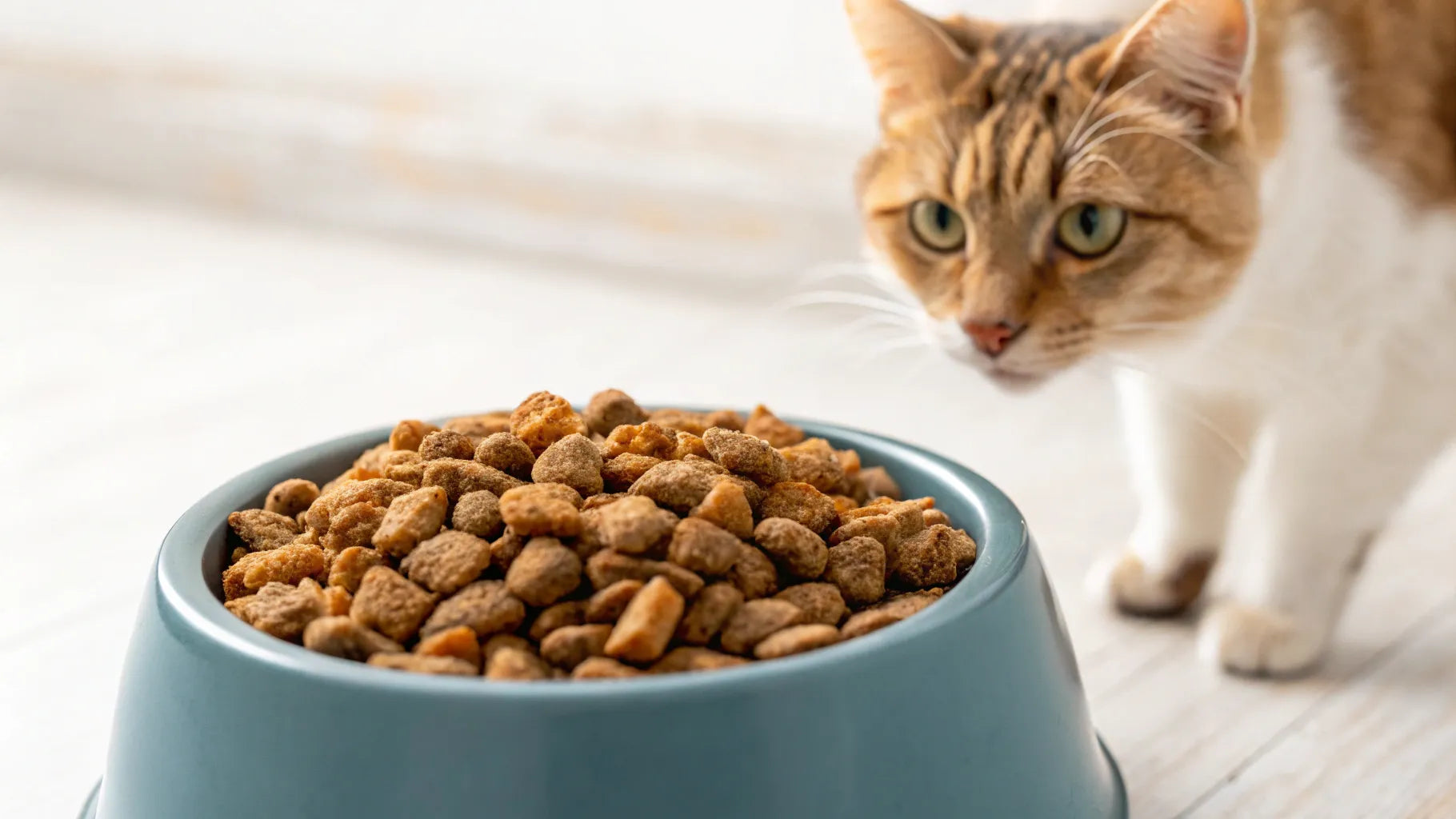
Credit: www.houndsy.com

Credit: www.akc.org
Frequently Asked Questions
What Happens If My Dog Eats Cat Food?
Dogs eating cat food occasionally isn’t harmful. Cat food lacks nutrients dogs need and is higher in protein and fat. Regular consumption can cause digestive issues, obesity, or pancreatitis in dogs. Ensure your dog has a balanced diet suitable for their needs to maintain optimal health.
Is Dry Cat Food Bad For Dogs?
Dry cat food isn’t ideal for dogs. It lacks essential nutrients for dogs’ health and can cause digestive issues. Some ingredients may even be harmful. Feeding dogs their specific food ensures balanced nutrition and well-being. Always consult a veterinarian before offering different pet food.
What Happens If Cat Food Is Given To A Dog?
Feeding cat food to a dog may cause digestive upset due to different nutritional needs. It can lead to vomiting, diarrhea, or obesity. Cat food is higher in protein and fat, which isn’t suitable for dogs long-term. Always provide your dog with food specifically formulated for its dietary requirements.
Will One Bowl Of Cat Food Hurt My Dog?
A single bowl of cat food won’t harm your dog. Regular consumption can cause nutritional imbalance. Cat food is higher in protein and fat. Ensure your dog eats a balanced diet specifically formulated for them. Always consult your vet for dietary concerns.
Conclusion
Feeding dog cat food occasionally won’t cause harm. But it’s not ideal. Dogs need different nutrients. Cat food lacks these essentials. Over time, it might affect their health. Stick to dog-specific food for best results. It supports their growth and well-being.
Always consult a vet for advice. They provide guidance tailored to your pet. Remember, balanced nutrition is key. Your dog’s health depends on it. Choose wisely to keep them happy and healthy.