Why Does My Cat Bite Me When I Pet Him? Uncover Secrets!
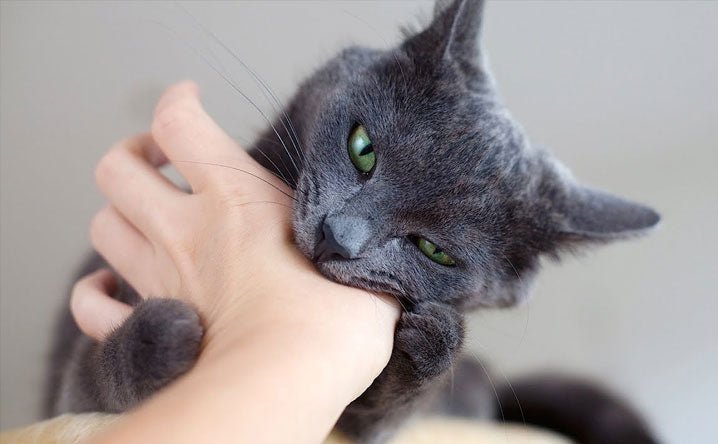
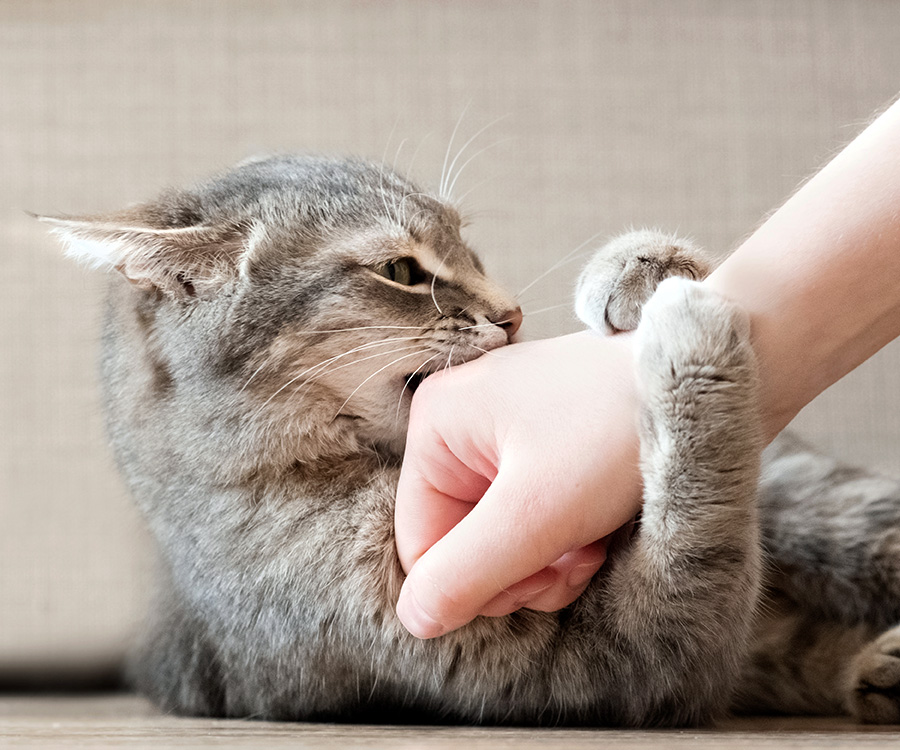
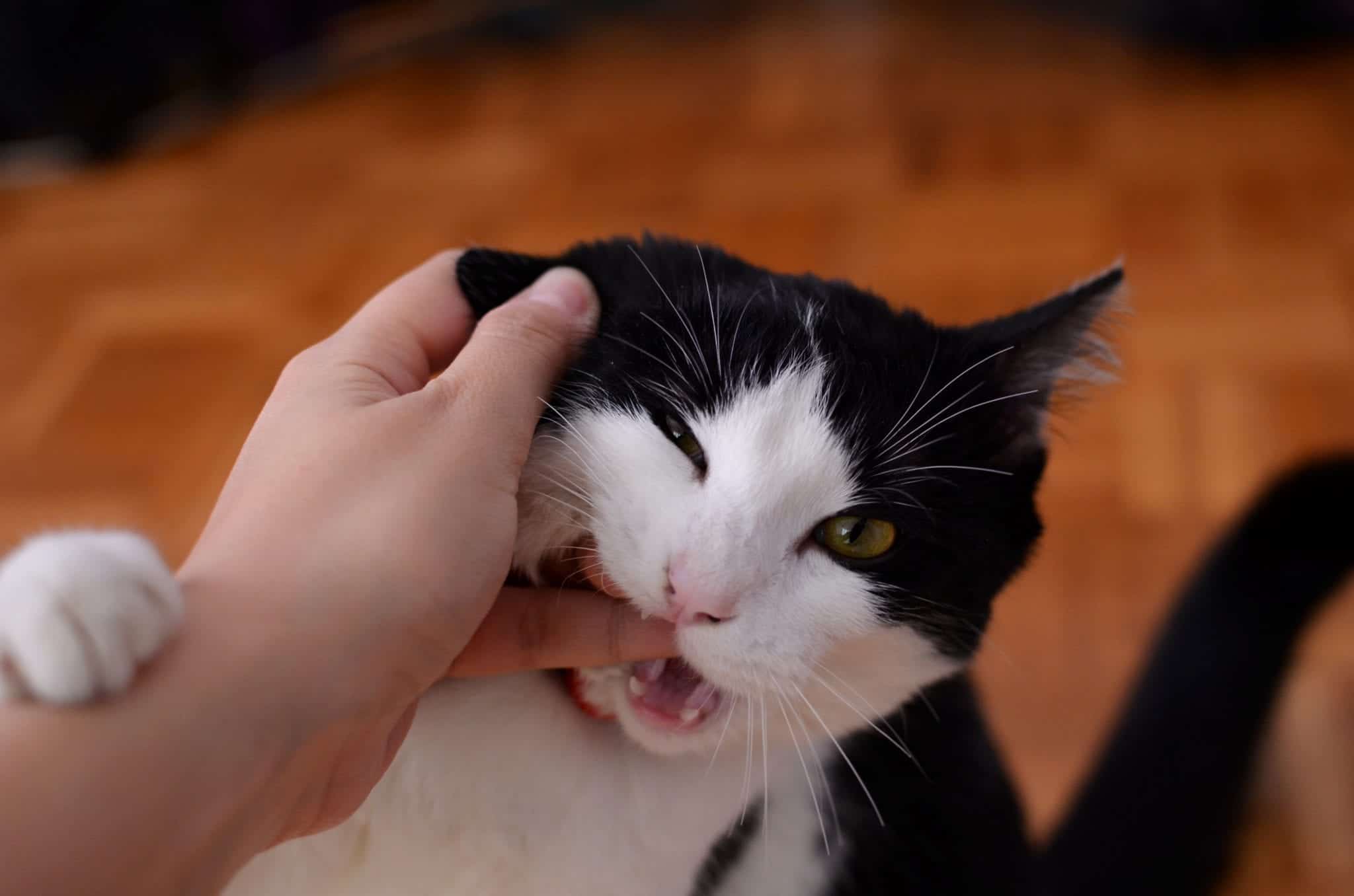
You’re relaxing on your couch, gently stroking your cat’s fur, enjoying those soothing purrs. Suddenly, without warning, your beloved feline turns and bites you.
Why does this happen? If you’ve ever wondered why your cat bites you when you pet him, you’re not alone. This behavior can be puzzling, even frustrating. But understanding the reasons behind it can strengthen your bond with your furry friend.
We’ll uncover the mystery of these unexpected nibbles, offering insights that will not only satisfy your curiosity but also enhance your relationship with your cat. Get ready to dive into the fascinating world of feline behavior and discover why your cat might bite you during petting sessions.
Credit: www.hartz.com
Common Reasons Cats Bite
Understanding why your cat might bite you during petting can strengthen your bond. Cats communicate in unique ways, and biting is one of them. Let’s dive into the common reasons behind this behavior and help you improve your interactions with your feline friend.
Overstimulation
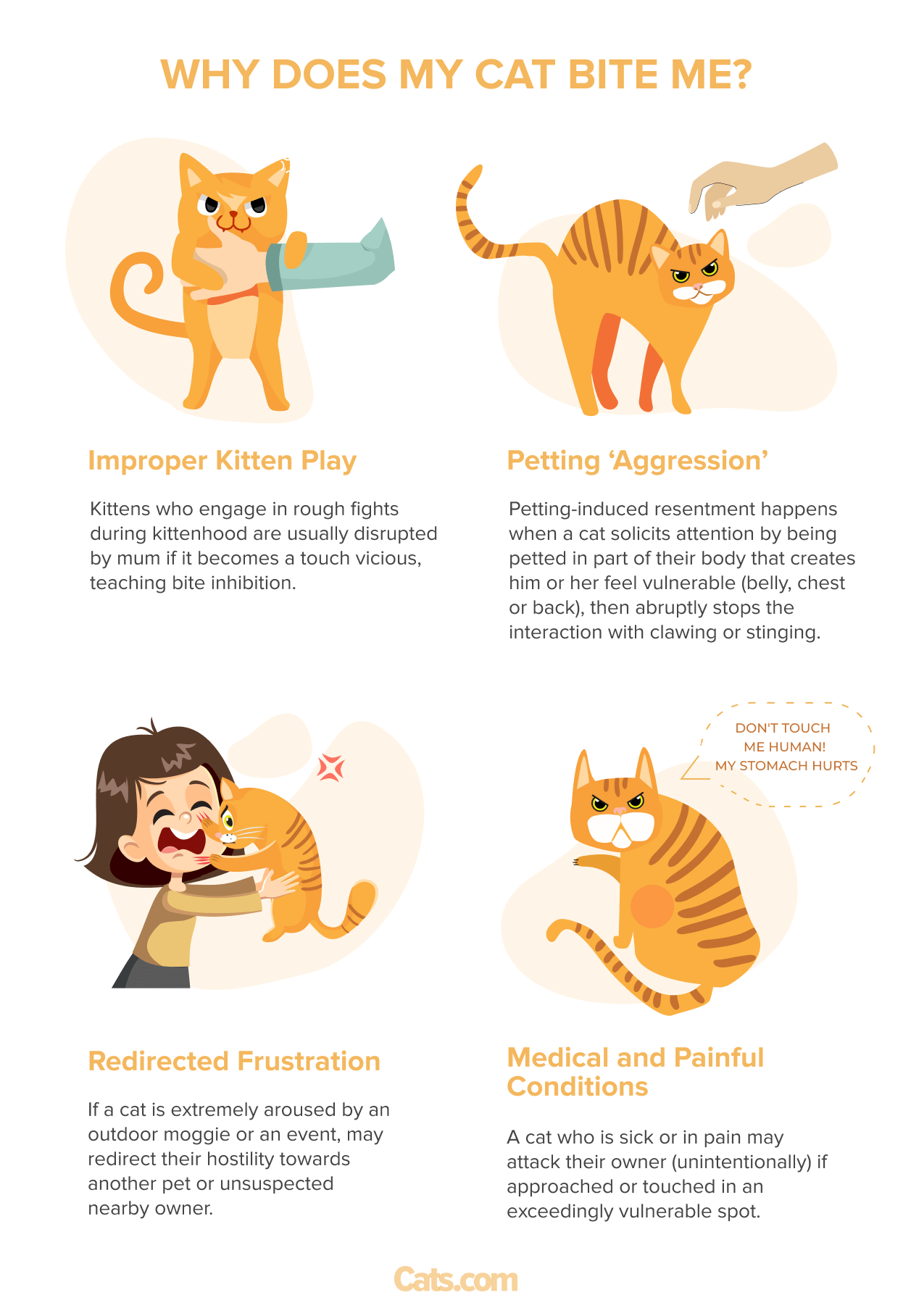
Have you ever been petting your cat, only for them to suddenly nip at you? This might be due to overstimulation. Cats have sensitive nerve endings, and too much petting can be overwhelming. Pay attention to signs like tail twitching or ears flattening. It’s your cat’s way of saying, “I’ve had enough!”
Fear Or Anxiety
Fear or anxiety can also lead to biting. If your cat feels threatened, they might bite to protect themselves. This could be triggered by a sudden loud noise or unfamiliar person. Try to identify and remove the stressor. Creating a calm environment can help your cat feel safe.
Redirected Aggression
Redirected aggression is an interesting behavior. Imagine your cat sees another cat outside the window and becomes agitated. Unable to reach the other cat, they might redirect their frustration by biting you. Offering distractions like toys can help channel their energy elsewhere.
Play Behavior
Cats often bite during play, especially if they weren’t taught as kittens that biting hurts. They see your hands as toys, not realizing it’s painful for you. Encourage gentle play with appropriate toys. This helps teach them boundaries and ensures playtime is fun for both of you.
Have you noticed any of these behaviors in your cat? Understanding the ‘why’ behind their actions can foster a more harmonious relationship. By observing your cat’s cues and adjusting your approach, you can enjoy more peaceful petting sessions. What steps will you take today to better understand your furry companion?
Understanding Cat Body Language
Understanding cat body language can help explain why your cat bites. Cats have unique ways to communicate their feelings. Knowing these signals can prevent misunderstandings. It’s important to recognize signs your cat gives during interactions.
Signs Of Contentment
A purring cat is usually happy. Slow blinking shows relaxation and trust. Kneading with paws is another sign of comfort. Cats may also roll onto their backs, revealing their belly. This suggests they feel safe with you.
Warning Signals
Watch for sudden tail flicks or swishes. These movements can mean irritation. Flattened ears signal anger or fear. If your cat stiffens its body, it’s a warning. Hissing or growling clearly indicate displeasure. Stop petting if these signs appear.
Tail Movements
A tail held high shows confidence. If it quivers, your cat is excited. A puffed-up tail signals aggression or fear. A low or tucked tail means submission or nervousness. Understanding tail movements helps gauge your cat’s mood.
How To Respond To Cat Bites
Understanding why your cat bites during petting can help improve your bond. Cats bite for various reasons, such as overstimulation or asserting boundaries. Your response to these bites is crucial. It ensures that you maintain a positive relationship with your feline friend. This section explores effective strategies for responding to cat bites.
Stopping The Behavior
Identify patterns in your cat’s biting behavior. Notice how your cat reacts before biting. This helps you anticipate and prevent bites. Pause petting if your cat seems agitated. Give them a moment to calm down. Avoid scolding or punishment. This may increase aggression or fear.
Calm And Gentle Approaches
Use a soothing voice and gentle touch. Cats respond well to calm energy. Speak softly to reassure your cat. Offer a treat or toy to distract them. This shifts their focus from biting. Regularly check your cat’s body language. Tail flicks or ears back signal discomfort. Adjust your interaction accordingly.
Training Techniques
Train your cat to associate petting with positivity. Use positive reinforcement methods. Reward them with treats for gentle behavior. Teach them commands like “gentle” or “enough.” Practice these commands consistently. Gradually increase petting duration as your cat adjusts. Be patient and observant. Training takes time but fosters trust.
Credit: coleandmarmalade.com
Creating A Safe Environment
Cats often bite during petting as a form of communication. They might feel overstimulated or need a break. Creating a calm, safe environment helps understand their boundaries and promotes gentle interactions.
Creating a Safe Environment Have you ever wondered why your cat suddenly nips at your hand while you’re petting him? It might be time to consider how your home environment impacts his behavior. A safe and comfortable space can significantly reduce stress and aggression in cats. Let’s explore some practical steps to make your home a haven for your feline friend.Reducing Stress Factors
Stress can trigger biting behavior in cats. Loud noises, sudden movements, or unfamiliar visitors can make your cat feel threatened. Think about your home environment. Are there stressors you can eliminate? Consider setting up a quiet area where your cat can retreat when he feels overwhelmed. It’s amazing how a simple change like reducing loud TV volume can make a difference. Your cat’s comfort matters, and minimizing stress can lead to happier interactions.Establishing Boundaries
Cats need boundaries just like humans do. It’s crucial to understand when your cat wants attention and when he needs space. Observe his body language. If he pulls away or his tail flicks, it might be his way of saying, “Enough for now.” Reflect on your interactions. Are you respecting his signals? By establishing clear boundaries, you create trust and prevent unwanted biting.Providing Enrichment
Cats are natural hunters, and they thrive with stimulation. Without it, they might express frustration through biting. Add toys and activities that mimic hunting. Puzzle feeders, interactive toys, or even a simple cardboard box can keep your cat engaged. Think about what excites your cat. Does he love chasing a laser pointer? Spend time with him in play. Enrichment isn’t just fun; it’s essential for a balanced environment. Creating a safe environment goes beyond basic care. It involves understanding your cat’s needs and adjusting your home to meet them. Have you considered how these changes might improve your relationship with your cat?When To Seek Professional Help
Understanding your cat’s biting behavior can be tricky. However, it’s important to know when it’s time to seek professional help. If your cat’s biting becomes a persistent issue or if their behavior changes suddenly, consulting a veterinarian might be necessary. Let’s dive into these scenarios to ensure your feline friend stays healthy and happy.
Persistent Aggression
Has your cat become consistently aggressive when you’re petting them? If biting occurs often and seems unprovoked, it could signal deeper issues. Cats may bite due to stress, anxiety, or even pain. You might notice this aggression doesn’t wane even after trying various methods to calm your cat. Persistent aggression is a clear indicator that something might be wrong. Ignoring it could lead to further behavioral problems or even affect your relationship with your pet.
Sudden Behavioral Changes
Did your cat suddenly start biting during what used to be enjoyable petting sessions? Sudden changes in behavior can be alarming. If your previously gentle cat becomes aggressive, it might be reacting to a new stressor or health issue. Imagine waking up one day to find your pet’s demeanor drastically different. This could be a sign of a physical ailment or emotional distress. Addressing these changes promptly can prevent escalation and ensure your cat receives the care they need.
Consulting A Veterinarian
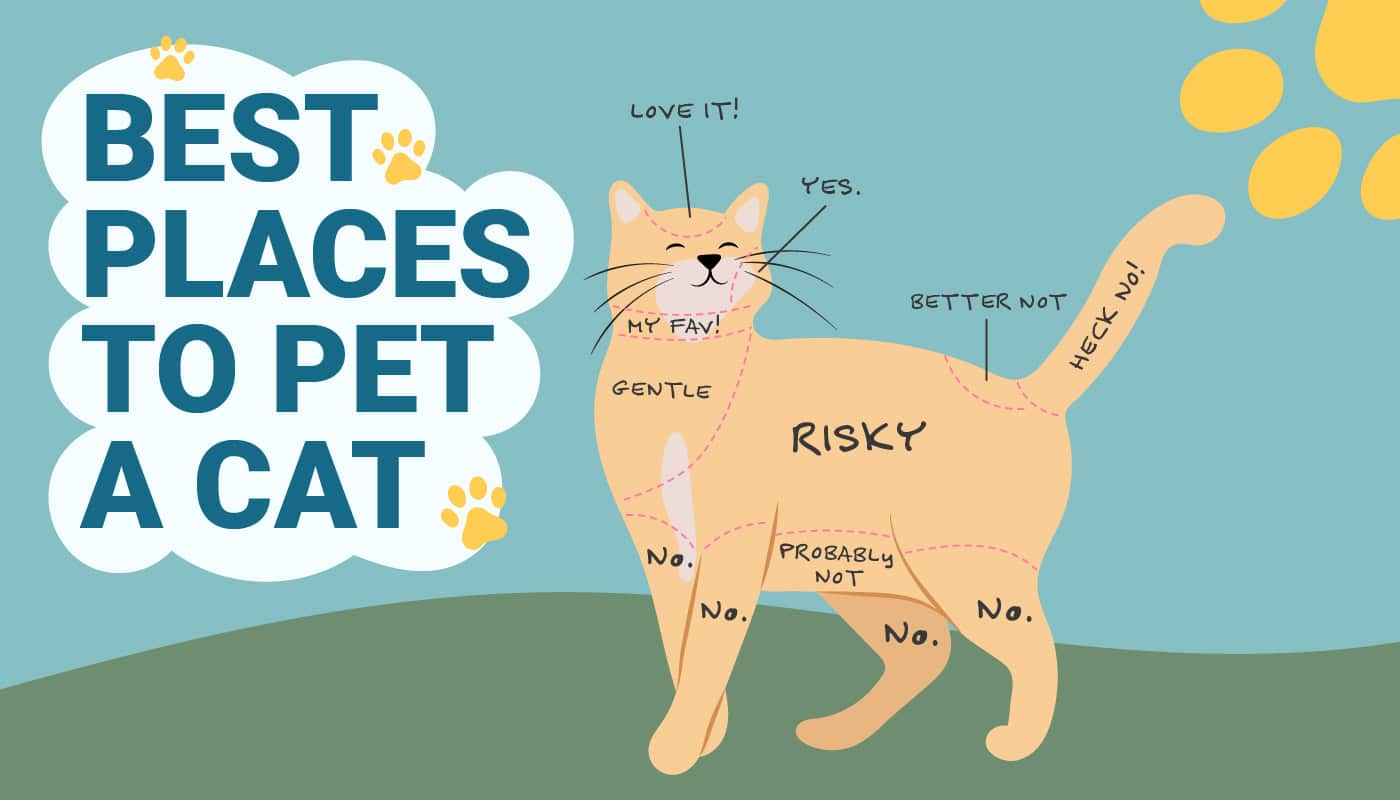
If your cat’s behavior persists or changes unexpectedly, a veterinarian can offer valuable insights. They can perform a thorough examination to rule out medical issues that might cause pain or discomfort. Additionally, a vet can provide advice tailored to your cat’s specific situation. Sometimes, behavioral issues stem from underlying health problems that aren’t immediately apparent. Seeking professional advice can help pinpoint the issue and lead to effective solutions.
Have you ever wondered if your cat’s biting is more than just a quirky trait? It might be time to consider professional help if these scenarios resonate with your experience. Your cat’s well-being is worth the extra step.
Credit: www.wb-iisg.com
Frequently Asked Questions
Why Does My Cat Want Me To Pet Her But Then Bites Me?
Cats may bite after being petted due to overstimulation or reaching their tolerance limit. It’s their way to communicate discomfort. Watch for signs like twitching tails or ears flattening. Understanding their body language helps prevent bites and ensures a positive interaction.
What Does It Mean If A Cat Bites You Gently?
A gentle cat bite often signals affection or playful behavior. Cats use soft bites to show love or attention. This can also be a way for them to initiate interaction or play. Always observe your cat’s body language for better understanding of their intent.
Why Does My Cat Grab My Hand And Bite Me When I Pet Him?
Cats may bite while being petted due to overstimulation or asserting boundaries. Pay attention to their body language. Sudden biting can indicate discomfort or excitement. Allow your cat to dictate interaction length and intensity for a positive experience. Adjust petting pressure and duration based on their responses.
Why Does My Cat Bite While Being Petted?
Cats might bite when petted due to overstimulation or discomfort. They have sensitive nerve endings, and too much petting can become overwhelming. Some cats also have specific areas they don’t like touched. Understanding your cat’s body language can help you stop before they feel the need to bite.
Conclusion
Understanding why your cat bites can improve your bond. Recognize their signals. Cats may bite due to overstimulation or stress. Observe their behavior closely. Give them space when needed. Use positive reinforcement to teach gentle interactions. Patience is key. Every cat is unique.
Some need more time to adjust. Always respect their boundaries. A little patience and understanding can go a long way. This knowledge helps create a happier environment for both. Enjoy a loving, bite-free relationship with your feline friend.

Similar Posts