Imagine this: you walk into your kitchen and find your dog happily munching on your cat’s food. You might think, “What’s the harm?”
After all, they’re both pets, right? But, before you brush it off, it’s crucial to understand why dogs shouldn’t eat cat food. Your furry friend’s health and happiness are at stake, and knowing the difference can make all the difference.
This article will uncover the hidden truths about why your dog needs its own dinner plate. Dive in to discover how you can make the best dietary choices for your beloved canine and ensure their tail keeps wagging with joy.
Nutritional Differences
Dogs and cats need different nutrients. Cat food contains high protein and fat levels. This can upset a dog’s stomach. Dogs eating cat food may miss essential nutrients. This imbalance could lead to health issues. Always choose food made for your pet.
Understanding the nutritional differences between dog and cat food is crucial for any pet owner. You might think a nibble of cat food wouldn’t harm your dog, but the truth is more complex. Dogs and cats have different dietary needs, and feeding your dog cat food regularly can lead to health issues. Let’s dig into why these differences matter.Protein Content
Cats are obligate carnivores, meaning they rely heavily on protein to survive. Their food typically contains higher protein levels compared to dog food. Dogs, being omnivores, require a balanced diet of proteins, grains, and vegetables. If your dog eats cat food frequently, they may consume too much protein, leading to kidney strain over time. Think about this: would you want your dog consuming something that their body isn’t designed to handle? It’s essential to stick to protein levels suitable for dogs.Fat Levels
Cat food often contains higher fat content to meet the energy demands of cats. Dogs, however, do not need as much fat in their diet. Feeding them cat food can result in excessive calorie intake. This can lead to obesity and other health problems like pancreatitis. Have you noticed your dog putting on extra pounds after sneaking some cat food? That might be why.Carbohydrate Needs
Carbohydrates play a significant role in a dog’s diet, providing necessary energy. Dog food is designed to include an appropriate mix of carbs that dogs need. In contrast, cat food typically contains fewer carbohydrates. If your dog isn’t getting enough carbs because they’re eating cat food, they may lack energy and vitality. Imagine your dog feeling sluggish and not wanting to play. This could affect their overall quality of life. Understanding these nutritional differences can help ensure your pet’s well-being. Next time your dog eyes that bowl of cat food, you’ll know why it’s best to keep them away. Have you ever had to separate your pets during mealtime to prevent this? It might be a good idea to start.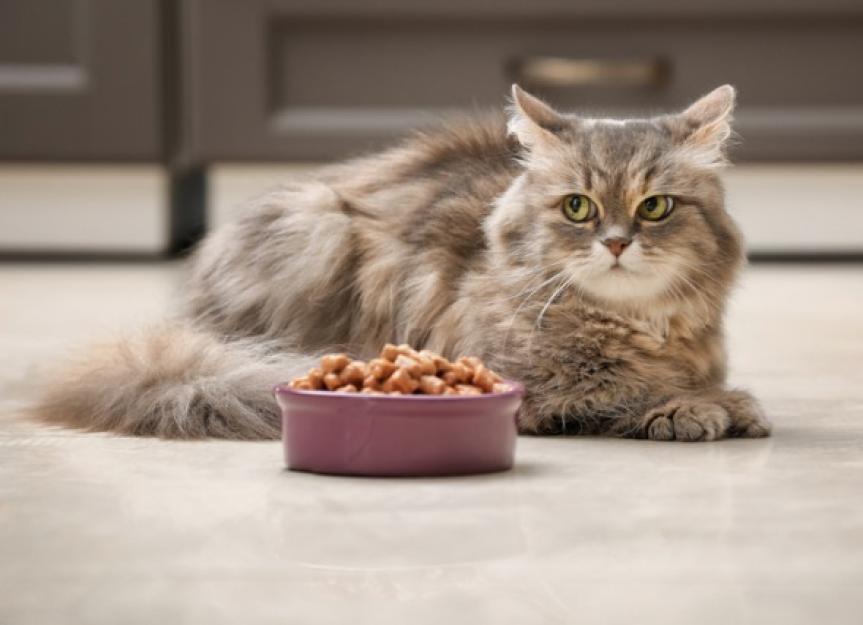
Credit: www.petmd.com
Health Risks
Dogs face health risks from eating cat food. Cat food’s high protein and fat content can harm a dog’s health. It may lead to obesity, upset stomach, or even liver problems in dogs.
Dogs and cats have different dietary needs. Feeding dogs cat food can pose health risks. Cat food is high in protein and fat. This can harm a dog’s health over time. Let’s explore the specific health risks involved.Digestive Issues
Dogs digest food differently than cats. Cat food can upset a dog’s stomach. It can cause vomiting and diarrhea. Dogs may also experience gas and bloating. These digestive issues can lead to discomfort and pain.Obesity Concerns
Cat food is calorie-dense. Dogs eating it may gain weight quickly. Obesity in dogs leads to health problems. It can cause joint pain and diabetes. Managing a dog’s weight is crucial for its health.Nutrient Deficiencies
Dogs need a balanced diet. Cat food lacks essential nutrients for dogs. It is low in vitamins and minerals dogs need. This can lead to deficiencies over time. A dog may suffer from weak bones or poor coat health. Ensuring dogs eat dog-specific food is important. `Behavioral Impact
Dogs should avoid cat food due to different nutritional needs. Cat food lacks necessary nutrients for dogs. Regular consumption may cause health issues and behavioral changes.
Dogs and cats have different dietary needs. Feeding your dog cat food can affect their behavior. Dogs may show changes in mood and energy levels. They might become more aggressive or restless. Understanding the behavioral impact is crucial for their well-being.Feeding Habits
Dogs have distinct feeding habits from cats. Cats graze, eating small meals all day. Dogs typically eat larger meals less often. Feeding dogs cat food can disrupt their eating patterns. They might overeat, leading to health problems. Regular feeding habits support a dog’s healthy lifestyle.Taste Preferences
Dogs and cats have different taste preferences. Cat food often has a strong aroma and taste. This can make it more appealing to dogs. But it doesn’t mean it’s good for them. Cat food is richer in protein and fat. Dogs need a balanced diet with varied nutrients. Eating cat food can lead to nutritional imbalances. Maintaining a proper diet helps keep dogs healthy and happy.Long-term Effects
Feeding dogs cat food might seem harmless, but it can cause serious health issues. Over time, the nutritional imbalance impacts their bodies negatively.
Organ Damage
Cat food has high protein levels, which can harm a dog’s organs. Dogs need less protein than cats. Excess protein stresses the kidneys. Over time, this can lead to kidney damage. The liver also suffers. It struggles to process the extra nutrients. This can result in liver disease. Both organs are vital for health. Damage affects overall well-being.
Life Expectancy
The wrong diet affects a dog’s lifespan. Organ damage shortens life expectancy. Dogs living on cat food may face early health issues. Their bodies wear out faster. Nutritional deficiencies also play a role. Dogs miss essential vitamins and minerals. These deficiencies lead to weak immunity. They become prone to illnesses. Regular vet visits may increase. Each health issue chips away at their lifespan.
Safe Alternatives
Dogs have different nutritional needs than cats. Cat food contains higher protein and fat content, which can harm dogs. Safe alternatives like dog-specific food ensure dogs get balanced nutrition tailored to their unique health requirements.
Feeding your dog the right food is crucial for their health and happiness. While it might be tempting to share cat food with your dog, doing so can lead to nutritional imbalances and health issues. Dogs and cats have different dietary needs, and ensuring your furry friend has a balanced diet is essential. Let’s dive into some safe alternatives that can keep your pup healthy and satisfied.Balanced Dog Diet
A balanced diet is key to a healthy dog. Dogs need a mix of proteins, carbohydrates, fats, vitamins, and minerals. Each nutrient plays a vital role in their growth and well-being. Commercial dog food is designed to meet these needs, offering a complete and balanced meal. Look for brands that list meat as the first ingredient. This indicates a higher protein content, which is essential for your dog’s energy and muscle development. Consult your vet about the best diet for your dog. They can recommend food tailored to your dog’s age, breed, and health requirements. Have you ever noticed your dog’s coat looking shinier after a diet change? That’s a sign of good nutrition!Homemade Options
Making homemade dog food can be a rewarding experience. You know exactly what goes into your dog’s meal, ensuring quality ingredients. Start with simple recipes that include cooked chicken, brown rice, and vegetables like carrots and peas. Remember, variety is important. Rotate protein sources such as beef, turkey, and fish. This keeps your dog interested and ensures they get different nutrients. Be cautious about adding spices or seasonings. Dogs have different digestive systems and might not handle certain flavors well. Have you ever tried a new recipe and noticed your dog eating with more enthusiasm? That’s the joy of homemade meals! Creating meals yourself can also save money. Bulk buying ingredients and preparing larger batches reduces costs. Plus, it gives you peace of mind knowing your dog is eating fresh, wholesome food. Choosing safe alternatives to cat food isn’t just about avoiding problems; it’s about enhancing your dog’s quality of life. What changes will you make to your dog’s diet today?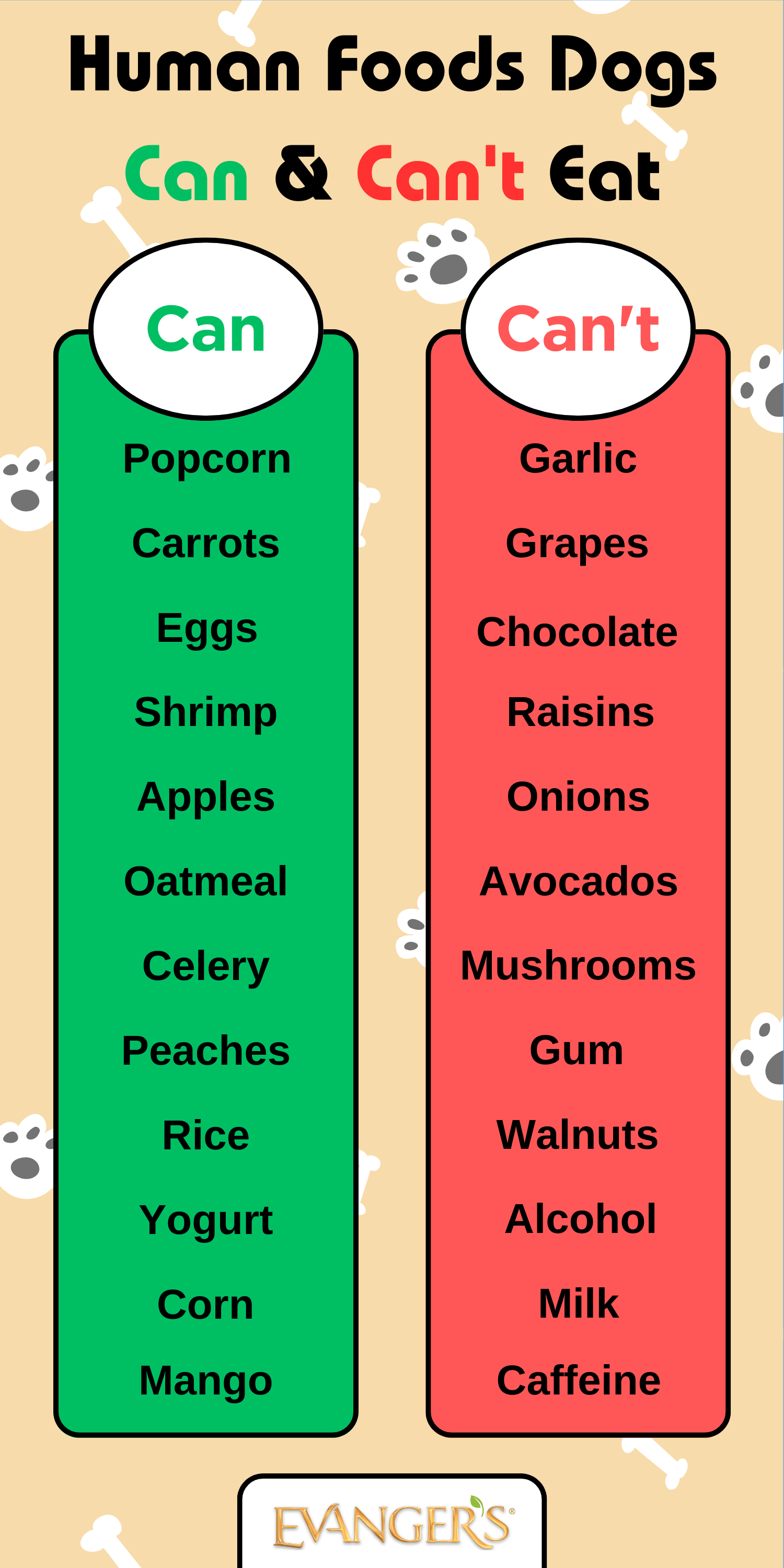
Credit: evangersdogfood.com

Credit: millersportsmallanimalclinic.com
Frequently Asked Questions
What Happens If My Dog Eats Cat Food?
Dogs eating cat food occasionally isn’t harmful, but it lacks essential nutrients for dogs. Regular consumption can cause digestive issues, obesity, and nutritional imbalances. Ensure your dog eats a balanced diet designed for its needs. If consumed in large amounts, consult your vet for advice.
What Happens If Cat Food Is Given To A Dog?
Dogs can eat cat food occasionally, but it lacks essential nutrients for them. Regular consumption may cause digestive issues and nutritional imbalances. Cat food is high in fat and protein, which can strain a dog’s liver and kidneys. Always choose dog-specific food for balanced nutrition.
Why Shouldn’t You Give Cat Food To Dogs?
Cat food lacks essential nutrients dogs need. It contains higher protein and fat levels, which can harm dogs’ health.
What Would Happen If You Fed A Cat Dog Food?
Feeding a cat dog food regularly can cause nutritional deficiencies. Cats need specific nutrients found only in cat food. Dog food lacks taurine, an essential amino acid for cats, leading to heart and vision problems. Occasionally feeding won’t harm, but it’s not a suitable long-term diet.
Always prioritize cat-specific food.
Conclusion
Dogs need their own food for a reason. Cat food lacks key nutrients for dogs. It can harm their health. Dogs and cats have different dietary needs. Feeding dog cat food might cause problems. It’s not safe for them. Always choose dog-specific food.
It ensures balanced nutrition. Keeps them happy and healthy. Consult a vet for advice. Keep your dog’s diet appropriate. It benefits their well-being. Stick to dog food to avoid issues. This choice supports their long-term health. Ensure your furry friend stays strong and active.
Proper nutrition makes a huge difference. Your dog deserves the best care.