When to Take Your Cat to the Vet for Vomiting: Essential Tips
If you’re a cat owner, you know how much joy and companionship your feline friend brings into your life. But when your cat starts vomiting, it can be a cause for concern.
You might wonder if it’s something minor or if it’s time to visit the vet. Your cat relies on you to make these important decisions, and understanding the signs can save you from unnecessary worry and ensure your pet gets the care it needs.
You’ll discover the key indicators that should prompt a vet visit and learn how to distinguish between normal and abnormal vomiting. You’ll gain peace of mind knowing when to act, keeping your beloved cat healthy and happy. Stay tuned to find out when those vet visits are crucial.
Credit: www.pethealthclub.com
Common Causes Of Cat Vomiting
Cats may vomit due to hairballs, food intolerance, or sudden dietary changes. Frequent vomiting or blood in vomit requires vet attention. Observe behavior and consult a vet if vomiting persists beyond 24 hours.
Vomiting in cats is not just a messy inconvenience; it can be a signal that something is amiss with your feline friend’s health. Understanding the common causes of cat vomiting can help you decide when it’s time to visit the vet. You might wonder if your cat has eaten something unusual or if there’s an underlying health issue. Let’s dive into the possible reasons why your kitty might be throwing up and how you can best support them.Dietary Indiscretion
Cats are curious creatures. Sometimes, they indulge in foods that don’t agree with their stomachs. Have you ever caught your cat nibbling on houseplants or sneaking a bite of your dinner? These dietary adventures can lead to vomiting. Monitor your cat’s access to food and plants to prevent these incidents.Hairballs
Hairballs are a common issue, especially for long-haired cats. As they groom themselves, they swallow loose fur, which can accumulate in their stomachs. Regular brushing can help reduce the formation of hairballs. Have you tried using a special hairball formula cat food? It might just be the solution you need.Food Allergies
Cats can develop allergies to ingredients in their food. Symptoms might include vomiting, diarrhea, or itchy skin. Have you noticed your cat reacting after meals? Switching to a hypoallergenic diet under a vet’s guidance could alleviate these issues. Keep an eye on your cat’s behavior and note any patterns related to their diet.Infections Or Illnesses
Infections or illnesses like pancreatitis or gastritis can cause vomiting. If your cat vomits frequently or shows other symptoms like lethargy or weight loss, it’s time to consult your vet. Early detection can make a significant difference in treatment outcomes.Parasites
Worms or other parasites in the digestive system can lead to vomiting. Regular deworming is crucial to keep your cat healthy. Does your cat go outside often? If so, they might be at higher risk for parasites. Regular vet check-ups can ensure they stay parasite-free.Chronic Conditions
Chronic conditions like kidney disease or diabetes can also result in vomiting. If your cat is diagnosed with a chronic illness, regular vet visits and consistent care are essential. How well do you know your cat’s health history? Keeping detailed records can help your vet provide the best care possible. By understanding these common causes of vomiting, you can better assess your cat’s health and act promptly. Are you ready to take the next step in ensuring your cat’s well-being? Your attentive care and quick response can make all the difference.Recognizing Serious Symptoms
Cats often vomit, but knowing when it’s serious is crucial. Persistent vomiting, blood, or lethargy signal it’s time for a vet visit. Prompt attention helps ensure your pet’s well-being.
When your cat vomits, it can be worrying, but not every episode is a cause for alarm. Understanding when vomiting signals a serious problem is crucial for your cat’s health. It’s important to recognize symptoms that require immediate veterinary attention. Knowing when to take action can make all the difference in ensuring your cat stays healthy and happy.Frequent Vomiting
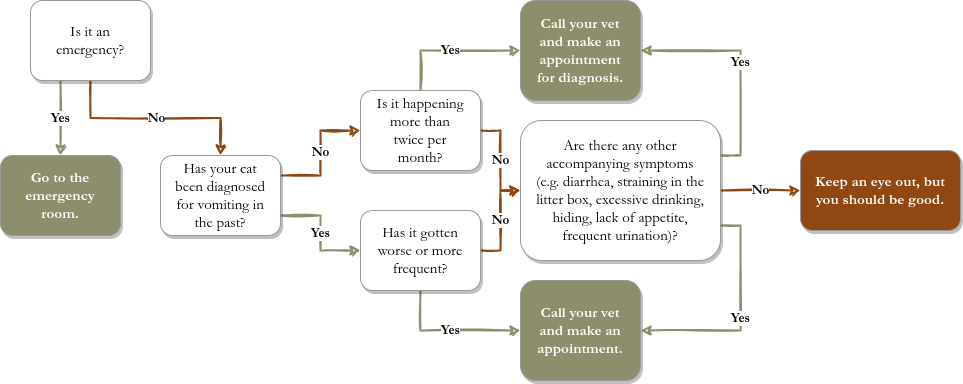
If your cat vomits more than once or twice in a short period, it may be more than just an upset stomach. Frequent vomiting can signal underlying health issues. Consider how often your cat is vomiting and whether there’s a pattern.Presence Of Blood
Blood in your cat’s vomit is a red flag. It could indicate internal bleeding or severe irritation. Observe the color of the vomit closely. If you notice any red or dark streaks, it’s time to call your vet immediately.Lethargy And Weakness
Vomiting accompanied by lethargy or weakness is concerning. Your cat may lie around more than usual or seem uninterested in play. This change in behavior can signal something more serious is going on.Painful Abdomen
Pay attention if your cat seems to be in pain when you touch its belly. Cats often hide pain, but if your cat reacts with discomfort or tries to move away, it might be in distress. This can be a sign of gastrointestinal problems that require veterinary care.Dehydration
Vomiting can lead to dehydration, especially if your cat isn’t drinking water. Check for signs like dry gums or sunken eyes. Gently pinch the skin on the back of your cat’s neck; if it doesn’t spring back quickly, your cat might be dehydrated.Loss Of Appetite
A cat that suddenly stops eating, especially if paired with vomiting, is a concern. Cats can quickly become ill without proper nutrition. Monitor their eating habits closely and note any changes.Unexplained Weight Loss
If your cat is losing weight but hasn’t changed its eating habits, this is something to watch. Weight loss with vomiting can indicate serious health problems. Keep track of your cat’s weight regularly.Other Unusual Symptoms
Be alert for other symptoms such as diarrhea, increased thirst, or unusual behavior. These can accompany vomiting and hint at a bigger issue. Trust your instincts; if something feels off, consult your vet. Recognizing these serious symptoms can be a lifesaver for your feline friend. If you’re ever in doubt, it’s better to err on the side of caution. Your vet is there to help, so don’t hesitate to reach out when your cat’s health is at stake.Frequency Of Vomiting Episodes
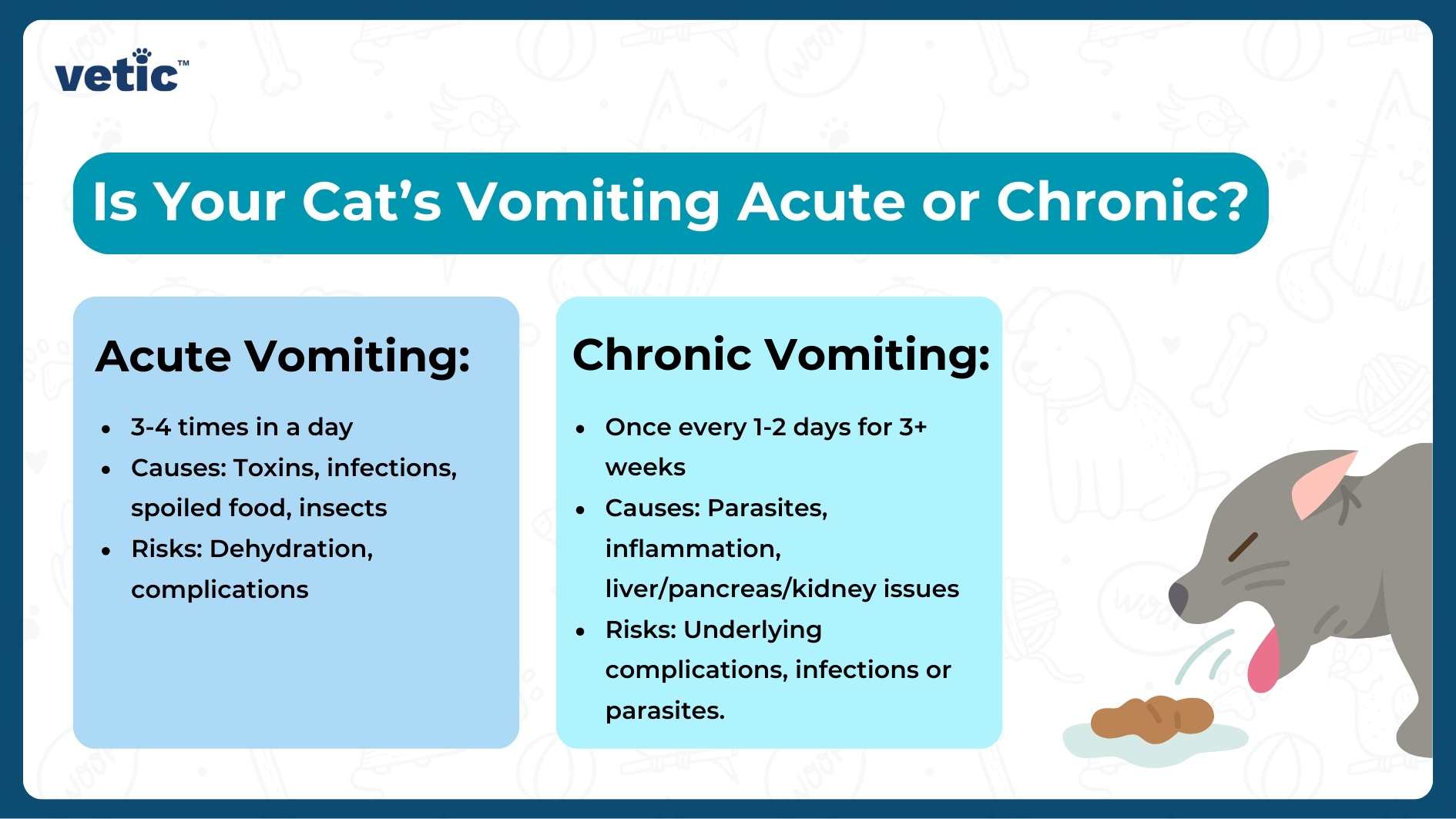
Understanding the frequency of your cat’s vomiting is crucial. It helps determine if a vet visit is needed. Cats can vomit for various reasons, some minor, others more serious. Knowing how often your cat vomits can indicate health issues.
Occasional Vomiting
Cats may vomit occasionally due to hairballs. This is normal for most cats. If vomiting happens once a month, it’s usually not concerning. Monitor your cat for other symptoms. If your cat is active and eating well, occasional vomiting might not be alarming. However, keep an eye on changes in behavior.
Frequent Vomiting
Frequent vomiting is a red flag. It could signal underlying issues. Vomiting more than once a week is considered frequent. It may indicate food intolerance or infections. Cats with frequent vomiting need a vet’s attention. Early intervention can prevent serious health problems.
Chronic Vomiting
Chronic vomiting occurs over a long period. If your cat vomits several times a week for months, it’s chronic. Chronic vomiting often points to severe health issues. Conditions like kidney disease or pancreatitis could be the cause. A vet can provide a thorough diagnosis and treatment plan.
Sudden Vomiting Spree
A sudden increase in vomiting episodes is concerning. It might be due to poisoning or ingestion of foreign objects. Immediate vet attention is necessary in such cases. Sudden vomiting sprees should never be ignored. Rapid response can save your cat’s life.
Credit: vetic.in
Age And Health Considerations
Age and health play a crucial role in assessing a cat’s vomiting. Understanding these factors helps determine if a vet visit is necessary. Cats of different ages have distinct health needs. Chronic conditions also impact vomiting frequency and severity. Let’s explore how age and health affect vomiting issues.
Kittens And Elderly Cats
Kittens have sensitive stomachs. They often vomit due to dietary changes or eating too fast. Their immune systems are still developing. Frequent vomiting in kittens can signal infections or parasites. Elderly cats face different challenges. Aging affects digestion and organ function. Vomiting may indicate kidney problems or diabetes. Both age groups need prompt attention. Their health can deteriorate quickly.
Cats With Chronic Conditions
Cats with chronic conditions require special care. Vomiting in these cats may worsen existing issues. Conditions like kidney disease or thyroid problems can trigger vomiting. Regular vet check-ups are essential. Monitoring changes helps prevent complications. Persistent vomiting is a red flag. It might signal a serious underlying problem.
Types Of Vomit To Watch For
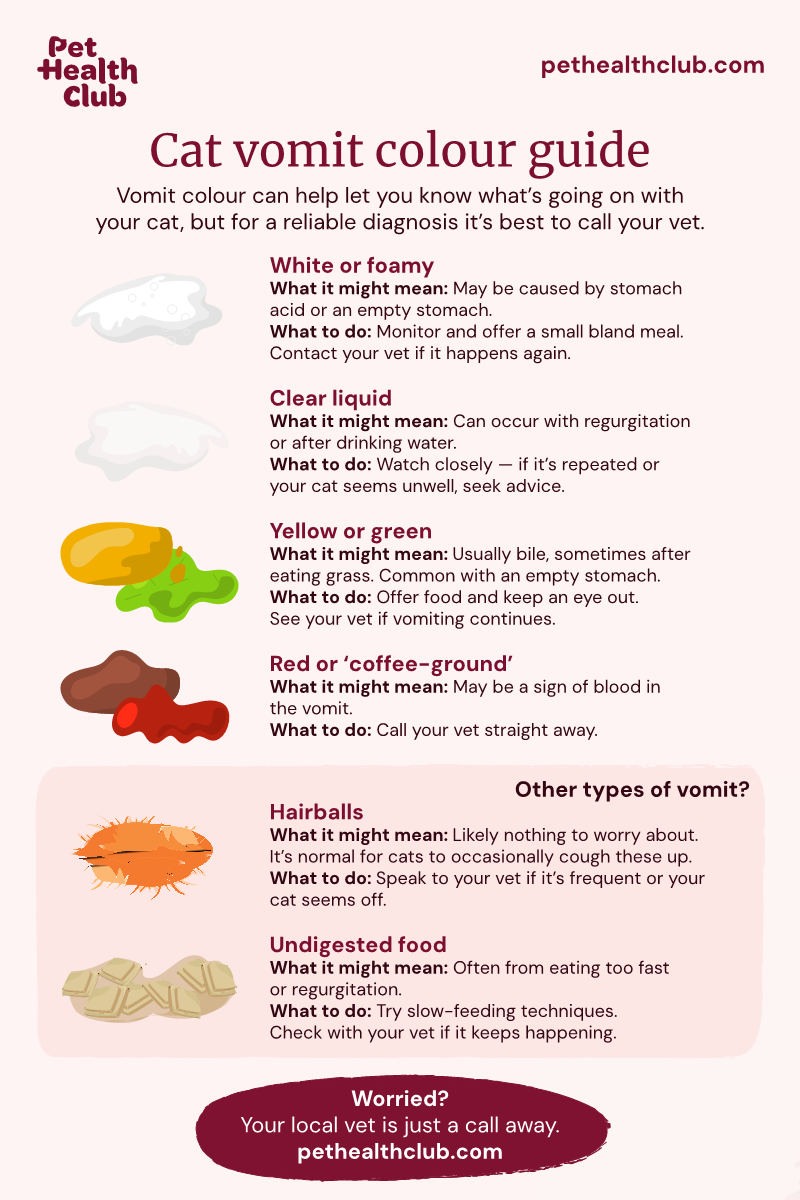
Bright yellow vomit may signal liver issues, while foamy white could indicate stomach inflammation. Pay attention to frequency and color changes in your cat’s vomit. These signs help decide when a vet visit is necessary.
Vomiting in cats can be a puzzling issue, leaving many pet owners uncertain about when a trip to the vet is necessary. Understanding the types of vomit to watch for can offer valuable insights into your cat’s health. Not all vomit is the same, and recognizing the differences can be crucial in determining the severity of the problem.Undigested Food
Undigested food in vomit is a common occurrence and often indicates a minor issue. It could be that your cat ate too quickly or has a mild stomach upset. If your cat frequently vomits undigested food, it might be time to evaluate their feeding schedule. Are they eating too fast? Consider using a slow feeder bowl to help them pace their meals. Sometimes, undigested food may signal a more serious condition like a blockage or food intolerance. Monitoring how often this happens can help you decide if a vet visit is needed.Bile Or Blood
Bile or blood in your cat’s vomit is a red flag and often requires immediate attention. Bile, which is yellow or green, can suggest an empty stomach or a more severe gastrointestinal issue. If your cat vomits bile frequently, think about their feeding routine. Are they going too long without food? Try adjusting their meal schedule to prevent an empty stomach. Blood in vomit is alarming and should not be ignored. It may point to internal bleeding or a serious illness. If you notice blood, contact your vet right away to ensure your cat’s safety. Knowing what type of vomit to watch for can make a big difference in your cat’s health. Have you ever had to take your cat to the vet for vomiting? What did you learn from the experience? Sharing your stories can help others navigate this tricky situation.
Credit: www.winston-salem.carolinavet.com
Home Remedies And When To Seek Help
Cats often vomit due to hairballs or dietary changes. Persistent vomiting or blood in vomit signals a vet visit. Early detection and care ensure your cat’s health and happiness.
When your cat starts vomiting, it’s natural to feel worried and unsure of what steps to take. While occasional vomiting might not be a cause for immediate concern, it’s crucial to know when home remedies are enough and when it’s time to seek professional help. This section will guide you through practical solutions and signs that indicate it’s time to call the vet.Dietary Changes
Making small adjustments to your cat’s diet can often help alleviate mild vomiting. Have you recently introduced a new brand of cat food or treats? Sudden changes can upset your cat’s stomach. Gradually transitioning to a new diet over a week can prevent digestive issues. Consider offering smaller, more frequent meals. This can be especially helpful for cats who tend to gulp down their food too quickly. You might also try a bland diet, such as plain boiled chicken and rice, but only as a temporary solution.Hydration Strategies
Keeping your cat hydrated is essential, especially if they’re vomiting. Dehydration can quickly become a serious problem. Ensure your cat always has access to fresh water. You might find your cat is more inclined to drink if you use a water fountain. Cats often prefer running water. If your cat is reluctant to drink, try offering ice cubes or mixing a little water into their wet food. — If your cat continues to vomit despite these home interventions, or if they show additional symptoms like lethargy or weight loss, it’s time to seek veterinary care. Trust your instincts; you’re your cat’s best advocate. Have you noticed any patterns or triggers? Bring this information to your vet—it could be the key to finding a solution. Remember, your vet is there to support you and your feline companion.Preparing For The Vet Visit
Cats often vomit, but frequent episodes may signal a health issue. Persistent vomiting needs veterinary attention. A vet visit can help identify underlying causes and ensure your cat’s well-being.
Taking your cat to the vet for vomiting is a step in ensuring your furry friend’s health and comfort. But how can you make the most of this visit? Preparing ahead can significantly ease the process and ensure your vet has all the information needed to diagnose and treat your pet effectively. Simple steps like documenting symptoms and gathering your cat’s medical history can make a huge difference.Documenting Symptoms
Start by noting down each vomiting episode. Write down the time, frequency, and appearance of the vomit. Is it food, hair, or liquid? Include any additional symptoms your cat may be showing. Are they lethargic, avoiding food, or showing signs of distress? Having a detailed account helps the vet piece together your cat’s health puzzle. It’s like being a detective for your pet’s well-being.Gathering Medical History
Collect all past medical records, including vaccinations and past illnesses. This provides context for any chronic issues. List any medications or supplements your cat is taking. Even over-the-counter remedies matter. Consider any recent changes in diet or environment. Did you switch cat food brands or move to a new home? Preparing for a vet visit might seem daunting, but it’s a powerful way to advocate for your pet’s health. Have you ever noticed how a small change in your pet’s behavior can signal something bigger? Being observant and prepared equips you to catch those signs early and act promptly.Questions To Ask The Vet
Identifying when to seek veterinary care for a vomiting cat is crucial. Frequent vomiting, lethargy, or refusal to eat may signal a serious issue. Discuss symptoms with your vet to determine the best course of action.
When your cat is vomiting, a trip to the vet might be necessary. Knowing the right questions to ask can help ensure your furry friend receives the best care possible. This can be a nerve-wracking experience, especially if it’s your first time dealing with it. By preparing thoughtful questions, you can gain clarity and contribute to your cat’s well-being.What Could Be The Cause?
Understanding the possible reasons behind your cat’s vomiting is crucial. Ask your vet about the most common causes. This might include dietary issues, allergies, or more serious health concerns. Knowing these can help you make informed decisions about your cat’s diet and lifestyle.Are There Specific Tests Required?
Inquire if any diagnostic tests are necessary to pinpoint the issue. Your vet might suggest blood tests, X-rays, or ultrasounds. Understanding the purpose and necessity of each test can ease your anxiety and prepare you for what comes next.What Treatment Options Are Available?
Discuss the available treatments and their effectiveness. Your vet might recommend medications, dietary changes, or monitoring. Knowing the pros and cons of each option can empower you to choose the best course of action for your cat.How Can I Prevent Future Episodes?
Prevention is always better than cure. Ask your vet for tips on avoiding future vomiting incidents. This could involve dietary adjustments, regular check-ups, or environmental changes. Implementing these strategies can help maintain your cat’s health in the long run.What Are The Signs Of A Serious Problem?
It’s important to know when vomiting is more than just a minor issue. Ask your vet about warning signs that indicate a serious problem. Understanding these can help you react quickly if your cat’s condition worsens. Asking the right questions not only ensures your cat gets the best care but also helps you feel more confident in managing your pet’s health. So, what questions will you ask your vet next time your cat is unwell?Preventing Future Vomiting
Cats often vomit, but frequent episodes may require a vet visit. Persistent vomiting could indicate health issues. Early vet intervention helps prevent future complications.
Preventing future vomiting in cats can be a concern for many pet owners. When your feline friend vomits, it can be distressing and worrisome. Understanding how to minimize these occurrences is crucial. It’s not just about dealing with the immediate issue but ensuring your cat stays healthy and comfortable. There are practical steps you can take to reduce the chances of your cat vomiting again.Proper Nutrition
Feeding your cat the right diet is essential to prevent vomiting. Not all foods are suitable for every cat. Some felines have sensitive stomachs and need special diets. You might notice your cat vomits after eating certain foods. Switching to a high-quality cat food designed for sensitive stomachs can help. Look for brands that list meat as the first ingredient. Avoid artificial additives and fillers. Consult your vet for recommendations tailored to your cat’s needs. Have you ever changed your cat’s diet and noticed immediate improvement? A small shift in food can make a big difference. Keeping a food diary to track what your cat eats and any related symptoms can be beneficial.Regular Health Check-ups
Regular vet visits are key to maintaining your cat’s health. Even if your cat seems fine, underlying issues can cause vomiting. Regular check-ups help catch potential problems early. Schedule annual vet appointments to monitor your cat’s health. Your vet can conduct physical exams and run tests to ensure everything is functioning well. It’s better to be proactive than reactive when it comes to health issues. Have you ever skipped a vet visit only to realize it was necessary later? Regular check-ups can prevent small issues from becoming big problems. Your cat relies on you for its health, and these visits can make a difference. Consider how often you take your cat to the vet. Are you keeping up with regular appointments, or is it time to schedule a visit? Your cat’s wellbeing is worth the effort.Frequently Asked Questions
When Should I Be Worried About My Cat Throwing Up?
Be concerned if your cat vomits repeatedly, shows lethargy, or stops eating. Persistent vomiting might indicate health issues. Monitor for blood in vomit, diarrhea, or weight loss. Consult a vet for a proper diagnosis. Early intervention ensures your cat’s well-being and prevents complications.
What Type Of Vomit Is Concerning In Cats?
Bright red or dark brown vomit in cats is concerning. Persistent vomiting, lethargy, or loss of appetite also require attention. Foam, bile, or blood presence indicates potential issues. Seek veterinary advice to ensure your cat’s health. Early diagnosis can prevent complications and ensure proper treatment for your feline friend.
Should I Take My Cat To The Vet If He Vomits?
Yes, take your cat to the vet if vomiting persists, contains blood, or if they’re lethargic. Occasional vomiting might be harmless, but frequent vomiting needs professional evaluation. Early diagnosis prevents potential serious health issues. Always prioritize your cat’s health by consulting with a veterinarian for any concerning symptoms.
How Do You Settle A Cat’s Stomach After Vomiting?
Offer your cat small amounts of water and bland food like boiled chicken. Monitor their behavior closely. Avoid any treats or rich foods. Consult a vet if vomiting persists. Keep your cat hydrated and comfortable to aid recovery.
Conclusion
Recognizing when your cat needs a vet visit is crucial. Frequent vomiting could signal serious health issues. Pay attention to other symptoms like lethargy or weight loss. Early action ensures better outcomes for your furry friend. Always trust your instincts if something feels off.
Regular vet check-ups help keep your cat healthy. They provide peace of mind too. Remember, your cat relies on you. Keep them safe and happy by seeking timely veterinary care. A little vigilance goes a long way. Your cat’s health deserves it.

Similar Posts