Have you ever wondered what makes a cat breed rare? Imagine owning a feline companion so unique that it’s the talk of the town, a pet that turns heads and sparks curiosity wherever you go.
If you’re a cat lover, the idea of having a one-of-a-kind breed is undoubtedly intriguing. You might even find yourself daydreaming about the mystery and allure that comes with such rarity. You’ll discover the secrets behind the world’s rarest cat breeds.
We’ll delve into what sets them apart and why they capture the hearts of enthusiasts everywhere. As you read, you’ll learn not only about their scarcity but also about their fascinating characteristics and histories. Prepare to unravel the mystique surrounding these extraordinary cats, and find out if one of them might be the perfect addition to your family.

Credit: www.purewow.com
Rarest Cat Breeds
Cats captivate us with their grace and mystery. While many people are familiar with common breeds, some cat breeds remain elusive and rare. These rare breeds often have unique characteristics and histories that make them stand out. Understanding what makes a cat breed rare can be fascinating for enthusiasts and pet lovers alike.
Defining Rare Breeds
Rare breeds are those not commonly found around the world. They might have a limited population or be less recognized by cat registries. Many rare breeds have distinct features or behaviors that set them apart. Breeders and enthusiasts often work to preserve these unique traits.
Factors Influencing Rarity
Several factors contribute to a breed’s rarity. Geographic isolation is a major reason. Breeds that originated in remote areas often have small populations. Genetic diversity plays a role too. Some breeds face challenges due to limited gene pools. Breeder interest also affects a breed’s popularity. Without enough breeders, the numbers remain low. Finally, official recognition by cat registries impacts rarity. Unrecognized breeds lack widespread appeal.
Credit: english.alarabiya.net
Historical Origins
Understanding the historical origins of the rarest cat breeds can offer a fascinating glimpse into the past. These origins often blend myths, cultural tales, and scientific discoveries. Tracing back through ancient times to the modern era reveals how these unique breeds have evolved and been preserved.
Ancient Lineages
Some of the rarest cat breeds have roots that stretch back to ancient civilizations. Imagine the regal Egyptian Mau, believed to descend from the cats worshipped in ancient Egypt. These felines are not just relics of the past; they are living testaments to human history.
Another example is the Turkish Van, a breed with a history intertwined with the people of the Lake Van region in Turkey. Their unique pattern and affinity for water have made them subjects of both folklore and fascination.
Have you ever considered how these cats were regarded as companions and protectors by early societies? Their lineage is not just about survival but also about the deep connections they formed with humans over centuries.
Modern Developments
In the modern era, the development of rare cat breeds often involves dedicated breeding programs. These efforts are crucial to maintaining genetic diversity and preserving unique traits. The American Curl, with its distinctive ears, was developed in the 1980s, showcasing how recent some rare breeds are.
Breeders today work tirelessly to ensure the continuation of these breeds, often facing challenges like genetic disorders. Their work is a blend of science and passion, ensuring these cats can be enjoyed by future generations.
Are you interested in what role you might play in preserving these unique breeds? Consider supporting ethical breeding programs or adopting a rare cat breed if you’re able. This personal involvement helps maintain the legacy of these fascinating creatures.
Unique Characteristics
In the fascinating world of feline companions, some breeds stand out for their rarity. Among these, one cat breed captures interest with its unique characteristics. This breed is not just rare; it possesses distinctive traits that set it apart. Exploring these features reveals the allure and mystery surrounding this elusive feline.
Physical Traits
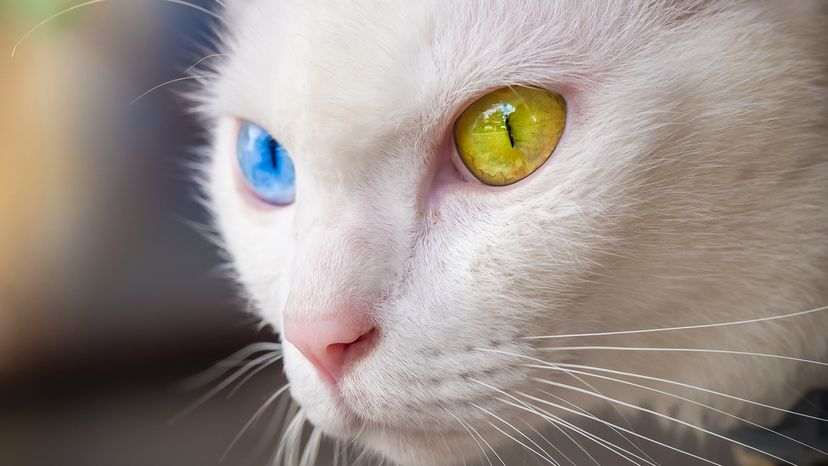
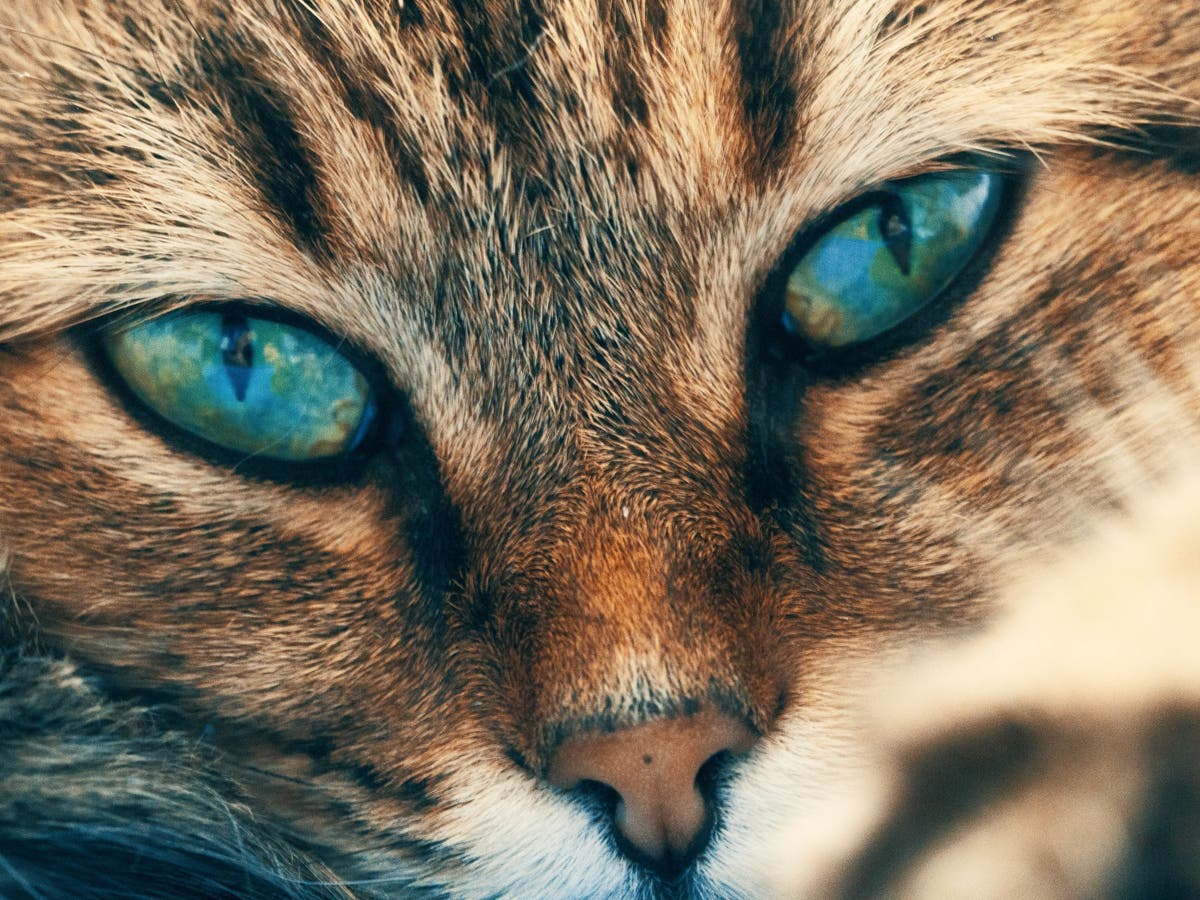
This rare cat breed exhibits striking physical features. Its coat may have an unusual pattern or color not seen in other cats. The texture of its fur can be silky, dense, or even curly. Another notable trait might be its eye color, which can range from deep amber to vibrant blue. Its body structure is often unique, with a slender or muscular build. These physical traits create a captivating appearance.
Behavioral Patterns
Behaviorally, this breed shows intriguing patterns. It may be more independent or social compared to common breeds. Some cats are known for their vocal nature, communicating through unique sounds. Others display high intelligence, solving puzzles with ease. Playfulness can be a marked characteristic, with a love for interactive toys. These behavioral traits enhance its charm and appeal.
Credit: www.rover.com
Preservation Efforts
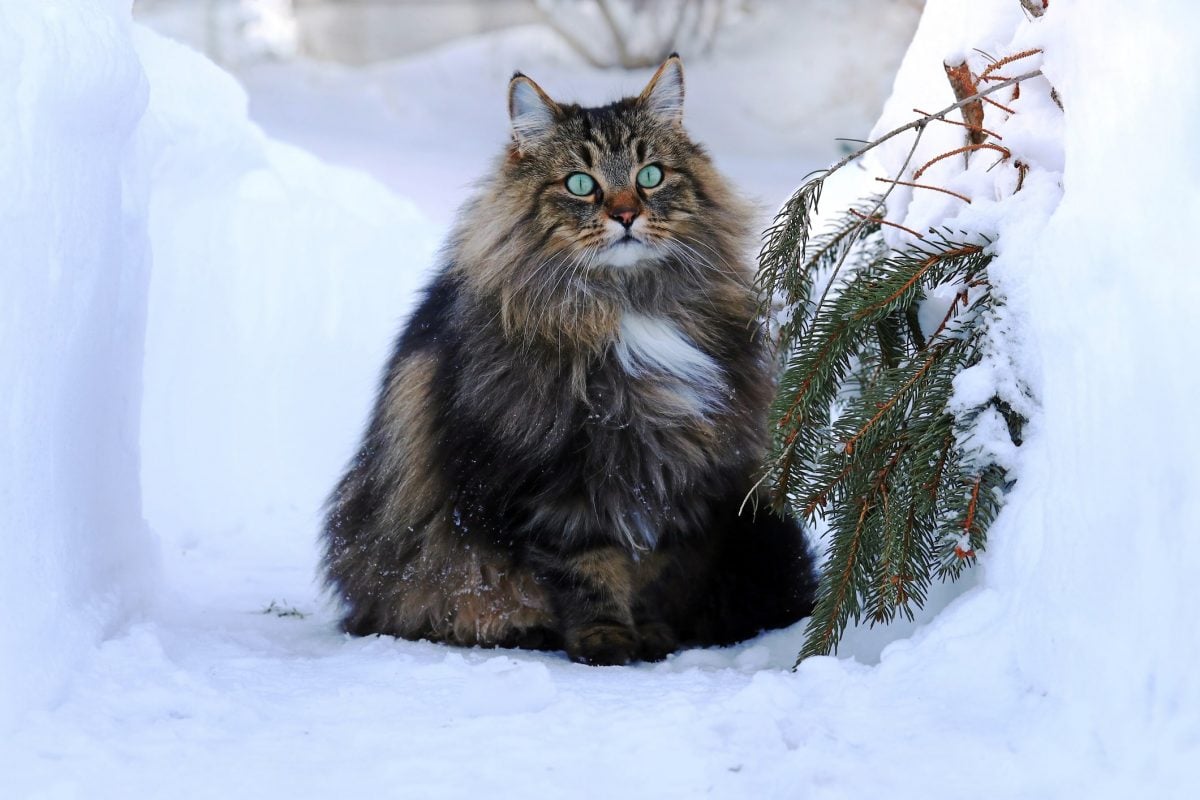
Among the rarest cat breeds, the Sokoke stands out. Conservationists work tirelessly to protect this unique feline. Efforts focus on habitat preservation to ensure its survival.
Preservation efforts for the rarest cat breeds are not just about maintaining their unique beauty. They are crucial for the survival of these extraordinary felines. These efforts are driven by passionate breeders and conservationists who work tirelessly to ensure these breeds don’t vanish from our world. You might wonder, how can such rare breeds be preserved for future generations? Let’s delve into the strategies that are making a difference.Breeding Programs
Breeding programs are at the heart of preserving rare cat breeds. They focus on maintaining genetic diversity and health. Imagine a dedicated group of breeders, carefully planning each mating to ensure the best traits are passed on. These programs often involve meticulous record-keeping. Breeders track lineage and health histories to avoid genetic issues. It’s a bit like matchmaking, but for cats! Some programs also engage in international collaborations. By partnering with breeders worldwide, they can access a larger gene pool, which is critical for maintaining the breed’s vitality.Conservation Strategies
Conservation strategies go beyond breeding. They aim to protect the cats’ natural habitats and raise awareness about their plight. Consider efforts to preserve the environments where these cats originally thrived. Education plays a significant role here. By informing the public about the importance of these breeds, more people become advocates for their survival. Have you ever seen a campaign that made you care about a rare animal? Financial support is another vital aspect. Donations and grants help fund research and conservation activities. This financial backing ensures that preservation efforts can continue without interruption. As you reflect on these strategies, think about what might happen if such efforts weren’t in place. Would these rare breeds be just a distant memory?Challenges In Breeding
Breeding the rarest cat breeds presents unique challenges. These breeds often require careful planning and consideration. The intricacies involved in their breeding process demand attention to detail. Each step must be thoughtfully executed to ensure the health and wellbeing of the cats. Below, explore the key challenges breeders face.
Genetic Concerns
Genetic diversity in rare cat breeds is limited. This can lead to inherited health issues. Breeders must understand the genetic makeup of these cats. Careful selection is vital to avoid problems. The goal is to enhance genetic health through strategic breeding. This reduces risks associated with recessive genes.
Ethical Considerations
Ethical breeding practices are crucial. Breeders must prioritize the welfare of the cats. The focus should be on creating a healthy lineage. It is important to avoid overbreeding and inbreeding. Respecting the natural behavior and needs of the cats is essential. This ensures the cats lead healthy and happy lives.
Popular Myths
Many myths surround the rarest cat breeds. These myths often confuse cat lovers. Some believe that rare cats are always expensive. Others think that rare cats have special powers or traits. These misconceptions can mislead potential cat owners. Let’s explore and debunk these myths.
Misconceptions About Rarity
People often think rare cats are more valuable. This is not always true. Rarity doesn’t always mean a better pet. Some believe rare breeds need special care. In reality, most require normal cat care. It’s also a myth that rare cats are hard to find. Many breeders offer these cats, making them accessible.
Debunking Common Myths
One common myth is that rare cats are healthier. This is false. Health depends on genetics and care, not rarity. Another myth is that rare cats behave differently. All cats have unique personalities, regardless of breed. Believing rare cats are friendlier or smarter is misleading. Each cat is different and special in its own way.
Finding Rare Breeds
Finding rare cat breeds can be an exciting journey. These unique felines offer charm and distinct beauty. Many cat enthusiasts seek rare breeds to add to their family. They are often drawn to the unique features and personalities of these cats. With some dedication and patience, discovering these uncommon breeds is possible.
Adoption Opportunities
Adoption is a wonderful way to find rare cat breeds. Many animal shelters have rare breeds needing homes. Sometimes, people surrender rare cats due to unforeseen circumstances. You might find a rare gem waiting for you there. Check online adoption sites regularly. They often list rare cats looking for loving families.
Connecting With Breeders
Breeders are a great resource for rare cat breeds. They specialize in specific breeds and maintain high standards. Contact breeders who focus on the breed you desire. A good breeder will provide detailed information about the breed. They will also answer questions about care and characteristics. Visiting a breeder’s cattery lets you see the cats firsthand. Ensure the breeder follows ethical practices for a healthy cat.
Fascination With Rare Cats
Curiosity surrounds rare cat breeds like the Sokoke, known for its unique coat pattern and limited population. This elusive feline captivates cat enthusiasts with its distinct appearance and mysterious origins. Discovering such rare breeds sparks interest and admiration among cat lovers worldwide.
The allure of rare cat breeds captivates many of us. We find ourselves drawn to their unique appearances and intriguing histories. Yet, have you ever considered why these rare felines spark such fascination?Cultural Impact
Rare cats have a way of weaving themselves into the fabric of various cultures. Consider the Egyptian Mau, with its distinctive spots and ancient lineage. It’s not just a cat; it’s a piece of history that transports you back to the time of pharaohs. Rare breeds often carry stories that enrich cultural narratives. Their rarity makes them symbols of status and exclusivity. This cultural significance makes owning a rare cat akin to possessing a living artifact.Celebrity Influence
Celebrities have a knack for setting trends, and rare cats are no exception. When a famous personality is spotted with a unique feline companion, interest in that breed often skyrockets. Taylor Swift’s Scottish Fold cats are a perfect example of this phenomenon. These celebrity endorsements transform rare cats into status symbols. Suddenly, everyone wants a piece of that exclusive world. Wouldn’t you want to own the same rare breed as your favorite star? The influence of celebrities doesn’t just boost demand; it also raises awareness about breed-specific traits and care requirements. This helps potential owners make informed decisions. Have you ever considered how a celebrity’s choice of pet might shape your own preferences? The fascination with rare cats is more than just an interest; it’s a cultural and social phenomenon. Whether driven by historical significance or celebrity influence, rare breeds continue to capture our hearts and imaginations. Will you find yourself drawn to the allure of a rare feline companion?Frequently Asked Questions
Which Is The Rarest Breed Of Cat?
The rarest cat breed is the Sokoke. Originating from Kenya, it’s known for its unique coat and wild appearance. This breed is incredibly rare and hard to find, making it highly sought after by cat enthusiasts and collectors worldwide.
What Is The 1 Cat Breed In The World?
The Persian cat is the world’s 1 breed. It’s known for its long, luxurious fur and calm demeanor. Families love its gentle nature, making it a popular choice. Persian cats often require regular grooming due to their dense coat, ensuring they remain elegant and healthy.
What Is The 1 Smartest Cat?
The Abyssinian cat is often considered the smartest breed. Known for their curiosity and playful nature, Abyssinians are quick learners. They enjoy interactive toys and problem-solving activities, making them highly intelligent and engaging companions. Their intelligence and social nature make them a favorite among cat enthusiasts.
What Is The Top 1 Expensive Cat?
The Ashera cat is the most expensive cat breed in the world. Prices can reach up to $125,000. This breed is a hybrid of the African serval, Asian leopard cat, and domestic cat, making it exotic and rare. The Ashera’s unique appearance and scarcity contribute to its high cost.
Conclusion
Discovering the rarest cat breeds is fascinating. These unique cats offer beauty and charm. Each breed has its own special features. From the elegant Sokoke to the mysterious Kurilian Bobtail. Rare breeds provide unique companionship. They might need special care and attention.
But their loyalty makes it worthwhile. Consider adopting one if you seek something special. Rare cats can bring joy and companionship. Always research and understand their needs. This ensures a happy life together. Embrace the journey of owning a rare cat.
It’s a rewarding experience full of love and discovery.