Ever noticed how many orange cats seem to be male? You might be wondering if there’s more to this than just coincidence.
You’re not alone. Many cat enthusiasts and pet owners have pondered this intriguing question. Could there be a hidden pattern, a genetic quirk that makes male orange cats more common? Imagine unlocking the secrets behind your feline friend’s coat color.
The answer could surprise you. Not only does it satisfy your curiosity, but it also gives you a fascinating glimpse into the world of genetics and cat breeding. By understanding these patterns, you gain a deeper appreciation for the unique traits of your orange cat, and perhaps, even discover why they’ve captured your heart. Stay with us as we delve into the captivating science behind what makes a majority of orange cats male. You’ll find compelling insights that might just change how you view these charming creatures.
Genetics Behind Orange Cats
Have you ever noticed that most orange cats you come across are male? This isn’t just a coincidence. The fascinating world of genetics holds the answer. The genetic makeup of orange cats is a blend of science and nature, making their gender distribution quite unique. If you’ve ever wondered why your ginger tabby is likely a male, the secret lies in their chromosomes and coat color genes.
Role Of The X Chromosome
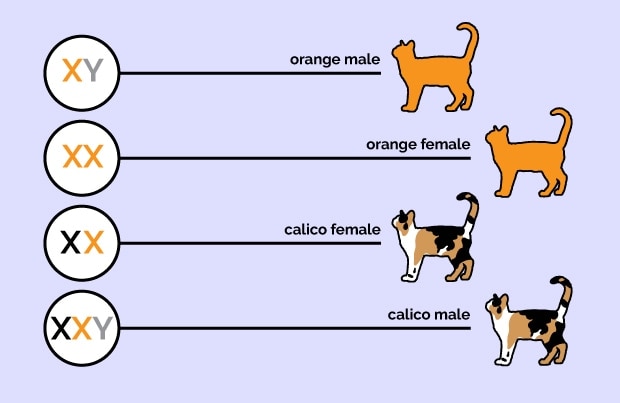
The X chromosome plays a crucial role in determining the coat color of cats. Orange coloring is linked to a gene on the X chromosome. Female cats have two X chromosomes, while males have one X and one Y. This means a female needs two copies of the orange gene to be orange herself. This is why there are fewer orange females compared to males.
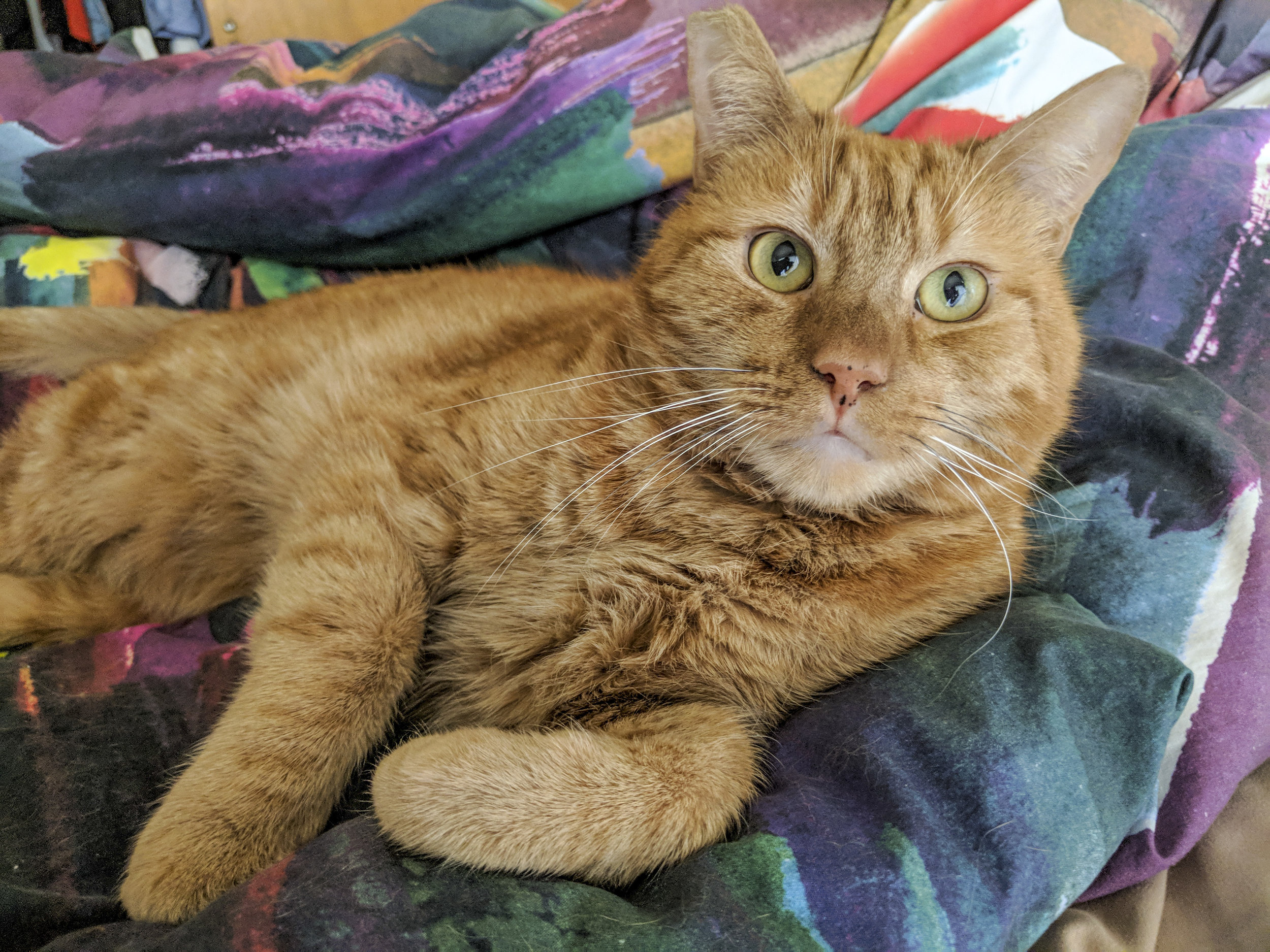
Imagine your cat, sunbathing in the garden. If it’s male and orange, it got its color from just one X chromosome carrying the orange gene. It’s a simple yet intriguing genetic quirk. Have you ever thought about how your cat’s lounging spot might actually be a stage for a genetic wonder?
Influence Of Coat Color Genes
Coat color in cats isn’t just about aesthetics. It’s a complex interplay of genes. Orange cats owe their striking color to the presence of the O gene, which is responsible for producing the orange pigment. This gene is dominant, meaning it can easily mask other colors.
But here’s the catch: other genes can influence how bright or muted the orange appears. Ever noticed subtle differences in shades among orange cats? That’s genes at work! Your cat’s coat tells a genetic story, one that’s worth unraveling. Next time you pet your cat, think about the multitude of genetic processes that crafted that beautiful orange fur.
Now, here’s a question for you: What does your cat’s coat say about its genetic makeup? Dive into the intriguing world of feline genetics, and you’ll find more than just colors; you’ll find stories written in DNA.
Credit: www.cattownoakland.org
Gender Distribution In Orange Cats
Orange cats, known for their striking color, exhibit unique gender distribution. Many cat enthusiasts notice more male orange cats. This isn’t just a coincidence. The genetics of coat color play a significant role. Understanding this can be fascinating.
Male Dominance In Orange Cats
Male orange cats outnumber females significantly. About 80% of orange cats are male. This dominance is due to genetics. The orange color gene links to the X chromosome. Males have one X and one Y chromosome. For a male cat to be orange, it needs one orange gene. This makes it easier for males to be orange.
Comparing Male And Female Ratios
The ratio of male to female orange cats is quite uneven. Around four out of five orange cats are male. Female orange cats are rarer. They need two orange genes, one on each X chromosome. This genetic requirement makes female orange cats less common.
Many people find this gender ratio surprising. Understanding genetics helps explain this phenomenon. It shows how genetics influence cat colors. This knowledge can enhance your appreciation of these lovely felines.
Scientific Studies On Orange Cats
Orange cats, also known as ginger cats, are a fascinating subject. Scientists have explored their genetics for years. Studies reveal interesting facts about their gender distribution. Many people are curious about why most orange cats are male. This section delves into scientific research.
Historical Research Findings
Early studies focused on the genetics of orange cats. Researchers discovered a link between fur color and gender. The gene responsible for orange fur is linked to the X chromosome. Since males have one X and one Y chromosome, they are more likely to be orange.
Females need two copies of the orange gene to show the color. This makes orange females less common. Historical studies found that 80% of orange cats were male. These findings were a milestone in understanding cat genetics.
Recent Genetic Studies
Recent studies have continued to explore this phenomenon. Advances in genetic science have provided new insights. Researchers have mapped the cat genome in more detail. This has confirmed earlier findings about orange cats.
Studies show that genetic variations affect fur color. These variations explain why orange males are more common. Researchers also study how genes interact with environmental factors. This helps explain differences in fur color among cat populations.
Recent studies also examine breeding practices. They analyze how breeders influence orange cat populations. This provides a comprehensive view of orange cat genetics.

Credit: www.sciencefocus.com
Common Misconceptions
Many believe all orange cats are male, but actually, about 80% are male. Female orange cats are rare.
When it comes to orange cats, many people believe they are predominantly male. This belief is so widespread that it often surprises pet owners to learn that female orange cats exist. Why does this misconception persist? Let’s debunk some common myths and clarify the genetics behind this fascinating feline phenomenon.Debunking Gender Myths
A common myth is that nearly all orange cats are male. This belief stems from the fact that a higher percentage of orange cats are indeed male, but not exclusively so. Around 80% of orange cats are male, leaving a notable 20% that are female. Personal experience from visiting cat shelters shows these statistics in action—while male orange cats are more common, female ones are often overlooked and just as loving. Have you ever wondered why this myth persists? It might be because male orange cats are more visible in media and pop culture. From cartoons to advertisements, male orange cats often steal the spotlight. Think about the famous orange cat characters you know. How many of them are male?Clarifying Genetic Influences
Understanding the genetics behind orange cats can help clarify why more of them are male. The gene responsible for orange fur is located on the X chromosome. Since males have one X and one Y chromosome, they only need one copy of the orange gene to display the color. Females, however, have two X chromosomes and require two copies of the orange gene to be orange. This genetic setup means that females are less likely to be orange, but they are not as rare as some might think. In a litter, the chance of having orange males is higher, but orange females are not an anomaly. Consider your own pet or cats you’ve met. Have you observed this gender difference in orange cats? Next time you see an orange cat, think about the genetics and how they play into this common misconception. Understanding these influences not only enriches your knowledge but also helps you appreciate the diversity in the cat world.Orange Cats In Popular Culture
Orange cats often capture attention in popular culture. Around 80% of orange cats are male due to genetic factors. Their distinct color and frequent male dominance make them standout characters in movies and stories.
Orange cats hold a special place in popular culture. Their vibrant color and playful nature make them unforgettable. They are often depicted in movies, cartoons, and books. People are fascinated by their personalities and distinct appearance.Famous Orange Cats
Some orange cats are more than pets; they are icons. Garfield is a prime example. Known for his love of lasagna and disdain for Mondays, Garfield captivates audiences worldwide. Another example is Heathcliff, an older cartoon cat with a mischievous streak. These cats are beloved for their humor and quirky traits.Orange Cats In Movies And Media
Movies and media often feature orange cats. Puss in Boots from the Shrek films is a charming character. His adventures are both thrilling and amusing. In Disney’s The Aristocats, Thomas O’Malley is an orange cat with a heart of gold. These characters add flair and excitement to stories. They are remembered long after the credits roll. Orange cats stand out in popular culture. Their memorable roles make them favorites among audiences. Their presence in media ensures they remain iconic.Caring For Orange Cats
Orange cats are a delightful addition to any home. Known for their warm hues and friendly nature, they often become beloved family members. To ensure they thrive, understanding their specific needs is crucial. Caring for orange cats involves attention to their health, behavior, and overall well-being.
Unique Health Considerations
Orange cats may face some unique health challenges. Their genetic makeup can lead to a higher risk of certain conditions. Regular vet check-ups are essential for their health. Monitoring their diet helps prevent obesity, a common issue in orange cats. Stay vigilant for signs of allergies or skin conditions. Grooming needs may vary based on their coat length.
Personality Traits And Behavior
Orange cats often exhibit distinct personality traits. Many owners describe them as sociable and affectionate. They tend to enjoy human interaction and playtime. Their playful nature can lead to mischievous antics. Providing them with toys and activities keeps them engaged. Understanding their behavior helps in building a strong bond.
Credit: www.chewy.com
Frequently Asked Questions
How Rare Is A Female Orange Cat?
Female orange cats are rare, making up only about 20% of all orange tabbies. The orange color gene is linked to the X chromosome, and females need two copies to express this trait. This genetic requirement makes female orange cats less common than males.
What Is Special About Orange Cats?
Orange cats are known for their friendly and social nature. They often have striking ginger fur. Many orange cats are tabbies, showcasing unique patterns. Their genes can influence personality, making them affectionate and playful pets. People often find their vibrant color and charming demeanor appealing.
What Is The Rarest Color Of Cats?
The rarest color of cats is albino. True albino cats have no color in their fur or eyes. This results from a genetic mutation affecting pigmentation. Albino cats have a unique and striking appearance, making them quite rare and special.
What Percent Of Calico Cats Are Female?
About 99% of calico cats are female. This is due to genetics related to the X chromosome. Male calico cats are rare and usually have a genetic anomaly. Calico cats are known for their distinctive tri-color fur patterns, making them unique and popular pets.
Conclusion
Orange cats mostly tend to be male. It’s a fascinating genetic trait. This male dominance in orange cats is due to their chromosomes. Female orange cats are less common and more unique. Many cat lovers find this interesting. Next time you see an orange cat, think of this fact.
It adds a layer of appreciation. Orange cats charm us with their color and mystery. They are special in their own way. Understanding their gender distribution makes them even more intriguing. Keep exploring the wonders of feline genetics. There’s always something new to learn.