
Have you ever found yourself wondering what sounds make your cat purr with delight? As a cat owner, you want to understand the subtle nuances of your feline friend’s preferences to create a harmonious home environment.
Imagine the joy of discovering the secret sounds that soothe your kitty and keep them content. This article will delve into the fascinating world of feline acoustics, revealing the mysteries behind the noises that cats adore. By understanding what melodies and rhythms captivate your cat, you can strengthen your bond and ensure their happiness.
Keep reading to uncover the sounds that might just become your cat’s new favorite lullaby.
Types Of Sounds Cats Enjoy
Cats enjoy a variety of sounds, including gentle purring and soft, soothing music. They also like the rustling of paper and the chirping of birds. These noises can capture their attention and create a calming atmosphere.
Cats are curious creatures with a keen sense of hearing. They often respond to various sounds with interest and excitement. Understanding the types of sounds cats enjoy can help you create a more stimulating and comforting environment for your feline friend.Nature Sounds
Cats are instinctively drawn to the sounds of nature. The gentle rustling of leaves or the soft chirping of birds can captivate their attention. These sounds remind them of the outdoors and can be soothing, especially for indoor cats. Try playing recordings of rain or forest sounds to see your cat’s reaction. My own cat, Whiskers, perks up at the sound of a babbling brook. It’s fascinating to watch him relax as if transported to a serene garden.Human Voices
Your voice is more than just comforting to your cat; it’s a familiar and reassuring presence. Cats can often distinguish between different tones and pitches, reacting positively to gentle and calm speech. Reading aloud or talking softly to your cat can create a bonding experience. But it’s not just your voice they enjoy. Some cats show interest in the voices on TV or radio. Imagine your cat curling up next to you as you watch your favorite show. It might be the voices that make them feel part of the family.Instrumental Music
Instrumental music, particularly with soothing melodies, can be appealing to cats. They may be drawn to the rhythmic patterns and gentle tones of classical music. Try playing some soft piano or violin pieces and observe how your cat responds. Some pet owners have even created playlists specifically for their cats. What type of music does your cat prefer? Experiment with different genres and see what strikes a chord with your feline companion. Have you ever noticed your cat responding to certain sounds? Creating an auditory environment that aligns with their preferences can enhance their daily life. As you discover more about what sounds your cat enjoys, you’ll be building a stronger connection and providing an enriching experience for them.Impact Of Sound On Cat Behavior
Cats often enjoy the soothing sound of gentle music or the calming rhythm of nature sounds. Soft classical tunes and bird chirps can create a peaceful environment, making cats feel relaxed and happy. These sounds mimic their natural surroundings, enhancing their comfort and well-being.
Cats have an extraordinary relationship with sound. From the gentle hum of a cat purring to the rustle of a paper bag, different noises can significantly impact your feline friend’s behavior. Understanding these auditory influences can help you create a more harmonious environment for your pet. Let’s delve into how specific sounds can affect your cat’s mood and actions.Calming Effects
Certain sounds have a soothing effect on cats. Soft music, particularly classical, can help your cat relax. You might notice your cat curling up in a cozy spot when such music is playing. The gentle sound of rain or a soft breeze can also be calming. These sounds mimic the natural environment, making cats feel safe and secure. Consider playing these types of sounds during stressful times, like vet visits or thunderstorms.Stimulation And Playfulness
Cats are naturally curious creatures. Sounds that mimic prey, such as chirping birds or rustling leaves, can stimulate their playful instincts. My cat, Whiskers, comes alive when I play a video of birds chirping. She starts to chase imaginary birds around the room, pouncing with enthusiasm. These sounds can be a great tool to encourage exercise and mental stimulation for indoor cats.Stress Reduction
Loud or sudden noises can be stressful for cats. However, certain consistent, low-level sounds can reduce stress. White noise machines or fans can help mask abrupt sounds that might startle your cat. This can create a more peaceful environment, especially in busy households. Creating a routine of soothing sounds can also provide comfort. If your cat knows that the day ends with soft music, it can become a calming ritual. Have you ever noticed your cat responding differently to various sounds? Try experimenting with different noises to discover what your cat prefers. This understanding can lead to a happier, healthier pet, and a more peaceful household.Creating A Cat-friendly Sound Environment
Creating a cat-friendly sound environment can significantly enhance your feline friend’s comfort and happiness. Cats are sensitive creatures, and the sounds around them can influence their mood and behavior. By understanding what noises your cat enjoys, you can create a cozy auditory atmosphere tailored to their preferences.
Choosing The Right Volume
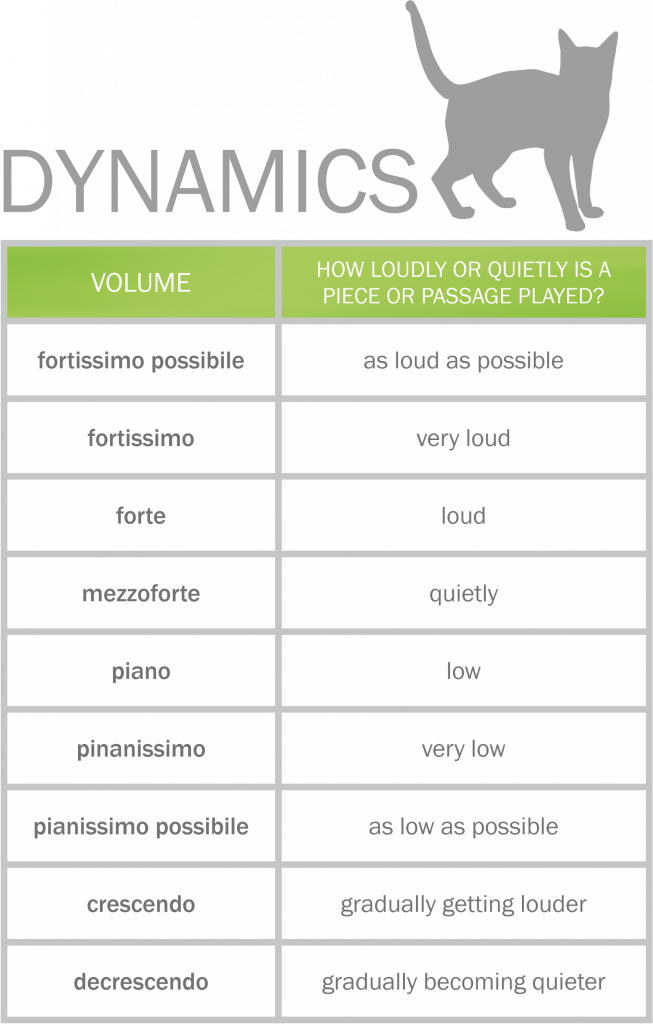
Volume matters more than you might think. Cats have acute hearing and can be easily startled by loud noises. Keep sounds at a level that allows your cat to relax and feel secure. A quiet radio playing soft music or nature sounds can be soothing. When using a TV or radio, adjust the volume to a gentle level. Loud sounds can be stressful and cause your cat to hide.
Balancing Silence And Sound
Finding a balance between silence and sound is key. Too much noise can be overwhelming, while complete silence might make your cat feel lonely. Consider periods of quiet interspersed with gentle sounds. This balance can keep your cat engaged without feeling anxious. A silent room might be comforting for a nap, but a little background noise can make them feel less isolated when awake.
Tailoring Sound To Individual Cats
Every cat has unique preferences. What soothes one might irritate another. Observe your cat’s reaction to different sounds. Does your cat perk up at the sound of birds? Perhaps they enjoy the rustling of leaves. Experiment with varied sounds to see what they prefer. You might discover that your cat enjoys the sound of running water or the gentle hum of an air purifier.
Sound is a powerful tool in creating a comfortable environment for your cat. Take some time to notice what noises they respond to positively. You might be surprised by how much happier they seem when surrounded by sounds they enjoy. What steps will you take to make your home more audibly appealing to your cat?
Credit: www.catsbest.eu
Common Sounds Cats Dislike
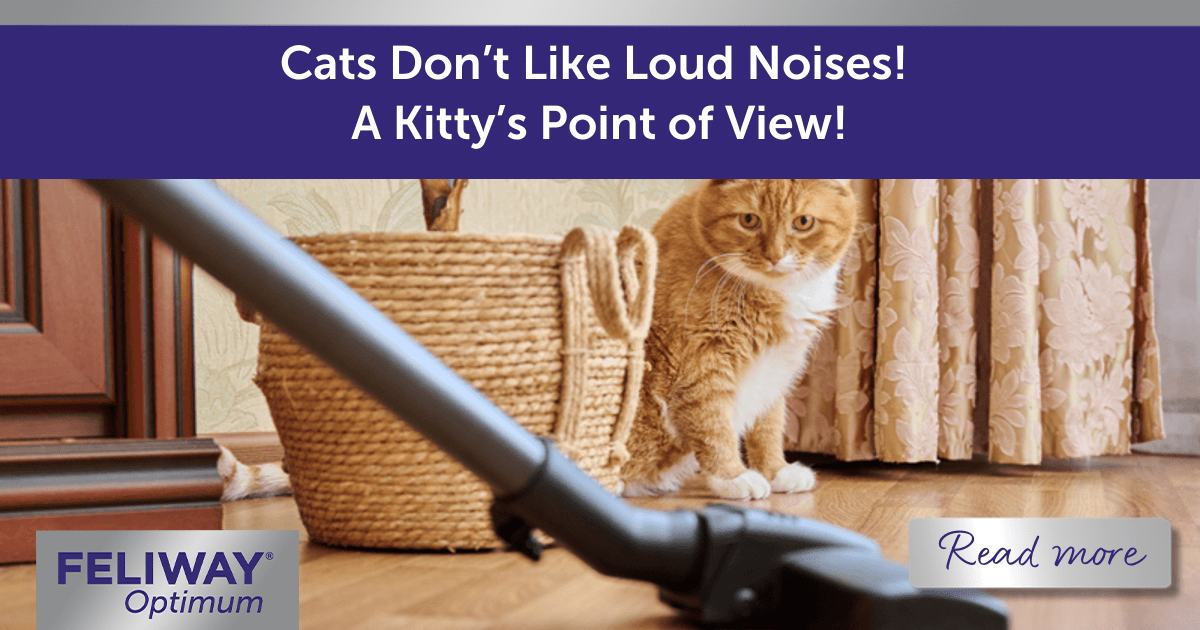
Cats often dislike loud or sudden noises such as vacuum cleaners, fireworks, or thunderstorms. These sounds can scare or stress them. Quiet, gentle sounds like soft music or calm voices are usually preferred by feline friends.
Cats are curious creatures with sensitive hearing. They have their preferences when it comes to sounds. While some noises soothe them, others can cause stress or anxiety. Understanding what sounds your cat dislikes can help create a peaceful environment. Below are common sounds that might unsettle your feline friend.Loud Noises
Cats dislike loud noises. These can startle them easily. Vacuum cleaners, alarms, and fireworks are common culprits. Such sounds can trigger a fight-or-flight response. This makes them feel unsafe. Soft, gentle sounds are more calming for cats.Sudden Sounds
Sudden sounds can scare cats. Unexpected bangs or claps can be distressing. Cats prefer predictability. A sudden door slam may make them jump. They appreciate consistent and gentle rhythms. This helps them relax.High-pitched Frequencies
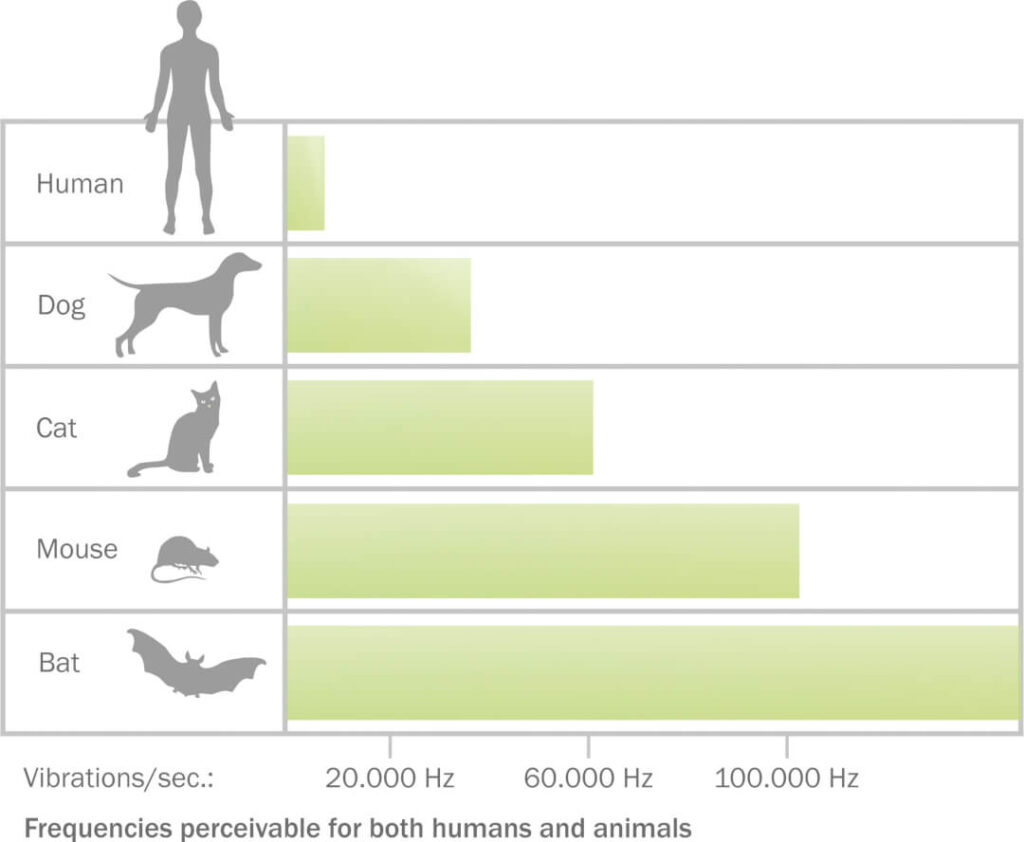
Cats often dislike high-pitched frequencies. Some electronic devices emit these sounds. They can irritate feline ears. Cats have acute hearing and are sensitive to pitch. Lower tones are usually more comforting. They help maintain peace in their environment.Using Sounds To Enhance Cat Well-being
Cats are incredibly sensitive to sound. Their hearing is much sharper than humans. This sensitivity means sounds can be used for their well-being. Various sounds can help in soothing, entertaining, and stimulating your feline friend. Discovering the right sounds can enhance your cat’s happiness and health.
Sound-based Toys
Sound-based toys are a favorite among cats. Toys with bells, chirps, or rustling noises grab their attention. They mimic the sounds of prey, triggering a cat’s hunting instincts. These toys keep cats active and engaged. Interactive toys with sound can prevent boredom and improve mental stimulation. Choosing sound toys tailored to your cat’s preferences can enhance playtime.
Music Therapy For Cats
Music therapy can be calming for cats. Soft, gentle music can reduce stress and anxiety. Classical music or nature sounds are often preferred. These tunes can create a peaceful environment for your feline. Music therapy can be beneficial during grooming or travel. Ensure the music is not too loud or overwhelming. A soothing playlist can contribute to a cat’s relaxation.
Sound Enrichment Techniques
Sound enrichment techniques involve using varied sounds to stimulate cats. Introducing different sounds can enrich a cat’s environment. These sounds can include bird songs or running water. Such sounds can pique a cat’s curiosity and encourage exploration. Regular exposure to new sounds can enhance cognitive development. It is important to observe your cat’s reactions to ensure comfort.
Credit: www.catsbest.eu
Credit: us.feliway.com
Frequently Asked Questions
What Type Of Noise Do Cats Like?
Cats enjoy gentle, soothing sounds such as soft music or nature noises like birds chirping. They also find comfort in white noise, like fans or humidifiers. These sounds can help create a calming environment for them. It’s important to avoid loud or sudden noises, which can cause stress or anxiety.
What Sound Attracts Cats To You?
Cats are often attracted to soft, high-pitched sounds. Try using gentle clicking, tapping, or whistling noises. These mimic prey or playful sounds, grabbing a cat’s attention. Engaging with toys that have bells or crinkling noises can also attract cats due to their curiosity and hunting instincts.
What Noise Is Calming To Cats?
Soft classical music and gentle nature sounds, like bird chirping or rainfall, calm cats. Low-volume white noise or purring sounds also help in soothing them. These sounds create a peaceful environment for relaxation and stress reduction. Ensure the volume is comfortable to avoid overwhelming your cat.
Do Cats Prefer Silence Or Music?
Cats generally prefer silence over music. Loud noises can stress them out, while soft music might soothe. Each cat’s preference varies, so observe your cat’s reaction to different sounds. Creating a quiet environment can help keep them calm and comfortable.
Conclusion
Cats enjoy a variety of sounds. These include chirping birds and soft music. Gentle voices also soothe them. Understanding your cat’s preferences can strengthen your bond. Experiment with different sounds to see what they like. Each cat is unique. Some may prefer nature sounds, others may enjoy classical tunes.
Pay attention to their reactions. Tail flicks and purring can be good indicators. Don’t forget to provide a peaceful environment. This can help reduce stress for your feline friend. Happy cats make happy homes. Enjoy discovering what pleases your furry companion.