
Is your beloved feline diagnosed with diabetes, and you’re wondering how to provide the best care through their diet? You’re not alone.
Many cat owners face the challenge of finding the right food to manage their pet’s health. The good news is, choosing the best cat food for a diabetic cat doesn’t have to be overwhelming. By understanding the nutritional needs of your diabetic cat, you can make informed decisions that promote their well-being and happiness.
In this guide, you’ll discover expert tips and trusted options to ensure your cat stays healthy and satisfied. Ready to transform your cat’s diet and enhance their quality of life? Let’s delve into what you need to know about selecting the best food for your diabetic cat.
Credit: www.petco.com
Diabetes In Cats
Diabetes in cats is a growing concern among pet owners. It occurs when a cat’s body cannot produce enough insulin. This hormone regulates blood sugar levels. Without proper management, diabetes can lead to serious health issues.
Understanding feline diabetes is crucial for your pet’s health. Proper diet plays a significant role in managing this condition. Let’s explore the causes and symptoms of diabetes in cats.
Causes Of Feline Diabetes
Several factors contribute to feline diabetes. Obesity is a leading cause. Overweight cats are more prone to developing diabetes.
Age is another factor. Older cats have a higher risk of diabetes. Certain breeds are more susceptible. Burmese cats, for example, have a higher incidence.
Genetics also play a role. A family history of diabetes increases the risk. An inactive lifestyle can lead to obesity and diabetes. Providing regular exercise helps prevent it.
Symptoms To Watch For
Early detection of diabetes is essential. Excessive thirst is a common symptom. Your cat may drink more water than usual.
Frequent urination is another sign. You might notice more litter box visits. Weight loss despite a normal appetite is concerning.
Lethargy and weakness are symptoms to observe. Cats may seem less active or tired. Regular monitoring helps catch symptoms early.
If you observe these signs, consult a vet. Early diagnosis improves management and treatment. A proper diet is vital for diabetic cats.
Credit: www.businessintelligence-insights.com
Dietary Needs For Diabetic Cats
Managing a diabetic cat’s diet can feel overwhelming. Yet, it’s essential for their health. A well-structured diet helps manage blood sugar levels. It also prevents complications. Understanding a diabetic cat’s dietary needs is crucial. This ensures they lead a healthy, happy life. Let’s explore these needs further.
Importance Of Low Carbohydrate Diets
Low carbohydrate diets are vital for diabetic cats. Carbs raise blood sugar quickly. This can be harmful to diabetic cats. Reducing carbs helps stabilize their blood sugar. A consistent blood sugar level improves their overall health. Choose foods with fewer grains and fillers. This keeps their carb intake low.
Role Of Protein In Management
Protein plays a crucial role in managing diabetes. It provides essential nutrients. Protein helps maintain muscle mass. This is important for diabetic cats. A high-protein diet supports healthy weight management. It also aids in controlling appetite. Cats need quality protein sources. Look for foods rich in animal-based proteins. These are easier for cats to digest.
Top Wet Food Options
Choosing the right wet food for diabetic cats is crucial for their health. Opt for options with high protein and low carbohydrates. Brands like Hill’s Prescription Diet offer special formulas that help manage blood sugar levels effectively.
When your beloved feline friend is diagnosed with diabetes, choosing the right diet becomes crucial. Wet food is often recommended for diabetic cats due to its many benefits. It’s easier to manage portion sizes, and the higher moisture content aids in digestion and hydration. Let’s dive into some of the top wet food options for diabetic cats that can help manage their condition effectively.Benefits Of Wet Food For Diabetic Cats
Wet food offers several advantages over dry kibble, especially for diabetic cats. First, its higher moisture content helps keep your cat hydrated. This is particularly important if your cat isn’t drinking enough water on its own. Additionally, wet food typically contains fewer carbohydrates, which is beneficial for managing blood sugar levels. Many cats find wet food more palatable, making it easier to ensure they get the nutrients they need. Another benefit is portion control. With wet food, you can easily measure and serve the exact amount your cat needs to maintain a healthy weight. This can be crucial in managing diabetes effectively.Recommended Brands And Formulas
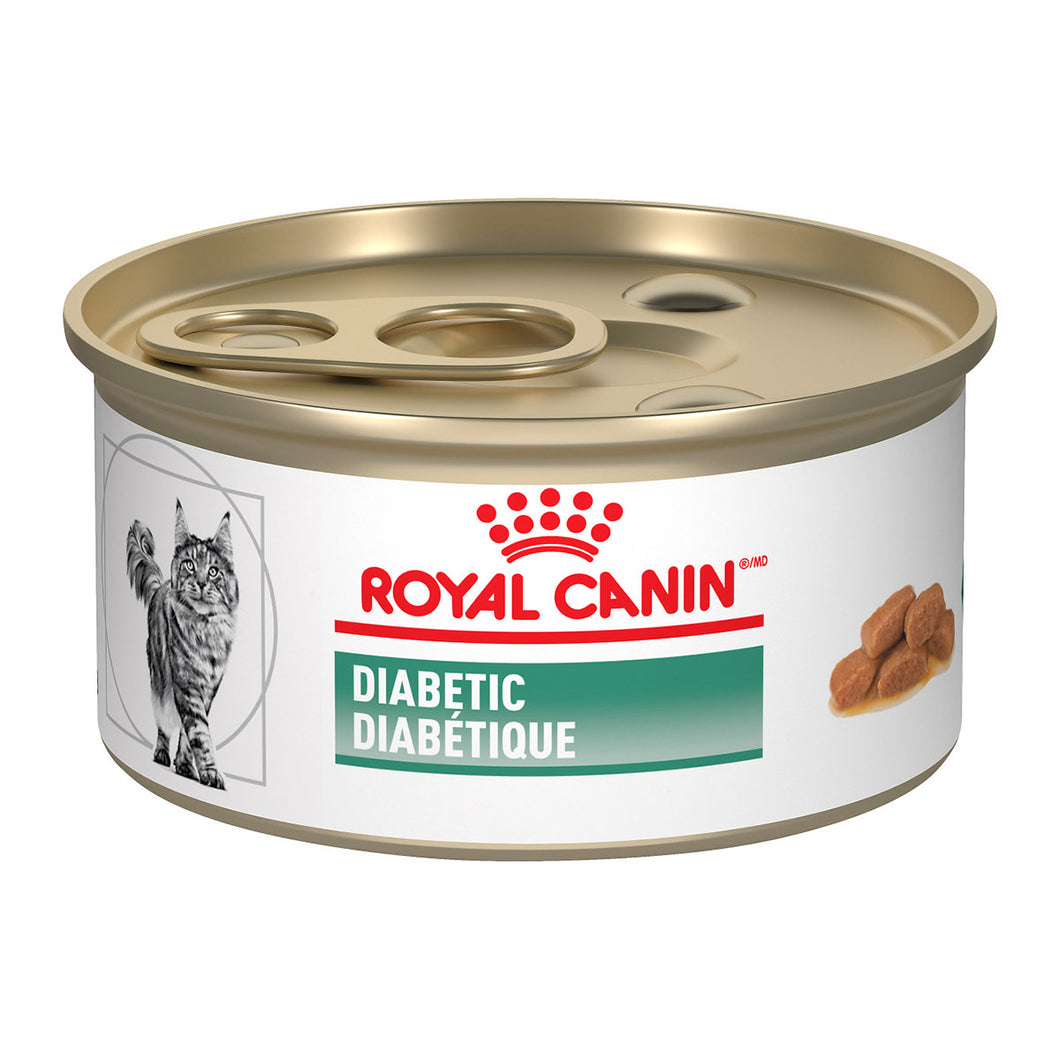
Choosing the right brand and formula can make a significant difference in your cat’s health. Look for options that are high in protein and low in carbohydrates. Brands like Hill’s Prescription Diet and Royal Canin offer specialized formulas designed for diabetic cats. Hill’s Prescription Diet m/d is known for its high-protein and low-carb content. It’s specifically formulated to help regulate glucose levels and manage weight. Another popular option is Royal Canin Diabetic Cat Food. This formula supports healthy blood sugar levels and provides essential nutrients your cat needs. Considering these options, think about what works best for your cat’s lifestyle and preferences. Is your cat a picky eater? Do they need a specific nutrient boost? Take these factors into account when making your choice. Remember, consulting with your veterinarian is vital before making any dietary changes. They can provide guidance tailored to your cat’s specific health needs. Have you ever wondered how your cat’s diet impacts its overall well-being? The right food can make all the difference.Dry Food Alternatives
Managing a diabetic cat’s diet can be challenging, especially when considering dry food alternatives. You might wonder if dry food can be a viable option. Surprisingly, some dry foods are designed specifically for diabetic cats. These options can offer convenience and longer shelf life compared to wet foods. But what are the benefits, and which brands should you consider?
Advantages Of Dry Food
Dry food is often easier to store and measure, making it a convenient choice for you. It allows for free-feeding, which can be helpful if your cat prefers grazing throughout the day. Some dry foods are formulated with lower carbohydrate levels, essential for managing diabetes.
Transitioning to dry food can also reduce dental issues. Crunchy kibble can help maintain oral health by reducing tartar buildup. However, it’s crucial to ensure the dry food you choose meets the nutritional needs of a diabetic cat.
Top Picks For Diabetic Cats
- Hill’s Prescription Diet m/d Glucose/Weight Management:Known for its low-carb, high-protein formula. Many cat owners have noted improvements in their cats’ energy levels and weight control.
- Royal Canin Glycobalance:This option is tailored for glucose management and is fortified with essential nutrients. It often receives praise for its palatability, ensuring your cat enjoys mealtime.
- Purina Pro Plan Veterinary Diets DM:Offers a high-protein, low-carb diet, specially crafted for diabetic cats. Owners have found it effective in maintaining stable blood sugar levels.
Have you ever noticed a change in your cat’s behavior after switching food? Selecting the right dry food can lead to noticeable improvements in your feline friend’s health. Always consult your vet before making dietary changes to ensure they’re safe and beneficial for your pet.
Consider the convenience and benefits of dry food alternatives. Could this be the solution you’ve been searching for? Remember, your cat’s health is the priority.
Homemade Cat Food Recipes
Diabetic cats need low-carb, high-protein meals. Homemade recipes let you control ingredients, ensuring your cat’s health. Fresh chicken, turkey, or fish paired with vegetables like spinach or peas are excellent choices. These meals help maintain stable blood sugar levels, supporting your cat’s well-being.
Creating homemade cat food for diabetic cats can be a rewarding endeavor. Crafting meals tailored to your cat’s needs ensures they get the right nutrients. This method allows control over ingredients, promoting better health and energy levels.Creating Balanced Meals At Home
Balance is crucial in homemade cat food. Diabetic cats need specific nutrients to maintain health. Protein should be the main ingredient. It helps in building muscles and keeping energy steady. Include lean meats like chicken or turkey. These are excellent protein sources for cats. Carbohydrates should be minimal. They can spike blood sugar levels. Focus on low-glycemic veggies like spinach and broccoli. These vegetables provide fiber without raising blood sugar. Fats are also essential. Omega-3 fatty acids are beneficial. They support heart health and reduce inflammation.Essential Ingredients For Diabetic Cats
Certain ingredients are vital for diabetic cats. Taurine is crucial. It supports heart health and vision. This amino acid is found in meats. Always include it in your cat’s diet. Another key ingredient is vitamin B12. It helps nerve function and blood cell production. Foods like fish and liver are rich in vitamin B12. Consider adding these to your recipes. Fiber is important too. It aids digestion and controls blood sugar. Opt for vegetables like pumpkin or green beans. These offer fiber without high sugar content. Creating homemade meals for diabetic cats requires attention to detail. Choose ingredients that promote health and balance. Your cat will thrive with the right nutrition.Treats And Snacks
Selecting the best cat food for a diabetic cat is crucial for their health. Opt for high-protein, low-carb options. Ensure the food is specially formulated for diabetic cats to help manage blood sugar levels effectively.
Treats and snacks are more than just little pleasures for your diabetic cat; they can be an essential part of their dietary management. Choosing the right treats can help maintain their blood sugar levels and overall health. However, not every treat is suitable, and you need to be vigilant about what you offer your furry friend.Safe Treat Options
When selecting treats for your diabetic cat, lean towards options that are low in carbohydrates and high in protein. Freeze-dried meats, such as chicken or turkey, are excellent choices. They’re natural and contain no additives that could spike blood sugar levels. Consider preparing homemade treats. Boiled chicken or small pieces of cooked fish can be both safe and delicious. Always ensure there’s no seasoning, especially salt, which can harm your cat’s health. Reading labels on commercial treats is crucial. Look for treats specifically labeled for diabetic cats. These usually have balanced nutrients that won’t interfere with their glucose levels.Avoiding High-sugar Snacks
It’s important to understand that not all cat treats are created equal. Many commercial treats contain hidden sugars and carbohydrates, which can harm diabetic cats. Have you checked the ingredients list on your cat’s treats lately? Avoid treats with grains, fillers, and sweeteners like corn syrup. These can cause sudden spikes in your cat’s blood sugar. Instead, opt for treats with simple, natural ingredients. Remember, even healthy treats should be given in moderation. Keep an eye on portion sizes to avoid unnecessary calories. This helps maintain a stable weight, which is crucial for managing diabetes in cats. Have you found a treat that your diabetic cat loves and is safe? Sharing your experiences can help others in similar situations.Monitoring And Adjusting The Diet
Choosing the best cat food for a diabetic cat requires careful monitoring and adjusting of its diet. High-protein, low-carbohydrate foods often help manage blood sugar levels. Always consult a vet to ensure the food meets your cat’s specific health needs.
Monitoring and adjusting a diabetic cat’s diet is crucial for their health. Regular checks and dietary changes help manage blood sugar levels. It’s essential to be vigilant about their food intake. Many factors can affect a diabetic cat’s condition. Understanding these can improve their quality of life.Regular Blood Sugar Checks
Consistent blood sugar checks are vital. They provide insights into your cat’s health. Use a glucometer for accurate readings. Keep a log of these readings. This helps track any changes over time. Consult your vet for the ideal frequency of checks. Regular checks ensure your cat’s diet is effective. Adjust their food based on these readings.Adjusting Food Based On Health Changes
A cat’s health can change. Adjust their diet accordingly. Monitor their weight and energy levels. These are indicators of health. If your cat gains weight, consult your vet. They might need a different diet plan. Sudden changes in energy levels can signal diet issues. Always choose food with low carbohydrates. This helps maintain stable blood sugar levels. Discuss any dietary changes with your vet. They can recommend the best food options.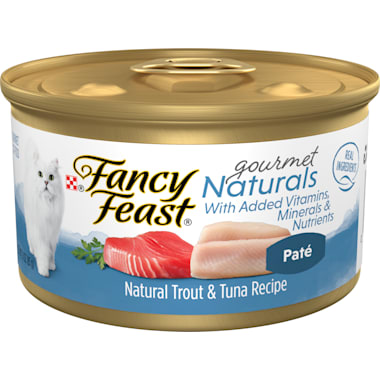
Credit: www.petco.com
Consulting The Veterinarian
Finding the right food for a diabetic cat requires expert advice. A veterinarian provides personalized guidance. They understand your cat’s specific health needs. Consulting a vet ensures you make the best choice.
Importance Of Professional Guidance
Veterinarians have specialized knowledge about feline diabetes. They recommend diets that stabilize blood sugar levels. Choosing food without guidance might harm your cat’s health. Professional advice is essential for safe and effective management.
Questions To Ask Your Vet
Prepare a list of questions for your vet visit. Ask about suitable food brands. Inquire about portion sizes and feeding schedules. Discuss any potential side effects of different diets. Understanding these aspects helps in managing diabetes effectively.
Frequently Asked Questions
What’s The Best Food To Feed A Cat With Diabetes?
Feed diabetic cats a high-protein, low-carbohydrate diet. Choose wet food over dry kibble for better hydration. Consult your vet for personalized recommendations and ensure consistent feeding times. Look for foods specifically formulated for diabetic cats to help manage blood sugar levels effectively.
What Not To Feed A Cat With Diabetes?
Avoid feeding a diabetic cat sugary foods, high-carb snacks, and commercial treats. Choose low-carb, high-protein options. Avoid dry kibble as it typically contains high carbohydrates. Consult your vet for a tailored diet plan.
Is Fancy Feast Cat Food Good For A Diabetic Cat?
Fancy Feast cat food is not specifically formulated for diabetic cats. Consult your veterinarian for dietary advice. Choose low-carb, high-protein options for better management of diabetes. Regular monitoring and proper nutrition are crucial for diabetic cat health. Always prioritize professional guidance for your pet’s unique needs.
What Is The Best Non-prescription Dry Food For Diabetic Cats?
Dr. Elsey’s cleanprotein Chicken Formula is highly recommended for diabetic cats. It has high protein and low carbohydrate content. Always consult your veterinarian to ensure the food meets your cat’s specific dietary needs.
Conclusion
Finding the right cat food for a diabetic pet is crucial. It supports their health and well-being. Choose foods low in carbs and rich in protein. Consult your vet for personalized advice. They know your cat’s needs best. Monitor your cat’s blood sugar levels regularly.
Stay informed and proactive. This helps manage diabetes effectively. With proper care, diabetic cats can lead happy lives. Your effort makes a difference. Feed them wisely and watch them thrive. Embrace this journey with love and patience. Your cat will thank you with purrs.