What is Best Cat Food for Urinary Tract Problems: Expert Guide
Are you concerned about your cat’s urinary tract health? You’re not alone.
Many cat owners like you want to ensure their furry friends lead happy, healthy lives. But with so many cat food options out there, how do you choose the best one for urinary tract problems? The right diet can make a world of difference, not just in preventing issues, but also in maintaining your cat’s overall well-being.
You’ll discover the best cat food options specifically designed to support urinary tract health. Get ready to learn how you can help your beloved pet stay comfortable, active, and joyful. Keep reading to find out which cat food can be your feline’s new best friend.

Credit: greensafaris.com
Understanding Urinary Tract Issues In Cats
Urinary tract issues in cats are surprisingly common. Many cat owners face this problem at some point. Understanding these issues helps in managing them effectively. Cats often suffer silently, making it crucial to recognize signs early. Knowing the symptoms and causes can lead to timely interventions, reducing discomfort and potential complications.
Common Symptoms
Cats with urinary tract problems often show distinct signs. Frequent urination is a common symptom. They may visit the litter box repeatedly. Straining or crying while urinating indicates distress. Blood in the urine signals a possible infection. Cats might urinate outside the litter box due to discomfort. Licking the genitals excessively is another sign. A sudden change in behavior can also be a warning.
Causes And Risk Factors
Several factors contribute to urinary tract issues in cats. Diet plays a crucial role. High magnesium levels can lead to stone formation. Inadequate water intake increases risk. Obesity is another significant factor. Overweight cats are more prone to infections. Stress can trigger urinary problems. Changes in environment or routine may stress cats. Age and breed also influence susceptibility. Older cats face higher risks. Persian and Siamese breeds are particularly vulnerable.
Credit: greensafaris.com
Importance Of Diet In Managing Urinary Health
Understanding the importance of diet in managing urinary healthfor your feline friend can be a game-changer. Cats with urinary tract problems need more than just love and care; their diet plays a crucial role in their well-being. As a cat owner myself, I was surprised to learn how much a simple change in diet could improve my pet’s health.
Role Of Nutrition
Nutrition is the cornerstone of managing urinary health. A balanced diet can help prevent the formation of urinary crystals and stones. Foods rich in moisture, like wet cat food, can increase your cat’s water intake, which is essential for maintaining a healthy urinary tract.
Does your cat’s food label mention ingredients like cranberries or omega fatty acids? These are known to support urinary health and can be a beneficial addition to your cat’s diet. Ensuring your cat gets the right nutrients can make all the difference in managing urinary issues.
Impact Of Ingredients
Not all cat foods are created equal. The ingredients in your cat’s food can have a significant impact on their urinary health. Foods high in magnesium, phosphorus, and calcium can lead to the development of urinary crystals.
Consider looking for cat foods that specifically state they are formulated for urinary health. They often have controlled levels of minerals and a pH balance that supports urinary tract health. Have you ever thought about how these small details in ingredients can lead to major health benefits?
Choosing the right cat food involves understanding these ingredient impacts. A little research can go a long way in ensuring your cat lives a comfortable and healthy life.
Key Features Of Urinary Health Cat Foods
Choosing the right cat food for urinary tract health is crucial. Cats often suffer from urinary issues. The right diet can prevent these problems. Understanding key features of urinary health cat foods helps. Proper nutrition keeps your cat healthy and happy.
Low Magnesium Content
Magnesium can cause urinary crystals. Foods with low magnesium are better. They reduce the risk of stones forming. Always check the label for magnesium levels. Cats need less magnesium for urinary health.
Balanced Ph Levels
pH levels affect urine acidity. Balanced pH prevents crystals and stones. Foods with balanced pH maintain urinary tract health. This balance is essential for preventing infections. A stable pH is key for a healthy bladder.
Hydration Support
Hydration is vital for cats. Wet foods boost water intake. Dry foods often lack moisture. Cats need plenty of water for urinary health. Hydrated cats have less urinary problems. Choose foods that promote hydration.
Top Recommended Cat Foods For Urinary Tract Health
When your feline friend struggles with urinary tract issues, finding the right cat food can make all the difference. Not only can the right diet help manage symptoms, but it can also promote overall urinary health. But with so many options on the market, how do you know what’s best? Let’s dive into some of the top recommended cat foods for urinary tract health.
Prescription Diet Options
Prescription diets are specifically formulated by veterinarians and nutritionists to address urinary tract problems. These foods often contain controlled levels of minerals and ingredients that help prevent crystal formation, a common issue in cats with urinary issues.
One popular prescription diet is Hill’s Prescription Diet c/d Multicare Urinary Care. It is designed to reduce the risk of struvite and calcium oxalate crystals. Many cat owners have seen a marked improvement in their pets’ health after switching to this diet.
Royal Canin Urinary SO is another top contender. It supports urinary health by diluting urine, which reduces the risk of stone formation. If your cat struggles with frequent urinary tract infections, this could be a game-changer.
Commercial Brands
If prescription diets are not an option, several commercial brands offer formulas tailored for urinary health. These are often more affordable and accessible, yet still effective.
Purina Pro Plan Urinary Tract Health Formula is a standout choice. It’s formulated to reduce urinary pH and contains low dietary magnesium to help maintain urinary health. Many pet owners appreciate its palatability, making it easy for cats to transition.
Iams ProActive Health Adult Urinary Tract Health Dry Cat Food is another effective commercial option. It’s crafted with high-quality protein and essential nutrients that help support urinary tract health while providing balanced nutrition.
Have you ever noticed your cat being more energetic or playful after switching to a food tailored for their needs? It’s a joy to see the positive impact the right diet can have. Choosing the right food can be a simple yet powerful step towards ensuring your cat lives a healthy, happy life.
So, what about your cat? Have you found a diet that works wonders for their urinary health? Let’s discuss the options and make sure every furry friend gets the nutrition they deserve.
Homemade Diets: Pros And Cons
Many cat owners explore homemade diets for urinary health issues. These diets offer control over ingredients, ensuring quality. Yet, they come with challenges. Understanding these pros and cons is crucial for your cat’s well-being.
Benefits Of Customization
Homemade diets let you tailor meals to your cat’s needs. You can avoid ingredients that trigger urinary problems. Fresh ingredients provide essential nutrients. This can improve your cat’s overall health. Adjusting protein levels helps manage urinary pH. This reduces crystal formation.
Potential Risks
Creating balanced meals can be difficult. Nutritional deficiencies may occur if not careful. Cats need specific nutrients like taurine. Improper diets can cause health issues. Consultation with a vet is important. Homemade diets require time and effort. Not all pet owners can commit to this. Unintended ingredients can harm your cat’s health.
Consulting With Veterinarians
Finding the best cat food for urinary tract problems can be challenging. Cats have specific dietary needs, especially when they face health issues. Consulting with veterinarians is crucial for making informed choices. They can guide you to the right cat food, tailored for your pet’s unique health requirements. Trusting a veterinarian ensures your cat gets the nutrition needed for a healthier life.
When To Seek Professional Advice
Notice any changes in your cat’s behavior or habits? Frequent urination or straining to urinate can be red flags. These symptoms may indicate urinary tract issues. Seek professional advice from a veterinarian promptly. Early intervention can prevent serious complications. Never delay a visit if your cat seems in pain or discomfort.
Questions To Ask
Prepare a list of questions for your veterinarian. Ask about the best dietary options for your cat’s condition. Inquire about recommended brands or specific ingredients. Discuss portion sizes and feeding frequency. Clarify any doubts regarding supplements or additional treatments. Understanding these details helps you care for your feline friend better.
Additional Tips For Preventing Urinary Issues
Choosing the right cat food aids in preventing urinary issues. Ensure fresh water is always available. Regular vet check-ups help maintain urinary health.
When it comes to maintaining your cat’s urinary health, choosing the right food is just one part of the puzzle. Ensuring a holistic approach to your cat’s well-being can prevent urinary tract problems from reoccurring. Here, we delve into some additional tips that can significantly improve your cat’s urinary health.Encouraging Water Intake
Hydration plays a crucial role in preventing urinary tract issues in cats. Cats often do not drink enough water, which can lead to concentrated urine and crystals formation. To encourage more water intake, consider using a cat water fountain. Cats are naturally attracted to moving water, and a fountain can make drinking more appealing. Additionally, you can add wet food to your cat’s diet to increase their moisture intake. Wet food provides hydration and nutrients, making it a dual-purpose solution. You can also try placing multiple water bowls around the house. Cats may drink more if water is easily accessible. Rotate their location occasionally to spark curiosity and interest.Regular Veterinary Check-ups
Regular check-ups with your veterinarian are essential for early detection of urinary tract issues. Cats are masters at hiding discomfort, so a professional examination ensures any problems are caught early. Routine visits allow your vet to monitor your cat’s overall health and adjust dietary needs as required. They can provide tailored advice specific to your cat’s breed and lifestyle. Have you ever noticed changes in your cat’s behavior or litter box habits? Discuss these with your vet during check-ups. Even minor changes can signal potential health issues. Taking these proactive steps can make a significant difference in your cat’s urinary health. What other strategies have you found helpful for your feline friend? Your insights might just help another cat owner out there.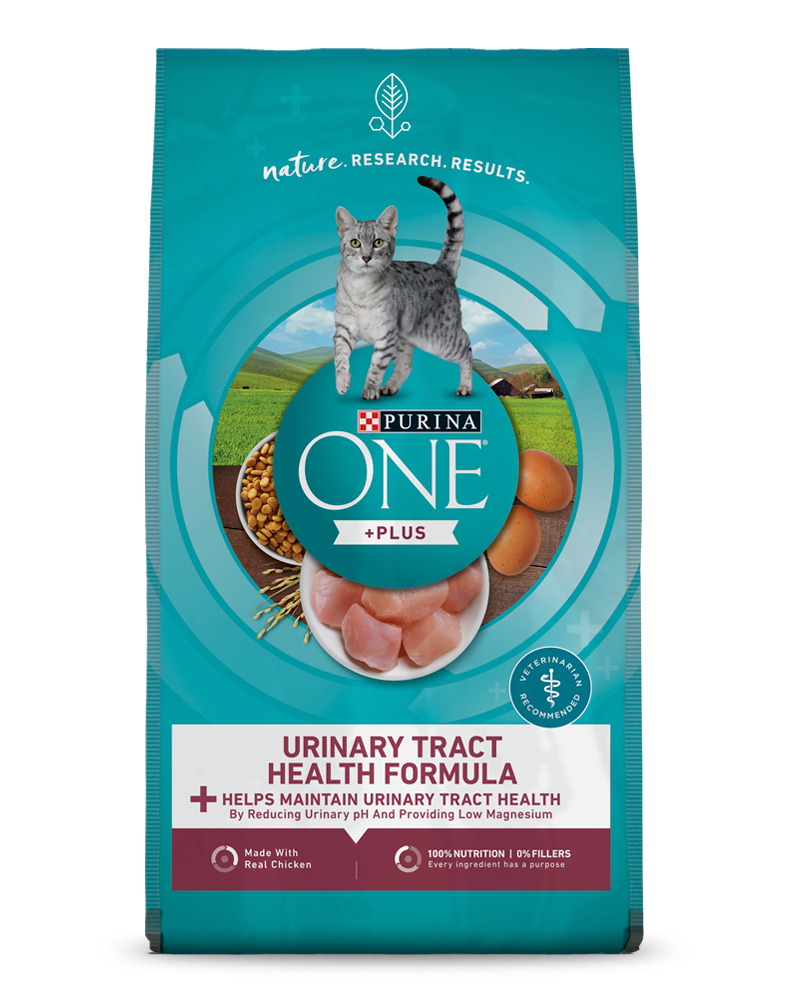
Credit: www.purina.com
Frequently Asked Questions
What Should I Feed My Cat With Urinary Problems?
Feed your cat a specialized urinary health diet. Choose wet food rich in moisture to aid hydration. Look for formulas low in magnesium and phosphorus. Consult your vet for tailored advice. Ensure fresh water is always available to support urinary tract health.
What Ingredient In Cat Food Causes Crystals In Urine?
High levels of magnesium in cat food can lead to the formation of urinary crystals. Ensure your cat’s diet is balanced with low magnesium content to prevent this issue. Always consult your veterinarian for the best dietary choices for your cat’s health.
What Is The Best Cat Food For Urinary Health Without A Vet Prescription?
Purina Pro Plan Focus Adult Urinary Tract Health Formula is highly recommended. It supports urinary health without a prescription. This formula reduces urinary pH and provides low dietary magnesium. Always ensure your cat has access to fresh water. Consult your vet if symptoms persist.
What Can I Feed My Cat To Prevent Urinary Crystals?
Feed your cat a diet specifically designed for urinary health, rich in moisture and low in magnesium. Wet cat food helps maintain hydration, reducing the risk of urinary crystals. Consult your veterinarian for recommendations tailored to your cat’s needs. Regular water intake is crucial for preventing urinary issues.
Conclusion
Choosing the right cat food helps with urinary tract issues. Always consider your cat’s age, health, and preferences. Consult your vet for personalized advice. A diet with low magnesium and balanced pH is beneficial. Hydration plays a key role in urinary health.
Wet food often has more moisture than dry. Keep an eye on your cat’s behavior for any changes. Healthy food choices lead to a happy, active cat. Remember, a good diet is an investment in your cat’s well-being. Make informed choices for your feline friend’s health.