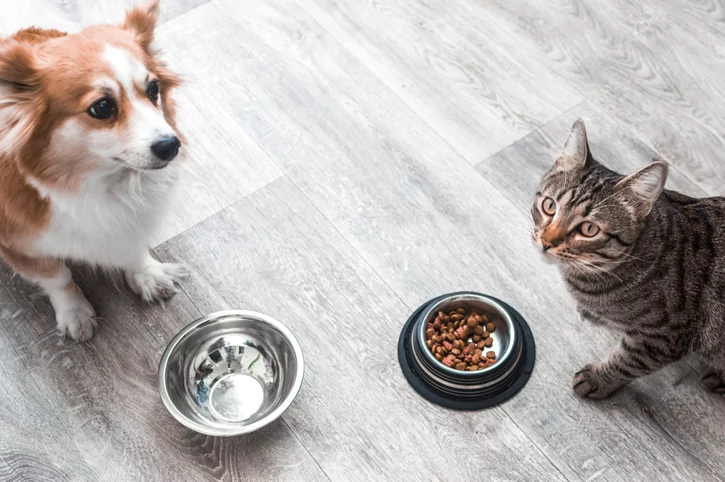
Imagine this: You walk into your kitchen and find your dog munching away on your cat’s food. Panic sets in, and your mind races with questions.
Is this dangerous? Will your dog get sick? You’re not alone; many pet owners have faced this dilemma. Understanding what happens when a dog eats cat food can save you a lot of worry. Your furry friend’s health is important, and knowing how different foods affect them is crucial.
This article will reveal the surprising truth about dogs eating cat food and what you should do next. Keep reading to ensure you’re prepared to handle this common pet mishap.
Nutritional Differences
Understanding what happens when a dog eats cat food starts with nutritional differences. Cat food and dog food are not the same. Each is tailored to meet specific needs. Cats and dogs have different dietary requirements. Knowing these differences is crucial for pet health.
Protein Content Variations
Cat food usually contains more protein. Cats are obligate carnivores. They need high protein levels for energy and health. Dogs are omnivores. They require a balanced diet with moderate protein. A dog eating cat food might consume too much protein. This can lead to health issues over time.
Fat Levels In Cat Food
Fat content in cat food is often higher. Cats need more fat for their active lifestyle. Fat provides them with essential energy. Dogs require less fat compared to cats. Excess fat intake can cause weight gain in dogs. It may also lead to digestive problems. Monitoring fat levels is important.
Digestive Reactions
When a dog eats cat food, its digestive system can react differently. Dogs and cats have different dietary needs. Cat food contains higher protein and fat levels. This can lead to various digestive reactions in dogs.
Potential Upset Stomach
A dog may experience an upset stomach after eating cat food. The rich ingredients in cat food can irritate a dog’s stomach. This might cause nausea or a lack of appetite. Some dogs might vomit if their stomach is very upset.
Altered Stool Consistency
The high-fat content in cat food can change a dog’s stool. Some dogs may develop diarrhea due to the sudden diet change. Others might have firmer stools than usual. It’s essential to monitor your dog’s bathroom habits after eating cat food.
Health Implications
When your dog starts munching on cat food, it might seem harmless at first. After all, both are meant for furry friends, right? But this can lead to some serious health implications for your pup. Understanding these risks can help you make informed decisions about your pet’s diet and overall well-being.
Weight Gain Risks
Cat food is typically higher in calories and fat than dog food. If your dog has a habit of sneaking cat food, you might notice their waistline expanding. Extra weight can lead to numerous health problems, including joint issues and heart disease. Imagine struggling with a weight problem yourself; it’s challenging and affects your overall health. The same goes for your dog.
Have you ever tried keeping the cat’s bowl out of reach? It might be time to find creative ways to separate their feeding areas. Consider elevated feeding stations or designated feeding times to ensure your dog doesn’t overeat.
Nutrient Deficiencies
Dog food is formulated to meet specific canine nutritional needs, which differ significantly from those of cats. When dogs eat cat food regularly, they miss out on essential nutrients like vitamins and minerals crucial for their health. This can lead to deficiencies that may impact their immune system and energy levels.
Are you noticing your dog looking lethargic or not as playful as before? It could be a sign they’re not getting the nutrients they need. Just like you need a balanced diet to stay active and healthy, so does your dog. Ensure they receive the right food to support their lifestyle.
Taking steps to keep your dog away from the cat’s food isn’t just about discipline; it’s about ensuring their health and happiness. How will you adjust your feeding routines today to benefit your dog’s well-being?
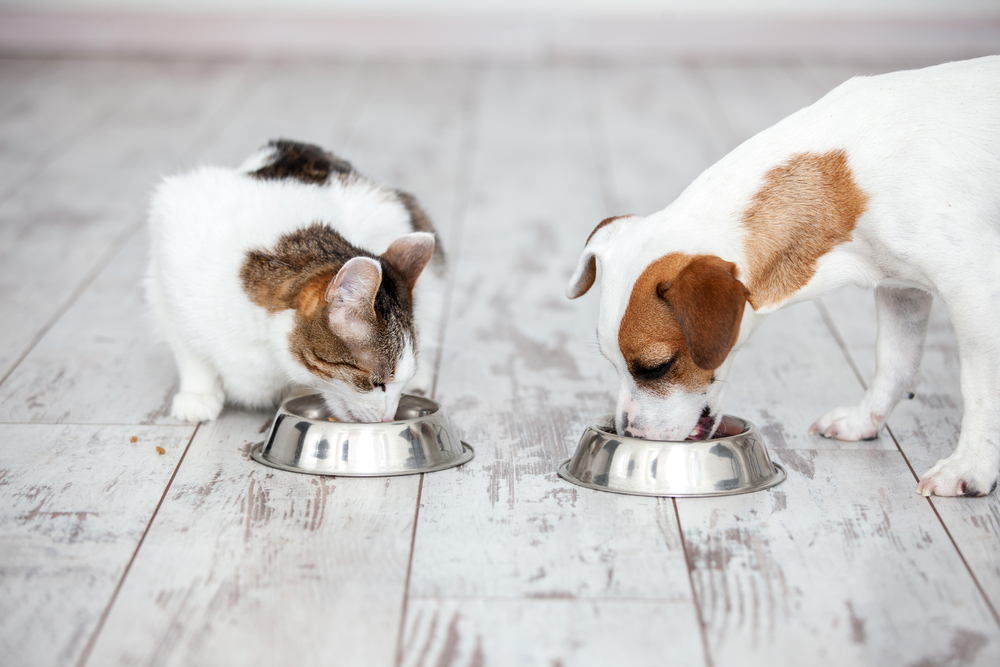
Credit: www.vets-now.com
Behavioral Changes
Ever wondered what happens when your dog sneaks a bite of cat food? It’s not just about the nutritional differences but also how it might affect your furry friend’s behavior. Dogs are curious creatures, and a change in diet can lead to noticeable behavioral shifts. Let’s dive into what you might observe if your dog has been munching on cat food.
Increased Energy Levels
You might notice your dog suddenly has more energy than usual. Cat food often contains higher protein and fat levels, which can boost your dog’s energy. Imagine your dog running around the house with extra zest, perhaps even waking you up earlier for playtime. This burst of energy might seem fun at first, but have you considered how it affects their routine?
Possible Hyperactivity
With increased energy, some dogs might become hyperactive. This isn’t just extra enthusiasm; it’s an unusual level of activity that can disrupt daily life. Your dog might start barking more or pacing around the house. If your dog is acting out of character, it’s worth asking: is the cat food the culprit? While occasional hyperactivity might be manageable, persistent behavior could signal the need for dietary adjustments.
Have you experienced this with your dog? Share your story in the comments. By understanding the impact of diet on behavior, you can make informed choices for your pet’s well-being. Remember, a healthy diet leads to a happy pet!
Long-term Effects
As a devoted dog owner, you might occasionally notice your furry friend indulging in cat food. While a nibble here and there may seem harmless, the long-term effects of consistent consumption can be concerning. Understanding these impacts is crucial to ensuring your pet’s health and happiness.
Impact On Organ Health
Regularly eating cat food can put a strain on your dog’s organ health. Cat food contains higher protein levels, which can overwork your dog’s kidneys. Over time, this stress can lead to kidney damage. Additionally, it often lacks the right balance of nutrients for dogs, possibly affecting their liver health.
Have you ever noticed your dog drinking more water than usual? This could be a sign of kidney stress. It’s essential to monitor these changes and consult a vet if necessary. Protecting your dog’s organs is crucial for their long-term well-being.
Potential Allergy Development
Another concern with frequent cat food consumption is the development of allergies. Cat food ingredients differ significantly from dog food, and your pup might react negatively. Symptoms can include itchy skin, digestive issues, or even ear infections.
Consider the time when your dog suddenly started scratching more than usual. It could be linked to their diet. Observing these symptoms early can help prevent more serious health issues. Wouldn’t you want your dog to be comfortable and allergy-free?
Ultimately, understanding the long-term effects of cat food on dogs is about ensuring a balanced diet and monitoring health changes. Your dog’s longevity and happiness depend on it!
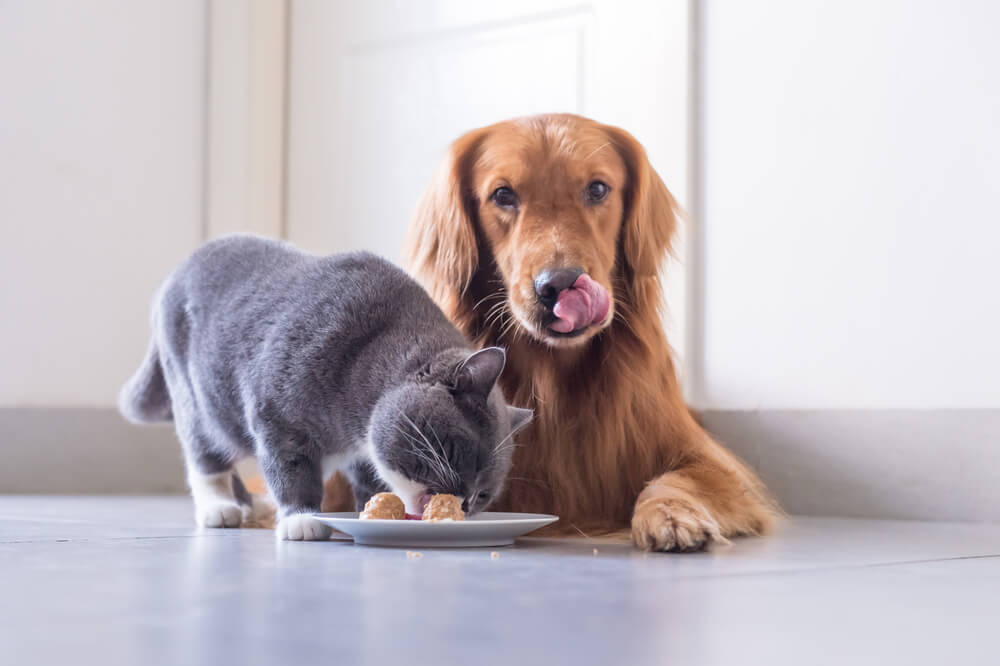
Credit: blog.myollie.com
Safety Precautions
Dogs eating cat food can lead to upset stomachs. Cat food is rich in proteins and fats, which dogs may find hard to digest. It’s important to monitor your pet for any signs of discomfort and consult a veterinarian if necessary.
When your dog sneaks a snack from the cat’s bowl, it might seem harmless. But understanding the safety precautions can save your furry friend from health issues. Let’s dive into how you can keep your dog safe when cat food becomes their guilty pleasure.Monitoring Diet
Keeping an eye on your dog’s diet is crucial. If your dog has eaten cat food once, it might not be a big deal. But if it becomes a habit, you could be setting the stage for nutritional imbalances. Dogs and cats have different dietary needs. Cat food is often higher in protein and fat, which can lead to weight gain in dogs. Track your dog’s eating habits to prevent health issues like obesity and pancreatitis. Are you leaving cat food out all day? Consider scheduled feeding times to discourage your dog from sneaking bites. This small change can make a big difference in maintaining your dog’s health.Consulting A Veterinarian
If your dog has eaten a large amount of cat food, contacting your veterinarian is wise. They can provide guidance tailored to your dog’s specific needs and any potential risks. Veterinarians can help you understand if there are immediate concerns. For example, they might ask about symptoms like diarrhea or vomiting. These could indicate a digestive upset needing medical attention. Regular check-ups are essential for catching issues early. Your vet can also suggest alternative feeding strategies to keep both your dog and cat satisfied. Have you ever thought about how a simple call to your vet could prevent a major health scare? Incorporate these precautions to ensure your dog stays happy and healthy while avoiding the allure of the cat’s food bowl.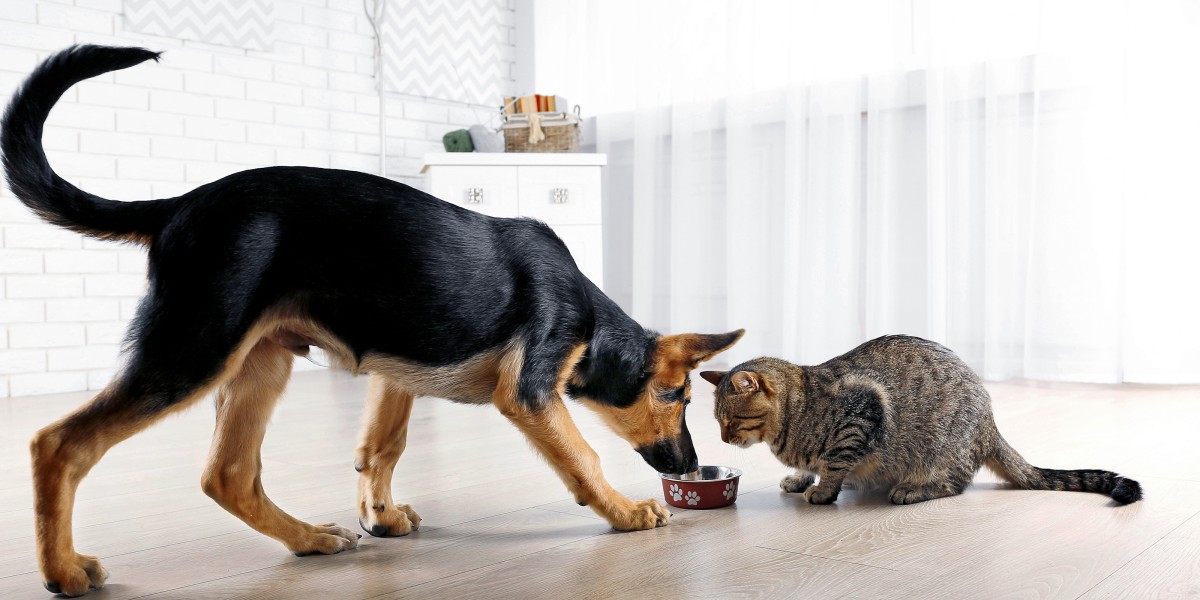
Credit: www.purina.com
Frequently Asked Questions
What Should I Do If My Dog Eats Cat Food?
Monitor your dog for any unusual symptoms. Contact your vet if you notice vomiting or diarrhea. Cat food is not toxic but lacks nutrients needed for dogs. Prevent access to cat food in the future to maintain a balanced diet for your dog.
How Long Will My Dog Be Sick After Eating Cat Food?
Dogs may feel sick for a few hours to a day after eating cat food. Monitor for vomiting, diarrhea, or lethargy. Consult a vet if symptoms persist or worsen. Always ensure your dog eats food designed for their dietary needs.
Is Cat Food Harmful For Dogs?
Cat food can be harmful to dogs if consumed in large amounts. It contains higher protein and fat levels. Dogs may experience digestive issues or obesity. Consult a vet if your dog frequently eats cat food. Always provide dog-specific food for balanced nutrition.
What Happens If You Accidentally Give A Dog Cat Food?
Dogs can eat cat food occasionally without harm. It might cause digestive issues like diarrhea or vomiting. Regular feeding can lead to nutritional imbalances because cat food is higher in protein and fat. Always consult a vet if your dog shows any discomfort after consuming cat food.
Conclusion
Feeding your dog cat food occasionally isn’t a disaster. But it’s not ideal. Dogs and cats have different nutritional needs. Dog food is crafted for canine health. Cat food lacks certain nutrients dogs need. Long-term consumption could cause health issues.
Always monitor your pet’s diet. Consult your vet for advice if necessary. They know best about your pet’s needs. Keep dog and cat food separate. This ensures each pet gets proper nutrition. Your pets will thank you with wagging tails and purrs.
Keep them happy and healthy with the right food choices.