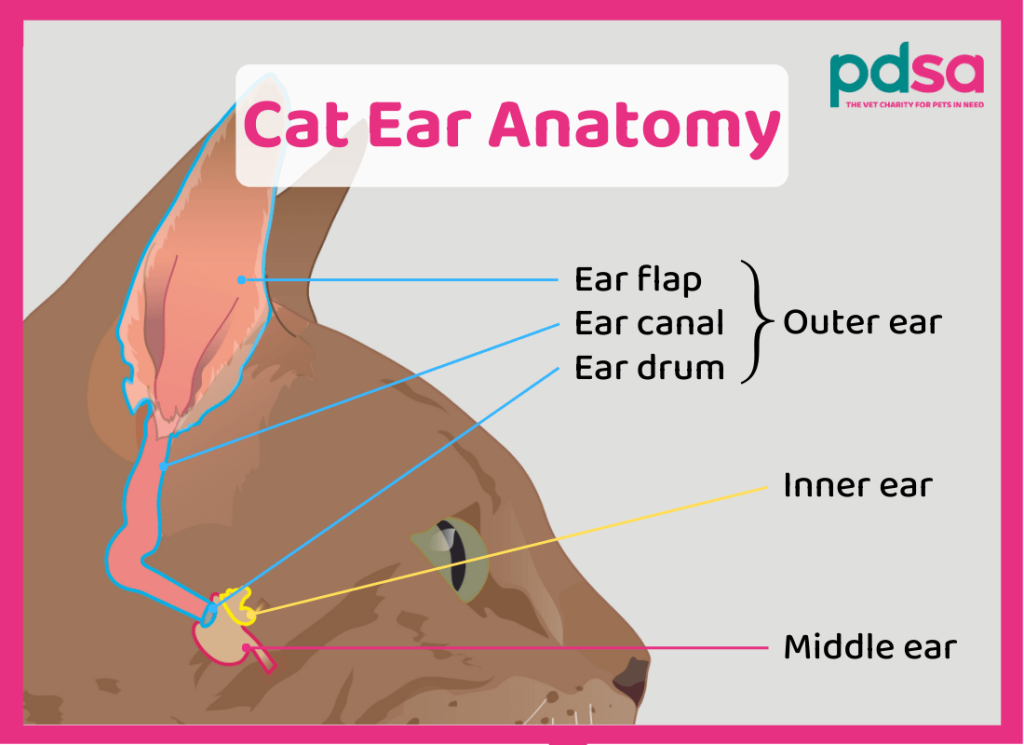
Is your feline friend scratching their ears more than usual? Are you noticing any unusual discharge or a peculiar odor?
These could be signs of a cat ear infection, a common yet often overlooked issue that can cause significant discomfort for your pet. Understanding what causes cat ear infections is crucial for every cat owner. When you know the root causes, you can take steps to prevent them, ensuring your cat stays happy and healthy.
Dive into the details to discover the surprising factors that might be affecting your cat’s ears and learn how to protect them from future infections. Your cat’s comfort could depend on it!
Common Causes Of Cat Ear Infections
Cats are curious creatures, often getting themselves into tight spots and sniffing around places they probably shouldn’t. While their adventurous spirit is endearing, it can sometimes lead to health issues like ear infections. Understanding the common causes of these infections can help you protect your feline friend and maintain their overall health. Below, we explore the primary culprits behind cat ear infections, including bacterial and fungal origins. Let’s dive in and see how you can keep your kitty’s ears healthy.
Bacterial Infections
Bacterial infections are a leading cause of ear troubles in cats. Imagine your cat wandering through tall grass or playing in the dirt. These environments can harbor bacteria that easily make their way into your cat’s ears. Once inside, the bacteria multiply rapidly, leading to inflammation and discomfort.
A common sign of bacterial infection is a foul smell from your cat’s ears. You might also notice them scratching more than usual. If you suspect a bacterial infection, it’s important to consult your vet. They can prescribe antibiotics that target the specific bacteria causing the problem.
Think about the last time you had an earache. Now, imagine your cat experiencing that same pain. Regular cleaning and monitoring can prevent bacteria from taking hold in the first place. Keep an eye on your cat’s behavior and ear condition to catch potential infections early.
Fungal Growth
Fungal growth is another culprit behind ear infections in cats. Moist environments are breeding grounds for fungi, and your cat’s ears can provide just that. If your cat loves to play in the rain or enjoys lounging by a humid window, their ears could be at risk.
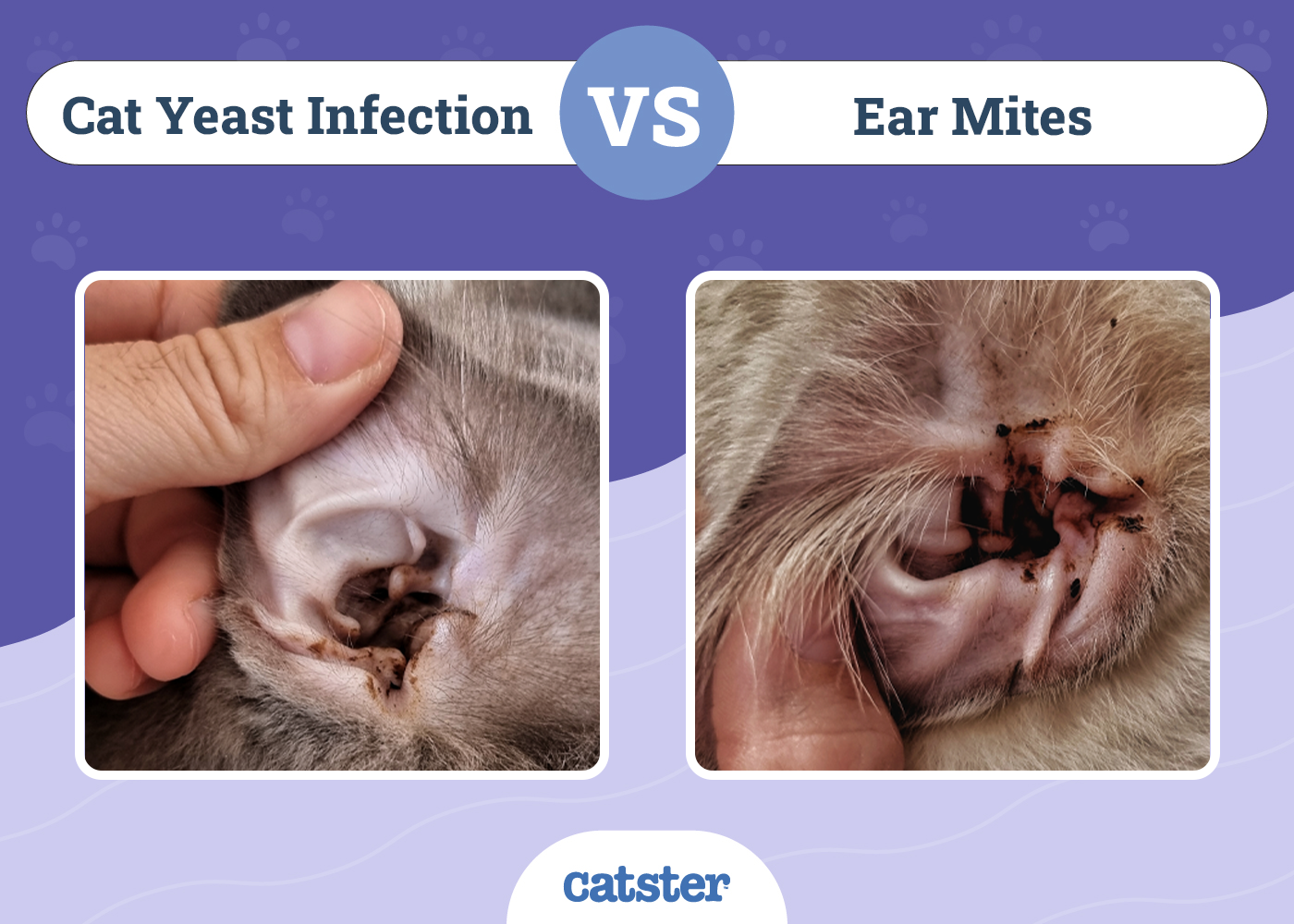
Yeast infections are the most common type of fungal ear infection. You might notice a thick, dark discharge in your cat’s ears, accompanied by persistent scratching. The irritation can be quite uncomfortable for your feline friend.
Imagine your cat trying to communicate their discomfort through subtle actions. It’s crucial to pay attention to these signs. Treating fungal infections often involves antifungal medication, which your vet can provide. Prevention includes keeping your cat’s ears dry and clean, especially after exposure to moisture.
Are you keeping track of your cat’s ear health? Regular checks can make all the difference. By being proactive, you ensure your cat’s adventures remain joyful, without the pesky burden of ear infections.
Signs And Symptoms
Cats often get ear infections from allergies, mites, or moisture. Symptoms include scratching, head shaking, and redness. Watch for unusual odors or discharge from your cat’s ears.
Recognizing the signs and symptoms of a cat ear infection is crucial for early intervention and effective treatment. Many cat owners can attest to the frustration and concern that comes with a feline friend who is constantly scratching their ears. But how do you know if it’s just a simple itch or something more serious? Knowing what to look out for can make all the difference in maintaining your cat’s health and comfort.Behavioral Changes
Cats are creatures of habit, and any deviation from their normal behavior can be a signal that something is wrong. If your cat is suddenly more irritable or seems to be in discomfort, it may be an early sign of an ear infection. You might notice them shaking their head frequently or rubbing their ears against furniture. Another behavioral change could be a decrease in appetite or reluctance to play. This is often because the discomfort from the ear infection is distracting or even painful. Have you noticed your cat hiding more than usual? They might be trying to avoid interaction due to their irritation.Physical Indicators
Physical signs are often more obvious and can help confirm your suspicions of an ear infection. Look inside your cat’s ears; if you see redness or swelling, this could indicate an infection. A strong, unpleasant odor coming from the ears is another common symptom. Discharge from the ear, which can be brown or yellow, is a clear sign that something is wrong. This discharge might also crust around the ear, making it uncomfortable for your pet. Have you ever noticed your cat’s ears feeling warm to the touch? This heat can be a tell-tale sign of inflammation or infection. Regularly checking your cat’s ears can help you catch these physical indicators early. Understanding these signs and symptoms allows you to act quickly and seek veterinary help, ensuring your cat remains healthy and happy. What signs have you noticed in your cat that prompted a vet visit? Recognizing these symptoms early can save your feline friend from unnecessary discomfort.Risk Factors
Understanding the risk factors for cat ear infections can help you take preventative measures to keep your feline friend healthy. Identifying these risks early can save you and your cat from uncomfortable vet visits and potential complications. Let’s explore some of the primary factors that can increase your cat’s chances of developing an ear infection.
Breed Susceptibility
Some cat breeds are more prone to ear infections than others. Breeds with folded ears like the Scottish Fold or those with excessive ear hair such as the Persian can be at higher risk. You might find that your cat needs more frequent ear cleaning or vet check-ups if they belong to one of these breeds.
Do you know the breed of your cat? It’s a good idea to research any specific health concerns related to their breed. Early awareness can lead to better preventative care and less worry for you.
Environmental Influences
Where your cat spends most of their time can impact their ear health. Cats that roam outdoors are more exposed to parasites and dirt, which can lead to infections. On the other hand, indoor cats might be affected by dust or household allergens.
Consider the cleanliness of your cat’s environment. Regular cleaning and minimizing allergens can reduce risks. If you have multiple pets, ensure they are also healthy, as infections can spread easily.
Are there any changes you could make to your cat’s environment to enhance their health? Small adjustments can make a big difference in preventing infections.
:quality(75))
Credit: manypets.com
Diagnosis Process
Diagnosing a cat ear infection involves a thorough examination. It is essential to identify the root cause. A precise diagnosis helps in providing effective treatment. The process includes examining the ear and conducting tests.
Veterinary Examination
Veterinarians start with a physical examination. They check the ear for redness or swelling. They look for discharge and any foul odor. Observing the cat’s behavior is crucial too. Scratching or shaking the head often indicates discomfort.
Diagnostic Tests
Tests help pinpoint the infection type. Ear swabs are common. They collect samples from the ear canal. The samples are examined under a microscope. This reveals bacteria, yeast, or mites. Blood tests may be conducted. They check for underlying health issues. Advanced imaging techniques like X-rays can be used. They help in identifying deeper problems. Accurate diagnosis leads to effective treatment plans.
Prevention Strategies
Preventing cat ear infections is crucial for maintaining your feline friend’s health and happiness. By adopting simple yet effective strategies, you can significantly reduce the risk of ear infections. These approaches not only keep your cat’s ears clean but also help you detect any issues early, ensuring prompt treatment.
Routine Cleaning
Regular cleaning is essential to prevent wax build-up and debris that can lead to infections. Use a soft, damp cloth to gently wipe the outer ear. Avoid using cotton swabs, as they can push dirt further in.
Consider using a vet-approved ear cleaning solution. Follow the instructions carefully for safe and effective cleaning. Does your cat resist ear cleaning? Try associating the process with treats to make it a positive experience.
Regular Check-ups
Scheduling regular check-ups with your vet can catch early signs of ear infections before they become serious. Vets can spot issues that you might miss. They can also advise on specific ear care tailored to your cat’s needs.
Keep track of any changes in your cat’s behavior. If you notice scratching or head shaking, it’s time for a vet visit. Sometimes, your cat’s habits reveal more than meets the eye. Have you ever discovered a health issue through a routine check-up that you hadn’t noticed before?
Adopting these prevention strategies can make a significant difference in your cat’s health. With routine cleaning and regular check-ups, you can ensure your furry friend stays happy and infection-free. What’s stopping you from taking these proactive steps today?
Credit: www.catster.com
Treatment Options
Cat ear infections can be uncomfortable for your feline friend. Knowing the right treatment options is crucial to ensure their comfort and health. Treatments can vary, depending on the cause and severity of the infection. Below, we explore effective methods to treat cat ear infections, including medication and home remedies.
Medication
Veterinarians often prescribe medication to treat ear infections. Antibiotics are common for bacterial infections. Antifungal drops treat yeast infections. Sometimes, anti-inflammatory drugs reduce swelling and discomfort. Always follow the vet’s instructions for dosage and duration.
Home Remedies
Home remedies can soothe mild ear infections. Clean your cat’s ears gently with a vet-recommended solution. Keep your cat’s ears dry to prevent further infection. Olive oil can help loosen wax buildup. But use it sparingly. Always consult your vet before trying home remedies. They can advise on safe and effective options.

Credit: beyondpets.com
Frequently Asked Questions
How Does An Indoor Cat Get An Ear Infection?
Indoor cats can get ear infections from allergies, ear mites, bacteria, or yeast. Poor hygiene or moisture can also contribute. Regular vet check-ups help prevent infections and ensure your cat’s ears remain healthy. Keep your cat’s environment clean and monitor for signs like scratching or head shaking.
How Do I Keep My Cat From Getting Ear Infections?
Clean your cat’s ears regularly with vet-recommended solutions. Maintain a balanced diet to boost immunity. Check for signs of infection and consult a vet promptly. Keep your cat’s environment clean to prevent bacteria. Regular vet check-ups help monitor ear health effectively.
Can A Cat’s Ear Infection Go Away On Its Own?
A cat’s ear infection typically requires treatment and may not heal on its own. Consult a veterinarian for diagnosis and appropriate care. Timely intervention prevents complications and ensures your cat’s well-being. Regular check-ups and ear cleaning can help maintain ear health and prevent future infections.
What Is Considered To Be The Most Common Cause Of Ear Infections In Cats?
The most common cause of ear infections in cats is ear mites. These parasites irritate and inflame the ear canal. Regular cleaning and vet check-ups help prevent infections.
Conclusion
Understanding cat ear infections helps keep your furry friend healthy. Common causes include mites, bacteria, and allergies. Regular checks prevent ear issues from worsening. Clean your cat’s ears gently and often. Look for signs like scratching or head shaking. Visit a vet if symptoms persist.
Early treatment ensures your cat stays happy and comfortable. Keeping their ears clean reduces infection risk. A healthy cat is a happy cat. Remember, your vet is your best guide for ear care. Staying informed helps your pet live a long, healthy life.
Keep those ears perked up and infection-free!