What Causes a Cat to Lose Hair: Essential Insights
If you’ve ever run your fingers through your cat’s soft fur only to notice more and more of it ending up on your couch, clothes, or floors, you’re not alone. Hair loss in cats, also known as alopecia, can be puzzling and worrying.
It might leave you wondering if your furry friend is simply shedding more than usual or if there’s a deeper issue at play. Understanding the reasons behind your cat’s hair loss is key to addressing any underlying problems and ensuring their health and happiness.
In this guide, we’ll delve into the common causes of hair loss in cats, offering insights that could help you pinpoint the issue and take proactive steps. Keep reading, because your cat’s comfort and well-being might just depend on it.
Credit: thecatdoctor.co.uk
Common Causes Of Hair Loss In Cats
Cats can lose hair due to allergies, which cause itching and scratching. Stress or anxiety might also lead to hair loss. Hormonal imbalances or parasites like fleas can contribute to this condition.
Hair loss in cats can be concerning for any pet owner. Understanding the underlying reasons can help you address the issue effectively. Hair loss, or alopecia, in cats can result from various causes, each requiring a different approach to treatment. By identifying the root cause, you can help your feline friend regain their lush coat and comfort. Let’s explore some common culprits behind this issue.Allergies And Skin Irritations
Cats can be as sensitive as we are. Allergies often result from environmental factors like pollen or dust. Sometimes, even the food they enjoy might be the culprit. A cat with allergies may scratch or groom excessively, leading to patches of hair loss. Have you noticed your cat scratching more than usual? It might be time to evaluate their surroundings and diet.Parasites And Infestations
Fleas, ticks, and mites aren’t just a nuisance; they can wreak havoc on your cat’s coat. These tiny invaders cause relentless itching. Your cat might scratch or bite themselves, leading to hair loss. A flea infestation can be hard to spot, but a flea comb or a vet check-up can confirm their presence. Regular preventative treatments can keep these pesky parasites at bay.Fungal Infections
Ringworm isn’t a worm; it’s a fungal infection. It can cause circular patches of hair loss that may look alarming. This condition is contagious and can spread to humans and other pets. If you spot these signs, consult a vet immediately for treatment. Have you ever dealt with ringworm in your household? Quarantine and treatment are key to preventing its spread. Hair loss in cats can stem from several issues. By observing your cat closely and seeking professional advice, you can ensure they remain healthy and happy. What steps will you take today to safeguard your cat’s wellbeing?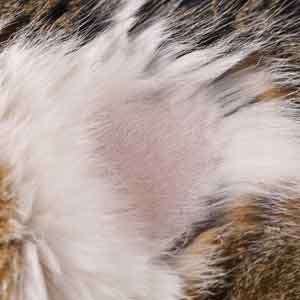
Credit: www.ellevetsciences.com
Hormonal Imbalances
Hormonal imbalances can play a major role in hair loss in cats. Just like humans, cats can experience shifts in their hormone levels. These shifts can lead to unexpected health changes, including hair loss. If you’ve noticed your furry friend’s coat thinning, it might be worth considering a hormonal issue.
Let’s dive into two specific hormonal conditions that could be causing your cat to lose hair.
Hyperthyroidism
Hyperthyroidism is a common condition in older cats. It occurs when the thyroid gland produces too much thyroid hormone. This overproduction can accelerate your cat’s metabolism, leading to weight loss, increased appetite, and even hair loss.
You might notice your cat grooming excessively or shedding more than usual. Have you ever seen your cat scratching more frequently? It could be a sign of hyperthyroidism. Early detection is crucial, so consider consulting your vet if you notice these symptoms.
Cushing’s Disease
Cushing’s Disease is another hormonal imbalance that can affect your cat. It’s caused by an overproduction of cortisol, a hormone that helps regulate stress responses. High levels of cortisol can lead to hair thinning, skin infections, and even a pot-bellied appearance.
Imagine your cat appearing restless or anxious, with thinning fur and a round belly. These are potential signs of Cushing’s Disease. Addressing these symptoms early can help manage the condition more effectively.
Could your cat’s hair loss be tied to hormonal imbalances like these? Knowing the signs and taking action could make all the difference in your cat’s health.
Nutritional Deficiencies
Have you ever noticed your cat losing hair and wondered why? One surprising reason could be nutritional deficiencies. Just like humans, cats need a balanced diet rich in vitamins and nutrients. When these essentials are missing, it can lead to various health issues, including hair loss. Let’s explore how specific deficiencies can impact your cat’s fur health.
Lack Of Essential Vitamins
Vitamins play a crucial role in maintaining your cat’s overall health and fur condition. B vitamins, especially biotin, are vital for healthy skin and hair. A deficiency in biotin can lead to dull fur and excessive shedding. If your cat isn’t getting enough of these vitamins, you might notice patches of baldness or thinning fur.
Another essential vitamin is Vitamin E, which helps in promoting healthy skin. Its antioxidant properties protect skin cells, preventing damage and hair loss. Without adequate Vitamin E, your cat’s coat might lose its shine and strength. Ensuring a diet rich in these vitamins can make a significant difference.
Impact Of Poor Diet
A poor diet can severely impact your cat’s fur health. If your cat eats processed foods or meals lacking in protein, it can lead to brittle hair and increased shedding. Cats are obligate carnivores, meaning their diet should primarily consist of meat. Without enough protein, their fur could become weak and prone to falling out.
Consider the case of my friend’s cat, Bella, who was fed low-quality dry food. Bella started losing patches of hair. Switching to a high-quality, protein-rich diet dramatically improved her coat within weeks. It’s a testament to the power of nutrition in fur health.
Are you giving your cat the best diet possible? Evaluating your cat’s food and ensuring it’s rich in essential nutrients can prevent hair loss and keep your feline friend healthy. Why not take a closer look at those ingredient labels next time you shop?
Stress And Anxiety Factors
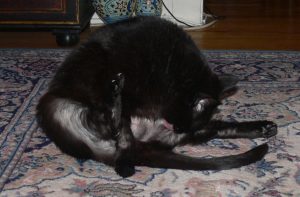
Stress and anxiety can cause a cat to lose hair. Loud noises, changes at home, or new pets create stress. Excessive grooming due to anxiety leads to hair loss. Understanding these triggers can help manage their environment.
Cats, like humans, can experience stress and anxiety. These feelings can trigger hair loss. Stress-related alopecia in cats is common. It often results from changes in their surroundings or social interactions.Environmental Changes
Cats are creatures of habit. They thrive on routine and familiar surroundings. A sudden change in their environment can stress them. Moving to a new home can be overwhelming. The presence of construction noise might disturb their peace. Even a simple rearrangement of furniture can cause anxiety. This stress can lead to excessive grooming. Over-grooming often results in bald patches. Providing a calm and stable environment helps. Gradual introductions to changes can ease their stress.Interaction With Other Pets
Introducing a new pet can upset your cat. Cats are territorial by nature. A new pet can feel like a threat. This might lead to stress and anxiety. Cats may respond by hiding or becoming aggressive. They might also start grooming excessively. This behavior can cause hair loss. It’s important to manage introductions carefully. Allow your cat to adjust at their own pace. Create safe spaces for them to retreat if needed. Observing their interactions can help identify stress triggers.Genetic Predispositions
Genetic predispositions play a crucial role in a cat’s hair loss. Some cats have genes making them prone to losing fur. This can be due to inherited traits passed down through generations. Understanding these genetic factors is vital for managing and preventing hair loss in cats.
Breed-specific Issues
Certain cat breeds have unique genetic traits affecting their hair. For example, Siamese cats often experience hair thinning. This is due to their specific genetic makeup. Persian cats might face hair loss due to their dense fur structure. These breed-specific issues demand tailored care. Knowing your cat’s breed can help in addressing these problems effectively.
Inherited Conditions
Some cats inherit conditions causing fur loss. Alopecia is a common inherited condition in cats. It leads to patches of hair loss on the body. Another inherited issue is skin allergies. These can cause excessive scratching and hair loss. Recognizing these inherited conditions early can aid in better management. Regular vet visits help in diagnosing these genetic problems.
Medical Conditions
Hair loss in cats can stem from various causes, including allergies, stress, or parasites. Hormonal imbalances or infections might also lead to bald patches. Regular vet check-ups help identify the underlying issues and ensure healthy fur maintenance.
When your cat starts losing hair, it’s natural to worry. While some shedding is normal, excessive hair loss might point to underlying medical conditions. Understanding these conditions can help you take better care of your feline friend. Let’s dive into some common medical causes that might be affecting your cat’s fur coat.Autoimmune Disorders
Autoimmune disorders occur when your cat’s immune system mistakenly attacks its own body. This can lead to hair loss as the body targets its skin and follicles. Pemphigus is a common autoimmune disorder in cats, where sores and crusts form on the skin, leading to hair loss. Cats with autoimmune issues often show other symptoms like lethargy or changes in appetite. If you notice these signs, consult your vet. Early diagnosis can help manage the condition and reduce hair loss.Cancer And Tumors
While the word “cancer” is frightening, not all tumors are malignant. Benign tumors can also cause hair loss by irritating the skin or causing inflammation. Cats may develop lumps or growths that lead to bald spots. If your cat has a persistent lump or an area of skin that seems irritated, it’s time for a vet visit. Early detection is crucial for successful treatment. Paying attention to changes in your cat’s skin can make a significant difference. Have you ever found a small lump on your cat and wondered if it’s serious? Monitoring these changes can save your pet from discomfort and potential health issues. Regular vet check-ups are essential for catching problems early. Is your cat losing hair in certain spots, or is it an all-over issue? Identifying patterns can help narrow down the cause. By staying observant and informed, you can help keep your cat’s coat healthy and full.Treatment And Prevention
Hair loss in cats can be worrying for pet owners. Understanding effective treatments and prevention can help. A proactive approach ensures your cat’s coat stays healthy.
Dietary Adjustments
Nutrition plays a crucial role in a cat’s skin health. A balanced diet supports strong hair growth. Ensure your cat gets enough proteins and essential fatty acids. Omega-3 and Omega-6 are vital for a shiny coat. Consult your vet for dietary supplements if needed.
Regular Veterinary Check-ups
Regular vet visits catch potential issues early. Vets can identify underlying health problems causing hair loss. Routine check-ups also ensure vaccinations and parasite control are up-to-date. This keeps your cat healthy and prevents hair loss from infections.
Stress Management Techniques
Stress can lead to hair loss in cats. Create a calm environment for your pet. Provide safe spaces and engage in regular playtime. Use pheromone diffusers to reduce stress levels. Pay attention to changes in behavior indicating stress. Early action can prevent hair loss related to anxiety.
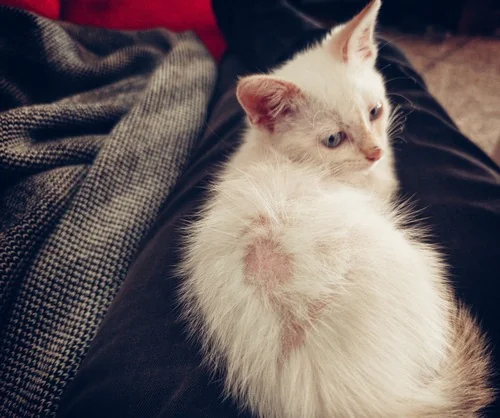
Credit: dyeranimalclinic.com
Frequently Asked Questions
When Should I Be Concerned About My Cat’s Hair Loss?
Be concerned about your cat’s hair loss if it’s excessive, causes bald spots, or is accompanied by itching, redness, or sores. Consult a veterinarian if the hair loss persists or worsens, as it could indicate an underlying health issue or allergy.
Early intervention ensures better treatment outcomes.
What Can I Give My Cat To Stop Losing Hair?
Feed your cat a balanced diet rich in omega-3 fatty acids. Regular grooming helps reduce shedding. Use vet-recommended supplements if needed. Ensure your cat is free from fleas and allergies. Visit a vet for persistent hair loss concerns.
What Is The Most Common Cause Of Hair Loss In Cats?
The most common cause of hair loss in cats is flea allergy dermatitis. Fleas cause irritation and itching, leading to hair loss. Regular flea control and treatment help prevent this issue. Consult a veterinarian for a proper diagnosis and effective treatment plan to ensure your cat’s health and comfort.
Can Worms Cause A Cat To Lose Hair?
Yes, worms can indirectly cause hair loss in cats. Parasites like fleas, often linked to worms, lead to itching. Excessive scratching due to itching can result in hair loss. Regular deworming and flea control can help prevent this issue and maintain your cat’s healthy coat.
Conclusion
Caring for a cat’s coat is essential. Hair loss can signal health issues. Stress, allergies, or parasites might cause it. Always observe your cat closely. Changes in their coat deserve attention. Consult a vet for persistent hair loss. Early intervention helps.
Maintain a healthy diet for your cat. It supports their skin and fur health. Regular grooming is also vital. It reduces shedding and tangles. Creating a stress-free environment benefits your cat, too. A happy cat often has a healthy coat.
Stay attentive and proactive for your cat’s well-being.