What Cat Food is Best for Thyroid Problems: Top Picks
Are you worried about your cat’s thyroid health? You’re not alone.
Many cat owners face the challenge of choosing the right food to support their feline friends with thyroid issues. The good news is, the right diet can make a huge difference. But with so many options out there, how do you know which cat food is best for thyroid problems?
This article will guide you through the essential factors to consider when selecting the optimal diet for your cat’s thyroid health. You’ll discover key ingredients to look for, and which to avoid, ensuring your pet gets the nourishment they need to thrive. Stick around, because finding the right food could transform your cat’s life—and yours too.
Understanding Thyroid Problems In Cats
Understanding thyroid problems in cats can be challenging, especially when you’re trying to find the best food for your furry friend. Cats, like humans, can suffer from thyroid disorders that affect their overall health. But what does this mean for your pet? Why is it crucial to address thyroid issues through their diet? Let’s dive into the signs, causes, and how you can make informed choices for your cat’s wellbeing.
Symptoms Of Thyroid Issues
Have you noticed your cat losing weight despite having a ravenous appetite? This could be a sign of hyperthyroidism, a common thyroid disorder in cats. Other symptoms include increased thirst, restlessness, and even a rapid heartbeat. It’s not just about the food; these symptoms can drastically affect your cat’s quality of life.
Consider a friend’s cat, Molly, who became increasingly active at night, disrupting everyone’s sleep. It turned out she had a thyroid problem. Addressing it with diet changes helped Molly get back to her purring self. Pay attention to these subtle changes in behavior—they might be your first clue to thyroid issues.
Causes Of Thyroid Disorders
Thyroid disorders in cats are often caused by benign growths in the thyroid gland, leading to excessive hormone production. Environmental factors can also play a role. Have you thought about how household chemicals might be affecting your pet? It’s worth considering.
Genetics could be another factor. Some breeds are more prone to thyroid issues than others. If your cat’s parents had thyroid problems, there’s a chance your pet might too. Understanding the root causes can help you make better choices in your cat’s diet, potentially preventing issues before they start.
When choosing cat food for thyroid problems, ask yourself: How can I ensure my cat gets the nutrients they need without exacerbating their condition? The answer might lie in the ingredients and formulation of the food you select.
It’s time to take proactive steps to ensure your cat’s health. By staying informed about symptoms and causes, you’ll be better equipped to choose the right food for your feline friend. What changes will you make today to support your cat’s thyroid health?

Credit: greensafaris.com
Dietary Needs For Cats With Thyroid Problems
Cats with thyroid issues require special diets to manage their condition effectively. Low iodine cat foods can help balance thyroid function. Always consult a vet to choose the best food options for your feline friend.
Cats with thyroid issues need special care. Their diet plays a crucial role. Balancing nutrients is key. Proper nutrition helps manage symptoms. It supports their overall health. A tailored diet can ease discomfort.Nutritional Requirements
Cats with thyroid problems need specific nutrients. Protein is essential. It maintains muscle mass. High-quality protein sources are best. Look for animal-based proteins. They are easier to digest. Fat is important too. It provides energy. Ensure it’s healthy fat. Omega-3 fatty acids are beneficial. They reduce inflammation. Fiber aids digestion. It also helps control weight. Watch carbohydrate intake. Too many can worsen symptoms.Role Of Iodine In Cat Diet
Iodine levels impact thyroid health. Too much can be harmful. So can too little. Balance is critical. Check food labels for iodine content. Consult a vet for guidance. They can recommend the right amount. Iodine affects hormone production. It influences metabolism. Proper levels support thyroid function. Choose food with controlled iodine levels. It’s important for managing thyroid problems. `Types Of Cat Food Suitable For Thyroid Health
When your feline friend is diagnosed with thyroid problems, choosing the right cat food becomes crucial for managing their health. Finding the best food involves considering different types that cater specifically to thyroid health. You might wonder which options are suitable for your beloved pet. Let’s delve into the types of cat food that can support thyroid health and the pros and cons of each option.
Wet Vs. Dry Food Options
Choosing between wet and dry food is a common dilemma for cat owners. Wet food often contains higher moisture content, which can be beneficial for cats with thyroid issues. It can help keep them hydrated and may be easier to digest.
Dry food, on the other hand, offers convenience and can be more cost-effective. However, it might not provide the same level of hydration. If your cat prefers dry food, consider mixing it with a bit of water or broth to enhance moisture intake.
Have you noticed any changes in your cat’s eating habits? Observing their preferences can guide you in making the right choice. Remember, the best option often depends on your cat’s unique needs and lifestyle.
Prescription Diets
Prescription diets can be a game-changer for cats with thyroid problems. These diets are specifically formulated to manage health conditions. They often contain controlled levels of certain nutrients that support thyroid function.
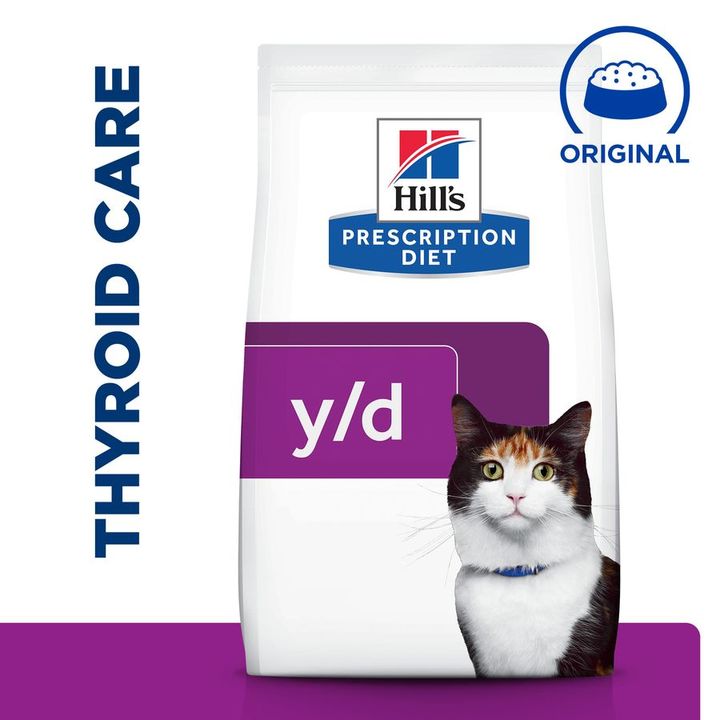
Veterinarians might recommend brands like Hill’s Prescription Diet y/d, which are designed to lower thyroid hormone levels. These diets can be crucial in managing your cat’s thyroid health effectively.
Have you ever had a prescription diet recommended for your pet? Following your vet’s advice ensures your cat gets the nutrients they need. While these diets can be more expensive, they offer targeted health benefits.
Choosing the best food for thyroid health involves understanding your cat’s preferences and needs. What steps will you take to ensure your cat’s diet supports their thyroid health? Your proactive choices can make a significant difference in their well-being.
Top Cat Food Brands For Thyroid Support
Choosing the right cat food for thyroid problems can make a significant difference in your feline friend’s health. With numerous brands claiming to support thyroid function, finding the best option can be overwhelming. But don’t worry, we’ve narrowed down the top choices that are both veterinarian-recommended and loved by pet owners. Let’s dive into the details and see which brands could work wonders for your cat’s thyroid health.
Veterinarian Recommended Brands
Veterinarians often suggest brands that have proven effectiveness in supporting thyroid health. Hill’s Prescription Diet y/d is a standout, formulated specifically for cats with thyroid issues. It aims to control the iodine levels, crucial for managing hyperthyroidism.
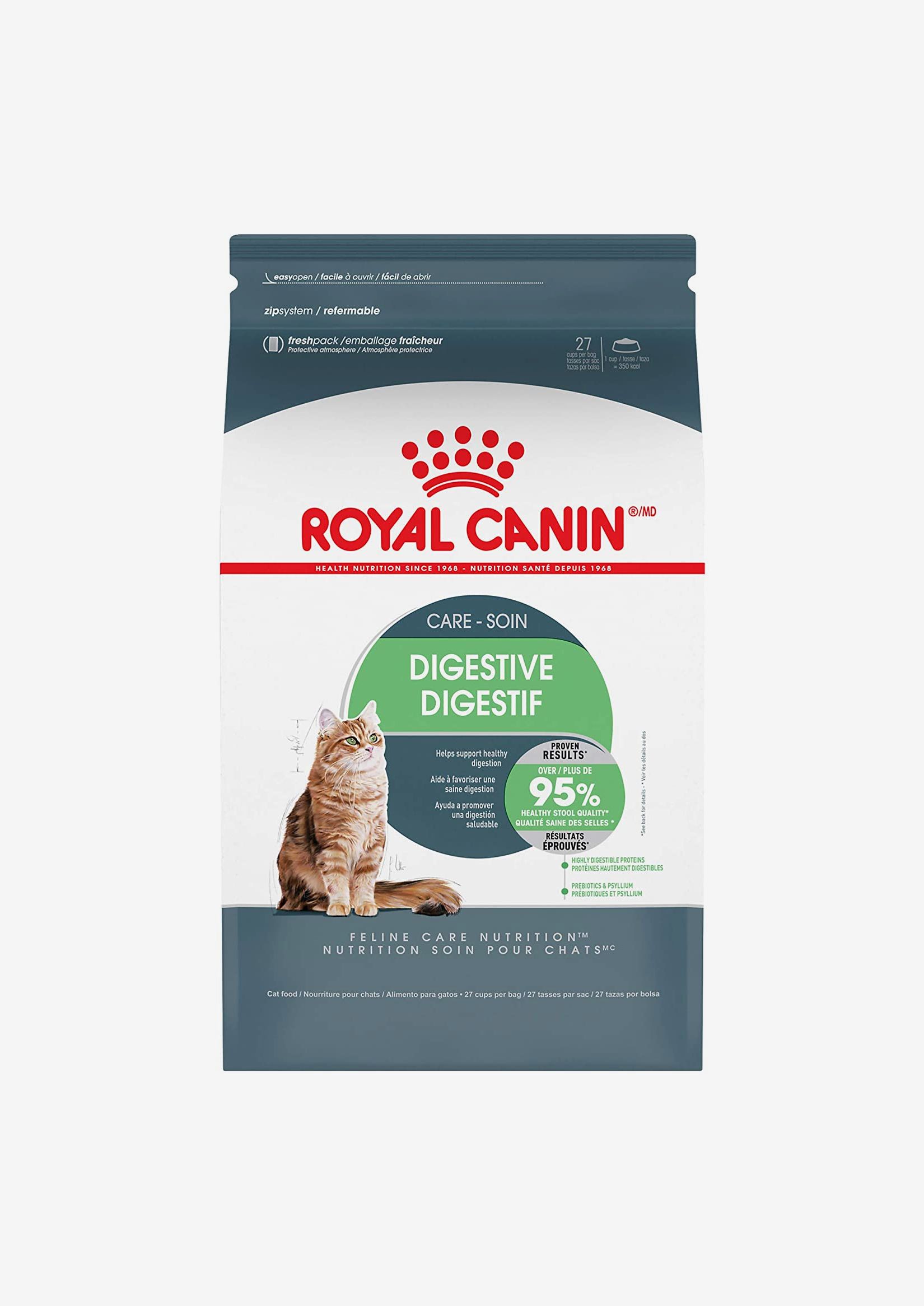
Another trusted option is Royal Canin’s Veterinary Diet. This brand offers a balanced formula that targets overall well-being, including thyroid support. It’s a top choice for many vets due to its specialized nutritional profile.
Purina Pro Plan Veterinary Diets also deserves a mention. It’s known for its high-quality ingredients that cater to cats with specific health needs, including thyroid problems. Would you trust your vet’s recommendation to give these a try?
Customer Favorites
Pet owners often provide valuable insights through their reviews and experiences. Blue Buffalo Natural Veterinary Diet receives high praise for its natural ingredients and holistic approach to thyroid support.
Nutritional balance and flavor make Weruva’s Cats in the Kitchen a customer favorite. Many cat owners appreciate its grain-free recipe, ideal for maintaining optimal health without compromising taste.
Instinct Raw Boost stands out for its innovative freeze-dried raw coating, providing a natural source of nutrients essential for thyroid health. Have you checked what other cat parents are saying about these brands?
Choosing the right food for thyroid support involves considering both expert recommendations and customer experiences. By combining these insights, you can make an informed decision that supports your cat’s health. Which brand do you think your cat would love?
Ingredients To Look For In Cat Food
Cats with thyroid issues need food rich in specific nutrients. Look for low iodine, high-quality protein, and omega-3 fatty acids. These ingredients support thyroid health and overall wellness.
Choosing the right cat food for thyroid problems can feel like a daunting task. You want to ensure your feline friend receives the nutrients they need while avoiding ingredients that may exacerbate their condition. Let’s dive into some key ingredients to look for in cat food that can support thyroid health and make meal times enjoyable for your cat.Essential Nutrients
Cats with thyroid issues benefit from foods rich in iodine and omega-3 fatty acids. Iodine is crucial for thyroid function. Look for fish-based foods or those with added kelp. Omega-3s, found in fish oil, support inflammation reduction. They keep your cat’s coat shiny and skin healthy. Protein is another vital nutrient. Lean meats like chicken or turkey are excellent sources. They help maintain muscle mass without unnecessary fat. High-quality protein supports energy levels, which can be vital for cats with thyroid problems. Have you noticed how your cat’s energy dips? It might be linked to their protein intake. A well-balanced diet can make a world of difference.Ingredients To Avoid
Certain ingredients can worsen thyroid problems. Avoid cat foods with soy and corn fillers. These can interfere with thyroid hormone production and absorption. Opt for grain-free options to ensure your cat receives the best care. Artificial preservatives and colors are also on the no-go list. These can cause unnecessary stress on your cat’s system. Look for natural alternatives like Vitamin E or rosemary extract as preservatives. Ever wondered why some cat foods have bright colors? It’s often due to artificial additives that your cat doesn’t need. Keeping it simple and natural is key. By focusing on these ingredients, you ensure your cat’s meals are not only tasty but also supportive of their thyroid health. What changes have you noticed in your cat’s behavior when you switched to better ingredients? Your insights could help fellow cat owners make informed choices.Tips For Transitioning To A New Diet
Choosing the right cat food is crucial for managing thyroid issues. Look for low-iodine options to support your pet’s health. Consult your vet to ensure the diet meets all nutritional needs.
Transitioning your cat to a new diet, especially when managing thyroid problems, can feel daunting. It’s important to ensure that your furry friend adapts well to these dietary changes. With the right approach, you can make this transition smooth and stress-free for both you and your cat.Gradual Introduction
Start by gradually mixing the new food with the old one. Begin with a small amount of the new food, increasing the proportion over a week or two. This allows your cat to slowly adjust to the new taste and texture, reducing the risk of digestive upset. Consider your cat’s preferences. If your cat enjoys wet food, you might want to mix in some of the dry options slowly or vice versa. Have you ever switched a diet abruptly and faced resistance? Avoid that by ensuring your cat’s bowl isn’t suddenly filled with unfamiliar food.Monitoring Your Cat’s Health
Keep a close eye on your cat’s health during this transition. Look for changes in weight, coat condition, and energy levels. It’s crucial to ensure the new diet is beneficial and not causing any adverse effects. Regular vet visits can help you track thyroid levels and overall health. Your vet can provide insights into any adjustments needed in the diet. Don’t forget to note any behavioral changes – does your cat seem more active or lethargic? Engage with your cat during feeding times. This can be a great opportunity to observe how well they are accepting the new food. Are they eating less, or perhaps showing more interest? Your keen observation and timely actions can make all the difference in maintaining their health.Consulting With A Veterinarian
When your cat faces thyroid problems, diet plays a crucial role. Choosing the right cat food can be challenging. Consulting with a veterinarian ensures you make informed decisions. A professional provides guidance tailored to your cat’s specific needs. This step is essential for your cat’s health and well-being.
Importance Of Professional Guidance
Veterinarians understand your cat’s unique health needs. They know which ingredients might worsen thyroid issues. Professional advice helps you avoid harmful foods. A vet can recommend brands that support thyroid health. This guidance is based on your cat’s medical history. Trust their expertise for the best results.
Regular Health Check-ups
Regular vet visits are crucial for managing thyroid problems. These check-ups monitor your cat’s health and progress. Adjustments to their diet may be needed over time. Vets can detect changes in your cat’s condition early. Early detection prevents complications and improves quality of life. Schedule regular appointments to keep your cat healthy.
Credit: greensafaris.com
Credit: greensafaris.com
Frequently Asked Questions
What Food Is Good For Cats With Thyroid Problems?
Cats with thyroid issues benefit from low-iodine diets. Opt for specially formulated cat food like Hill’s Prescription Diet y/d. Ensure protein-rich and easily digestible meals. Consult your vet for personalized recommendations and monitor your cat’s health regularly. Fresh water should always be available for hydration.
What Is The Best Cat Food For Thyroid Problems Pets At Home?
Hill’s Prescription Diet y/d is recommended for cats with thyroid issues. It supports healthy thyroid function and metabolism. Always consult your vet for tailored advice and ensure the food meets your cat’s nutritional needs.
What Cat Food Is Good For Underactive Thyroid?
Hill’s Prescription Diet y/d is recommended for cats with underactive thyroid. It’s specially formulated to support thyroid health. Consult your veterinarian for personalized advice and to ensure the best diet for your cat’s needs. Always prioritize a balanced and nutritious diet tailored for thyroid support.
What Is The Best Food To Control Thyroid?
Foods rich in iodine, selenium, and zinc help control thyroid. Include seaweed, eggs, and Brazil nuts in your diet. Omega-3 fatty acids from fish like salmon also support thyroid health. Incorporate whole grains, berries, and cruciferous vegetables for added benefits.
Limit processed foods and soy for optimal thyroid function.
Conclusion
Choosing the right cat food is crucial for thyroid health. Focus on ingredients that support metabolism. Consult your vet for tailored advice. Remember, balanced nutrition plays a key role. Monitor your cat’s response to new food. Adjust if necessary. You want the best for your feline friend.
Consider brands known for quality and trust. Regular check-ups ensure your cat stays healthy. A healthy diet leads to a happier cat. Prioritize their well-being with thoughtful choices. Every cat deserves the best care possible. Keep learning and adapting for optimal health.
Your cat will thank you for it.