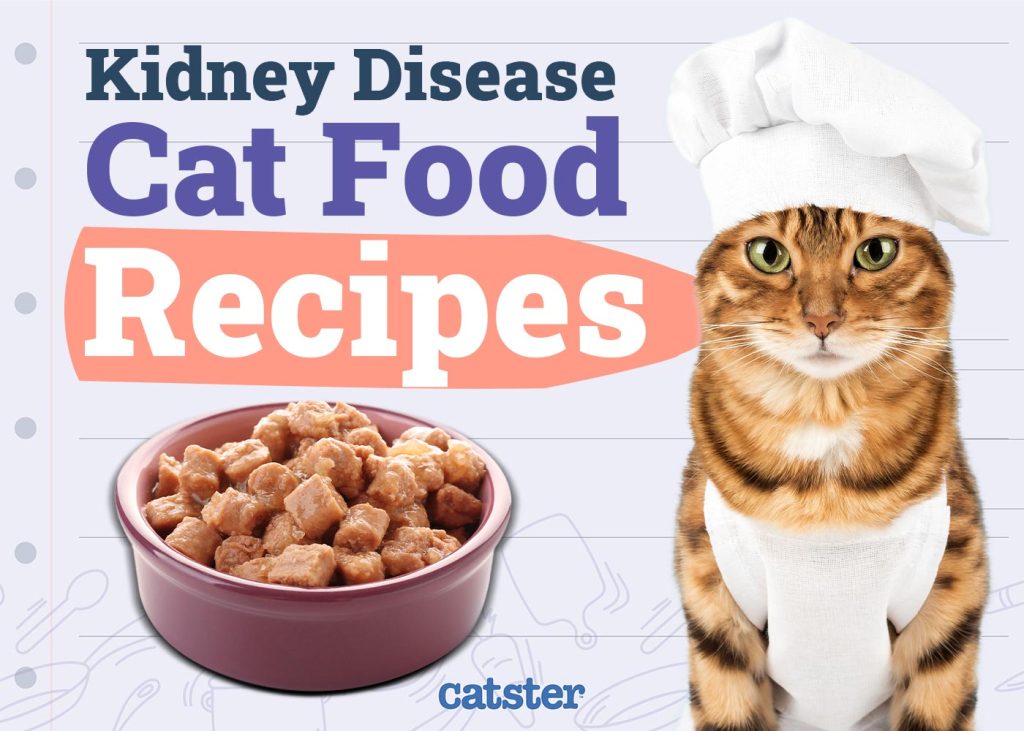
Navigating the world of cat food can be overwhelming, especially when your beloved feline is dealing with kidney disease. You’re probably asking yourself, “What cat food is best for kidney disease?”
And you’re not alone. This question is crucial because the right diet can make a significant difference in your cat’s health and quality of life. Imagine the peace of mind knowing you’re providing the best possible nutrition to support your cat’s kidneys.
We’ll uncover the secrets to choosing the ideal cat food that can help manage kidney disease effectively. Stay with us as we explore expert recommendations, essential nutrients, and the top choices that could transform your cat’s well-being. Your furry friend deserves the best, and we’re here to guide you every step of the way.

Credit: nutritionrvn.com
Understanding Kidney Disease In Cats
Choosing the right cat food for kidney disease is crucial. Low-protein options help reduce kidney strain. Wet foods with high moisture support hydration.
Understanding kidney disease in cats is crucial for ensuring your feline friend’s health and well-being. Kidney disease is common in older cats, but it can affect cats of any age. It impacts your cat’s ability to filter waste from the blood, which can lead to various health issues if not managed properly.Common Symptoms
Recognizing the symptoms early can make a significant difference in managing kidney disease. You might notice your cat drinking more water and urinating more frequently. Weight loss, decreased appetite, and lethargy are also common signs. Sometimes, your cat might vomit or have bad breath. These symptoms can be subtle at first. Regular check-ups with your vet can help catch these signs early.Causes And Risk Factors
Kidney disease can be caused by a variety of factors. Age is a significant risk, as older cats are more prone to developing kidney issues. Certain breeds, like Persians and Angoras, are genetically predisposed to this condition. Infections, toxins, and certain medications can also contribute to kidney disease. High blood pressure and urinary tract infections can exacerbate the situation. Are you aware of the potential environmental toxins your cat might be exposed to? Being informed about the symptoms, causes, and risk factors is the first step in managing kidney disease. This knowledge allows you to make informed decisions about your cat’s diet and lifestyle. It’s not just about choosing the right food; it’s about understanding your pet’s specific needs.
Credit: www.keuka-studios.com
Dietary Needs For Cats With Kidney Disease
Caring for a cat with kidney disease requires special attention to diet. The right food helps manage symptoms and slow disease progression. Cats with this condition need specific nutrients. Also, their hydration levels need careful monitoring. Understanding these dietary needs is crucial for their well-being.
Importance Of Hydration
Hydration is key for cats with kidney disease. Their kidneys struggle to filter waste. This makes staying hydrated even more important. Wet cat food is often recommended. It provides moisture and helps maintain hydration. Fresh water should always be available. Consider a cat fountain to encourage drinking. Cats often find moving water more appealing.
Nutritional Requirements
Cats with kidney disease have unique nutritional needs. They need lower protein levels. This reduces strain on their kidneys. The protein should still be high quality. Low phosphorus levels are also important. This helps prevent further kidney damage. Omega-3 fatty acids can be beneficial too. They support overall health and may reduce inflammation.
Consulting your vet is essential. They can recommend the best diet plan. Specially formulated kidney diets are available. These cater to the specific needs of cats with kidney disease. Always choose food that meets your cat’s individual needs.
Types Of Cat Food For Kidney Health
Choosing the right food for a cat with kidney disease is crucial. Different types of cat food can influence kidney health significantly. Cats with kidney issues need specific nutrients. These nutrients support their overall well-being. Understanding the types of food available can help you make the best choice.
Wet Vs. Dry Food
Wet food contains more moisture than dry food. This is beneficial for cats with kidney disease. It helps to keep them hydrated. Dehydration can worsen kidney problems. Wet food often has fewer carbohydrates. This is good for kidney health. Dry food lasts longer and is easier to store. But it may not provide enough moisture. Choosing between wet and dry depends on your cat’s needs.
Prescription Diets
Prescription diets are specially formulated for kidney health. Vets often recommend these for cats with kidney issues. They contain balanced nutrients. Low phosphorus and protein levels are common. These help reduce kidney workload. Prescription diets are available in both wet and dry forms. Always consult your vet before starting a prescription diet. They can guide you in choosing the right option.
:strip_icc()/Spruce-best-cat-foods-for-urinary-tract-health-4692666-246862425e9947d89fc520b2d19a62d4.jpg)
Credit: www.embassyofpakistanusa.org
Key Ingredients To Look For
High-quality cat food for kidney disease should contain low phosphorus and moderate protein levels. Look for omega-3 fatty acids and antioxidants to support kidney health. Hydration is crucial, so choose wet food options with these key ingredients.
When caring for a cat with kidney disease, choosing the right food is crucial. You want to ensure that your feline friend is getting all the necessary nutrients to support their health without overloading their kidneys. Understanding key ingredients can help you make informed decisions. Let’s dive into what you should look for in cat food for kidney disease.Low Phosphorus Levels
Phosphorus is a mineral that can be hard on kidneys, especially if they are already compromised. You should aim for cat food with low phosphorus levels. This helps reduce the workload on your cat’s kidneys. Many veterinary diets specifically for kidney disease will highlight this feature.High-quality Protein Sources
While protein is essential for your cat’s health, not all proteins are created equal. Look for foods with high-quality protein sources like chicken or fish. These provide the necessary amino acids without overburdening the kidneys. It’s a balancing act between providing enough protein and not too much.Essential Vitamins And Minerals
Cats with kidney disease often need additional support. Essential vitamins and minerals can make a big difference in their overall well-being. Look for foods that include added vitamins like B-complex and antioxidants. These can help support kidney function and improve your cat’s energy levels. Choosing the right food can be overwhelming. Have you noticed any changes in your cat’s behavior or energy levels after switching to a kidney-friendly diet? It’s incredible how the right nutrients can make them feel better. Keep these key ingredients in mind next time you’re picking out cat food. Your cat’s kidneys will thank you.Recommended Brands And Products
Finding the right cat food for kidney disease can be challenging. Choosing a brand that supports kidney health is essential. Specialized formulas aid in managing symptoms and improving quality of life. Here, we explore some recommended brands and products for cats with kidney disease.
Vet-approved Options
Many veterinarians recommend Hill’s Prescription Diet k/d. It is specifically designed for kidney support. Reduced phosphorus and sodium levels aid in kidney function. Royal Canin Renal Support is another vet-approved choice. It offers a variety of flavors and textures. This ensures your cat enjoys their meals.
Popular Commercial Brands
Purina Pro Plan Veterinary Diets NF Kidney Function is widely known. It is crafted to support kidney health. Lower protein levels help reduce kidney stress. Another popular brand is Blue Buffalo Natural Veterinary Diet. It provides essential nutrients for cats with kidney issues. These commercial brands offer reliable solutions.
Tips For Transitioning To A Kidney-friendly Diet
Transitioning your cat to a kidney-friendly diet requires careful planning. Cats with kidney disease need a special diet to support their health. Introducing new foods can be challenging, but with the right approach, it is manageable. Follow these tips for a smooth transition and to help your feline friend feel better.
Gradual Introduction
Start by mixing a small amount of the new food with the old. Gradually increase the new food over a week or two. Monitor your cat’s eating habits closely during this period. Cats can be picky, so patience is key. A slow introduction helps them adjust without stress.
Monitoring Health Changes
Observe your cat’s behavior and energy levels. Take note of any changes in appetite or weight. Regular vet check-ups are essential during this transition. Your vet can provide valuable insights into your cat’s health. Keep track of any improvements or concerns to share with the vet.
Common Mistakes To Avoid
Selecting cat food for kidney disease involves avoiding high-protein and phosphorus-rich options. Ensure the diet is low in sodium to support kidney health. Consulting a vet for personalized recommendations can prevent common dietary mistakes.
When choosing cat food for kidney disease, avoid common mistakes. These errors can worsen your cat’s condition. Understanding what to avoid is crucial. Your cat’s health depends on it. Let’s explore these mistakes.Ignoring Symptoms
Ignoring symptoms is a big mistake. Cats with kidney disease show signs early. Increased thirst and frequent urination are key symptoms. Vomiting and weight loss also occur. Ignoring these signs delays treatment. This can harm your cat’s health. Always monitor your cat closely.Feeding Inappropriate Foods
Feeding inappropriate foods can harm your cat. High-protein diets stress the kidneys. Salt-rich foods worsen kidney issues. Avoid these in your cat’s diet. Choose foods with low phosphorus. Consult your vet for the best options. Balanced nutrition supports kidney health. Be mindful of these mistakes. Your cat’s well-being depends on it.Consulting With A Veterinarian
When your beloved feline friend is diagnosed with kidney disease, it can be an overwhelming experience. You may find yourself staring at the endless aisles of cat food, unsure of what to choose. That’s where consulting with a veterinarian becomes crucial. A vet can guide you through this confusing journey, ensuring your cat receives the best care possible.
Regular Check-ups
Consistency is key when managing kidney disease. Regular check-ups allow your vet to monitor your cat’s health closely. This helps catch any changes early, ensuring that adjustments to their diet or medication can be made swiftly. Have you ever noticed how your cat seems to sense when you’re worried? Keeping up with check-ups can ease your mind, and your cat will feel more secure knowing you’re actively caring for them.
Customized Dietary Plans
No two cats are the same, and neither are their dietary needs. Your vet can tailor a dietary plan specifically for your cat’s kidney condition. They might recommend food lower in protein and phosphorus, which can help manage kidney disease effectively. Consider how a personalized diet might impact your cat’s energy levels and mood—wouldn’t it be wonderful to see them more lively and comfortable?
Working closely with a veterinarian not only optimizes your cat’s diet but also strengthens your bond with them. Knowing you have a dedicated professional supporting your pet’s health can be reassuring. What changes have you noticed since following your vet’s advice on dietary plans? Sharing these insights can help other pet owners who are navigating similar challenges.
So, take the time to consult with your vet, focusing on regular check-ups and customized dietary plans. Your cat’s health is worth every effort, and the knowledge gained from a professional can make all the difference in their quality of life.
Frequently Asked Questions
What Can I Feed A Cat With Kidney Disease?
Feed your cat with kidney disease a low-protein, low-phosphorus diet. Choose wet food for better hydration. Consult your vet for specific recommendations, including prescription diets tailored for kidney health. Avoid high-sodium treats and always ensure fresh water availability.
What Cat Food Is Good For Kidney Disease Without A Vet Prescription?
Choose low-phosphorus cat foods like Hill’s Science Diet, Royal Canin Renal Support, or Purina Pro Plan NF. These options support kidney health without a prescription. Always ensure fresh water availability and monitor your cat’s condition. Consult your vet for personalized advice.
How Can I Slow Down My Cat’s Kidney Disease?
Feed a special renal diet to support kidney health. Ensure proper hydration by providing fresh water. Regular veterinary check-ups are crucial for monitoring and treatment. Administer prescribed medications as directed. Reduce stress and maintain a clean environment.
Is Tuna High In Phosphorus For Cats?
Tuna is high in phosphorus, which can be problematic for cats with kidney issues. Limit tuna intake for healthy cats. Consult a vet for dietary advice tailored to your cat’s needs. Ensure a balanced diet for optimal feline health.
Conclusion
Choosing the right cat food for kidney disease is crucial. A balanced diet supports kidney health. Look for low-phosphorus options. High-quality proteins help, too. Consult your vet for advice. They know what’s best for your cat. Experiment with different brands.
Watch for changes in your cat’s health. Adjust as needed. Monitor your cat’s hydration levels. Water is vital for kidney function. Keep your cat comfortable. Regular check-ups are essential. Stay informed about kidney-friendly foods. Your cat deserves the best care.
Prioritize their health with the right food choices.