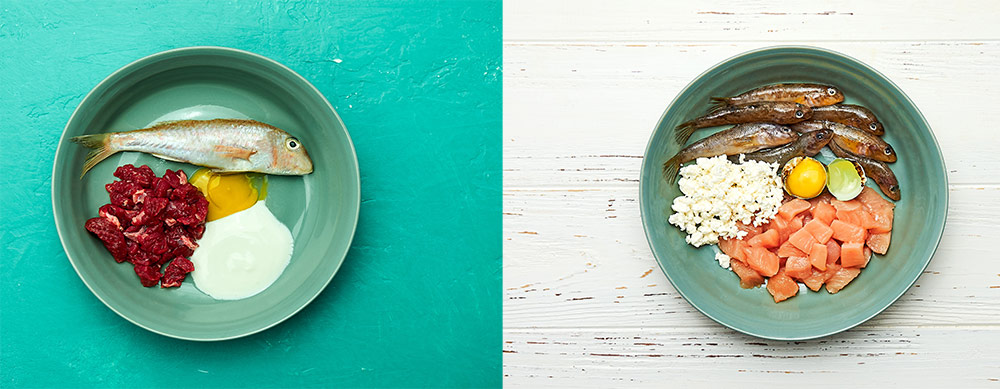
Are you wondering what you can feed your cat besides the regular cat food? You’re not alone.
Many cat owners are curious about alternatives that can add variety, nutritional value, and perhaps even a little excitement to their feline friend’s diet. Whether you’re dealing with a finicky eater or simply exploring more wholesome options, knowing what human foods are safe for your cat is crucial.
We’ll uncover some delightful and safe alternatives that can easily fit into your cat’s mealtime routine. These options might not only satisfy your cat’s taste buds but also bring you peace of mind. So, if you want to ensure your cat enjoys a balanced and happy diet, read on to discover some tasty and nutritious options that could transform your feeding routine.
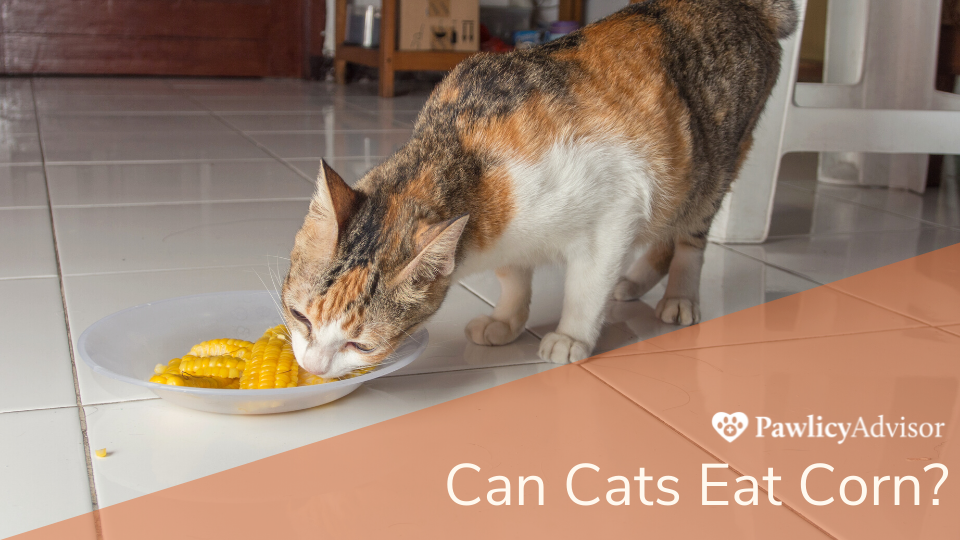
Credit: www.pawlicy.com
Homemade Meals
Many cat owners seek alternatives to commercial cat food. Homemade meals can be a nutritious option. They allow you to control the ingredients. This ensures your cat receives a balanced diet. Homemade meals can also cater to specific dietary needs. Always consult a vet before changing your cat’s diet.
Cooked Chicken
Chicken is a popular choice for homemade cat meals. It’s rich in protein. Always cook chicken thoroughly. Remove bones before serving. Bones can be dangerous. They may splinter and cause harm. Avoid seasoning the chicken. Spices and oils can upset your cat’s stomach.
Cooked Fish
Fish is another excellent protein source. Cook fish to eliminate harmful bacteria. Like chicken, remove all bones. Fish bones are small and sharp. They pose a choking hazard. Limit fish meals to twice a week. Too much fish can lead to health issues.
Eggs
Eggs are nutritious and easy to prepare. They provide essential proteins and vitamins. Always cook eggs before serving. Raw eggs can carry bacteria. Scramble or boil them for a safe meal. Serve eggs in moderation. Too many can lead to imbalances.
Fruits And Vegetables
Feeding your cat a balanced diet is crucial for their health and happiness. While commercial cat food is designed to meet their nutritional needs, you might want to treat your furry friend with something different occasionally. Fruits and vegetables can be a delightful addition to their diet, but it’s essential to know which are safe and beneficial for them. Let’s dive into some options that could make your cat purr with joy.
Safe Fruits
Did you know that some fruits can be a tasty treat for your cat? While cats are obligate carnivores, they might enjoy a nibble of certain fruits.
- Apples:A slice of apple can be a crunchy delight for your cat. Just ensure it’s seedless, as seeds contain cyanide, which is harmful.
- Bananas:Many cats love the soft texture of bananas. They are safe and easy to digest.
- Blueberries:Packed with antioxidants, blueberries can be a fun snack for your kitty. Try offering them a few and see if they enjoy the taste.
Have you ever tried offering your cat a piece of fruit? Their reaction might surprise you!
Healthy Vegetables
While cats don’t need vegetables like we do, some can be a healthy addition to their diet. They might help with digestion or provide some extra nutrients.
- Carrots:Cooked or raw, carrots can be a crunchy snack. They’re full of vitamins and can be good for your cat’s eyes.
- Peas:These tiny green gems can be a source of protein and fiber. They’re often found in commercial cat foods too!
- Spinach:Rich in vitamins, spinach can be offered in small amounts. Be cautious if your cat has kidney issues, though.
Have you ever wondered if your cat would like a veggie snack? Offering them a little taste might lead to a new favorite treat!
As you explore these options, remember that moderation is key. Too much of a good thing can lead to digestive issues. How do you plan to spice up your cat’s meal with fruits and vegetables?
Grains And Pasta
Cats may enjoy occasional bites of cooked grains like rice or oats. Small pieces of cooked pasta can also be safe treats. Always ensure the grains and pasta are plain, without added sauces or seasonings.
Feeding your cat beyond the standard kibble can be a delightful exploration into grains and pasta. You might be surprised to learn that cats can enjoy grains and pasta in moderation, providing variety and some nutritional benefits. But are these options suitable for your feline friend? Let’s dive into some tasty alternatives and see how they measure up.Rice
Rice is a gentle option for cats, especially if they’re feeling under the weather. A bland meal of cooked rice can soothe an upset stomach. Have you ever noticed your cat nibbling at your rice dinner? It’s a clear sign of interest! Cooked rice is easy to digest and can offer temporary relief from digestive issues. However, rice lacks essential nutrients needed for a complete feline diet. So, while it’s okay as an occasional treat, don’t rely on it as a primary food source.Oats
Oats are surprisingly appealing to many cats. Rich in fiber, oats can promote healthy digestion. Imagine offering your cat a spoonful of cooked oats and watching them enjoy every bite. Oats provide a chewy texture that can be intriguing to your cat. They contain vitamins like B and iron, supporting overall health. Just make sure oats are cooked and served plain, without added sugars or flavorings that could harm your cat.Pasta
Who knew cats could enjoy a bit of pasta now and then? Plain, cooked pasta can be a fun occasional treat. Consider a small serving of soft pasta as a playful snack for your cat. The texture can be a novel experience for them, much like the excitement of a new toy. Yet, pasta is mainly carbohydrates, offering little nutritional value for cats who thrive on protein-rich diets. Keep portions small and infrequent to ensure your cat’s health remains balanced. As you explore these alternatives, ask yourself: How can you balance variety with nutrition for your cat? Each option can add a bit of excitement to their diet, but remember to prioritize their health and wellbeing.Dairy Options
Feeding your cat something besides cat food can be a fun adventure. Dairy options can be a tasty treat for your feline friend. Yet, not all dairy products are safe for cats. It’s essential to choose wisely. Let’s explore two dairy options: cheese and yogurt.
Cheese
Cheese can be a delightful snack for cats. Many cats love the taste. Offer small portions to avoid digestive issues. Hard cheeses like cheddar are usually safer. They contain less lactose than soft cheeses. Always check for any signs of discomfort after feeding.
Remember, moderation is key. Cheese should not replace regular meals. It’s a treat, not a staple. Monitor your cat’s reaction carefully.
Yogurt
Yogurt is another dairy option for cats. Choose plain yogurt with no added sugars. It can help with digestion due to probiotics. Some cats enjoy the creamy texture. Start with a small amount to see how your cat reacts.
Like cheese, yogurt should be given sparingly. It should complement, not replace, your cat’s diet. Watch for any signs of intolerance. A little yogurt can be a healthy addition when given correctly.
Treats And Snacks
Every cat parent knows the joy of seeing their feline friend enjoy a treat or snack. It’s a delightful way to bond and show love. But, have you ever wondered if there are healthier alternatives to commercial cat treats? Let’s dive into some cat-friendly options that might surprise you.
Cat-friendly Treats
Choosing the right treats for your cat can make snack time special. Consider options like freeze-dried meat treats. They offer a protein-rich snack without additives. Your cat will savor the natural flavor.
Another great option is small portions of cooked chicken or turkey. Ensure it’s plain, without spices or oils. Cats love the taste, and it’s a nutritious choice.
Have you tried offering your cat a bit of tuna in water? Not only will they love it, but it also provides Omega-3 fatty acids. Remember, moderation is key to keeping your cat healthy.
Homemade Snacks
Why not make homemade snacks for your furry friend? It’s easier than you think and can be tailored to your cat’s taste. One simple recipe is baking tiny chicken bites. Just dice chicken breast, bake, and cool.
Try making fish treats by mashing sardines or salmon, then freezing them into small bite-sized pieces. Cats find the texture and taste irresistible.
Have some leftover pumpkin puree? Mix it with cooked chicken for a tasty snack. Pumpkin aids digestion, making it a healthy choice.
Ever considered sharing a bit of your meal with your cat? Before you do, make sure it’s safe for them. Cats can’t eat everything humans can, but some foods are perfect for them. Think about what your cat loves most. Can you offer a healthier version of it?
What treats does your cat love? Try some of these ideas and watch their reaction. You might discover a new favorite snack for your feline friend!
Supplements And Vitamins
Feeding your cat a balanced diet is essential for its health. Besides regular cat food, supplements and vitamins can boost your cat’s well-being. They fill nutritional gaps and support overall health. Knowing which supplements and vitamins to choose is crucial. Here, we’ll explore essential supplements and vitamin options for your feline friend.
Essential Supplements
Omega-3 fatty acids promote a healthy coat and skin. They also support joint health. Fish oil is a popular source. Probiotics help with digestion and boost the immune system. They maintain gut health. Taurine is another vital supplement. Cats need it for heart health and vision.
Vitamin Options
Vitamin A supports vision and immune health. It keeps your cat’s skin healthy. B vitamins are important too. They aid energy production and nervous system function. Vitamin D helps with calcium absorption. It supports strong bones and teeth.
Before adding supplements, consult your vet. They can recommend the right options for your cat. Providing the right vitamins and supplements can enhance your cat’s diet. Ensure you choose wisely for the best health benefits.
Foods To Avoid
Feeding your cat a variety of foods can be tempting. But not all foods are safe. Some can be harmful. Understanding which foods to avoid is crucial. This will ensure your cat stays healthy and happy.
Toxic Foods
Some foods are toxic to cats. Chocolate is a big no. It can cause vomiting and seizures. Onions and garlic are also harmful. They can damage your cat’s red blood cells. Even small amounts can be dangerous.
Grapes and raisins are not safe either. They can cause kidney failure in cats. Alcohol is extremely toxic. It can lead to serious health issues. Keep these foods far away from your cat.
Common Allergens
Cats can have food allergies. Dairy is a common allergen. Many cats are lactose intolerant. This means they can’t digest dairy well. It can lead to upset stomachs and diarrhea.
Fish can also be an allergen. Some cats react badly to it. Wheat and corn are other allergens. They can cause skin issues and itching. Always watch for signs of allergies in your cat.
Credit: www.lemon8-app.com
Credit: anandicollege.ac.in
Frequently Asked Questions
What Do I Feed My Cat If I Don’t Have Cat Food?
Offer cooked chicken, turkey, or beef without seasoning. Include cooked eggs for protein. Serve plain rice or pumpkin for fiber. Avoid onions, garlic, and chocolate. Ensure fresh water is available. Consult your vet for personalized advice if needed.
What Is A Good Alternative To Cat Food?
A good alternative to cat food includes cooked meat, like chicken or turkey, without seasoning. Offer plain, cooked fish occasionally. Ensure the diet is balanced and consult a vet for advice. Avoid raw meat, bones, and dairy products to prevent health issues.
Fresh water must always be available.
What Is A Cat’s Favorite Thing To Eat?
Cats love eating meat, especially chicken and fish. High-protein foods are their favorites. Treats like tuna and salmon are quite popular. It’s essential to provide a balanced diet to meet their nutritional needs. Always consult a vet for dietary advice tailored to your cat’s health.
Can I Feed My Cat Non-cat Food?
Feeding your cat non-cat food isn’t recommended. Cats need specific nutrients found in cat food. Some human foods can be toxic. Always consult your vet before introducing new foods. Prioritize your cat’s health with a diet designed for them.
Conclusion
Feeding your cat a varied diet is possible. Cats can enjoy cooked chicken, fish, or turkey. Eggs and certain fruits are safe too. Always ensure foods are fresh and safe. Avoid spices, onions, and garlic. Consult your vet for personalized advice.
Remember, moderation is key. Cats need balanced nutrition. Too much human food can harm them. Healthy treats can be a nice addition. Keep your cat’s health in focus. A happy cat is a healthy cat. Treats are fun, but cat food is essential.
Your cat relies on you. Make wise choices for their diet.