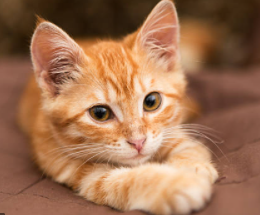
What Breed is My Orange Cat: Unraveling Feline Mysteries
Have you ever gazed into the mesmerizing eyes of your orange cat and wondered, “What breed is my orange cat?” You’re not alone.
Many cat owners find themselves captivated by the unique charm and vibrant coat of their furry companions, eager to uncover the secrets of their lineage. Understanding your cat’s breed can offer valuable insights into their personality, health, and behavior, making your bond even stronger.
Imagine discovering fascinating traits and quirks specific to their breed that deepen your connection and enhance your care routine. We’ll guide you through the simple steps to identify your orange cat’s breed, providing you with the tools to unlock a deeper understanding of your beloved pet. Keep reading to unveil the mystery behind your orange feline friend!
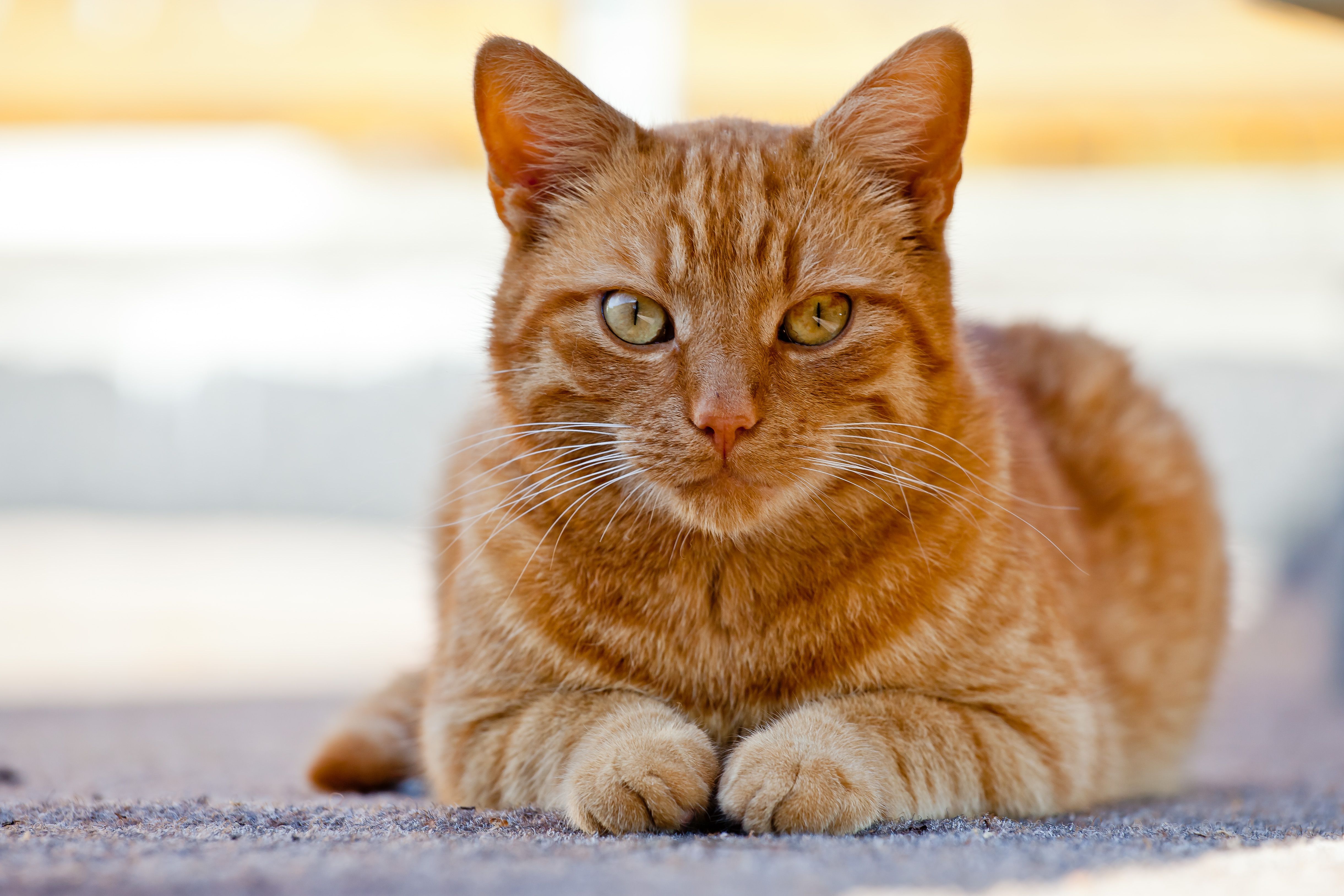
Credit: www.womansday.com
Orange Cat Characteristics
Orange cats can belong to various breeds like the American Shorthair, Maine Coon, or Persian. Known for their friendly and social nature, these cats often have striking tabby patterns. Their coat color is due to a genetic trait, not specific to one breed.
Orange cats, often referred to as “ginger cats,” are beloved for their vibrant coats and charming personalities. Understanding the characteristics of these cats can help you identify what breed your orange feline might be. While their color is a standout feature, there’s more to these cats than meets the eye.Distinctive Color Patterns
Orange cats boast a variety of color patterns, primarily determined by the presence of a specific pigment called pheomelanin. This pigment gives them their signature reddish-orange hue. You’ll often find them with tabby markings, including classic swirls, mackerel stripes, or spotted patterns. Most orange cats feature tabby patterns, and it’s rare to find a solid orange cat without these markings. The tabby pattern is not a breed but a coat type, which can be found across many breeds. Have you noticed the distinctive “M” shape on your cat’s forehead? This is a common trait among tabby-patterned cats.Common Physical Traits
Orange cats can come in various sizes and shapes, but there are some common physical traits you might notice. Many orange cats have a robust and muscular build, which gives them a sturdy appearance. This trait can be particularly noticeable if your cat enjoys lounging and less active play. Their eyes often come in shades of gold, green, or copper, complementing their fiery coat. These cats tend to have expressive faces, and you might find their gaze quite captivating. Have you ever found yourself mesmerized by your cat’s gaze, wondering what they’re thinking? Another trait is their often friendly and social nature. Orange cats are known for their playful demeanor and might be more inclined to interact with people and other animals. If your orange cat greets visitors at the door or follows you around the house, you’re not alone—many orange cat owners report similar experiences. Understanding these characteristics can bring you closer to identifying your orange cat’s breed. What traits does your orange cat display that make them unique? Share your observations and join the conversation.Popular Orange Cat Breeds
Orange cats are a favorite among pet lovers. Their vibrant fur and playful nature make them stand out. Many breeds have orange varieties. Each has its own charm and personality. Let’s explore some popular orange cat breeds.
Tabby Cats
Tabby cats are known for their striped coats. Orange tabbies are especially striking. They often have patterns that resemble tiger stripes. These cats are friendly and love company. Most tabbies have a unique ‘M’ mark on their foreheads.
British Shorthair
The British Shorthair is a majestic breed. They have plush coats and round faces. Orange British Shorthairs are rare and special. Their calm nature makes them great companions. They are easygoing and adapt well to homes.
Maine Coon
Maine Coons are one of the largest domestic cats. Their long, bushy tails are iconic. Orange Maine Coons have a regal appearance. They are gentle giants and good with families. Their fur requires regular grooming.
Genetics Of Orange Cats
Orange cats have a unique charm. Their vibrant color often fascinates pet owners. Many wonder about the genetics behind this striking hue. Understanding the genetics can help identify the breed. Let’s delve into the fascinating world of orange cat genetics.
Role Of The X Chromosome
The X chromosome plays a key role in determining cat color. Orange color is linked to the X chromosome. Male cats have one X chromosome. Female cats have two. This difference affects the chance of being orange. If a male inherits an orange X chromosome, he will be orange. Females need both X chromosomes to be orange for a full orange coat. This genetic trait explains why more male cats are orange.
Influence Of Parentage
The parentage of a cat impacts its color. An orange parent increases the chance of orange kittens. If one parent is orange, kittens might inherit the trait. Mixed parentage might lead to varied colors. The genetic mix determines the final shade of the kitten’s coat. Understanding parentage helps predict the likelihood of an orange cat. Breeders often analyze this to predict outcomes.

Credit: www.reddit.com
Identifying Your Cat’s Breed
Orange cats are charming and full of personality. Identifying your orange cat’s breed can be a fun quest. It involves observing their physical features and behavioral traits. This can help you understand your furry friend’s unique characteristics.
Physical Features To Observe
Start with your cat’s coat color and pattern. Orange cats often have tabby patterns. Look for stripes, spots, or swirls. Tail length and shape can provide clues. Some breeds have bushy tails, others have sleek ones. Eye color is another hint. Many orange cats have gold or green eyes. Pay attention to the body size and shape. Larger bodies might suggest a Maine Coon. Smaller, slender cats could be Abyssinians.
Behavioral Clues
Watch how your cat behaves. Playful cats might be part of the American Shorthair breed. These cats enjoy interactive play. Calm and gentle cats may belong to the Persian breed. They love lounging around. Vocal cats could be Siamese. They often communicate with loud meows. Social and friendly cats might be Ragdolls. They enjoy human company. Compare these traits to common breed characteristics.
Seeking Professional Advice
Trying to pinpoint the breed of your orange cat can be both intriguing and perplexing. You might find yourself puzzled by its unique features. Seeking professional advice can be the key to unraveling this mystery. Experts offer insights that help clarify breed characteristics, making your quest more fulfilling.
Veterinary Insights
Veterinarians are your first stop for professional advice. They have extensive knowledge of feline breeds and can offer valuable observations. A vet can examine physical traits such as fur texture, body structure, and eye color that hint at a particular breed.
Beyond physical traits, vets consider behavioral patterns. Does your cat have an affinity for water? Or a particularly vocal nature? These habits can be telltale signs pointing to specific breeds.
Sometimes, vets might share stories of past cases where they identified breeds through unexpected characteristics. Their experiences can provide enlightening perspectives. Have you considered discussing your cat’s quirks with them?
Genetic Testing Options
Genetic testing is another reliable method to determine your cat’s breed. This involves analyzing DNA to identify breed-specific markers. It’s a precise way to unravel the genetic makeup of your feline friend.
Companies like Basepaws offer simple testing kits. You collect a sample from your cat, send it off, and receive detailed results. The process is straightforward and can be done from the comfort of your home.
Some cat owners are surprised by the results, discovering breed lineage they never suspected. It’s an opportunity to learn more about your cat’s heritage. How might these revelations change your understanding of your pet?
Whether through a vet’s expert eye or genetic testing, discovering your orange cat’s breed adds depth to your relationship. It’s about embracing their unique qualities and knowing them better. What will you uncover in your quest for answers?
Celebrating Orange Cat Diversity
Orange cats bring a splash of color and joy to our lives. Each orange cat is unique, with its distinct traits and quirks. Their diversity is celebrated by cat lovers everywhere. From different breeds to their charming personalities, these cats captivate hearts. Let’s explore what makes orange cats so special.
Unique Personalities
Orange cats often have vibrant personalities. They can be playful and energetic. Some are calm and enjoy lounging in the sun. Their friendly nature makes them great companions. Many orange cats love interacting with people and other pets. Their curiosity often leads them to exciting adventures. Each cat’s behavior adds to its unique charm.
Community And Culture
The orange cat community is rich and diverse. Owners often share stories about their cats’ antics. Orange cats are popular in pop culture and folklore. They appear in movies, books, and art. These cats are often symbols of warmth and happiness. Their distinctive color and traits make them memorable. Celebrating orange cats brings people together, fostering a sense of community.

Credit: www.reddit.com
Frequently Asked Questions
How Do I Tell What Breed My Orange Cat Is?
Identify your orange cat’s breed by examining its physical traits and behavior. Consult a vet or use breed identification tools online. Consider DNA testing for accurate results.
What Breed Of Cat Do You Have Orange?
Orange cats are often tabby cats, commonly found in breeds like the American Shorthair and British Shorthair. Maine Coons and Persians also have orange variants. These breeds are known for their friendly and playful nature, making them popular among cat lovers.
Consider adopting from a shelter for more options.
Is The Orange Cat Its Own Breed?
No, the orange cat is not a specific breed. Orange coloration appears in several breeds, like the Domestic Shorthair, Maine Coon, and British Shorthair. The color results from a genetic trait, not a distinct breed. Orange cats are known for their friendly and affectionate nature.
What Is The Most Common Orange Cat Breed?
The most common orange cat breed is the Domestic Shorthair. They are known for their friendly nature. This breed is not specific but rather a category, making them diverse in appearance and personality. Their orange tabby pattern is popular among cat enthusiasts.
Conclusion
Your orange cat is special, no matter the breed. Each cat has unique traits that make them lovable. Observing your cat’s behavior and physical features helps identify its breed. Remember, mixed breeds have diverse characteristics. A vet or cat expert can offer more insights.
Cherish your cat’s personality and quirks. They bring joy and warmth to your home. Breeds might influence traits, but your bond matters most. Enjoy your journey in discovering more about your furry friend. Celebrate the love and companionship your orange cat offers.
That’s what truly counts.