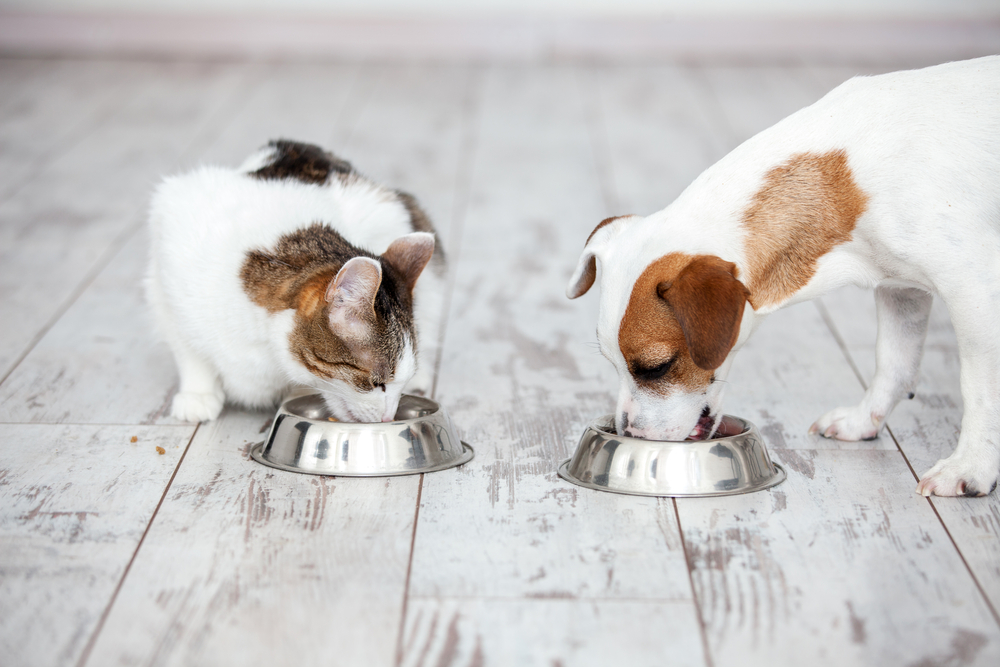
You’re standing in the pet food aisle, faced with a bewildering array of choices. Your loyal dog sits patiently at home, but all you can think about is the unopened can of cat food you mistakenly bought last week.
You wonder, should dogs eat cat food? This question might seem trivial, but the answer could significantly impact your furry friend’s health. We’ll delve into the intriguing world of pet nutrition, revealing facts that will change how you think about your pet’s diet.
By the end, you’ll be equipped with the knowledge to make informed decisions, ensuring your dog stays healthy and happy. Read on, because what you discover might surprise you.

Credit: www.usatoday.com
Differences Between Dog And Cat Nutrition
Understanding the nutritional differences between dogs and cats is crucial. Dogs and cats have distinct dietary needs. Feeding a dog cat food can lead to health issues. Let’s explore how their nutrition differs.
Nutritional Needs Of Dogs
Dogs need a balanced diet rich in proteins and carbohydrates. They require essential fatty acids for healthy skin and coat. Vitamins and minerals support their overall health. Fiber aids in digestion and bowel movement. Dogs also need calcium for strong bones. Their diet should be low in fats to prevent obesity.
Nutritional Needs Of Cats
Cats are obligate carnivores. They need meat to thrive. Protein is the primary component of their diet. Cats require taurine, an essential amino acid, for heart and eye health. They need arachidonic acid, a fat, for skin and coat health. Cats also need vitamin A from animal sources. Their bodies can’t synthesize it from plants. High protein and low carbohydrates suit their metabolism.
Why Their Diets Differ
Dogs evolved as omnivores. They can digest both meat and plants. Cats evolved as hunters. They rely heavily on meat for nutrients. Dogs can synthesize some nutrients from plant sources. Cats cannot do this. This fundamental difference shapes their dietary needs. Feeding a dog cat food ignores these differences. It can result in nutrient imbalance. Always choose species-appropriate food for your pet.
Common Ingredients In Cat Food
Cat food often contains high protein from meats, fish, and eggs. Dogs eating cat food may face issues. Their nutritional needs differ, and cat food lacks essential nutrients for dogs.
Common Ingredients in Cat Food Cat food contains specific ingredients. These ingredients cater to feline nutritional needs. Understanding these components is crucial. It helps in determining if dogs can consume cat food safely. Let’s explore some common ingredients found in cat food.Protein Content
Cats require high protein levels. Protein supports their muscle growth and energy. Cat food often contains more protein than dog food. This is because cats are obligate carnivores. While dogs can eat protein, excessive amounts can be harmful. It may strain their liver and kidneys. Always check protein levels before feeding cat food to dogs.Taurine And Its Importance
Taurine is vital for cats. It ensures healthy vision and heart function. Cats cannot produce taurine naturally. Thus, it is added to cat food. Dogs can synthesize taurine. So, they do not need it in their diet. Consuming taurine-rich cat food is unnecessary for dogs. Excessive taurine might lead to digestive problems in dogs.Fat Levels
Cat food often contains high fat. This meets the energy needs of cats. Dogs require less fat in their diet. Feeding them cat food can lead to weight gain. It may cause health issues like pancreatitis. Monitoring fat intake is essential for dog health. Always consult a vet before giving cat food to your dog.Potential Risks For Dogs Eating Cat Food
Many pet owners find their dogs nibbling on cat food. While it might seem harmless, there are potential risks. Dogs and cats have different dietary needs. Cat food is rich in proteins and fats, designed for feline health. Feeding your dog cat food can lead to several health issues. Understanding these risks can help you make informed decisions about your pet’s diet.
Digestive Issues
Dogs eating cat food might experience digestive problems. Cat food is high in fat, which can upset a dog’s stomach. This can lead to vomiting or diarrhea. Dogs have a different digestive system than cats. They might not process cat food ingredients well. This can cause discomfort and digestive distress.
Nutritional Imbalances
Cat food lacks essential nutrients for dogs. Dogs need a balanced diet with specific nutrients. Cat food might not meet these requirements. Over time, this can lead to deficiencies. Dogs need more carbohydrates than cats. Cat food’s high protein content can disrupt a dog’s nutritional balance.
Long-term Health Concerns
Feeding dogs cat food regularly poses long-term health risks. High fat levels in cat food can lead to obesity in dogs. Obesity increases the risk of heart disease and diabetes. Continuous consumption can also affect kidney health. Dogs might suffer from urinary tract problems. Monitoring your dog’s diet is crucial for long-term health.
Signs Your Dog Ate Cat Food
Dogs might seem fine eating cat food, but it can lead to issues. Upset stomach, vomiting, or diarrhea may occur. Cats require different nutrients, so their food isn’t ideal for dogs.
If you’re a pet owner juggling both dogs and cats, you might have faced the dilemma of your dog munching on cat food. Understanding the signs your dog ate cat food can help you address potential health issues swiftly. Dogs are curious creatures, and their dietary adventures can lead to unexpected changes in their behavior and health. Let’s explore what happens when your dog sneaks a bite of your cat’s meal.Behavioral Changes
Dogs are creatures of habit, and any deviation from their routine can be a clue. Has your dog been acting differently lately? Increased energy or restlessness might be a sign. My dog once raided the cat’s food stash and was bouncing off the walls with energy. Another key indicator is a change in their eating habits. Is your dog suddenly less interested in their own food? This might be because they find the cat’s food more appealing. Keep an eye out for any sneaky attempts to get into the cat food bowl!Physical Symptoms
After consuming cat food, your dog might show physical symptoms. Vomiting or diarrhea are common reactions. My neighbor’s dog once had a stomach upset after devouring a bowl of cat kibble. These symptoms can appear within hours, so quick observation is crucial. Excessive thirst is another sign. If your dog is drinking more water than usual, it could be due to the high protein and fat content in cat food. Check if they are visiting the water bowl more frequently. Do you notice any bloating or gas? Cat food is rich and might not sit well with your dog’s digestive system. These symptoms can be uncomfortable for your furry friend, so it’s essential to monitor them closely. These are just a few signs that your dog might have indulged in cat food. Have you ever caught your dog in the act? How did you handle it? Share your experiences and insights!What To Do If Your Dog Eats Cat Food
Dogs are curious creatures. Sometimes they munch on cat food. This can leave pet owners worried. Is it harmful? What should you do next? This section guides you on the steps to take immediately. Also, when it’s necessary to contact a veterinarian.
Immediate Steps To Take
First, stay calm. Dogs often sample cat food without issues. Remove any remaining cat food. This prevents further consumption. Check your dog’s behavior. Look for any unusual signs. Such as vomiting or diarrhea. Offer your dog fresh water. It helps flush out the system. Observe your dog closely. For any changes in appetite or energy levels.
When To Contact A Veterinarian
Contact a vet if your dog shows signs of distress. Persistent vomiting is a red flag. So is difficulty breathing. Extreme lethargy should not be ignored. These symptoms require professional attention. The vet may ask about the amount of cat food eaten. Providing this information helps assess the situation. Timely communication with a vet ensures the best outcome for your pet.
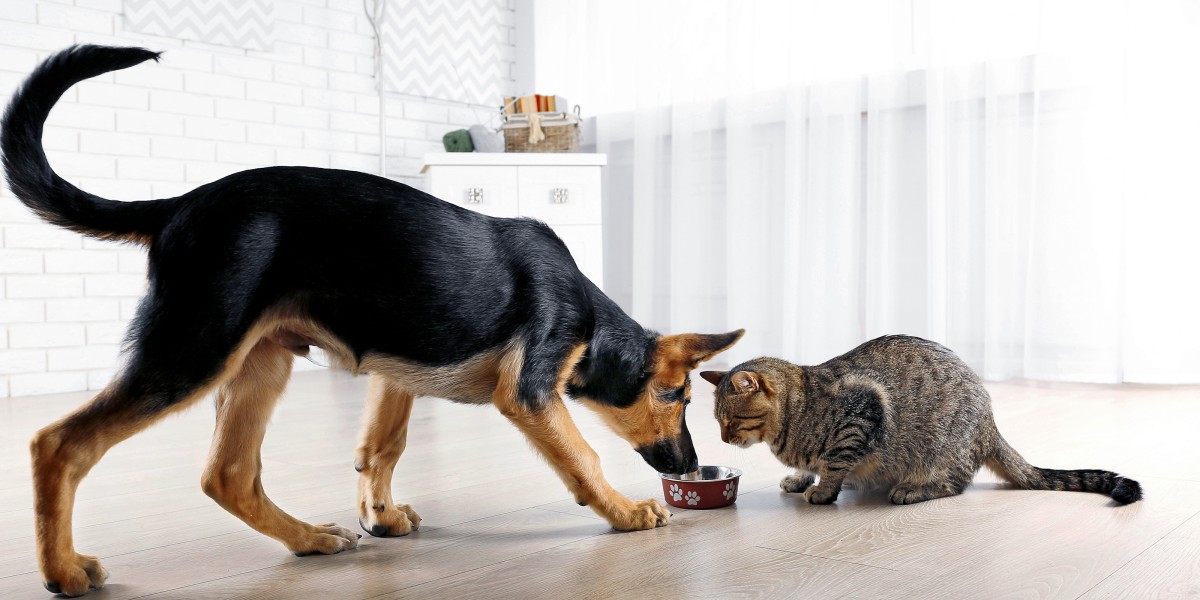
Credit: www.purina.com
Preventing Dogs From Eating Cat Food
Dogs should not eat cat food. Cat food often has higher protein and fat levels, which can be harmful to dogs. Keeping dog and cat food separate helps maintain proper pet health and nutrition.
Preventing your dog from munching on cat food is important. Cat food is tasty but not suitable for dogs. It has different nutrients. Dogs eating it can face health issues. Here are some tips to keep your dog away from cat food.Feeding Separately
Feed your pets in different rooms. This keeps them from sharing food. Close doors during meal times. It’s a simple way to control what each pet eats. Use different feeding schedules if needed. This can help avoid conflicts over food.Using Pet Gates Or Barriers
Install pet gates to create boundaries. Keep the cat’s food area separate. Barriers help limit access to the cat’s food bowl. Choose a gate that fits your home. Ensure it’s easy to open for you. Hard for the dog to bypass.Training Techniques
Teach your dog to stay away from the cat’s bowl. Use commands like “leave it” or “no.” Reward your dog for good behavior. Consistent training builds good habits. Make training sessions short and fun. It helps your dog learn faster.Safe Alternatives And Treats For Dogs
Dogs and cats have different nutritional needs. Feeding dogs cat food isn’t ideal. Cat food often has higher protein and fat content. This can upset a dog’s digestive system. So, it’s essential to explore safe alternatives for dogs. Providing the right food keeps them healthy and happy. Let’s explore some recommended options and treats.
Recommended Dog Food Options
Choose dog food with balanced nutrients. Look for options rich in proteins and fibers. Avoid foods with artificial additives. Brands like Blue Buffalo and Hill’s Science Diet are well-regarded. They offer natural ingredients and are vet-recommended. Always check for AAFCO approval on packages. It ensures the food meets nutritional standards.
Healthy Treat Choices
Treats should be nutritious and tasty. Consider carrots, apples, or green beans. These are low in calories and safe for dogs. Peanut butter can be a delightful treat. Ensure it doesn’t contain xylitol, which is harmful. Opt for commercial treats with minimal ingredients. Check labels for low sugar and no preservatives.
:strip_icc()/GettyImages-1137504605-4ea3ceec185f4d1e9dc39fb71f8ae04c.jpg)
Credit: www.thesprucepets.com
Frequently Asked Questions
What Happens If My Dog Eats Cat Food?
Dogs may eat cat food occasionally without harm. Regular consumption can lead to nutritional imbalances. Cat food is higher in fat and protein, which may cause digestive issues or obesity in dogs. Monitor your dog and consult a veterinarian if you notice any unusual symptoms or behavioral changes.
Is It Safe To Feed Cat Food To Dogs?
Feeding cat food to dogs is not safe. Cat food lacks essential nutrients for dogs and can cause health issues. Always choose dog-specific food for your pet’s dietary needs and health. Consult your vet for advice tailored to your dog’s requirements.
Can Dogs Eat Cat Food Regularly?
Dogs should not eat cat food regularly because it lacks essential nutrients. Cat food is high in protein and fat, which can lead to weight gain and health issues in dogs. Occasional consumption might not harm, but a diet primarily based on cat food is not recommended for dogs.
What Happens If A Dog Eats Cat Food?
If a dog eats cat food occasionally, it might not cause harm. However, regular consumption can lead to digestive issues and obesity. Cat food is formulated for cats, lacking nutrients essential for dogs. Long-term intake can result in nutrient deficiencies and health problems.
Conclusion
Dogs should stick to their own food. Cat food isn’t suitable for them. It lacks the right nutrients for dogs. Feeding dogs cat food can lead to health issues. Upset stomach, obesity, and nutrient deficiencies are common concerns. Always consult a vet for dietary advice.
They can guide you on proper feeding practices. Keep dog food and cat food separate. Ensure your pet gets a balanced diet. This keeps them healthy and happy. Remember, every pet deserves the best care. So, choose wisely for their well-being.