Your beloved cat is more than just a pet—it’s a cherished member of your family. So, when you notice a strange, round patch on its fur, naturally, you worry.
Could it be ringworm? And more importantly, is it something you or your loved ones could catch? Understanding the risks and taking the right precautions is essential to keeping both your cat and your household safe. This article will walk you through everything you need to know about cat ringworm, its contagious nature, and how you can protect yourself and your family.
Keep reading to ensure your home remains a happy, healthy sanctuary for everyone.
Credit: www.coloradoanimalrescue.org
What Is Cat Ringworm?
Cat ringworm is a common fungal infection. It’s not caused by worms. This condition affects the skin, fur, and claws of cats. The fungus known as dermatophytes causes it. Ringworm in cats is highly contagious. It can spread to humans and other animals.
Symptoms In Cats
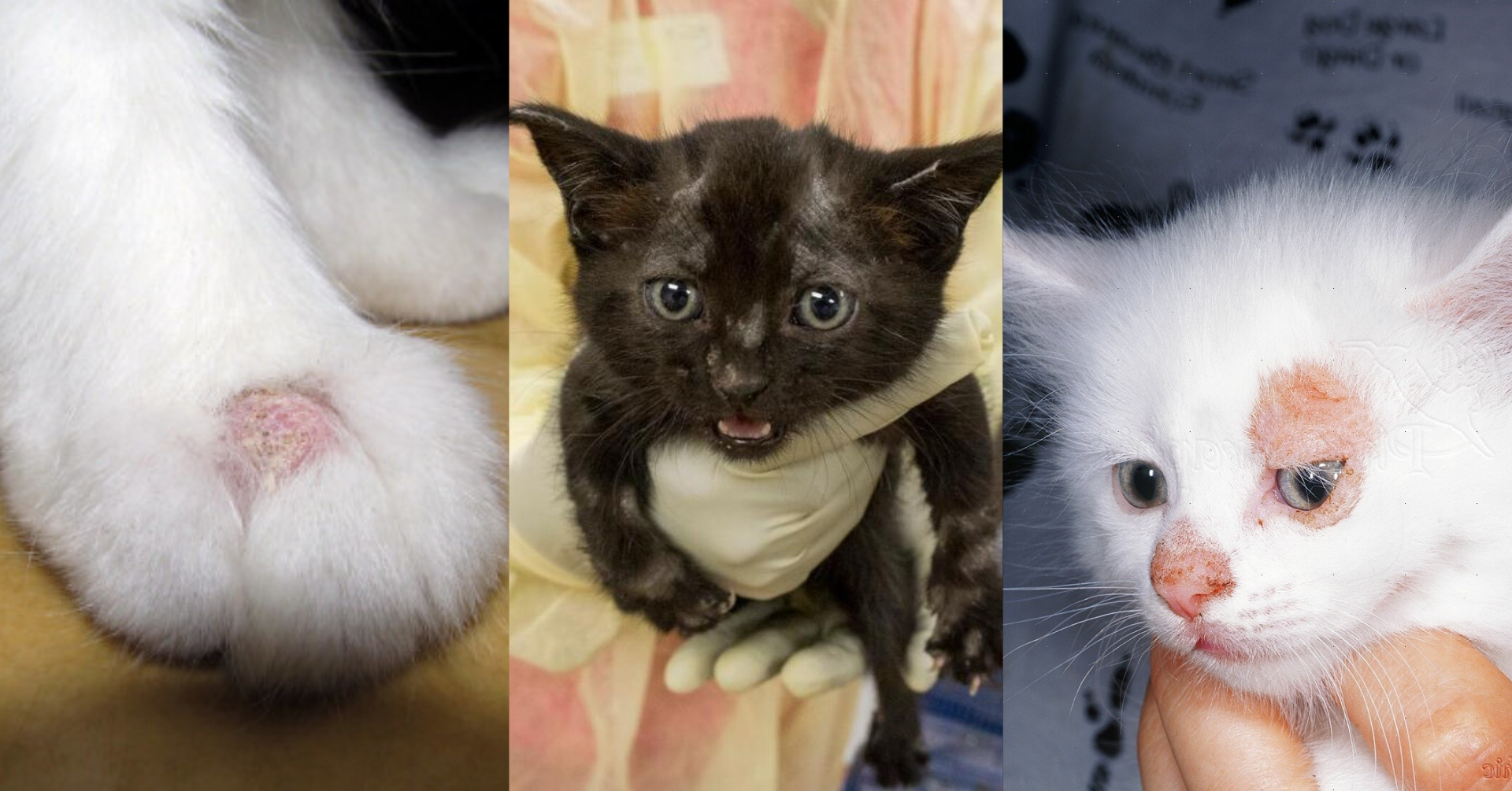
Signs of ringworm in cats can vary. Cats might have patches of hair loss. These patches can appear in circular shapes. Some cats may experience red or scaly skin. Itching or scratching is common. Look for broken hairs or crusty skin. Darkened skin may be another sign.
Causes And Transmission
Ringworm spreads through direct contact. The fungus thrives in warm, moist environments. Cats can pick it up from other infected animals. Contaminated surfaces or objects are another source. Humans can catch ringworm from infected cats. Touching the infected area is enough to spread it. Always wash hands after handling an infected cat.
How Ringworm Spreads To Humans
Cats can transmit ringworm to humans through direct contact with infected fur or skin. The fungus thrives in warm, moist environments, making it easy to spread between pets and people. Regular hygiene and prompt treatment can help prevent infection.
If you’re a cat owner, you might be wondering if your furry friend’s health issues could affect you. Cat ringworm is not an uncommon concern. Understanding how ringworm spreads to humans is crucial to protect yourself and your household. This fungal infection, despite its name, doesn’t involve any worms and can be transmitted through several pathways.Transmission Methods
Ringworm is primarily spread through direct contact with an infected animal. If you pet or handle a cat with ringworm, you’re at risk of contracting the fungus yourself. But it doesn’t stop there. Ringworm spores can also linger on surfaces like furniture, clothing, or even your cat’s toys. They can survive for months, waiting for a new host. Imagine touching your cat’s bedding and then rubbing your eyes—just like that, the infection can spread.Risk Factors
Some people are more susceptible to contracting ringworm than others. If you have a weakened immune system, you’re at higher risk. Young children and the elderly often have more sensitive skin, making them more vulnerable. Do you have multiple pets? The more animals you have, the higher the chance of spreading ringworm. Even if one cat appears healthy, it might still be a carrier. Have you ever thought about your hygiene habits? Regular handwashing and keeping your pet’s living area clean can drastically reduce your risk. Taking these simple steps can make a significant difference.Signs Of Ringworm In Humans
Ringworm, despite its name, is not caused by worms. It is a fungal infection affecting humans. Understanding its signs can help in early detection and treatment. Knowing what to look for is crucial for keeping the infection from spreading further.
Common Symptoms
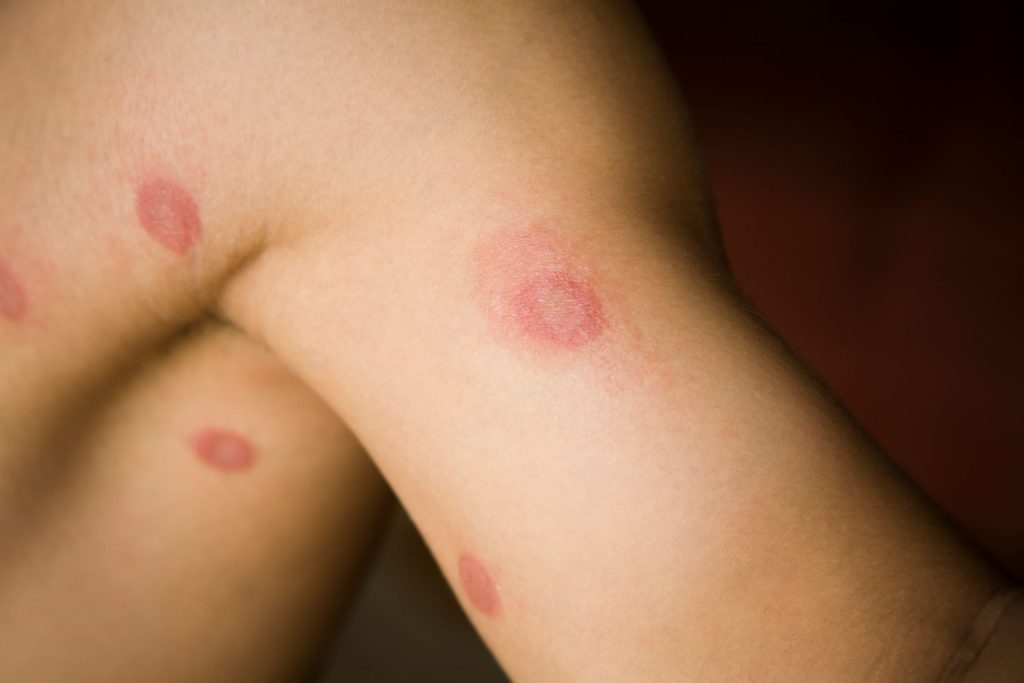
Ringworm can cause a variety of skin issues. A red, itchy rash is often the first sign. This rash may have a circular shape with a clearer center. Peeling or cracking skin might also appear. The affected area can become scaly and swollen, causing discomfort. In severe cases, blisters or pus-filled sores may form. The scalp is another common target. Here, it can lead to hair loss and flaky patches.
Diagnosis And Testing
A doctor can diagnose ringworm through visual inspection. They might ask about recent contact with infected animals or humans. A skin sample may be collected for further testing. This involves scraping the affected area gently. The sample is then examined under a microscope. In some cases, a Wood’s lamp test is performed. This test uses ultraviolet light to check for infection. Accurate diagnosis is key to effective treatment.

Credit: www.fetchpet.com
Preventing Ringworm Transmission
Cat ringworm can spread to humans through direct contact with an infected cat’s skin or fur. To prevent transmission, wash your hands after handling cats and keep their living areas clean. Regular veterinary check-ups can also help in early detection and control.
Preventing ringworm transmission is crucial for pet owners and their families. Cats with ringworm can pass it to humans easily. Knowing how to prevent this is important for health and safety.Hygiene Practices
Wash your hands often, especially after touching your cat. Use soap and water to remove any fungal spores. Keep your environment clean by vacuuming regularly. Disinfect surfaces where your cat spends time. Avoid sharing towels, blankets, or clothing with your pet. This limits the spread of ringworm.Pet Care Tips
Check your cat for ringworm signs like hair loss or scaly skin. Take your pet to the vet for treatment if needed. Use antifungal shampoos to help manage ringworm. Keep your cat indoors to prevent contact with infected animals. Trim your pet’s nails to reduce scratching and spreading. Treat all pets in your home to prevent reinfection.Treatment Options For Humans
Discovering that your cat has ringworm can be alarming, especially when you realize it can affect humans too. But don’t worry, there are effective treatment options available to tackle this pesky skin infection. Whether you choose to manage it at home or seek professional care, understanding your options is crucial. Let’s explore how you can treat ringworm if you catch it from your feline friend.
Over-the-counter Solutions
Over-the-counter solutions are often the first line of defense against ringworm. You can find antifungal creams and ointments at your local pharmacy. Brands like Lotrimin and Lamisil are popular choices.
Apply the cream directly to the affected area as instructed on the packaging. Regular application can lead to visible improvement within a few days. But patience is key; continue the treatment even after the rash clears up to ensure the fungus is completely eradicated.
Have you ever tried tea tree oil for skin issues? Some people find it helpful due to its antifungal properties. If you choose this natural remedy, make sure to dilute it properly to prevent skin irritation.
Professional Medical Treatments
Sometimes, over-the-counter solutions aren’t enough, and that’s where professional medical treatments come into play. If your ringworm doesn’t improve, or if it spreads, visiting a dermatologist is a wise decision.
A healthcare provider might prescribe stronger antifungal medications, like terbinafine or griseofulvin, especially for persistent cases. These can be taken orally and are effective in tackling stubborn infections.
Have you ever wondered why ringworm can be so hard to treat? It’s because the fungus can thrive in warm and moist environments. Dermatologists can offer personalized advice to prevent future infections, such as keeping your skin dry and clean.
Which treatment option would you choose if faced with ringworm? Exploring both home remedies and professional options can help you make an informed decision that suits your lifestyle.
Credit: www.catwatchnewsletter.com
Managing Ringworm In Cats
Ringworm in cats can easily spread to humans through direct contact. It thrives on skin, causing itching and redness. Quick treatment and hygiene help prevent transmission, safeguarding both pets and their owners.
Managing ringworm in cats can seem daunting, but with the right approach, it’s manageable. This common fungal infection not only affects your feline friend but can also be transmitted to humans. Understanding how to treat and care for a cat with ringworm is crucial for the health of both your pet and your household.Veterinary Treatments
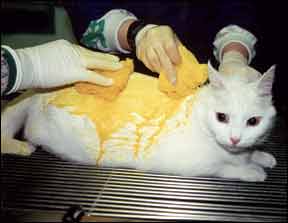
The first step in managing ringworm in cats is seeking professional help. A vet will accurately diagnose the condition, usually through a skin culture or examination under a special light. Treatment often involves a combination of oral and topical medications designed to eliminate the fungus. Oral antifungal medications are typically prescribed for severe cases. These medicines work from the inside out, killing the fungus and preventing it from spreading. Topical treatments, such as antifungal creams and shampoos, are applied directly to the affected areas. Regular vet check-ups are essential during treatment. This ensures the infection is responding well to medications and helps prevent recurrence. It’s important to follow the vet’s instructions precisely to ensure the best outcome.Home Care Strategies
While veterinary treatments tackle the root of the problem, home care plays a vital role in managing ringworm. Maintaining a clean environment is crucial. Regularly vacuum and disinfect your home, focusing on areas where your cat spends most of its time. Isolation of the infected cat can help prevent the spread of ringworm to other pets and humans. Set up a comfortable, separate space for your cat with its own litter box and bedding. Be sure to wash these items frequently. Personal experience taught me the importance of hygiene in managing ringworm. Washing hands after handling your cat is essential. You might also consider wearing gloves when applying topical treatments. What strategies have you found effective in treating and caring for ringworm in pets? Share your thoughts and let’s learn from each other.Myths And Facts About Ringworm
Cat ringworm can spread to humans through direct contact with infected animals. It’s a fungal infection, not a worm. Good hygiene and prompt treatment help prevent transmission and manage symptoms effectively.
Ringworm is a common skin condition. It affects both cats and humans. Many myths surround this infection. Some believe it’s caused by worms, but that’s untrue. It actually stems from a fungal infection. Understanding the truth is key to prevention and treatment. Let’s explore some common misconceptions and scientific insights about ringworm.Common Misconceptions
Many think ringworm is not contagious. This is a myth. Ringworm spreads easily from cats to humans. It can also spread through shared items. Some believe only dirty environments cause ringworm. That’s incorrect. Even clean homes can have ringworm outbreaks. People often think only outdoor cats get ringworm. Indoor cats can also be affected. Misunderstanding these facts can lead to more infections.Scientific Insights
Ringworm is caused by a fungus, not a worm. The fungus thrives in warm, moist areas. It can live on skin and surfaces. Ringworm in cats can spread to humans through direct contact. Touching infected areas or fur can transmit the fungus. Shared items like brushes or bedding can also be sources. Fungal spores can linger on surfaces for months. This makes prevention challenging. Regular cleaning can help reduce the risk. Proper hygiene and awareness are crucial for control. `Frequently Asked Questions
How Likely Am I To Get Ringworm From My Cat?
Cats can carry ringworm, making transmission possible. Close contact or sharing items increases risk. Maintain good hygiene and monitor your cat’s health. If you notice skin changes, consult a vet. Treat infected animals promptly to reduce exposure. Proper precautions minimize chances of getting ringworm from your cat.
Do I Need To Quarantine If My Cat Has Ringworm?
No quarantine is needed for humans. Practice good hygiene to prevent ringworm from spreading. Keep your cat isolated from other pets until treated.
Do I Need To Clean My House If My Cat Has Ringworm?
Yes, cleaning your house is essential if your cat has ringworm. Disinfect surfaces, wash bedding, and vacuum carpets regularly to prevent spreading. Pay attention to areas your cat frequents. Maintaining cleanliness helps protect both humans and other pets from infection.
Is Ringworm Due To Poor Hygiene?
Ringworm is not directly caused by poor hygiene. It’s a fungal infection spread through contact with infected surfaces or skin. Good hygiene can help prevent it, but factors like warm, damp environments also contribute to its spread. Keep skin dry and clean to reduce the risk of infection.
Conclusion
Cat ringworm can indeed spread to humans. Taking precautions is vital. Regular hand washing helps prevent transmission. Keep your cat’s environment clean. Monitor for signs of ringworm on your skin. Seek medical advice if needed. Treat your cat promptly if infected.
A healthy, clean home reduces risk. Stay informed and vigilant. Understanding and awareness are key. Sharing your living space safely with your pet is possible. Knowledge empowers you to act wisely. Keep enjoying time with your furry friend. Protect both of you from ringworm.
Health and safety come first. Take care and stay proactive.