Is a Civet a Cat: Unraveling the Fascinating Truth
Have you ever stumbled across a civet and wondered if it’s just another breed of cat? You’re not alone.
This intriguing creature often sparks curiosity due to its feline-like appearance, but there’s more to the civet than meets the eye. As you dive into this article, you’ll uncover fascinating insights about civets that might just surprise you. We’ll explore their unique characteristics, their distinct differences from cats, and why they play a significant role in the ecosystem.
Keep reading, and you’ll not only satisfy your curiosity but also gain a deeper understanding of this mysterious animal.

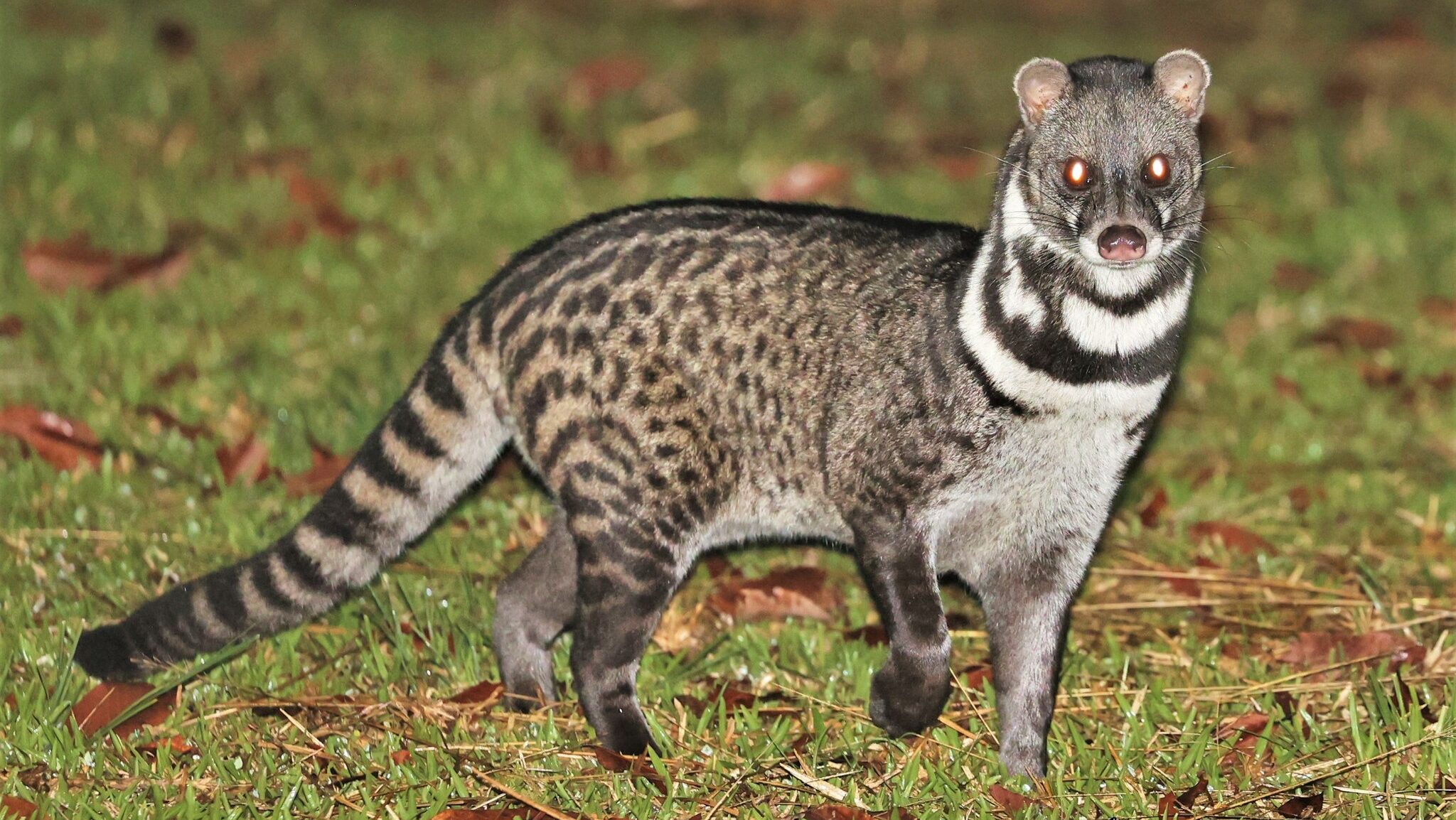
Credit: en.wikipedia.org
Civet And Cat: The Differences
Civets and cats often cause confusion due to their similar appearances. Yet, they belong to different families and have distinct traits. Understanding these differences can be fascinating. Let’s explore the unique characteristics of civets and cats.
Physical Characteristics
Civets have long, slender bodies and short legs. Their tails are often bushy. Their fur varies, sometimes spotted or striped, depending on the species. Cats, on the other hand, have more compact bodies. They possess retractable claws. Their fur comes in a wide range of patterns and colors.
Behavioral Traits
Civets are primarily nocturnal and solitary creatures. They are more active during the night. Cats can be both solitary and social. Many are crepuscular, active during dawn and dusk. Civets have a musky scent used for marking territory. Cats use scent glands on their faces and paws.
Habitat Preferences
Civets thrive in tropical forests and woodlands. They prefer dense vegetation and near water sources. Cats are more adaptable to various environments. They can live in urban areas, forests, and deserts. Civets often climb trees and hunt small animals. Cats are skilled hunters and also adapt to domestic life.
The Unique Biology Of Civets
The unique biology of civets sets them apart from other creatures. Though often mistaken for cats, civets belong to a different family. These small, nocturnal mammals have fascinating biological traits. They thrive in diverse habitats, from forests to urban areas. Let’s explore the anatomy, diet, and reproductive habits of civets.
Anatomy And Physiology
Civets have a slender body and a long tail. Their tails help with balance and agility. The head is small with sharp, pointed ears. Civets have a keen sense of smell and sight. Their retractable claws aid in climbing and hunting. The fur is usually spotted or striped, providing camouflage.
Diet And Hunting Techniques
Civets are omnivores with a diverse diet. They eat fruits, insects, and small animals. Civets are skilled hunters, often searching for food at night. They use stealth and speed to catch prey. Their diet varies with the season and environment.
Reproductive Habits
Civets breed once or twice a year. The mating season usually aligns with food abundance. Female civets give birth to one to four young ones. The young are born with their eyes closed, needing care. They grow quickly and learn to hunt with the mother.
Civets In Culture And History
Civets have intrigued humans for centuries. These small, nocturnal creatures hold a special place in various cultures. Their mysterious nature and unique behavior have inspired myths and traditions. Their influence can be seen in symbolism, traditional medicine, and even coffee production.
Symbolism And Mythology
Civets are often linked with mystery and secrecy. In many cultures, they are seen as elusive beings. Some African tribes view civets as symbols of stealth. In Asian folklore, they are believed to possess magical qualities. Myths describe them as shapeshifters or spiritual guides. These tales highlight their importance in cultural narratives.
Civets In Traditional Medicine
Civets have a notable role in traditional medicine. Some cultures use civet musk for its supposed healing properties. It is believed to treat ailments like headaches and rheumatism. The musk is often used in perfumes due to its strong scent. This practice shows the deep connection between civets and human health.
Role In Coffee Production
Civet coffee, also known as Kopi Luwak, is famous worldwide. This coffee involves civets eating coffee cherries. The beans are then collected from their droppings. This unique process adds a distinctive flavor. Civet coffee is one of the most expensive in the world. It highlights the significant impact of civets on global culture.
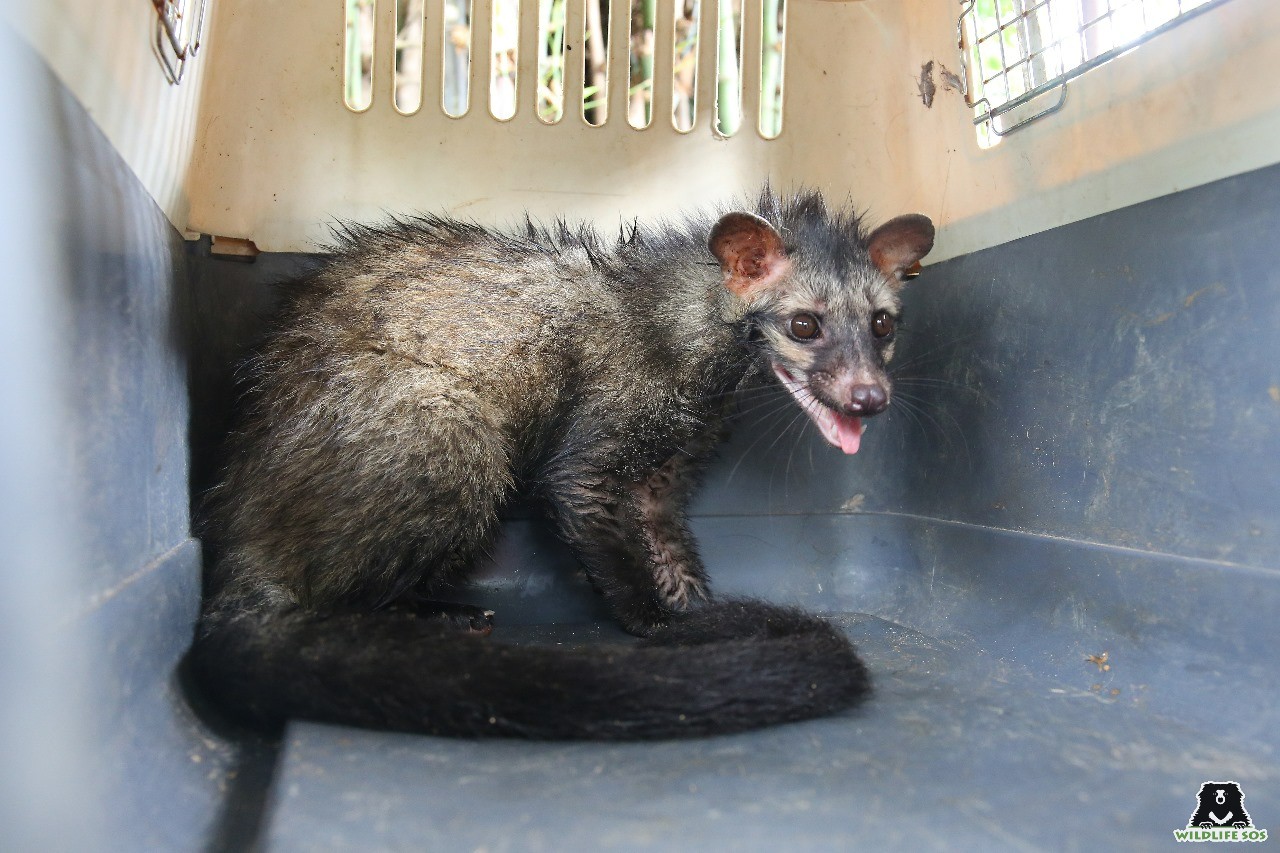
Credit: wildlifesos.org
Conservation Efforts For Civets
Civets may not be as well-known as the big cats, but they play a crucial role in our ecosystem. These small, nocturnal mammals face various threats that endanger their existence. Conservation efforts are underway to protect civets and their habitats. But what can you do to contribute to their preservation? Let’s explore the challenges civets face and how you can become part of the solution.
Threats To Civet Populations
Civets are often mistaken for cats, yet they face unique threats that differ significantly from their feline counterparts. Habitat loss is a major issue, primarily due to deforestation and urbanization. As forests are cleared for agriculture and development, civets lose their homes.
Poaching is another significant threat. Civets are hunted for their musk, used in perfumes, or for their meat. Additionally, the illegal wildlife trade poses a serious risk to their populations. How can we curb these threats to ensure civets thrive?
Conservation Initiatives
Several organizations are working tirelessly to protect civets. Wildlife reserves and sanctuaries provide safe havens for these animals. Efforts are being made to restore their natural habitats, allowing civets to live and breed safely.
Educational programs raise awareness about the importance of civets. By understanding their ecological role, communities can become advocates for their protection. Are you aware of any local initiatives that focus on civet conservation?
How You Can Help
Your actions can make a difference in civet conservation. Support organizations dedicated to wildlife protection. You might consider donating, volunteering, or spreading the word about their efforts.
Advocate for sustainable practices in your community. Encourage businesses to adopt eco-friendly methods that reduce habitat destruction. By making informed choices, you contribute to a safer environment for civets.
Consider visiting wildlife reserves that protect civets. Your visit not only supports their work but also provides you with firsthand knowledge about these remarkable creatures. What steps will you take to help protect civets today?
Civet Cats: A Misleading Name
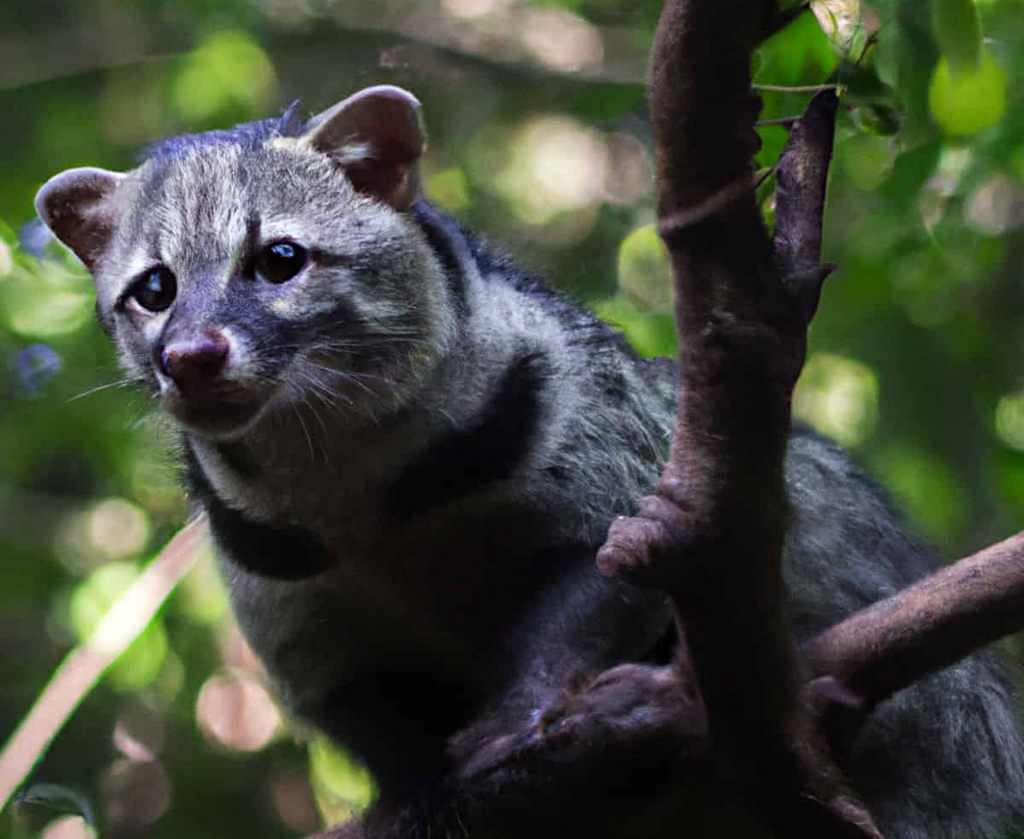
Civet cats are not true cats; they belong to the Viverridae family. These nocturnal mammals resemble cats but are more closely related to mongooses. Their misleading name often causes confusion, but their unique features set them apart from feline species.
Civet cats are not cats at all. This intriguing creature often causes confusion with its name. If you’ve ever wondered if civets belong to the feline family, you’re not alone. Their name is misleading, leading many to mistakenly categorize them as cats. The truth is, civets belong to the Viverridae family, which is distinct from the Felidae family that includes domestic cats. htmlUnderstanding The Name Confusion
Why are civets called cats? The term “civet cat” is a misnomer rooted in historical naming practices. Early explorers labeled them based on superficial similarities to cats. A civet’s slender body and facial features might remind you of a cat. However, they are more closely related to mongoose and meerkats. This confusion persists because names stick around even when they’re inaccurate. htmlImpact On Public Perception
Civet Species Around The World
Civet species are fascinating creatures found in various parts of the world. They’re often mistaken for cats due to their appearance, but civets belong to a different family. With their unique traits and habitats, these animals add diversity to the wildlife of several continents. Understanding civet species helps us appreciate the rich tapestry of life on our planet. Let’s explore some notable civet species and discover what makes each of them special.
African Civets
The African civet is a nocturnal mammal native to sub-Saharan Africa. It’s famous for its striking black and white striped pattern, resembling a raccoon more than a domestic cat. This species is known for producing civetone, a musky substance used in perfumes.
Imagine stumbling upon an African civet during a safari. You might find it foraging for fruit, small animals, and insects. Its adaptability to different environments makes it a survivor in both forests and savannas.
Have you ever wondered about the role of scent in animal communication? African civets use their musky secretions to mark territory, an essential survival strategy in the wild.
Asian Palm Civets
Asian palm civets are small, agile creatures found across South and Southeast Asia. They’re known for their love of ripe fruit, particularly coffee cherries, which they consume to produce the famous “kopi luwak” coffee.
Picture yourself trekking through a dense Asian jungle. You might hear the rustle of leaves as an Asian palm civet scurries through the trees. These civets are experts at navigating their arboreal homes.
Have you ever tasted kopi luwak coffee? It’s a unique blend that owes its existence to the digestive processes of the Asian palm civet, showcasing nature’s unexpected contributions to human culture.
Other Notable Species
Beyond Africa and Asia, there are other fascinating civet species. The Sunda civet, for example, inhabits the forests of Indonesia and Malaysia. It’s known for its elusive nature and skillful tree-climbing abilities.
In Madagascar, the fossa, often confused with a civet, is a top predator and an essential part of the island’s ecosystem. It highlights the diversity within the civet family, which includes species with varying diets and behaviors.
What other unique animals might share traits with civets? These species remind us of the endless variety in the animal kingdom and prompt us to consider the roles each creature plays in its environment.
As you learn about these species, think about the unique adaptations that help them thrive. How do these adaptations compare to those of other animals you know?
Interaction Between Civets And Humans
Civets are intriguing creatures that often capture human curiosity. From spotting them in the wild to considering them as pets, our interactions with civets are diverse. Understanding these interactions can help us appreciate civets while maintaining a respectful distance.
Civet Encounters In The Wild
Encountering a civet in the wild is a rare and exciting experience. These nocturnal animals tend to avoid human contact, but you might spot one if you’re lucky during a night hike or camping trip. Their elusive nature makes such sightings memorable and a reminder of the diversity of wildlife around us.
If you ever find yourself face-to-face with a civet, observe from a distance. Respect their space and avoid making sudden movements that could startle them. Remember, civets are wild animals, and maintaining a safe distance ensures both your safety and theirs.
Civets As Pets: Pros And Cons
Keeping a civet as a pet is a decision that requires careful thought. On the positive side, civets are unique and can be fascinating companions. They have a playful nature and can form bonds with their human caretakers.
However, there are significant downsides to consider. Civets have specific dietary and habitat needs that can be challenging to meet in a home setting. They can also be unpredictable, and their nocturnal habits might not align well with your lifestyle.
Before considering a civet as a pet, think about whether you can provide the environment and care they need. Is it fair to keep a wild animal as a pet, or should civets remain in their natural habitat where they truly belong? Your answer to this question should guide your decision.
Ultimately, our interactions with civets should reflect a balance between curiosity and respect. Whether in the wild or as pets, civets deserve our admiration and care.
Credit: naturalnicheperfume.com
Frequently Asked Questions
Is A Civet Actually A Cat?
A civet is not a cat. Civets belong to the Viverridae family, distinct from the Felidae family of cats. They share some physical similarities with cats but are more closely related to mongoose and other small carnivorous mammals. They are unique creatures known for their role in coffee production and diverse habitats.
Are Civets Related To Cats Or Dogs?
Civets are neither cats nor dogs. They belong to the Viverridae family, which is distinct from felines and canines. These small, nocturnal mammals share some physical traits with both cats and dogs but are classified separately. Civets are known for their unique scent and diverse species.
Are Civet Cats Related To Raccoons?
Civet cats are not related to raccoons. Civet cats belong to the Viverridae family, while raccoons belong to the Procyonidae family. They have different evolutionary paths and distinct characteristics. Despite some similarities, they are different species.
Can A Civet Cat Be A Pet?
Civet cats are not ideal pets. They require specialized care and can be aggressive. Many places have legal restrictions on owning them. It’s best to admire civet cats in their natural habitat or through conservation programs. Always research local laws and their needs before considering exotic animals as pets.
Conclusion
Civets and cats share some similarities. But they belong to different families. Civets are part of the Viverridae family. Cats belong to the Felidae family. Both are mammals. Both have sharp claws and keen senses. Yet, their differences are clear.
Civets have a distinct musk. They also have unique body shapes. Cats, on the other hand, are more familiar. They have diverse breeds and are popular pets. Understanding these differences helps in knowing these animals better. It enriches our appreciation of nature’s diversity.

Similar Posts