
Have you noticed your cat acting a bit off lately? Maybe they’re eating less, losing weight, or just not as playful as usual.
It’s possible that your furry friend might be dealing with worms. Don’t worry; you’re not alone in this. Many cat owners face this issue, and it’s more common than you might think. The good news is that treating worms in cats is manageable, and with the right approach, your cat can be back to their lively self in no time.
You’ll discover effective ways to identify, treat, and prevent worms, ensuring your beloved pet stays healthy and happy. Stick around, because understanding this crucial aspect of cat care could make all the difference for your feline companion.
Recognizing Symptoms
When it comes to the health of your feline friend, recognizing symptoms of worms is crucial. These pesky parasites can cause a range of issues, and knowing the signs can help you take swift action. You’ll want to be observant and proactive, ensuring your cat remains happy and healthy. Let’s dive into some common symptoms.
Behavioral Changes
Notice any shifts in your cat’s behavior? Worms can make them lethargic or unusually irritable. You might observe your cat napping more than usual or losing interest in activities they once loved. It’s like they’re trying to tell you something is off.
Pay attention if your cat suddenly starts hiding or avoiding interaction. This could be a sign they’re not feeling their best. Have you ever seen your playful cat suddenly become a recluse? It might be time to check for worms.
Physical Signs
Look closely at your cat’s appearance. Worms can lead to a dull coat or weight loss. You might notice your cat’s fur is less shiny or they’ve lost some pounds despite a good appetite. These changes can be subtle yet significant.
Another tell-tale sign is a swollen belly, especially in kittens. If your kitten looks like they’ve gained weight around the midsection without an overall weight increase, it could be worms. Keep an eye out for these physical clues.
Digestive Issues
Is your cat experiencing digestive problems? Diarrhea or vomiting could indicate worms. It’s alarming when your cat’s litter box habits change drastically, and it’s essential to investigate further.
Have you noticed your cat scooting or licking their rear excessively? This behavior can be a response to discomfort caused by worms. Observing these actions might be your first hint that something is amiss.
Being vigilant about these symptoms can make a world of difference in your cat’s health. Remember, your cat’s well-being is in your hands. Have you ever been surprised by a sudden health issue with your pet? What steps did you take to address it?
Types Of Worms
Cats often suffer from different types of worms. Knowing the types helps in effective treatment. Worms can cause health issues if left untreated. Let’s explore the main types found in cats.
Roundworms
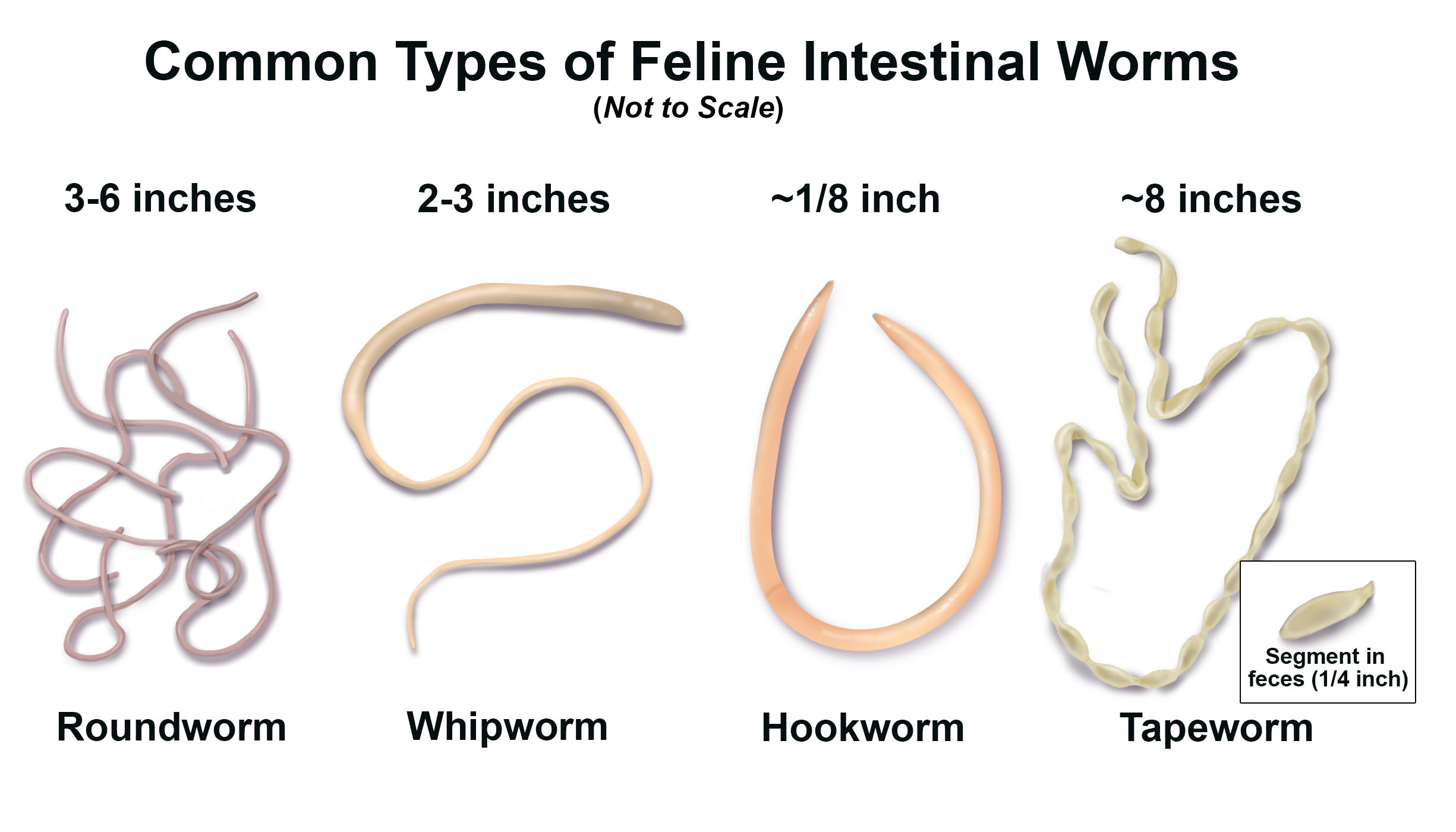
Roundworms are common in cats. They look like spaghetti in the feces. Kittens often get them from their mothers. They live in the intestines and cause bloating. A cat may vomit or have diarrhea. Regular deworming helps prevent them.
Tapeworms
Tapeworms are flat and segmented. Cats get them from fleas or raw meat. You may see segments around the cat’s anus. Tapeworms can cause weight loss and irritation. Flea control is crucial to prevent tapeworms.
Hookworms
Hookworms are small but harmful. They attach to the intestines and suck blood. This can cause anemia in cats. Symptoms include lethargy and pale gums. Hookworms are contracted through soil or infected feces. Regular vet check-ups can detect them early.
Whipworms
Whipworms are less common in cats. They live in the large intestine. Whipworms cause diarrhea and weight loss. They are difficult to diagnose. Routine stool tests can help find them. Treatment involves specific deworming medications.
Diagnosis Methods
Identifying worms in cats requires accurate diagnosis methods. Early diagnosis is key to effective treatment. Various methods help determine the presence of worms in cats. Each method offers specific insights and is essential for proper care. Below are the common methods used by veterinarians.
Veterinary Check-up
A veterinary check-up is the first step in diagnosing worms. The vet examines the cat’s overall health. They look for signs like weight loss or a dull coat. The vet may feel the cat’s abdomen for lumps or swelling. This physical exam provides crucial initial insights.
Fecal Examination
A fecal examination detects worms directly. The vet collects a small stool sample. They analyze it under a microscope. This method identifies common worms like roundworms or tapeworms. It is a straightforward and effective diagnostic tool.
Blood Tests
Blood tests help diagnose certain types of worms. Heartworm infections often require this method. The vet takes a small blood sample from the cat. Specialized tests detect worm antibodies or antigens. Blood tests provide detailed information about the worm presence.
Credit: www.vet.cornell.edu
Over-the-counter Medications
Treating worms in cats involves using over-the-counter medications. These products help eliminate parasites effectively. Always consult a vet for proper dosage and safety.
Over-the-counter medications can effectively treat worms in cats. They offer convenience and are accessible to most pet owners. These medications tackle common parasites like roundworms and tapeworms. Choosing the right product is crucial for your cat’s health. Let’s explore common brands, dosage guidelines, and potential side effects.Common Brands
Several trusted brands sell over-the-counter worm medications. Bayer is well-known for its effective formulas. Hartz offers affordable options for budget-conscious pet owners. PetArmor provides products that are easy to administer. Each brand has unique features tailored to different needs. Read labels carefully to ensure compatibility with your cat.Dosage Guidelines
Correct dosage is key for effectiveness and safety. Follow instructions on the package closely. Dosage often depends on your cat’s weight. Weigh your cat before giving any medication. Consult a vet if unsure about the right dose. Overdosing can lead to serious health issues.Potential Side Effects
Side effects vary by medication. Some cats might experience vomiting or diarrhea. Lethargy and loss of appetite are also possible. Monitor your cat after administering medication. Report any adverse reactions to your veterinarian. They can advise on whether to continue or change treatment. Always prioritize your cat’s well-being.Prescription Treatments
Prescription treatments help rid cats of worms effectively. A vet prescribes medication tailored to your cat’s needs. This ensures safe and efficient worm elimination.
Dealing with worms in your cat can be a distressing experience. Prescription treatments offer a reliable way to tackle this problem effectively. These treatments are often recommended by veterinarians because they are specifically designed to target and eliminate different types of worms. It’s crucial to understand how these treatments work, what they involve, and the importance of follow-up care. Let’s explore some of the key components of prescription treatments for worms in cats.Anthelmintic Drugs
Anthelmintic drugs are a cornerstone in treating worms in cats. These medications are specifically formulated to expel parasitic worms from the body. Drontal and Panacur are common examples, each targeting various types of worms. Your vet will recommend the best option based on your cat’s specific needs. It’s essential to administer these drugs as instructed to ensure their effectiveness. Missing doses or not completing the treatment can lead to a resurgence of the problem. Have you ever thought about the consequences of not following through?Combination Therapy
Sometimes, a single medication isn’t enough. In such cases, veterinarians might suggest combination therapy. This approach uses multiple drugs to combat different worms simultaneously. Combination therapy is especially useful when dealing with mixed infections. This method can be more efficient, reducing the time your cat spends in discomfort. Isn’t it reassuring to know there are robust solutions available when a single medication doesn’t suffice?Follow-up Care
After treatment, follow-up care is critical to ensure the worms are entirely eradicated. Regular check-ups can help confirm the success of the treatment. Your vet might suggest another stool test to make sure no traces of worms remain. It’s also a great time to discuss preventive measures to keep your cat worm-free in the future. Have you established a routine for your cat’s health check-ups? Consistency is key in maintaining your pet’s well-being. Incorporating these prescription treatments into your cat’s care routine can make a significant difference. You’re not just treating an issue—you’re taking a proactive step in safeguarding your pet’s health. Are you ready to take that step?:strip_icc()/roundworms-in-cats-3385241_FINAL-b5c2bccc431b4c319e848bd29cda15cf.jpg)
Credit: www.embassyofpakistanusa.org
Natural Remedies
Treating worms in cats naturally involves using herbs like pumpkin seeds and ground carrots. These remedies help expel worms gently. Regular check-ups and a balanced diet also support feline health.
Cats can be more than just furry companions; they are family. So, when you notice symptoms of worms, it’s natural to worry. While traditional treatments can be effective, many cat owners prefer natural remedies to avoid chemicals. Exploring natural alternatives can give you peace of mind and may be gentler on your pet’s system. Let’s dive into some practical and natural solutions to help your feline friend.Herbal Treatments
You might be surprised to learn that certain herbs can help treat worms in cats. Pumpkin seeds are a popular choice. They contain cucurbitacin, which can paralyze worms. This makes it easier for your cat to eliminate them naturally. You can grind them up and sprinkle a teaspoon into your cat’s food daily. Turmeric is another excellent option. It has anti-inflammatory properties and can improve your cat’s overall gut health. Mix a small pinch into their food, but be sure to monitor for any allergic reactions. Have you ever tried these remedies before? They could be the natural solution you’ve been seeking.Dietary Adjustments
A healthy diet can be a strong defense against worms. Feeding your cat a balanced, high-protein diet can strengthen their immune system. Strong immunity can help fight off parasites naturally. Consider including wet food options that are rich in nutrients. Adding a bit of raw garlic to your cat’s diet can also help. Garlic is known for its anti-parasitic properties. But be careful with the amount, as too much can be harmful. Just a tiny bit crushed into their food could make a big difference. What dietary changes have you made that have shown results?Probiotics And Supplements
Probiotics aren’t just for humans; they’re beneficial for cats too. They can enhance gut health and make it harder for worms to thrive. You can find cat-specific probiotic supplements at pet stores or online. Adding these to your cat’s diet can support their digestive health. Consider adding supplements like coconut oil, which is known for its antimicrobial properties. A small teaspoon mixed with your cat’s food can support their overall health and deter worms. Have you explored the world of supplements for your cat? They might be the missing piece in your natural remedy toolkit. Using natural remedies can be an effective way to treat worms while keeping your cat’s health in mind. Each cat is unique, so it might take some trial and error to find what works best. Your commitment to your cat’s well-being is commendable. What natural method are you excited to try first?Preventive Measures
Cats can suffer from worms, which affect their health. Regular vet check-ups help catch infections early. Deworming treatments protect cats and prevent future issues.
Preventive measures are essential in keeping your cat healthy and free from worms. These parasites not only pose a risk to your cat’s well-being but can also affect humans. By being proactive, you can ensure a safe and comfortable environment for your furry friend. Let’s explore some practical steps you can take to prevent worms in cats.Regular Deworming
Regular deworming is the cornerstone of preventive care for your cat. Your veterinarian can recommend a schedule based on your cat’s lifestyle and risk factors. Many cat owners might be surprised to learn that even indoor cats can benefit from routine deworming. Kittens are particularly susceptible to worms and should be dewormed every few weeks until they are about 6 months old. Adult cats typically require treatment every 3 to 6 months. Have you set reminders to keep up with this essential routine?Hygiene Practices
Maintaining good hygiene is crucial in preventing worm infestations. Clean your cat’s litter box daily to minimize the risk of worm eggs spreading. Regularly wash your cat’s bedding and any other areas they frequent. Consider using gloves when handling litter and always wash your hands afterwards. Did you know that keeping your cat’s food and water bowls clean can also prevent the spread of parasites? A little diligence goes a long way in maintaining a healthy home environment.Outdoor Supervision
Supervising your cat when they are outdoors can significantly reduce the chance of them contracting worms. Avoid allowing your cat to roam freely where they might hunt or scavenge, as these activities increase their exposure to parasites. You might create a designated play area in your yard or use a leash to explore the outdoors safely. Have you ever thought about setting up a “catio” for a safe outdoor experience? It’s a fun way for your cat to enjoy the fresh air without the risks associated with unsupervised roaming. Incorporating these preventive measures can make a significant difference in your cat’s health. Are you ready to take the next step in ensuring your cat lives a worm-free life?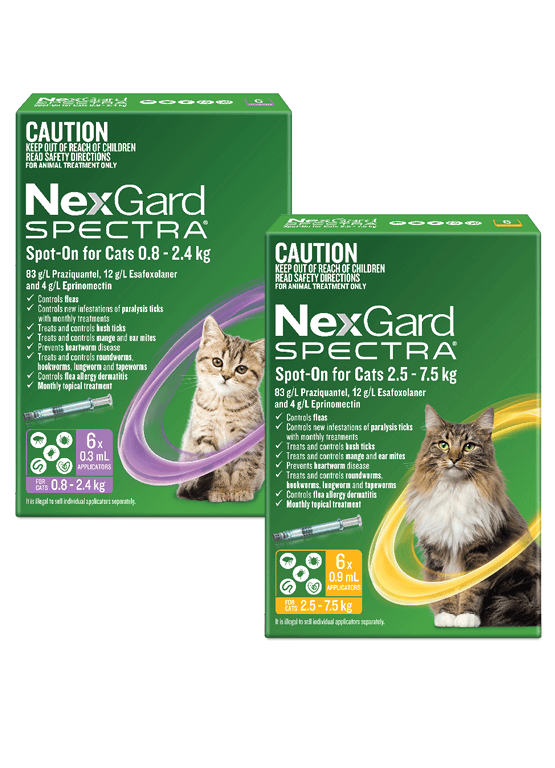
Credit: nexgard.com.au
When To Seek Professional Help
Treating worms in cats can be challenging, especially when symptoms persist or worsen. Understanding when to seek professional help is crucial for your cat’s health. While some mild cases can be managed at home, there are specific situations where a vet’s expertise becomes indispensable.
Severe Symptoms
If your cat exhibits severe symptoms like vomiting, diarrhea, or significant weight loss, professional help is necessary. These signs could indicate a heavy worm infestation or complications. A veterinarian can perform a thorough examination and prescribe medications that effectively tackle the issue.
Recurring Infections
Has your cat been treated for worms, only to have them return? Recurring infections suggest an underlying problem. Maybe your cat’s environment is contributing to the issue, or perhaps the treatment was not fully effective. Consulting a vet can help identify the root cause and provide a tailored solution.
Young Or Elderly Cats
Young kittens and elderly cats are more vulnerable to worm infestations. Their immune systems are not as robust, making them susceptible to severe complications. If you notice any unusual symptoms in cats within these age groups, it’s wise to seek professional help promptly.
Have you ever faced a similar situation with your pet? Sometimes, a vet’s insight can make all the difference. It’s not just about treating the worms; it’s about ensuring your cat lives a healthy, happy life. What steps will you take to safeguard your furry friend?
Frequently Asked Questions
How Can I Treat My Cat For Worms At Home?
To treat your cat for worms at home, use vet-recommended deworming medications. Ensure proper dosage based on weight. Maintain hygiene by cleaning litter boxes daily. Regularly wash bedding and toys. Consult a vet for advice on specific worm types and prevention.
Can I Deworm My Cat Without Going To The Vet?
Yes, you can deworm your cat at home using over-the-counter medications. Always follow dosage instructions carefully. Consult a vet if unsure about the product or if symptoms persist. Regular vet check-ups are recommended to ensure your cat’s health and proper treatment.
Can I Touch My Cat If It Has Worms?
Yes, you can touch your cat with worms, but wash your hands thoroughly afterward. Worms can be contagious, so it’s wise to maintain hygiene. Regular vet check-ups and proper treatment ensure your cat stays healthy. Keep your environment clean to prevent the spread of parasites.
Do I Need To Disinfect My House If My Cat Has Worms?
Yes, disinfect areas your cat frequents. Clean litter boxes, bedding, and surfaces to prevent worm spread and re-infestation. Regularly vacuum carpets and wash your hands after handling your cat. Use pet-safe disinfectants for effective cleaning.
Conclusion
Treating worms in cats is crucial for their health. Regular vet visits help detect worms early. Use prescribed medications for effective treatment. Clean your cat’s environment to prevent reinfection. Always follow the vet’s advice for dosages. Keep your cat’s litter box clean.
Maintain good hygiene to protect your family. Consider regular deworming as a preventive measure. A healthy diet strengthens your cat’s immune system. Remember, a worm-free cat is a happy cat. Take action today for your furry friend’s well-being. Your cat deserves the best care.