
Are you worried about your furry friend’s health? If your beloved cat has been diagnosed with kidney failure, you’re likely feeling overwhelmed and searching for answers.
You are not alone. Many cat owners face this challenge, and understanding how to treat kidney failure can make a world of difference for your pet’s quality of life. You’ll uncover practical, effective strategies to manage this condition and ensure your cat’s well-being.
Stick with us, and you’ll discover essential tips that can ease your mind and help your cat thrive despite the diagnosis. Your journey towards providing the best care starts here.

Credit: www.greensboroughvets.com.au
Recognizing Kidney Failure Symptoms
Understanding kidney failure symptoms in cats is crucial for early intervention. Cats often hide their discomfort, making it harder to spot health issues. Early detection can lead to better management and improved quality of life.
Behavioral Changes
Watch for sudden shifts in your cat’s behavior. They might become less social or hide more often. A cat with kidney problems may sleep more than usual. Notice if they’re reluctant to use the litter box. Increased urination or accidents can signal trouble.
Pay attention to changes in their eating habits. A decrease in appetite is common. They might refuse food they previously enjoyed. Some cats become picky eaters. Drinking more water than usual is another red flag.
Physical Indicators
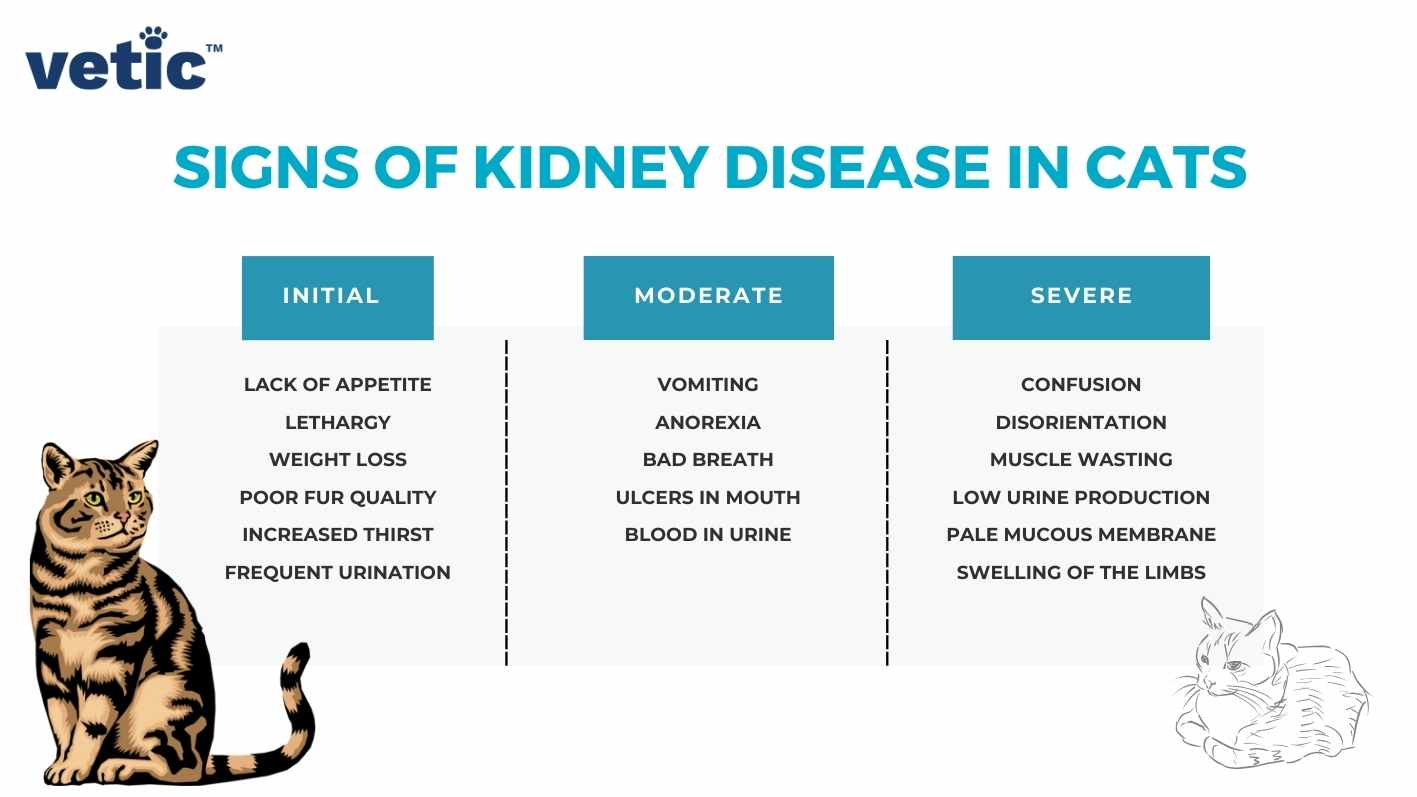
Physical signs can be subtle but telling. Weight loss is often seen in cats with kidney issues. Their coat may become dull and lack shine. You might notice bad breath or ulcers in their mouth.
Vomiting and diarrhea are symptoms to watch for. Your cat might seem weak or lethargic. Observe any swelling or puffiness. This can indicate fluid retention. Anemia may cause pale gums. Check your cat’s eyes for changes.
Regular vet check-ups are essential. Blood tests can reveal kidney function issues. Early detection can make a significant difference. Keep an eye on these symptoms to protect your cat’s health.
Credit: vetic.in
Consulting A Veterinarian
Consulting a veterinarian ensures proper treatment for kidney failure in cats. Identifying symptoms early can prevent complications. Regular check-ups and prescribed medications help manage the condition effectively.
Caring for a cat with kidney failure can be overwhelming. Consulting a veterinarian is crucial. They provide guidance tailored to your cat’s needs. Early intervention can make a big difference in managing the condition. A vet’s expertise is invaluable in diagnosing and treating kidney failure.Importance Of Professional Diagnosis
A professional diagnosis is essential for accurate treatment. Vets use specialized tests to determine kidney function. They evaluate symptoms and assess overall health. This helps in crafting a suitable treatment plan. Without professional diagnosis, treatment might not address the root problem. Misdiagnosis can lead to ineffective care. Always rely on a vet’s expertise.Preparing For The Visit
Preparation is key for a successful vet visit. Gather all relevant medical records. Note any symptoms your cat displays. Be ready to discuss your cat’s diet and behavior changes. This information helps the vet in making an informed diagnosis. Ask questions about your cat’s condition. Clear communication ensures better understanding and care. Bring comfort items for your cat. Familiar items can reduce stress during the visit. `Dietary Adjustments
Dietary adjustments play a crucial role in managing kidney failure in cats. Proper nutrition can slow disease progression and improve quality of life. Tailoring your cat’s diet to its specific needs is vital. This ensures they receive the right balance of nutrients. Let’s explore what dietary changes can help your feline friend.
Nutritional Needs
Cats with kidney failure require specific nutrients. Reduced protein intake can lessen kidney workload. However, proteins must be high-quality. This ensures essential amino acids are available. Phosphorus should be limited. High phosphorus levels can worsen kidney damage. Increased omega-3 fatty acids can support kidney health. Hydration is crucial. Wet foods or added water to dry foods can help maintain fluid balance.
Recommended Foods
Several commercially available diets cater to renal health. These diets offer balanced nutrition with reduced protein and phosphorus. Prescription diets from veterinarians are highly effective. They are specially formulated for cats with kidney issues. Homemade diets can be an option. Ensure you consult a vet nutritionist first. Fresh, cooked meats like chicken can be beneficial. Avoid fish, as it may contain high phosphorus levels. Adding pumpkin or sweet potato can provide fiber and nutrients. Ensure any dietary changes are gradual. This helps your cat adjust and prevents digestive upset.
Medication And Treatments
Kidney failure in cats is a serious condition. It requires immediate attention and appropriate treatment. Proper medication and treatments can improve your cat’s quality of life. Below, learn about prescribed medications and fluid therapy for cats with kidney issues.
Prescribed Medications
Medications play a crucial role in managing kidney failure. Veterinarians often prescribe drugs to help control symptoms. These may include blood pressure medications and phosphate binders. Phosphate binders reduce phosphorus levels in the blood. This helps protect kidney function. Anti-nausea medications may also be prescribed. They reduce vomiting and increase appetite in your cat. Every cat is different, so medication plans vary. It is important to follow your vet’s advice closely.
Fluid Therapy
Fluid therapy is essential for cats with kidney failure. It helps maintain hydration and supports kidney function. Dehydration is common in cats with kidney issues. Fluid therapy combats this problem effectively. Your vet might suggest subcutaneous fluids. These are administered under the skin and absorbed slowly. This process is simple and can be done at home with guidance. Regular fluid therapy can greatly improve your cat’s comfort and health. It ensures your cat stays hydrated and supports their kidneys.
At-home Care Strategies
Caring for a cat with kidney failure can be challenging. Providing at-home care helps improve their quality of life. It involves monitoring hydration, ensuring comfort, and adjusting their living space. Let’s explore some effective strategies.
Monitoring Hydration
Hydration is vital for cats with kidney issues. Always ensure fresh water is available. Use multiple water bowls around the house. Cats prefer drinking from clean, full bowls. Consider a pet water fountain. Moving water can encourage cats to drink more.
Monitor their water intake closely. Note any changes in drinking habits. Dehydration can worsen kidney problems. If your cat shows signs of dehydration, consult a vet. They may recommend subcutaneous fluids. Administering fluids at home can help maintain hydration levels.
Creating A Comfortable Environment
Comfort is crucial for cats with kidney failure. Create a quiet, stress-free space for them. Limit noise and disturbances. Provide a warm, soft bed. Cats with kidney issues often seek warmth.
Ensure easy access to litter boxes. Place boxes on every floor of the house. This reduces the need for climbing stairs. Keep their space clean and odor-free. A calm environment aids in their well-being.
Monitor their behavior for signs of discomfort. Adjust their surroundings as needed. Small changes can make a big difference. Prioritize their comfort and peace.

Credit: www.boehringer-ingelheim.com
Preventive Measures
Kidney failure in cats is a serious condition. Taking preventive steps can help. Many cats suffer from this ailment. So, it’s important to know how to prevent it. These measures can prolong your cat’s healthy life. Let’s explore some key preventive strategies.
Regular Vet Check-ups
Schedule regular vet visits for your cat. These check-ups can detect early signs of kidney issues. A vet can run tests to check kidney function. Early detection can lead to better management. It can also improve your cat’s quality of life.
Healthy Lifestyle Choices
Ensure your cat follows a healthy diet. Choose high-quality cat food with balanced nutrients. Fresh water should always be available. Keep your cat active. Regular playtime can boost their overall health. Limit stress in your cat’s environment. Stress can impact their health negatively. Create a calm and safe space for them.
Understanding Prognosis
Kidney failure in cats can be challenging for pet owners. Understanding the prognosis helps set realistic expectations. It also guides in planning long-term care. The prognosis varies with each cat. Factors such as age, overall health, and the stage of kidney failure play a role.
Early diagnosis often improves the outlook. Cats with early-stage kidney failure can live a longer life. Regular check-ups and monitoring are crucial. They ensure timely interventions to manage the condition.
Long-term Management
Long-term management of kidney failure requires commitment. Dietary changes can help slow disease progression. Special renal diets are often recommended. They contain lower protein and phosphorus levels.
Fluids might be necessary to prevent dehydration. Subcutaneous fluids can be administered at home. It keeps your cat hydrated and more comfortable. Regular veterinary visits are essential. They monitor your cat’s kidney function and overall health.
Quality Of Life Considerations
Maintaining quality of life is a priority. Cats with kidney failure may experience lethargy and loss of appetite. Encourage your cat to eat with tasty treats. Warm the food to enhance aroma and appeal.
Provide a stress-free environment. Comfortable resting areas can improve your cat’s well-being. Gentle playtime and interaction also help. Monitor your cat’s behavior and consult your vet for pain management options.
Frequently Asked Questions
How To Help A Cat With Kidney Disease At Home?
Provide fresh water and renal diet. Monitor hydration and appetite. Administer prescribed medications. Ensure regular vet visits. Offer a calm environment.
How Fast Can Kidney Disease Progress In Cats?
Kidney disease in cats can progress rapidly or slowly, depending on the underlying cause and treatment. Early detection and proper care are crucial. Regular vet check-ups help monitor and manage the disease effectively. Always provide fresh water and a balanced diet to support kidney health.
Can Kidney Disease In Cats Be Treated?
Yes, kidney disease in cats can be managed with proper treatment. Early diagnosis improves treatment effectiveness. Treatments include dietary changes, medications, and fluid therapy. Regular veterinary check-ups are essential. Always follow your vet’s advice for the best outcomes.
Can Kidney Disease In Cats Cause Diarrhea?
Yes, kidney disease in cats can cause diarrhea. It disrupts their digestive system and affects nutrient absorption. Symptoms like vomiting, weight loss, and lethargy may accompany diarrhea. Early diagnosis and treatment are crucial for managing kidney disease and improving your cat’s quality of life.
Consult a veterinarian for proper guidance.
Conclusion
Treating kidney failure in cats requires care and patience. Consult your vet for guidance. Early diagnosis can improve your cat’s quality of life. Ensure they get a balanced diet. Hydration is crucial, so provide fresh water. Medications may be necessary.
Regular check-ups help monitor progress. Keep stress levels low for your feline friend. Create a comfortable environment for them. Support their health with gentle exercise. Love and attention can make a big difference. Remember, every small step counts toward their well-being.
Your cat’s happiness is the ultimate goal.