When your furry friend isn’t feeling their best, you naturally want to help them get back to their playful selves. Diarrhea in cats can be concerning, leaving you wondering what steps to take to ensure their health and comfort.
You’re not alone in facing this issue, and understanding how to treat diarrhea effectively can make all the difference in your cat’s recovery. This guide is designed to provide you with straightforward, actionable advice on how to manage and treat diarrhea in cats.
Discover the essential tips and tricks that will not only help your cat feel better but also give you peace of mind. Read on to learn how you can be the hero your cat needs right now.
Credit: bluepearlvet.com
Causes Of Diarrhea In Cats
Diarrhea in cats can be caused by infections, food changes, or stress. Ensuring hydration and consulting a vet helps.
Diarrhea in cats can be concerning for any pet owner. Understanding the causes is the first step to helping your furry friend feel better. Often, diarrhea is a symptom rather than a disease, and pinpointing the cause can guide effective treatment. Let’s explore some common reasons your cat might be experiencing this uncomfortable condition.Dietary Changes
A sudden change in your cat’s diet can upset their digestive system. This is particularly true if you’ve switched brands or types of food abruptly. Cats have sensitive stomachs, and even introducing new treats can lead to diarrhea. When I first adopted my cat, Luna, I learned this the hard way by offering her a variety of new foods too quickly. Have you recently changed your cat’s diet?Infections And Parasites
Infections and parasites are another common cause of diarrhea in cats. Bacterial and viral infections, as well as parasites like worms, can wreak havoc on your cat’s gut. If your cat frequently roams outdoors, they are at higher risk of picking up these unwanted visitors. Regular vet check-ups and preventative care can help keep these issues at bay. Could your cat have been exposed to any infectious agents recently?Chronic Conditions
Chronic conditions like inflammatory bowel disease or hyperthyroidism can also lead to persistent diarrhea. These health issues require long-term management rather than a quick fix. If your cat’s diarrhea is accompanied by other symptoms such as weight loss or increased thirst, a visit to the vet is crucial. Is it time to investigate deeper health concerns with your vet? Addressing the root cause of diarrhea in cats can lead to a happier, healthier pet. Keep an eye on your cat’s lifestyle and habits to better identify potential causes. Remember, when in doubt, your veterinarian is your best resource for diagnosis and treatment.Symptoms To Watch For
Watch for frequent loose stools and lethargy in cats. These symptoms may indicate diarrhea. Seek veterinary advice for proper treatment.
When your cat is experiencing diarrhea, it can be distressing for both you and your feline friend. Recognizing the symptoms early is key to providing the care they need. By knowing what to look for, you can help ensure a speedy recovery and avoid any potential complications.Signs Of Dehydration
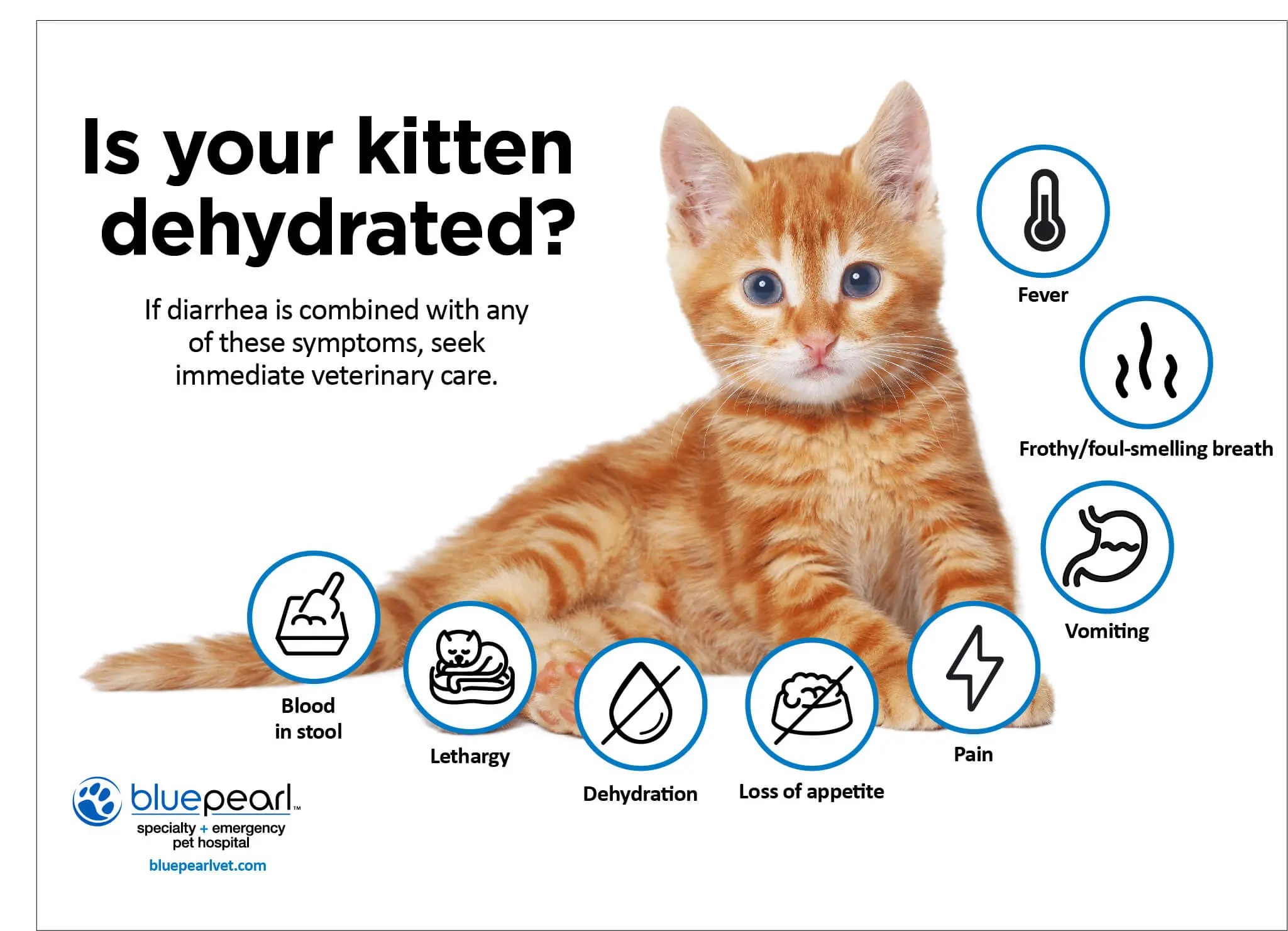
Dehydration is a serious concern when a cat has diarrhea. Cats can lose fluids quickly, making it crucial to recognize the signs early. Check for dry gums; they should be moist to the touch. If you gently pinch the skin between your cat’s shoulders and it doesn’t snap back quickly, this could be a sign of dehydration. You might also notice your cat drinking more water than usual or perhaps less, which can be alarming. In these situations, it’s important to consult your vet promptly.Behavioral Changes
Diarrhea can affect your cat’s behavior. Is your usually playful kitty now lethargic or hiding more than normal? This could be a sign something is wrong. Changes in appetite are also worth noting. If your cat is refusing food or acting particularly ravenous, pay attention. Frequent trips to the litter box with little output or straining can indicate discomfort. Have you ever noticed your cat acting unusually clingy or distant when unwell? This might be their way of communicating distress. Cats often mask pain, so subtle shifts in behavior can be your first clue that they need help. Knowing what to watch for can make all the difference in managing your cat’s health. Have you spotted any of these symptoms in your feline? Don’t hesitate to take action. Your cat relies on you to notice the signs and help them feel better.Immediate Care Steps
Cats with diarrhea need immediate care to prevent dehydration. Ensure they drink enough water. Offer bland food like boiled chicken or rice. Consult a vet if symptoms persist.
Diarrhea in cats can be a distressing experience for both you and your furry friend. When your cat is suffering, immediate care steps are crucial to prevent dehydration and further complications. As a cat owner, you can play a vital role in managing the situation with some simple yet effective actions. Below are some key steps to consider when addressing your cat’s diarrhea.Withholding Food
The first step is to temporarily stop feeding your cat. This might sound harsh, but giving your cat’s digestive system a rest can be beneficial. Generally, withholding food for 12-24 hours is recommended. This pause allows any irritants to pass through their system without adding new stressors. Take this time to observe your cat’s behavior. Are they lethargic, or are they still somewhat active? Monitoring these signs can help you determine if a vet visit is necessary. However, if your cat is a kitten, pregnant, or has other health issues, consult your vet before withholding food.Ensuring Hydration
Keeping your cat hydrated is essential during this time. Diarrhea can lead to significant fluid loss, which can cause dehydration quickly. Offer fresh water frequently, ensuring your cat has easy access to it. You might notice your cat isn’t interested in drinking water. Try encouraging hydration by using a cat water fountain or adding a bit of tuna juice to their water. Another option is to offer an electrolyte solution designed for pets, which can help replenish lost minerals. Have you ever tried giving your cat ice cubes to lick? It’s a creative way to encourage fluid intake. Cats often find the coolness intriguing, and it can subtly increase their water consumption. What other tricks have you found effective for keeping your cat hydrated? By focusing on these immediate care steps, you can help your cat feel better faster and reduce the risk of complications. Remember, your cat relies on you to make informed decisions about their health. Be observant and proactive, and when in doubt, always reach out to your vet for guidance.When To Contact A Vet
When your cat is experiencing diarrhea, it’s crucial to know when to contact a vet. You might wonder if your furry friend needs professional help or if home remedies can suffice. This decision can be challenging, but understanding specific signs will empower you to act wisely.
Persistent Symptoms
Diarrhea that lasts more than 24 hours should raise a red flag. You should monitor if your cat’s condition shows no improvement or even worsens. Remember, prolonged diarrhea can lead to dehydration, affecting your cat’s overall health.
Have you noticed your cat behaving lethargically or losing weight? These symptoms, combined with persistent diarrhea, demand veterinary attention. Your vet can perform necessary tests to determine the underlying cause.
Severe Cases
If your cat shows signs of severe distress, it’s time to contact the vet immediately. Symptoms like vomiting, blood in stool, or extreme weakness are alarming. These could indicate serious health issues requiring prompt intervention.
Think about how you would feel if you were in your cat’s shoes. Would you wait it out, or seek help? Severe symptoms aren’t just uncomfortable; they could be life-threatening if not addressed quickly.
Have you ever faced a situation where your instinct told you something was wrong? Trust your gut when it comes to your pet’s health. If your cat’s condition seems severe, don’t hesitate to reach out for professional help.
Knowing when to contact a vet can make all the difference in your cat’s recovery. Stay observant and proactive. Your cat relies on you to make informed decisions about their health. Are you ready to take action when needed?
Dietary Adjustments
Dietary adjustments are crucial for cats suffering from diarrhea. A change in diet can help soothe their stomachs and restore balance. Correct dietary choices ease discomfort and promote recovery. Let’s explore how specific changes in diet can help your feline friend.
Bland Diet Options
Bland diets are gentle on a cat’s stomach. Boiled chicken is a popular choice. It provides protein without irritating the gut. Rice can be added for extra energy and fiber. Pumpkin is another excellent choice. It helps firm up stools and is easy to digest. Serve these foods plain. Avoid spices and sauces that could upset the stomach.
Probiotic Supplements
Probiotics support healthy gut bacteria. They improve digestion and help firm stools. Available in powder or capsule form, they can be mixed with food. Choose probiotics designed for cats. They ensure your pet receives the right strains. Consult your vet for advice on dosage and brand selection. Regular use promotes long-term gut health.
Credit: seyhoun.academy
Home Remedies
Caring for a cat with diarrhea involves simple home remedies. Offer bland food like boiled chicken and rice. Ensure fresh, clean water is available to prevent dehydration.
Dealing with a cat’s diarrhea can be a stressful experience, but there are several effective home remedies you can try. These remedies can help soothe your cat’s digestive system and bring some much-needed relief. Remember, it’s always best to consult with your vet before trying any home treatment, especially if the symptoms persist. However, with the right approach, you can often manage mild cases of diarrhea at home.Pumpkin For Fiber
Many cat owners swear by pumpkin as a natural remedy for diarrhea. Its high fiber content can help firm up your cat’s stools and normalize bowel movements. You might be surprised to learn that a simple addition of canned pumpkin to your cat’s diet can make a big difference. Just add a small spoonful of plain, unsweetened pumpkin to your cat’s food. Make sure it’s not the pumpkin pie filling, as that contains spices and sugars. The natural fiber in pumpkin helps absorb excess water in the intestines, reducing diarrhea. Have you tried this yet? It’s worth a shot!Herbal Solutions
Certain herbs can also help soothe your cat’s upset stomach. Chamomile and slippery elm are two popular choices. Chamomile has calming properties that can reduce inflammation in the digestive tract, which may ease diarrhea. You can brew chamomile tea and let it cool before offering it to your cat. Slippery elm, on the other hand, coats the stomach lining, providing relief from irritation. You can mix a small amount of slippery elm powder into your cat’s food or water. These herbal remedies can be a gentle way to help your cat feel better. Have you ever considered trying them? They might just be the solution you’re looking for. Taking a natural approach with home remedies can be both comforting and effective. But always keep an eye on your cat’s condition and consult a vet if things don’t improve. Is there a remedy you’ve had success with? Share your experiences in the comments!Medications For Diarrhea
Dealing with a cat suffering from diarrhea can be stressful. Medications often provide relief. Understanding options helps pet owners make informed decisions. Both prescription and over-the-counter treatments offer solutions. Choosing the right medication depends on the severity and cause of the diarrhea. Always consult a veterinarian before administering any medication.
Prescription Treatments
Veterinarians may prescribe medications for severe diarrhea cases. Antibiotics treat bacterial infections causing diarrhea. Metronidazole is a common choice. It reduces inflammation and kills bacteria. Probiotics are also prescribed. They help restore healthy gut bacteria. Prescription diets may accompany these treatments. Special diets ease digestion. They support the healing process.
Over-the-counter Options
Some over-the-counter medications help manage mild diarrhea. Probiotic supplements are available without a prescription. They support digestive health. Pumpkin puree is another option. It adds fiber and soothes the digestive tract. Pet stores offer electrolyte solutions too. These help prevent dehydration. Always check with a vet before giving any over-the-counter product. Safety is crucial.
Preventing Future Incidents
Proper hydration and balanced diet help prevent diarrhea in cats. Regular vet check-ups catch issues early. Clean environment and stress management also keep cats healthy, reducing future incidents of diarrhea.
Preventing future incidents of diarrhea in cats is crucial to ensure their health and happiness. While one-off episodes might not be alarming, frequent occurrences can be a sign of underlying issues. By implementing preventive measures, you can help your feline friend lead a more comfortable and healthy life.Regular Vet Checkups
Scheduling regular vet checkups is one of the most effective ways to prevent diarrhea. These visits help detect early signs of health issues before they escalate. During these checkups, discuss any dietary changes and monitor your cat’s weight and overall health. If you notice unusual behavior or bowel movements, mention it to the vet. Personal experience taught me that a proactive approach with vet consultations often leads to peace of mind and a happy cat. Have you scheduled your cat’s next appointment yet?Stable Diet Practices
Maintaining a stable diet is key to preventing diarrhea in cats. Avoid sudden changes in their food, as this can upset their digestive system. Stick to high-quality cat food brands and ensure they contain essential nutrients. Monitor portion sizes to prevent overeating, which can lead to digestive distress. Consider having a feeding schedule and be consistent with it. Once, I tried switching my cat’s food abruptly, thinking it would be a nice change. The result? A messy and worried week!By focusing on these preventive measures, you can reduce the chances of diarrhea and promote a healthier lifestyle for your cat.
Monitoring Your Cat’s Health
Monitoring your cat’s health is crucial when dealing with diarrhea. Timely observation helps in identifying the root cause. It ensures your cat receives proper care and treatment. Regular monitoring also aids in preventing future health issues. Here’s how you can effectively track and maintain your cat’s health.
Tracking Symptoms
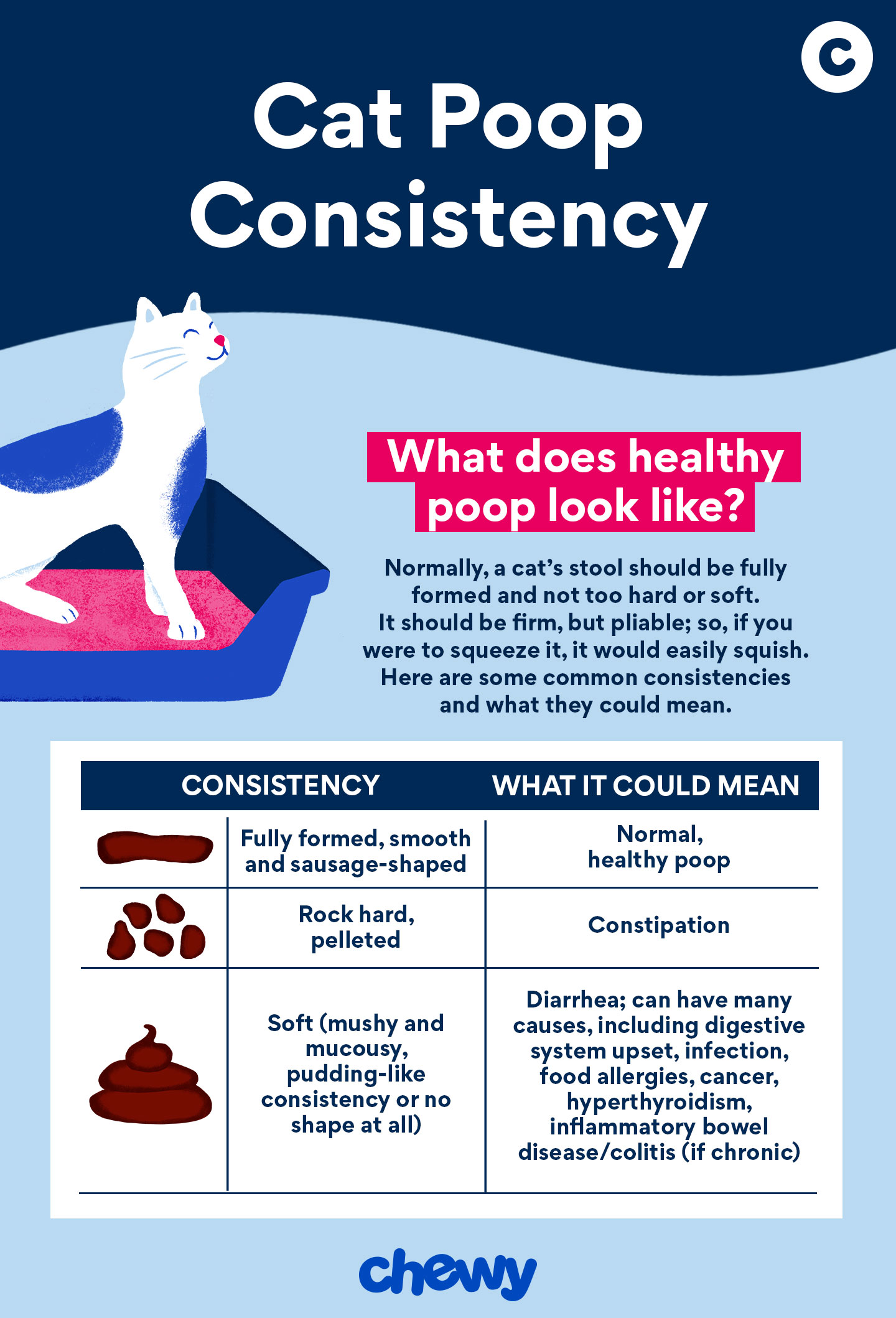
Begin by observing your cat’s behavior. Notice any changes in eating habits. Keep an eye on their energy levels. Check the litter box for consistency and frequency. Frequent diarrhea or unusual stool color indicates a problem. Pay attention to any signs of discomfort. Vocalization or hiding could be a symptom. Monitor their hydration levels closely. Dehydration is a serious concern with diarrhea.
Maintaining A Health Diary
Documenting your cat’s health is helpful. A health diary is a simple tool. Record changes in diet and behavior. Note the frequency of diarrhea episodes. Include details about stool consistency. Track any medications given. Write down vet appointments and advice. This diary helps your vet in diagnosis. It provides a comprehensive health overview. A health diary can highlight trends and patterns. Regular updates make it a valuable resource.
Credit: lolahemp.com
Frequently Asked Questions
What Home Remedy Can I Give My Cat For Diarrhea?
Offer plain boiled chicken and rice to soothe your cat’s stomach. Ensure fresh water is always available. Consider adding pumpkin puree for fiber. Consult a vet if diarrhea persists beyond 24 hours.
How Do You Treat Diarrhea In Indoor Cats?
Treat diarrhea in indoor cats by providing a bland diet and ensuring adequate hydration. Consult a vet if symptoms persist. Avoid sudden dietary changes and maintain proper hygiene.
Can Cat Diarrhea Go Away On Its Own?
Cat diarrhea can sometimes resolve on its own, especially if caused by minor dietary issues. If it persists beyond 24 hours or if accompanied by other symptoms, consulting a veterinarian is recommended. Ensure your cat stays hydrated and monitor their condition closely for any changes.
What Is The Most Common Cause Of Diarrhea In Cats?
The most common cause of diarrhea in cats is dietary indiscretion. Cats often eat spoiled food or non-food items. This disrupts their digestive system. Parasites, infections, and food allergies can also cause diarrhea. Consulting a veterinarian is crucial for proper diagnosis and treatment.
Conclusion
Treating diarrhea in cats requires patience and care. Start with simple dietary changes. Try bland foods like boiled chicken. Avoid dairy and rich treats. Keep your cat hydrated. Offer clean water regularly. Monitor your cat closely for changes. If diarrhea persists, consult a vet promptly.
Professional help ensures proper treatment. Remember, a healthy cat is a happy cat. Keep your feline friend comfortable and safe. Stay attentive to their needs. Your love and attention can help them recover quickly. Maintain a clean environment. Prioritize your cat’s health and well-being.