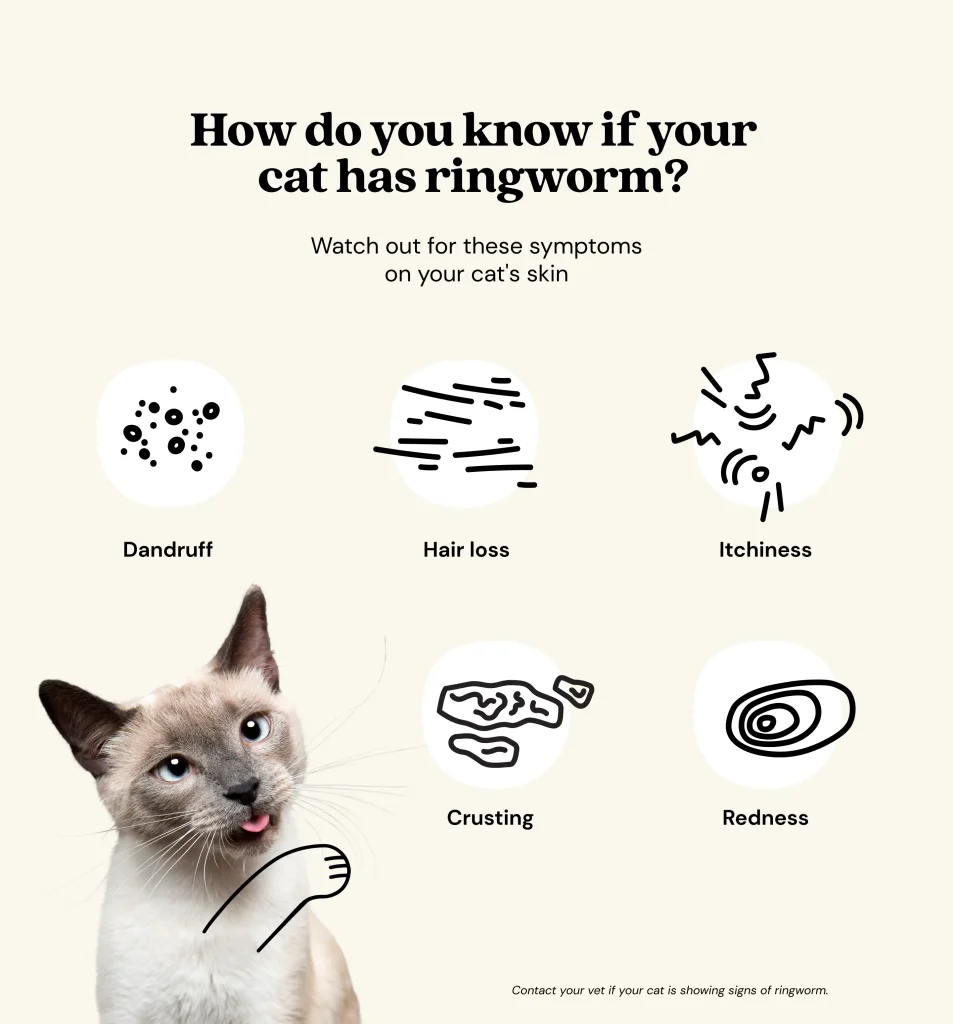
Is your feline friend scratching more than usual? You might be dealing with ringworm, a common yet pesky skin infection in cats.
This condition, though not life-threatening, can be uncomfortable for your pet and a concern for your household. Understanding how to effectively treat ringworm is crucial for your cat’s health and your peace of mind. Imagine the relief of seeing your beloved pet itch-free and back to their playful self, with their fur as soft and healthy as ever.
In this guide, we’ll walk you through practical steps to treat and manage ringworm in cats, ensuring both you and your furry companion can return to a worry-free routine. Are you ready to discover the secrets to soothing your cat’s skin and safeguarding your home? Let’s dive in.
Identifying Ringworm In Cats
Treating ringworm in cats involves a few simple steps. Start by consulting a vet for proper diagnosis. Clean and disinfect the cat’s environment to prevent spreading. Use prescribed antifungal treatments consistently to heal the infection. Regularly check the cat’s skin for improvement and prevent future outbreaks.
Identifying ringworm in cats can be challenging, especially if you’re not familiar with its telltale signs. This fungal infection isn’t caused by worms, as its name might suggest, but rather by fungi that can be quite persistent. Knowing how to spot it early can make a significant difference in your cat’s health and comfort.Symptoms Of Ringworm
Recognizing the symptoms of ringworm is the first step in addressing the issue. Cats with ringworm often exhibit circular patches of hair loss. These patches can sometimes have a red, scaly appearance and may be itchy. You might also notice your cat excessively grooming or scratching these areas. This behavior can lead to further hair loss and possible skin infections. If you observe these symptoms, it’s crucial to take action promptly.Causes And Risk Factors
Ringworm is highly contagious and can be transmitted through direct contact with an infected animal or contaminated objects. Kittens and older cats are more susceptible due to their weaker immune systems. Environments with multiple cats or high stress levels can increase the risk of ringworm spreading. Regularly check your cat’s environment for cleanliness to minimize these risk factors. Have you ever wondered if your cat’s surroundings might be contributing to their health issues?Diagnosis Methods
Getting a proper diagnosis is crucial to effectively treat ringworm. A visit to the vet can confirm if your cat has ringworm through several diagnostic methods. A common method is a Wood’s lamp examination, where the vet uses a special light to detect the presence of the fungus. In some cases, a fungal culture may be performed, where a sample of your cat’s hair or skin is cultured to identify the fungus. Knowing the exact diagnosis helps in choosing the most effective treatment plan for your feline friend. Wouldn’t you agree that peace of mind comes from knowing exactly what you’re dealing with? Early identification and treatment can prevent the spread of ringworm to other pets and even humans in your household. Stay vigilant and proactive in monitoring your cat’s health.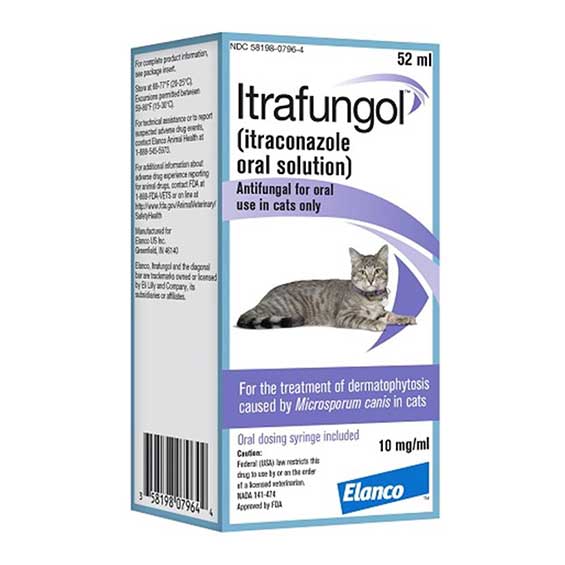
Credit: pureliferx.com
Natural Treatments For Ringworm
Cats can get ringworm, a fungal infection that needs careful attention. Natural treatments include using apple cider vinegar, which helps reduce infection. Applying coconut oil can soothe irritated skin, promoting healing and comfort.
Cats can be prone to ringworm, a pesky fungal infection that’s not only uncomfortable for them but also contagious to humans. While medications are available, some cat owners prefer natural remedies to treat their furry friends. Natural treatments can be effective, safe, and gentle on your pet’s skin. Before diving into these remedies, remember to consult your vet to ensure your cat’s condition is suitable for at-home treatments. Here are a few natural solutions to help your cat combat ringworm.Apple Cider Vinegar Solution
Apple cider vinegar is a versatile household staple that can aid in fighting ringworm. Its acidic properties make it an excellent antifungal agent. Mix equal parts of apple cider vinegar and water in a spray bottle. Gently spray the solution onto the affected areas twice a day. You might notice a reduction in redness and itchiness after a few applications. It’s simple and cost-effective, but ensure your cat doesn’t lick the treated area immediately after application.Coconut Oil Application
Coconut oil is not just for cooking; it’s a natural antifungal treatment as well. Its soothing properties can help alleviate the itching and discomfort caused by ringworm. Warm a small amount of coconut oil in your hands and apply it directly to the infected area. You can do this two to three times a day. The application is straightforward, and your cat might even enjoy the massage! Be sure to monitor your cat, as some may try to lick the oil off.Tea Tree Oil Benefits
Tea tree oil is renowned for its antifungal properties, but it must be used with caution. It can be potent, so always dilute it before use. Mix a few drops of tea tree oil with a carrier oil, like olive oil, and apply it gently to the ringworm patches. Be mindful of the concentration to avoid any irritation or adverse reactions. Tea tree oil can be effective, but it’s crucial to ensure your cat doesn’t ingest it, as it can be toxic in large amounts. Each of these natural treatments can provide relief and promote healing. Have you ever tried a natural remedy for your pet? What worked best for you and your feline friend?Herbal Remedies For Cats
Dealing with ringworm in cats can be a stressful experience, especially when you want to avoid harsh chemicals. Herbal remedies offer a natural alternative that many pet owners find effective. These natural treatments can soothe your cat’s skin and aid in the healing process without causing harm.
Have you ever considered using herbal remedies for your pets? They can be surprisingly effective and gentle on your furry friend’s skin.
Aloe Vera Gel
Aloe vera is widely known for its soothing properties. Applying pure aloe vera gel to the affected areas can help reduce inflammation and itching. Make sure it’s 100% pure without any added chemicals that could irritate your cat’s skin.
Imagine how much more comfortable your cat will feel with the cooling effect of aloe vera. It’s easy to apply and can be done daily until you see improvement.
Turmeric Paste
Turmeric is not just a kitchen spice. It has powerful antifungal properties that can help combat ringworm. Mix turmeric powder with a little water to make a paste and gently apply it to the ringworm patches.
Use an old cloth or gloves to avoid staining your hands. Turmeric’s vibrant color can leave a mark, but its benefits are well worth it for your pet’s health.
Neem Oil Use
Neem oil is another fantastic herbal remedy for ringworm. Its antifungal properties can help eliminate the fungus causing your cat’s discomfort. Dilute neem oil with a carrier oil like coconut oil to avoid skin irritation.
Apply the mixture to the affected areas once or twice daily. Monitor your cat for any adverse reactions, but many pet owners report success with this natural treatment.
Have you tried any of these remedies before? They might just be the solution you’ve been looking for to bring relief to your beloved cat.
Maintaining Cat Hygiene
Maintaining cat hygiene is crucial in treating ringworm effectively. Cats are meticulous groomers, yet sometimes they need extra care. With proper hygiene practices, the spread of ringworm can be minimized. Below are some essential tips to keep your cat clean and healthy.
Regular Grooming Tips
Brush your cat daily to remove loose fur. Use a soft brush to avoid irritation. Bathing your cat weekly helps eliminate fungal spores. Choose a gentle pet shampoo designed for ringworm. Trim your cat’s nails regularly to prevent scratches that could spread infection. Inspect your cat’s skin for any unusual patches or redness.
Effective Cleaning Practices
Clean your cat’s bedding frequently. Wash it in hot water to kill fungus. Vacuum your home daily, especially areas your cat frequents. Use a disinfectant safe for pets to clean surfaces. Keep your cat’s litter box clean. Change the litter often to maintain hygiene.
Importance Of Quarantine
Isolate your infected cat from other pets. This prevents ringworm from spreading. Keep your cat in a separate room. Limit contact with family members. Ensure the room is clean and comfortable. Monitor your cat’s health closely during quarantine. Consult a vet for advice on when to end isolation.
Dietary Considerations
Treating cats for ringworm involves balanced nutrition. A diet rich in essential vitamins and minerals supports healing. Consult a vet for specific dietary needs.
When treating cats for ringworm, diet plays a crucial role. Proper nutrition can boost their immune system. It helps them fight off infections. Ensuring your cat’s diet is balanced is key. Below are important dietary considerations.Nutrient-rich Foods
Include foods rich in vitamins and minerals. Fish and chicken are excellent sources. They provide essential nutrients. Make sure your cat’s food has high-quality protein. This supports muscle health and overall immunity. Look for foods with added vitamins. They enhance skin health and repair.Supplements For Immune Support
Supplements can be beneficial. Consider adding omega-3 fatty acids. They improve skin condition and reduce inflammation. Vitamin E supplements boost the immune system. Consult a vet before adding any supplements. They can guide you based on your cat’s needs.Hydration Importance
Hydration is vital for recovery. Ensure your cat drinks enough water. Wet food can help increase fluid intake. It keeps their skin hydrated. Dehydration can worsen symptoms. Regular water intake supports healing. Provide fresh water daily and monitor consumption.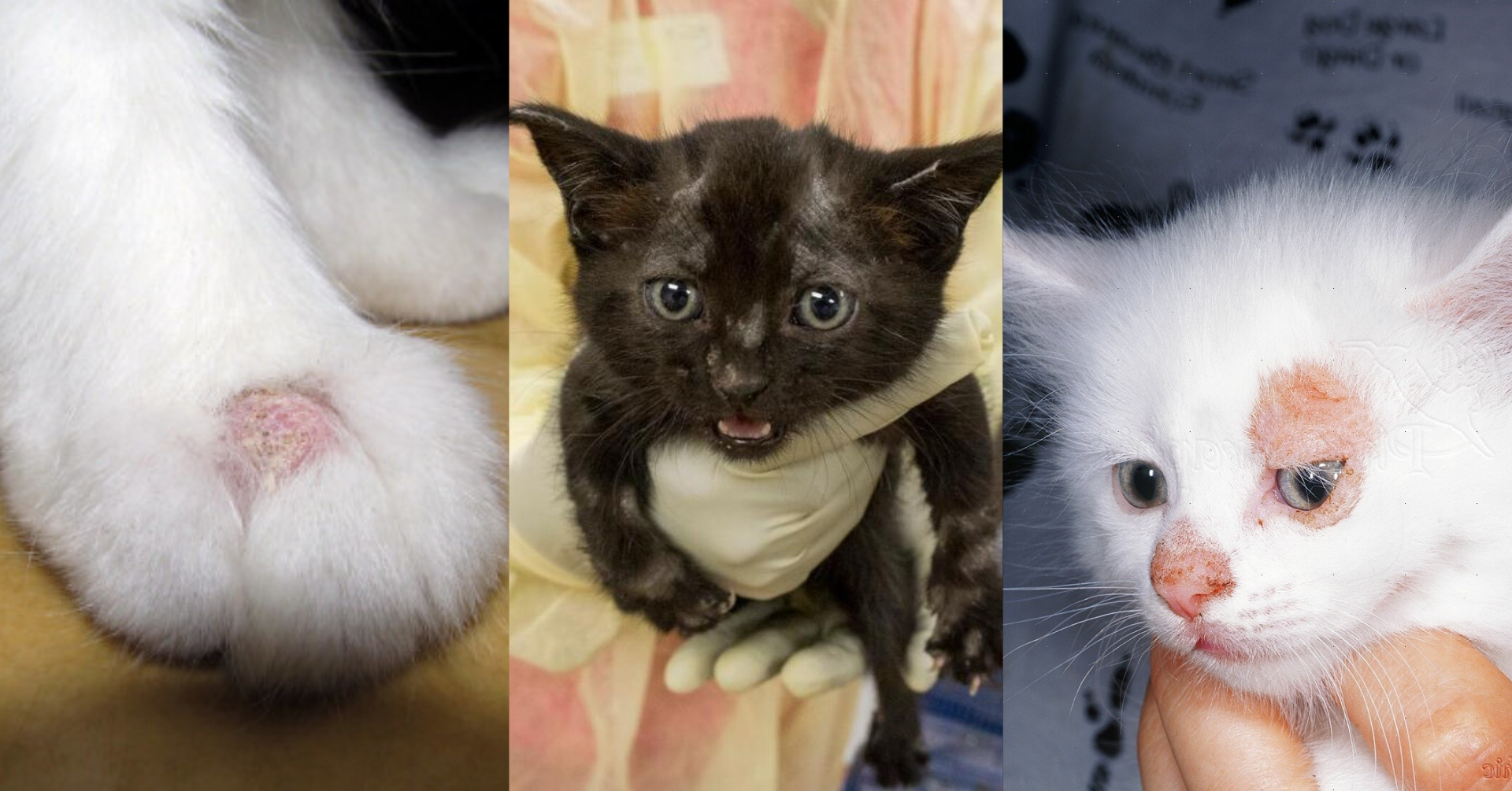
Credit: www.coloradoanimalrescue.org
When To Consult A Veterinarian
Consult a veterinarian promptly for ringworm in cats. Early intervention helps prevent the spread and ensures effective treatment. Symptoms include hair loss and scaly patches on your cat’s skin.
Treating your cat for ringworm can be a straightforward process, but knowing when to consult a veterinarian is crucial. While mild cases can often be managed at home, some situations demand professional attention. Understanding the signs and knowing when to seek help can prevent the infection from worsening and protect both your pet and your family.Signs Of Severe Infection
If your cat’s skin is showing extensive areas of hair loss, redness, or scabbing, it’s time to call the vet. Cats with ringworm often have circular bald patches, but severe cases might look more aggressive and widespread. Notice if your cat is excessively scratching or if you see any pus or open sores—these could indicate a secondary infection that requires immediate veterinary care. Another sign is if your cat becomes lethargic or loses its appetite. Ringworm, although primarily a skin condition, can cause systemic symptoms if left untreated. Trust your instincts; if something feels off, it’s better to err on the side of caution.Professional Treatments Available
Veterinarians have access to treatments that aren’t available over-the-counter. They might prescribe antifungal medications that can be administered orally or topically. In some cases, they may recommend medicated shampoos or dips that are more effective than standard options. These professional treatments can significantly speed up the healing process. During a visit, your vet can also conduct tests to confirm the diagnosis, ensuring that your cat is receiving the appropriate care.Preventive Measures
Prevention is always better than cure. Regularly clean your cat’s environment, including bedding, toys, and grooming tools. This helps to eliminate any fungal spores lingering in your home. Keep your cat away from infected animals to reduce the risk of contracting ringworm again. Another preventive step is maintaining your cat’s overall health through a balanced diet and regular vet check-ups. A healthy immune system can fend off infections more effectively. Have you ever considered how your cleaning routine impacts your cat’s health? Simple changes can make a big difference. By recognizing when to consult a veterinarian, you ensure that your cat receives the best care possible. Always be observant and proactive in managing your pet’s health, and you’ll be well-equipped to handle any ringworm challenges that come your way.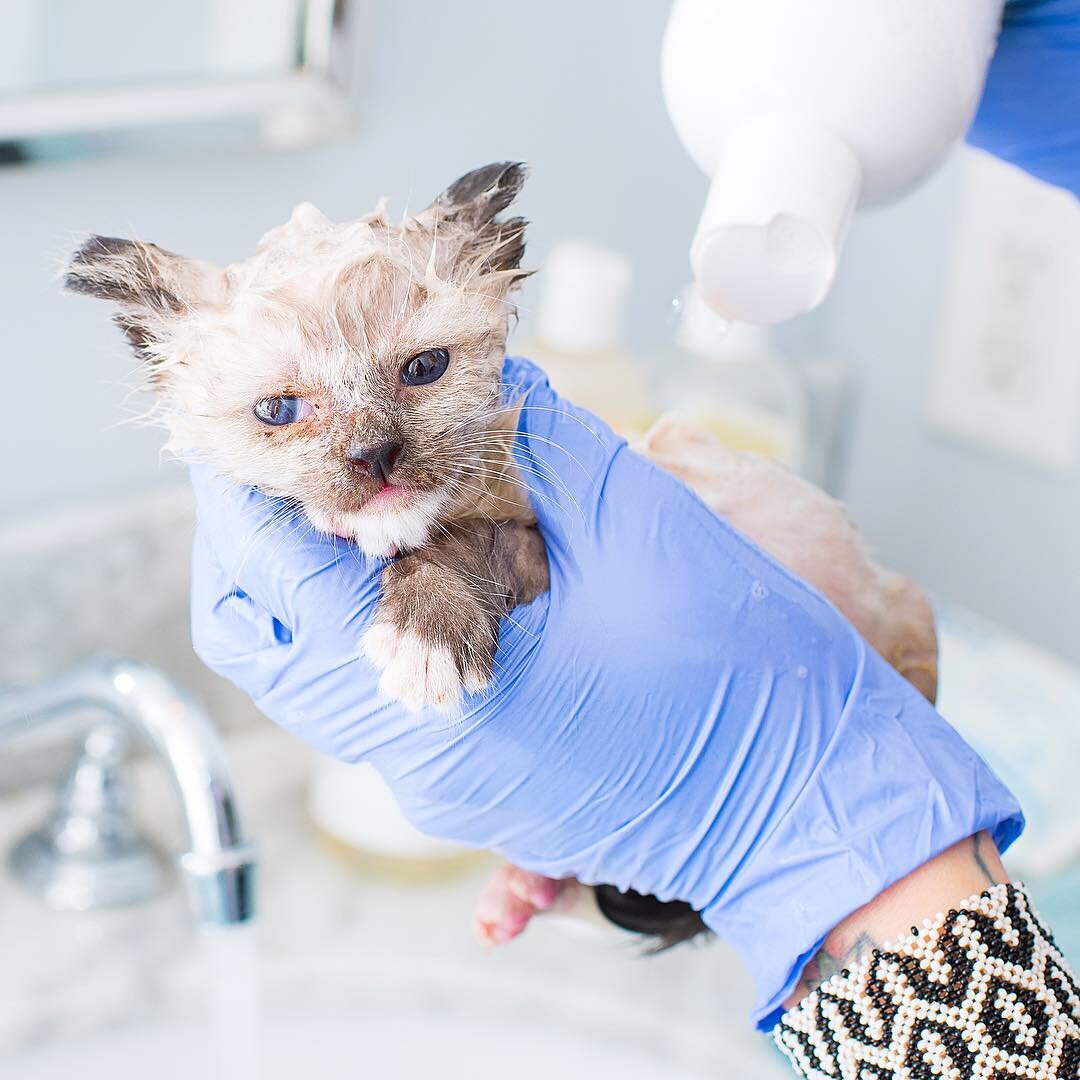
Credit: www.kittenlady.org
Frequently Asked Questions
How Can I Treat Ringworm On My Cat At Home?
Clean the infected area with an antifungal shampoo. Use a topical antifungal cream as recommended by a vet. Ensure your cat stays dry and clean. Wash bedding and toys frequently. Consult your veterinarian for the best treatment plan.
Do I Need To Take My Cat To The Vet For Ringworm?
Yes, take your cat to the vet for ringworm. It’s contagious and needs professional treatment for recovery.
How Contagious Is Ringworm From Cats To Humans?
Ringworm is highly contagious from cats to humans. Direct contact with an infected cat spreads the fungus easily. Always wash hands after touching cats and clean their living areas to prevent transmission. Seek medical advice if you notice symptoms.
What Triggers Ringworm In Cats?
Ringworm in cats is triggered by a fungal infection. It spreads through contact with infected animals, surfaces, or spores. High humidity and poor grooming can increase susceptibility. Young cats and those with weakened immune systems are more vulnerable. Regular cleaning and hygiene help prevent infection.
Conclusion
Caring for a cat with ringworm requires patience and vigilance. Keep the affected area clean. Use prescribed medication consistently. It’s crucial to wash your hands after handling your cat. Regularly sanitize your home environment. This helps prevent the spread of infection.
Monitor your cat’s progress closely. Early intervention leads to quicker recovery. Consult with your vet for any concerns. A healthy diet boosts the immune system. Ensure your cat stays hydrated. With proper care, your cat will heal. Remember, a happy cat is a healthy cat.
Always prioritize your pet’s well-being.