When your beloved cat starts showing signs of discomfort, it can be deeply concerning. You might notice them frequently visiting the litter box, straining to urinate, or perhaps vocalizing more than usual.
These could be signs of a urinary tract infection (UTI), a common issue in cats that requires prompt attention. Ignoring these symptoms can lead to more serious health problems, so it’s crucial to know how to act swiftly and effectively.
In this guide, we’ll walk you through the essential steps to identify and treat a UTI in your cat. With the right information and a caring approach, you can help your furry friend feel better and prevent future issues. Read on, because your cat’s comfort and health depend on it.
Recognizing Uti Symptoms In Cats
Identifying UTI symptoms in cats involves observing signs like frequent urination and discomfort. Seeking veterinary help promptly is crucial. Treatment often includes antibiotics and increased water intake to help flush the infection. Early intervention ensures your cat’s speedy recovery and well-being.
Recognizing UTI Symptoms in Cats Understanding the signs of a urinary tract infection (UTI) in your cat can be a game-changer. Cats are known for their stoic nature, often masking discomfort until it’s significant. This makes it crucial for you to be observant and proactive in recognizing subtle changes in their behavior. Early detection can lead to quicker treatment and less stress for both you and your feline friend.Increased Frequency Of Urination
One of the first signs of a UTI in cats is frequent trips to the litter box. Your cat may visit the box multiple times without producing much urine. This can indicate discomfort and the urge to urinate more often. If you notice this pattern, it could be a signal that something is wrong.Straining Or Crying During Urination
Pay attention to your cat’s behavior while urinating. Straining or crying can be a clear symptom of a UTI. Cats may express pain vocally, or you might see them struggling to pass urine. These signs should prompt a quick check-in with your veterinarian to ensure your cat’s health.Blood In Urine
Seeing blood in your cat’s urine is alarming. You might notice pink or red tinges in the litter box. This is a strong indicator of a urinary issue, possibly a UTI, and requires immediate veterinary attention. Keeping an eye on the color of your cat’s urine can help catch this sign early.Excessive Licking Of The Genital Area
Cats often groom themselves, but excessive licking of the genital area may suggest irritation or pain. It’s your cue to observe other symptoms and consult your vet. Your cat’s grooming habits can reveal much about their health, so don’t overlook these changes.Changes In Behavior
Cats with UTIs might show changes in their daily behavior. Have you noticed any signs of irritability or withdrawal? This could be due to discomfort from a UTI. Monitor your cat’s mood and interactions closely, as behavioral changes can often precede physical symptoms. When was the last time you watched your cat’s behavior closely? Recognizing these symptoms can lead to timely intervention and ensure your cat remains happy and healthy. Keep an open line of communication with your vet and never hesitate to ask questions. Your vigilance could be the key to your cat’s speedy recovery.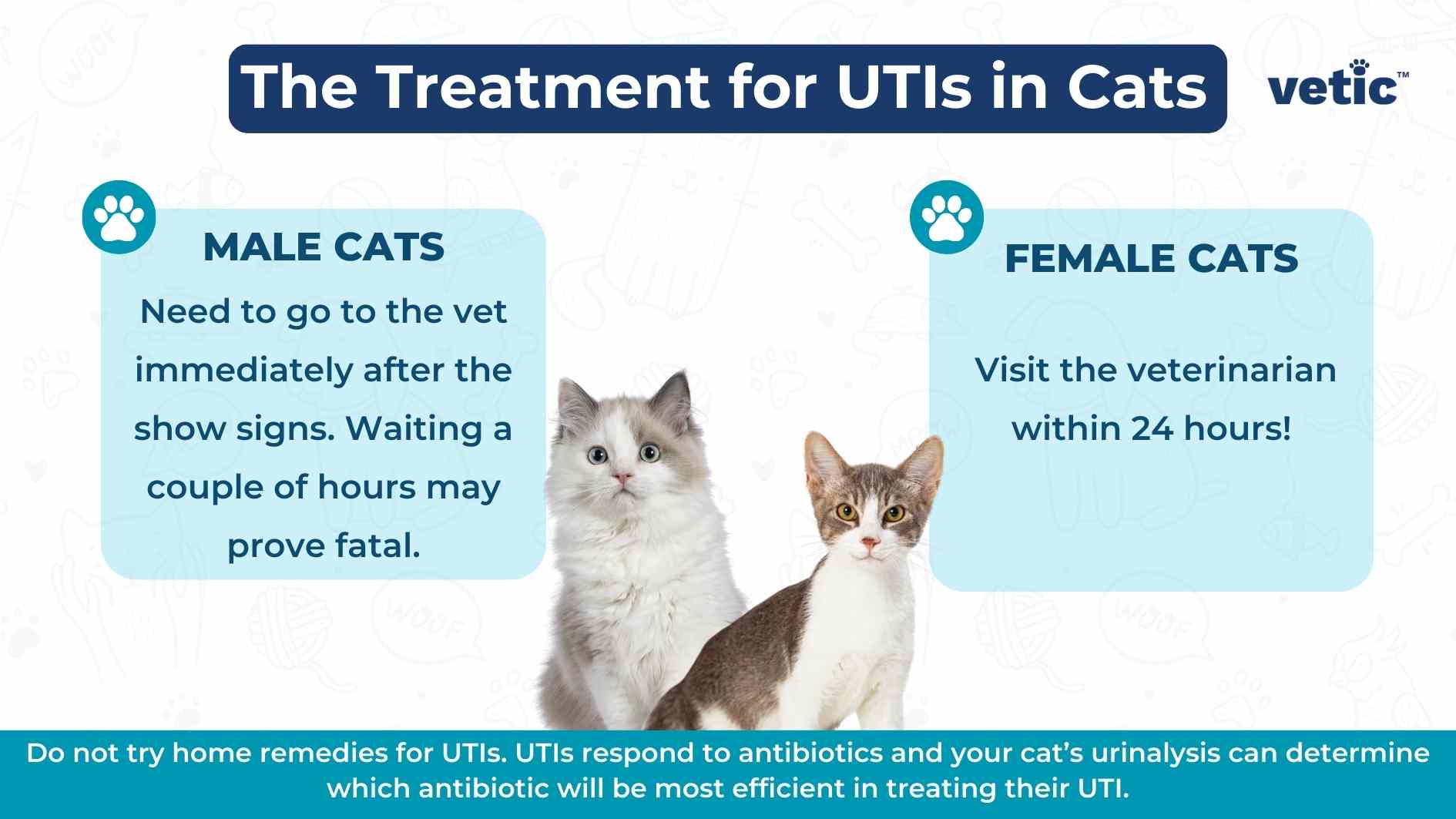
Credit: vetic.in
Consulting A Veterinarian
Seeing a veterinarian is crucial if your cat has a UTI. A UTI in cats can be uncomfortable and, if untreated, may lead to complications. Veterinarians provide the best guidance and treatment options. They ensure your cat receives the care it needs.
Understanding The Symptoms
Recognizing UTI symptoms in cats is important. Symptoms include frequent urination, pain while urinating, and blood in urine. Any changes in urination habits should be noted. These symptoms can help your veterinarian diagnose the issue.
Scheduling The Appointment
Book an appointment with a trusted veterinarian. Explain your cat’s symptoms clearly. This information helps the vet prepare for the visit. A timely appointment can prevent the UTI from worsening.
The Diagnostic Process
During the visit, the vet may conduct a physical exam. They might also perform urine tests. These tests help pinpoint the infection’s cause. Accurate diagnosis ensures effective treatment for your cat.
Discussing Treatment Options
After diagnosis, the vet will recommend treatment options. Antibiotics are common for treating UTIs. Pain relief may also be suggested. Follow the vet’s advice for a successful recovery.
Follow-up Care And Monitoring
After starting treatment, monitor your cat closely. Observe for any improvements or recurring symptoms. Regular follow-ups with the vet may be necessary. This ensures the UTI is fully resolved.
Dietary Adjustments For Prevention
Adjusting a cat’s diet can help prevent urinary tract infections (UTIs). Ensure they drink plenty of water and avoid high-ash content foods. Incorporating wet food can also maintain healthy hydration and support urinary health.
Dietary Adjustments for Prevention Caring for your cat’s urinary health can be as simple as making a few dietary changes. While medications and vet visits are crucial, what your cat eats plays a significant role in preventing urinary tract infections (UTIs). Let’s explore how you can make smart dietary adjustments to keep those pesky UTIs at bay.Hydration Importance
Hydration is vital for your cat’s urinary health. Cats are known to drink less water than they need, which can lead to concentrated urine, increasing the risk of UTIs. Make sure your feline friend has constant access to fresh water. You might wonder, how do you encourage your cat to drink more? One simple trick is to place multiple water bowls around your home. Some cats prefer running water, so consider investing in a cat fountain.Role Of Wet Food
Switching to wet food can be a game changer for preventing UTIs. Wet food has a higher moisture content, helping your cat stay hydrated. It’s an easy way to supplement their water intake. Think about this: if your cat refuses to drink enough water, a diet rich in wet food might be the answer. Look for brands that list meat as the first ingredient. Always check the labels to ensure you’re choosing a high-quality option. So, have you considered how your cat’s diet impacts their health? Making small, thoughtful changes can lead to a happier, healthier cat. Start with these dietary adjustments, and you might just prevent that next UTI.Natural Remedies For Cats
Treating a UTI in cats can involve natural remedies like cranberry supplements and increased water intake. Herbal teas, such as chamomile, may soothe discomfort and support urinary health. Regular monitoring ensures early detection of symptoms, promoting swift recovery.
Natural remedies can aid in treating a UTI in cats. These solutions are gentle and effective. They help soothe symptoms and promote healing. Emphasizing holistic options benefits your feline friend.Herbal Solutions
Herbs have healing properties for urinary tract infections. Cranberry is a popular choice. It helps prevent bacteria from sticking to the bladder walls. Marshmallow root is another beneficial herb. It soothes irritation and reduces inflammation. Uva ursi can also be helpful. It acts as a natural antiseptic. Consult a vet before introducing herbs to your cat’s diet. Proper guidance ensures safe usage.Probiotics Benefits
Probiotics support a cat’s urinary health. They balance gut bacteria, which boosts immunity. A healthy gut can help fight infections. Plain yogurt contains live cultures. It’s an easy way to give probiotics to your cat. Probiotic supplements are also available. They come in powders or capsules. Choose products specifically for cats. Maintaining a balanced microbiome is crucial for health.Maintaining A Clean Environment
Ensure your cat’s health by maintaining a clean environment. Clean litter boxes regularly to prevent UTIs. Provide fresh water and a balanced diet to support urinary health.
Maintaining a clean environment is crucial when treating a UTI in your cat. An unclean space can exacerbate the problem, making recovery slow and painful for your furry friend. Focusing on litter box hygiene and reducing stress factors can make a significant difference. Let’s dive into these practical steps.Litter Box Hygiene
The litter box is ground zero for potential infections. A dirty litter box can promote bacterial growth, which might worsen your cat’s UTI. Regular cleaning is key. Aim to scoop waste twice a day. Consider using a non-scented litter. Strong smells can be off-putting for cats, leading them to avoid the litter box. This could cause them to hold in urine, increasing the risk of infection. Think about your litter box placement. It should be easily accessible and not in a noisy or high-traffic area. This will encourage your cat to use it regularly, reducing the chance of bacteria build-up.Reducing Stress Factors
Stress can weaken your cat’s immune system, making them more susceptible to infections. Cats are creatures of habit, and changes can be unsettling. Keep their routine as consistent as possible. Engage your cat with toys and interactive play. This not only reduces stress but also keeps them active, promoting overall health. Do you have multiple pets? Ensure each one has their space. A crowded environment can be stressful for your cat. A calm and peaceful atmosphere aids recovery. What steps will you take today to improve your cat’s environment? Simple changes can lead to a healthier, happier pet. Your efforts can make all the difference in treating a UTI effectively.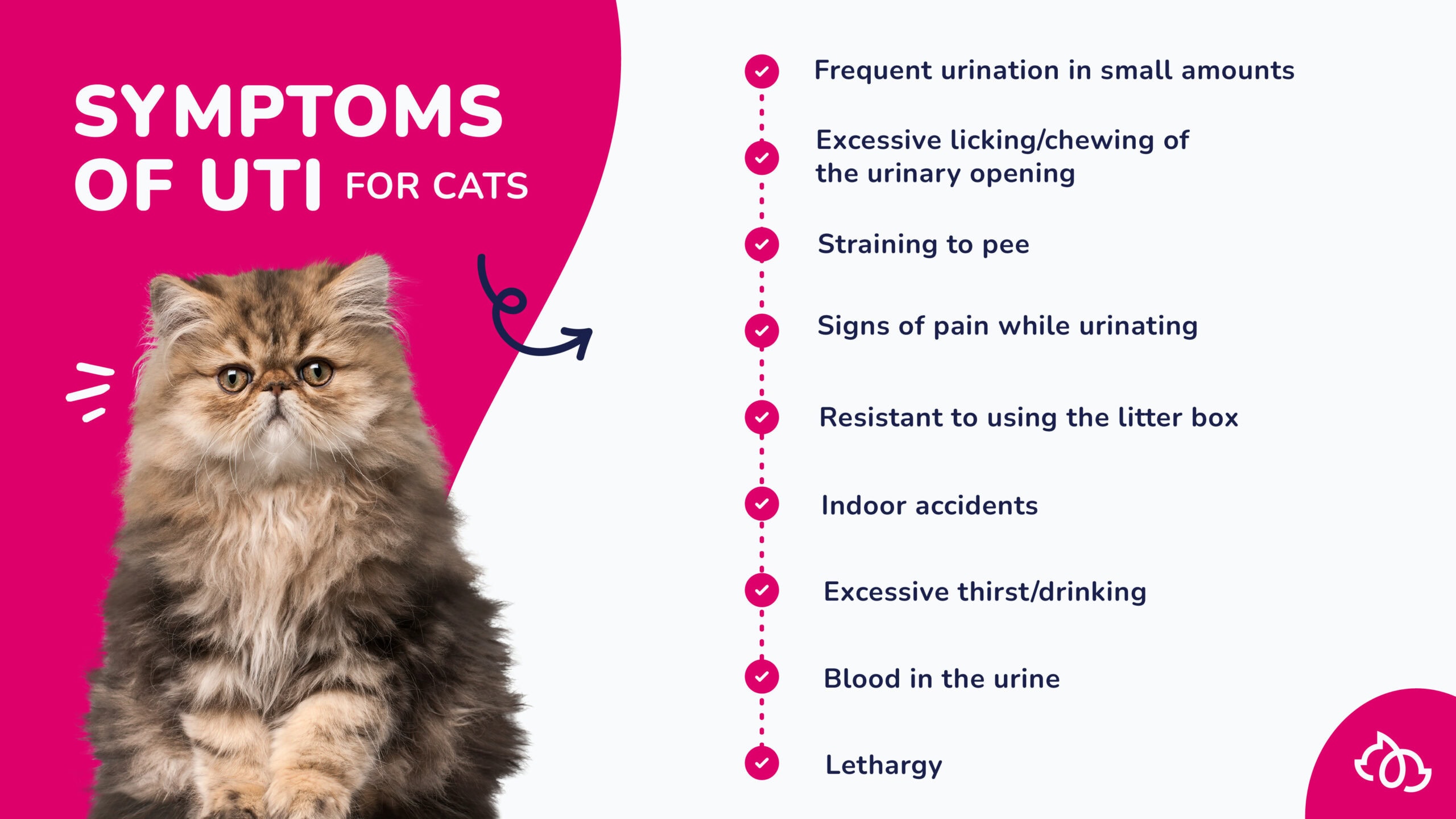
Credit: thevets.com
Monitoring Your Cat’s Health
Treating a cat’s UTI involves ensuring fresh water is always available. Regular vet check-ups help in early detection. Providing a balanced diet supports urinary health.
Monitoring your cat’s health is crucial, especially when dealing with a urinary tract infection (UTI). Cats are masters at hiding discomfort, making it essential for you to be vigilant. By observing your cat’s behavior and keeping up with regular vet visits, you can catch issues early and ensure your feline friend stays healthy and happy.Behavioral Changes
Cats often show subtle signs of illness through their behavior. Have you noticed your cat visiting the litter box more frequently? Or perhaps your cat is avoiding it altogether? These could be signs of a UTI. Pay attention to any changes in your cat’s grooming habits. A cat in discomfort might groom less or excessively clean the genital area. Also, listen for unusual vocalizations such as crying or yowling, which can indicate pain. Changes in appetite or mood are also red flags. If your once-sociable kitty is suddenly hiding or showing aggression, it’s time to investigate further. Trust your instincts; you know your cat best.Regular Check-ups
Regular vet visits are vital for maintaining your cat’s health. How often do you take your cat for a check-up? Even if your cat seems healthy, annual or bi-annual vet visits are essential for early detection of potential issues like UTIs. During these visits, your vet can perform routine tests to check for signs of infection. They can also provide advice on diet and hydration, which are key to preventing UTIs. Remember, a quick visit now can save your cat from discomfort and more complex treatments later. Have you scheduled your next vet appointment yet? Monitoring your cat’s health doesn’t have to be daunting. By staying alert to behavioral changes and keeping up with regular vet visits, you can ensure your furry friend stays in tip-top shape. Your attentive care makes all the difference.
Credit: heartstringspethospice.com
Frequently Asked Questions
How Can I Treat My Cat’s Uti At Home?
Encourage your cat to drink more water to flush out bacteria. Offer wet food for hydration. Provide a clean litter box to prevent further infection. Use cranberry supplements designed for cats after consulting your vet. Always monitor your cat’s symptoms and seek veterinary advice for persistent issues.
Can A Cat’s Uti Heal On Its Own?
A cat’s UTI rarely heals on its own. Immediate veterinary care is crucial to prevent complications. Treatment typically involves antibiotics. Prompt diagnosis and treatment are essential for your cat’s health. Always consult a vet if you suspect a UTI in your cat.
What Are The Signs Of A Uti In A Cat?
Common UTI signs in cats include frequent urination, straining, blood in urine, and urinating outside the litter box. Cats may also show discomfort while urinating, excessive licking of genital area, and increased thirst. Consult a veterinarian for proper diagnosis and treatment if you notice these symptoms.
What Are Common Symptoms Of A Cat Uti?
Common symptoms of a cat UTI include frequent urination, blood in urine, and straining to urinate. You may also notice your cat licking its genital area excessively. Behavioral changes, like urinating outside the litter box, can also occur. If you observe these signs, consult a veterinarian promptly.
Conclusion
Caring for a cat with a UTI needs patience and understanding. Watch for symptoms early. Seek a vet’s help for proper treatment. Ensure your cat’s diet supports urinary health. Keep fresh water available. Encourage regular litter box use. Hygiene is crucial.
A clean environment helps prevent UTIs. Regular vet check-ups can catch issues early. Your attention makes a big difference. A healthy cat is a happy cat. Stay informed and proactive in your cat’s care. Your furry friend will thank you with purrs and cuddles.