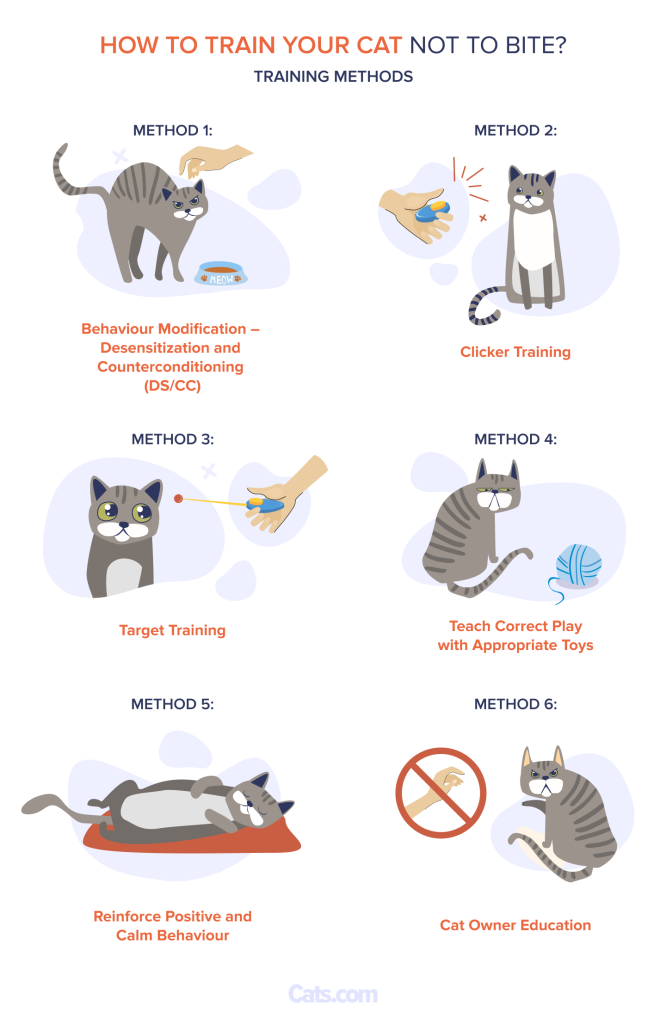
Are you tired of your playful feline turning into a tiny terror with those sharp teeth? Understanding how to train your cat not to bite can transform your interactions from stressful to serene.
You want to enjoy those cuddles without the worry of unexpected nips. Imagine a peaceful home where your kitty’s teeth are reserved only for their toys. Sounds ideal, right? You’ll discover simple, effective techniques to help your cat learn to keep those teeth to themselves.
Get ready to enjoy a more harmonious relationship with your furry friend, free from the unexpected bite!
Understanding Cat Behavior
Understanding cat behavior is key to training your feline friend. Cats have unique ways of communicating. Their actions often stem from instinctual drives. To train a cat not to bite, we must first understand why they do it. Knowing the reasons behind your cat’s behavior can guide you in nurturing a positive relationship.
Reasons Cats Bite
Cats bite for several reasons. It could be a form of play or a response to fear. Sometimes, they bite to assert dominance or express discomfort. Young kittens may bite due to teething. Adult cats might bite if overstimulated or startled. Observing your cat’s environment helps pinpoint the cause of biting.
Identifying Aggression Vs. Playfulness
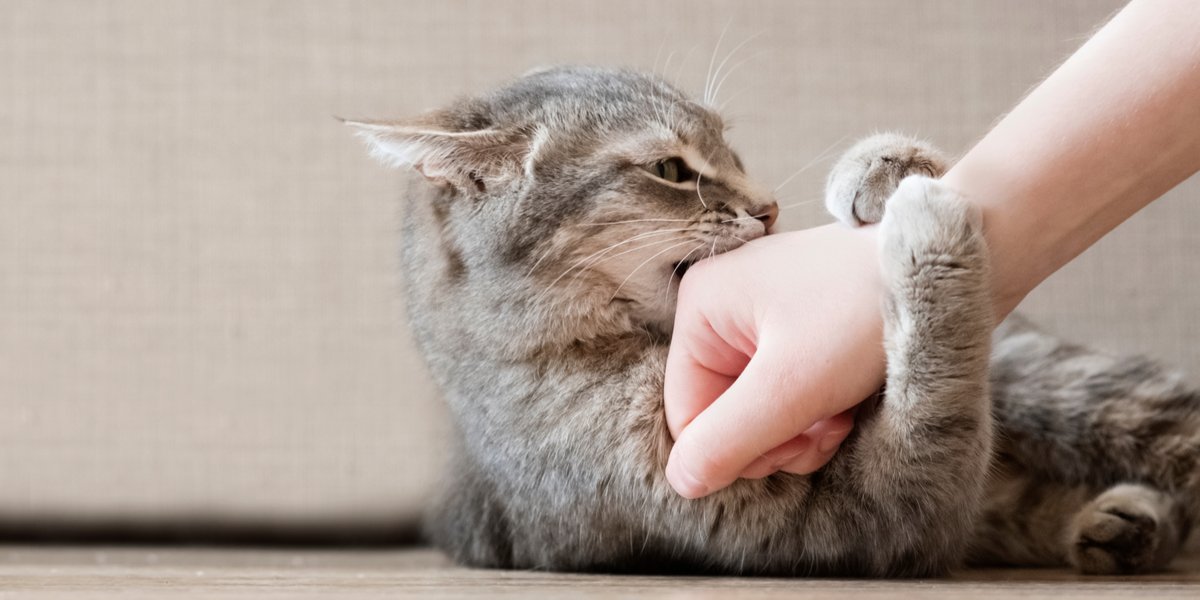
Distinguishing between aggression and playfulness is crucial. Playful biting is usually gentle. It often occurs during interactive play sessions. Aggressive biting, on the other hand, is more intense. It’s accompanied by hissing or growling. Recognizing these signs helps address biting appropriately. A playful cat might have a relaxed body posture. An aggressive cat may have dilated pupils and flattened ears.
Credit: cats.com
Creating A Safe Environment
Training a cat not to bite involves patience and consistency. Start by using toys to redirect their energy. Reward calm behavior with treats and affection to reinforce positive habits.
Creating a safe environment is crucial for training your cat not to bite. Cats bite for many reasons. Stress, fear, or playful aggression can cause biting. A safe environment helps reduce these triggers. It also encourages positive behavior. Here’s how you can create a safe and engaging space for your cat.Providing Toys And Activities
Toys are essential for a cat’s mental and physical health. They help channel natural instincts like hunting. Interactive toys engage your cat’s mind. Feather wands and laser pointers work well. Rotate toys to maintain interest. Cats get bored quickly with the same toys. Provide a variety of textures and sounds. This keeps your cat entertained. Activities also play a vital role. Set up a perch by the window. Cats love watching the outside world. Install scratching posts around your home. They fulfill your cat’s need to scratch. This also protects your furniture.Establishing Boundaries
Boundaries teach your cat what behavior is acceptable. Use positive reinforcement. Reward good behavior with treats or praise. When your cat bites, say “no” firmly. Then, stop interaction briefly. Consistency helps your cat learn quickly. Create designated areas for play and rest. Cats need a quiet place to retreat. Ensure this space is free from stressors. Loud noises and sudden movements can scare your cat. A calm environment reduces anxiety-related biting. Training your cat takes time and patience. A safe environment supports this journey.Using Positive Reinforcement
Training cats not to bite involves using positive reinforcement. Reward calm behavior with treats or affection. Avoid scolding, as it can increase aggression.
Training your cat not to bite can feel like a daunting task, but using positive reinforcement can make the process smoother and more effective. Cats, like all animals, respond well to rewards. By focusing on rewarding good behavior, you can guide your cat towards the actions you want to see more often. Positive reinforcement not only strengthens your bond with your feline friend but also encourages a peaceful and harmonious home environment. Let’s dive into how you can use this method effectively.Rewarding Good Behavior
When your cat behaves well, make sure to reward them promptly. This could be with a tasty treat, some extra playtime, or gentle petting. For instance, when your cat plays gently without biting, immediately offer a reward. This teaches your cat that good behavior results in positive outcomes. Use rewards that your cat loves to ensure they are motivated. Does your cat have a favorite snack or toy? Incorporating these into your training can make a big difference.Consistency In Training
Consistency is key when training your cat not to bite. Ensure everyone in your household follows the same training methods. If your cat receives mixed signals, it may become confused, making the training process longer and more frustrating for both of you. Stick to a routine that makes sense and is easy to follow. By maintaining a consistent approach, your cat will learn more quickly. Have you considered setting a specific time each day for training sessions? This can help your cat understand when to expect training and rewards. Remember, patience and persistence pay off. How will you ensure consistency in your cat’s training today? Make a plan and stick to it, and you’ll likely see positive results sooner than expected.
Credit: www.youtube.com
Avoiding Negative Reactions
Training a cat not to bite requires patience and understanding. Avoiding negative reactions is crucial. Cats respond best to calm and consistent guidance. Reacting negatively can escalate unwanted behavior. Cats learn through positive reinforcement. Encouraging desired behaviors helps in reducing biting.
Handling Aggression Calmly
Stay calm when a cat shows aggression. Loud noises can scare them. Sudden movements may increase their fear. Speak softly to reassure them. Use a gentle approach to diffuse tension. Aggressive behavior often stems from discomfort. Identify triggers that cause aggression. Adjust the environment to remove these triggers. Redirect their focus to toys or treats. This encourages positive behavior.
Preventing Fear And Anxiety
Fear is a common cause of biting. Create a safe space for your cat. Ensure their surroundings are secure. Avoid loud noises and chaotic environments. Gradual introductions to new experiences can help. This builds their confidence. Providing toys and interactive play reduces stress. Engage them in daily activities. This prevents boredom and anxiety. A calm environment fosters trust and reduces biting.
Seeking Professional Help
Understanding feline behavior can be challenging. Consulting a professional can offer effective methods to train your cat not to bite. They provide personalized strategies that cater to your cat’s specific needs.
Training your cat not to bite can be challenging, but sometimes, despite your best efforts, you might need a helping hand. Seeking professional assistance can provide you with expert strategies and insights. Professionals can diagnose underlying issues that might be causing your cat’s biting behavior. Let’s delve into when you might need to consult a veterinarian and the role of animal behaviorists in this journey.When To Consult A Veterinarian
Your cat’s biting might be a sign of a medical issue. If your cat suddenly starts biting more frequently, it’s crucial to rule out any health problems. Pain or discomfort can lead to aggressive behavior. You wouldn’t want to ignore a potential health issue that could be making your cat act out. A veterinarian can perform a thorough check-up to ensure your cat isn’t suffering from any ailments. If medical issues are causing the biting, addressing them might solve the problem.Role Of Animal Behaviorists
Animal behaviorists specialize in understanding why animals act the way they do. Their expertise can be invaluable when dealing with persistent biting issues. Behaviorists can design a personalized training plan for your cat. This plan will focus on the specific triggers and conditions that lead to biting. They offer insights you might not have considered. Could your cat be reacting to changes in its environment? A behaviorist can help identify these subtleties. Seeking professional help isn’t admitting defeat; it’s ensuring you and your cat have the best relationship possible. Have you ever wondered if a small change could make a big difference? Professional guidance might be the key to finding that change.:strip_icc()/control-kitten-scratching-biting-554830_FINAL-84ee01be16584be2a4f51357a621c3d7.jpg)
Credit: www.thesprucepets.com
Monitoring Progress
Teaching your cat not to bite involves patience and consistency. Observe your cat’s behavior closely and reward calm actions with treats. Use positive reinforcement to encourage gentle play, steering clear of aggressive responses.
Monitoring your cat’s progress is essential in training them not to bite. This step helps you understand what’s working and what needs change. You can ensure your cat learns effectively and safely. Observing your cat’s behavior will guide your next steps.Tracking Behavioral Changes
Watch your cat closely for any changes in behavior. Notice if they bite less often or show signs of calmness. Keep a journal to record daily observations. Look for patterns that indicate improvement. Consistent tracking helps identify what triggers biting. This awareness is key to better training strategies.Adjusting Training Techniques
Sometimes, training methods need tweaking. If your cat still bites, try different approaches. Use positive reinforcement to reward good behavior. Consider introducing new toys to redirect biting. Observe which techniques your cat responds to best. Tailor your approach based on their unique needs. Keep experimenting until you find the right balance. Monitoring progress ensures your cat becomes a well-behaved companion.Frequently Asked Questions
How Do You Discipline A Cat For Biting?
Use positive reinforcement to encourage good behavior. Distract with toys when biting starts. Use a firm “no” and ignore the cat briefly. Ensure the cat has enough playtime and mental stimulation. Consult a vet if biting persists.
Can A Cat Be Taught Not To Bite?
Yes, you can teach a cat not to bite. Use positive reinforcement and redirect their attention. Consistently reward good behavior with treats or praise. Avoid punishment, as it can increase aggression. Be patient and consistent to see results.
How Do I Get My Cat To Stop Biting Me?
Distract your cat with toys to redirect their energy. Use positive reinforcement to reward gentle behavior. Provide plenty of playtime to tire them out. Avoid rough play with hands. Consult a vet if biting persists.
At What Age Does A Cat Stop Biting?
Cats typically stop biting around 12 months when they reach adulthood. Training and socialization help reduce biting behavior. Ensure your cat has enough toys and attention to prevent biting. Consult a vet if biting persists, as it may indicate discomfort or health issues.
Conclusion
Training your cat not to bite takes time and patience. Stay consistent with your approach. Reward good behavior with treats and affection. Avoid punishing your cat, as it may cause fear. Use toys to redirect biting tendencies. Always handle your cat gently and with care.
Remember, each cat is unique and learns at its own pace. Respect your cat’s boundaries to build trust. With love and understanding, your cat will learn. Enjoy your peaceful and happy moments together. Keep practicing, and you’ll see positive changes soon.