
Have you ever noticed your cat acting a bit strange? Maybe they’re hiding more than usual or seem overly jumpy at the slightest sound.
If you’re scratching your head, wondering what might be wrong, anxiety could be the culprit. Yes, just like us, our furry friends can feel anxious too. But how can you tell if your cat is experiencing anxiety, and more importantly, how can you help them?
Understanding the subtle signs of anxiety in cats can make a world of difference in their well-being and your peace of mind. Stick around to discover the key indicators and gain insights into creating a calm and comforting environment for your beloved pet. Your cat’s happiness depends on it, and you hold the key to unlocking their tranquility.
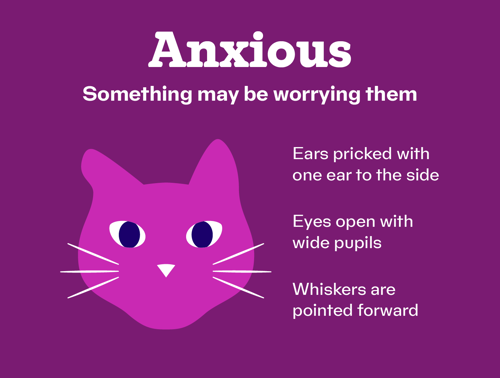
Credit: www.cats.org.uk
Common Signs Of Anxiety In Cats
Cats, like humans, can experience anxiety. It affects their behavior and health. Recognizing anxiety in cats is crucial for their well-being. It helps to identify signs early. This ensures they get the care they need. Here are some common signs of anxiety in cats.
Excessive Grooming
Cats love to groom. It’s part of their daily routine. But, excessive grooming might signal anxiety. Your cat may lick themselves until they have bald spots. This is called over-grooming. It can lead to skin problems. Watch for this behavior. It might be a sign your cat is stressed.
Changes In Appetite
An anxious cat may eat less. They might refuse their favorite food. This could lead to weight loss. Anxiety can also cause overeating. Your cat might beg for more food. Both changes in appetite are signs of stress. Monitor your cat’s eating habits closely.
Increased Vocalization
Cats communicate through meowing. Increased vocalization can indicate anxiety. Your cat might meow more than usual. This can be during the night or day. They might howl or yowl without a clear reason. Listen to their calls. They might be trying to tell you something.

Credit: restorapet.com
Behavioral Changes To Observe
Understanding your cat’s behavior is crucial to their well-being. Cats express anxiety through subtle changes in their behavior. Observing these changes can help identify if your feline friend is stressed. Recognizing these signs early can lead to better care. Let’s dive into some common behavioral changes that indicate anxiety in cats.
Aggressive Behavior
A normally gentle cat might suddenly become aggressive. This could include biting or scratching more frequently. They may hiss or growl without a clear reason. This aggression stems from their heightened anxiety levels. Watch for these signs during routine activities like feeding.
Avoidance Or Hiding
An anxious cat often seeks solitude. They might hide under furniture or in closets. Avoidance of social interaction is common. If your cat starts hiding more, it may be stressed. Pay attention to their usual spots and routines.
Restlessness
Restless cats cannot seem to settle down. They may pace back and forth continuously. A normally calm cat may wander around aimlessly. This restlessness can disrupt their sleep. Keep an eye on how often they move or change places.
Physical Symptoms Of Anxiety
Cats often show anxiety through physical symptoms. Notice any trembling, excessive grooming, or avoidance behavior. These signs may indicate your cat is anxious and needs attention.
Understanding the physical symptoms of anxiety in your cat can help you provide the best care possible for your furry friend. Cats, like humans, manifest anxiety in various physical ways. Recognizing these signs early can prevent more serious health issues and improve your cat’s quality of life.Digestive Issues
One of the most common physical symptoms of anxiety in cats is digestive issues. You might notice your cat vomiting more frequently or experiencing diarrhea. Changes in appetite, whether eating more or less, can also be a red flag. Have you ever noticed your cat refusing their favorite treat? This could be their way of expressing discomfort.Changes In Sleep Patterns
Cats are known for their love of sleep, but anxiety can disrupt this routine. An anxious cat might sleep more than usual to escape their stress. On the flip side, some cats may become restless and find it hard to settle down. If you find your kitty wide awake and pacing at night, it may be time to assess their stress levels.Pacing Or Panting
Pacing is another sign your cat might be anxious. An anxious cat often can’t stay still and will roam around the house. Panting, though less common, can be a significant indicator of stress. If your feline friend is pacing or panting without apparent reason, it’s worth considering what might be causing them anxiety. Have you ever noticed your cat exhibiting any of these behaviors? Taking note of these physical symptoms can be the first step in helping your cat feel more at ease. By addressing these signs promptly, you can ensure a happier, healthier life for your feline companion.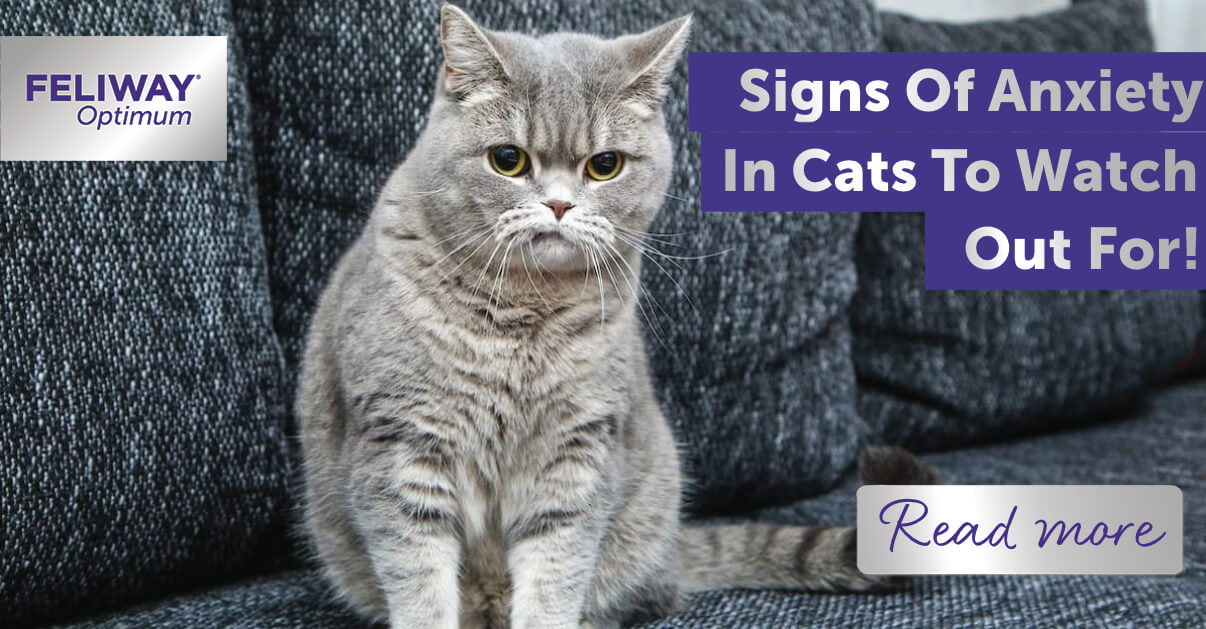
Credit: us.feliway.com
Environmental Factors Contributing To Anxiety
Your cat’s environment plays a significant role in their mental well-being, just like it does for humans. Various factors can influence their comfort and anxiety levels. Understanding these can help you create a peaceful space for your feline friend. Let’s dive into some key environmental factors that might be contributing to your cat’s anxiety.
Loud Noises
Cats have sensitive ears, making them highly susceptible to loud noises. Sudden sounds like fireworks, thunderstorms, or vacuum cleaners can startle them. Have you ever noticed your cat hiding under the bed when the vacuum is on? These sounds can trigger anxiety. Consider creating a quiet, safe haven for your cat during these moments.
New Pets Or People
Introducing new pets or people to your home can be a daunting experience for your cat. They are creatures of habit and a new presence might disrupt their sense of security. When my friend moved in temporarily, my cat started behaving differently. She avoided her usual spots. How do you think your cat would react to new faces in the house?
Changes In Routine
Cats are creatures of routine. Any change, like altering feeding times or moving furniture, can unsettle them. My cat once stopped eating when I changed her meal time. Are you making changes that might be affecting your cat’s comfort? Consistency in their daily schedule can help maintain their peace of mind.
By paying attention to these environmental factors, you can better support your cat’s emotional health. What steps can you take today to make your home a sanctuary for your furry friend?
How To Help An Anxious Cat
Spotting anxiety in cats involves observing their behavior closely. Watch for signs like excessive grooming or hiding. Sudden aggression or changes in appetite can also indicate stress. Understanding these signs is essential in helping your anxious cat feel more at ease and secure.
Anxiety in cats can be a distressing experience for both the pet and the owner. Recognizing the signs is the first step, but understanding how to help your furry friend is equally important. You might wonder, what can you do to comfort your anxious cat? There are practical steps you can take to alleviate their stress and help them feel secure. Let’s dive into effective strategies that can make a significant difference in your cat’s well-being.Creating A Safe Space
Imagine a place where your cat feels completely at ease. Cats need a haven where they can escape stress. This could be a quiet corner with a comfortable bed or a cozy blanket. Ensure it’s away from loud noises and constant foot traffic. Add familiar items like their favorite toys or your scent-infused clothing. These can provide comfort and reassurance. Observe your cat’s behavior to see if they gravitate towards this space more often. Your goal is to make them feel protected and secure.Using Calming Products
There are various calming products designed to soothe anxious cats. You might find pheromone diffusers particularly useful. They mimic natural calming chemicals, promoting relaxation. Try using calming sprays on their bedding or in their safe space. Some pet owners swear by anxiety-reducing collars infused with calming scents. Experiment with different products to see which works best for your cat.Consulting A Veterinarian
If your cat’s anxiety persists despite your efforts, it’s wise to consult a veterinarian. They can provide valuable insights into your cat’s behavior and suggest medical options if necessary. A vet might recommend anti-anxiety medication or supplements. They can also identify underlying health issues contributing to your cat’s stress. Remember, professional guidance can be crucial in managing severe anxiety. Is your cat responding positively to these changes, or do you notice persistent signs of distress? Addressing anxiety in cats requires patience and observation. Each cat is unique, and what works for one may not work for another. Your attentive care can help your cat lead a happier, more relaxed life.Frequently Asked Questions
How Can I Tell If My Cat Is Anxious?
Look for signs like hiding, excessive grooming, or aggression. Cats may also show decreased appetite or vocalization changes. Increased pacing, trembling, or litter box issues can indicate anxiety. Consult a vet if behaviors persist or worsen. Identifying anxiety early can help manage your cat’s stress effectively.
How To Calm A Cat’s Anxiety?
Create a calm environment for your cat by reducing noise. Provide hiding spots and interactive toys to reduce stress. Use calming pheromone diffusers or sprays. Ensure a routine with regular feeding times. Consult a vet if anxiety persists.
How Long Does It Take For A Cat To Get Over Stress?
Cats usually recover from stress within a few days to a week. Individual differences and stress factors can affect recovery time. Provide a calm environment, consistent routine, and plenty of affection to help your cat adjust. If stress persists, consult a veterinarian for guidance.
What Triggers Anxiety In Cats?
Loud noises, unfamiliar environments, and changes in routine often trigger anxiety in cats. Separation from their owners or introduction of new pets can also cause stress. Cats may feel anxious due to a lack of mental stimulation or previous traumatic experiences.
Providing a safe, stable environment helps reduce anxiety.
Conclusion
Recognizing your cat’s anxiety is crucial for their well-being. Watch for signs like hiding, excessive grooming, or vocalization. These behaviors often indicate stress. Consult a vet if symptoms persist. They can suggest treatments or therapies. A calm environment helps reduce anxiety.
Provide safe spaces and engage in gentle play. Understanding your cat’s needs is key. A little attention can make a big difference. Love and patience go a long way. Your cat will feel secure and happy. Remember, a stress-free cat is a healthy cat.
Keep observing and caring for your furry friend.