How to Relieve Cat Anxiety: Expert Tips & Techniques
Does your feline friend seem more skittish than usual? Maybe they’re hiding more often or showing signs of stress.
You’re not alone in this; many cat owners face similar challenges. Understanding how to relieve cat anxiety can transform your pet’s well-being and your peace of mind. Imagine a home where your cat feels safe, calm, and content. Sounds like a dream, right?
This article holds the key. Packed with actionable tips and insights, it’s designed to help you create a soothing environment for your beloved pet. Stay with us, and discover how you can make a positive difference in your cat’s life.
Identifying Cat Anxiety
Spotting cat anxiety involves observing changes in behavior like hiding or excessive grooming. To ease their stress, provide a safe space, engage in gentle play, and maintain a consistent routine.
Identifying cat anxiety is crucial for any cat owner. Cats, much like humans, can experience stress and anxiety, which can affect their overall health and behavior. Understanding these signs early can help you take steps to alleviate your cat’s discomfort and improve their quality of life.Common Signs
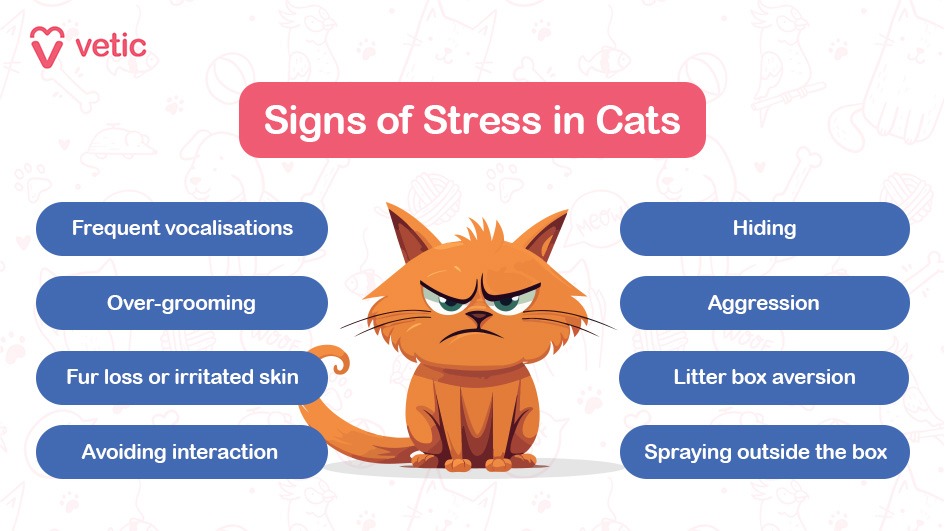
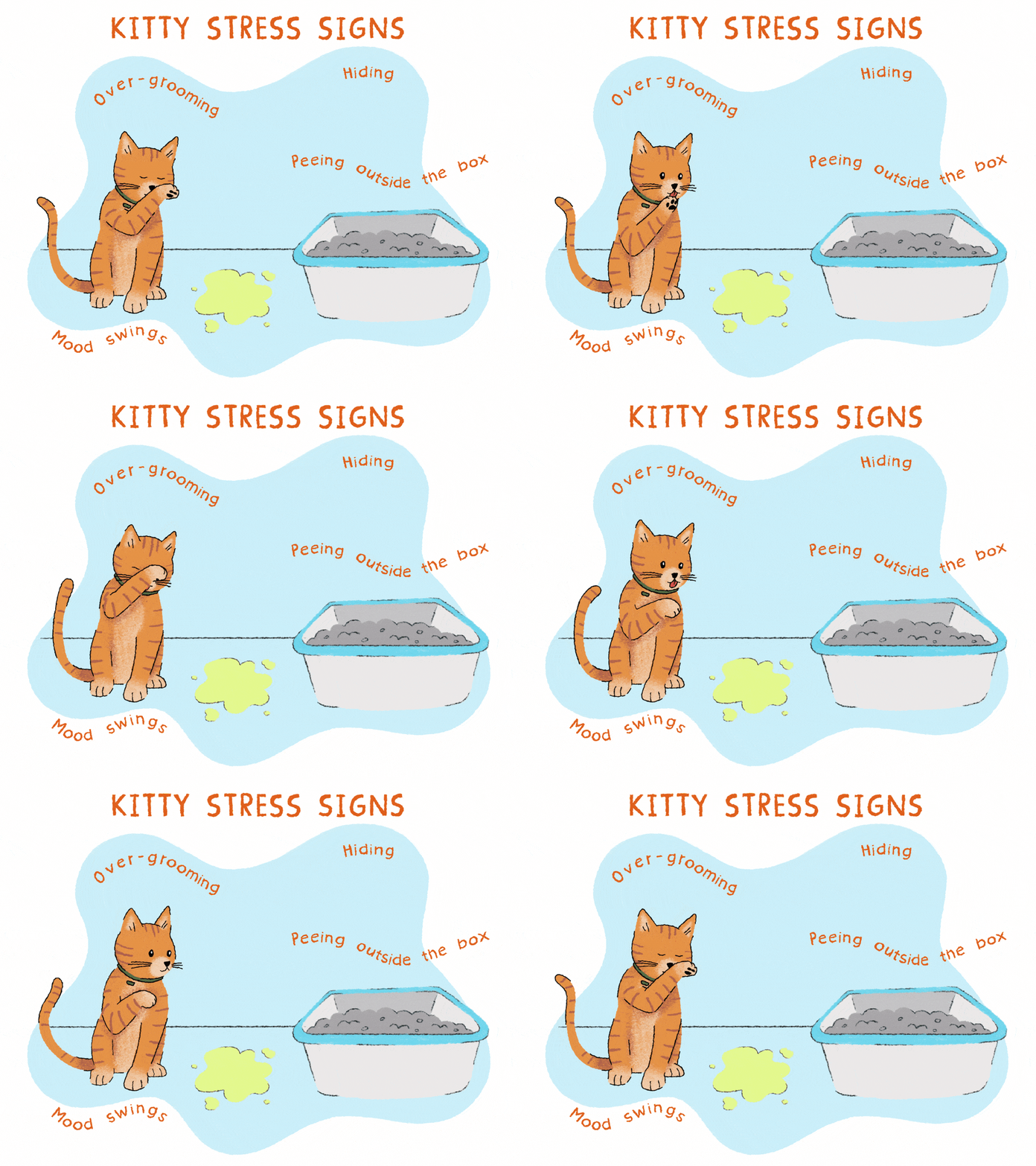
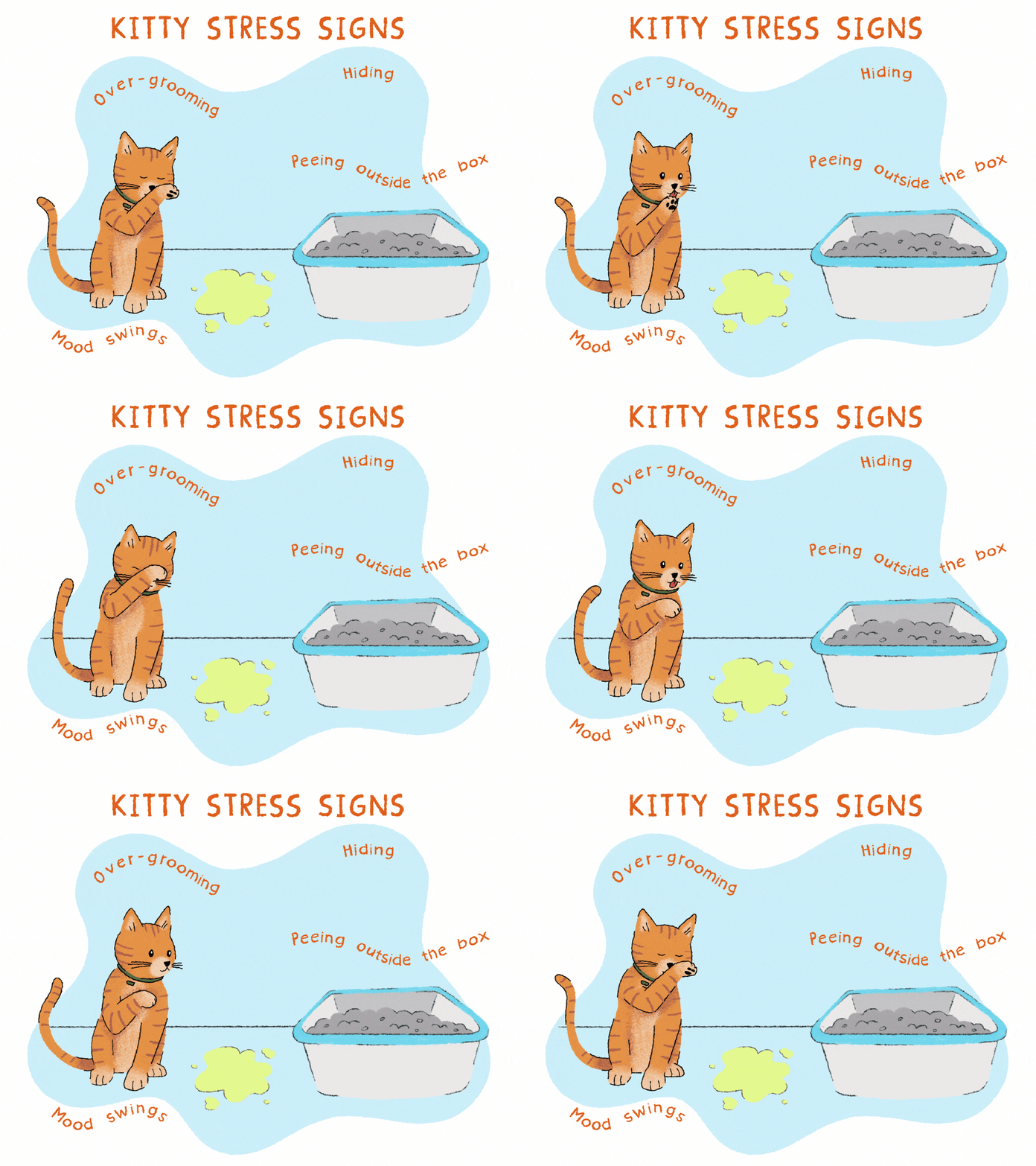
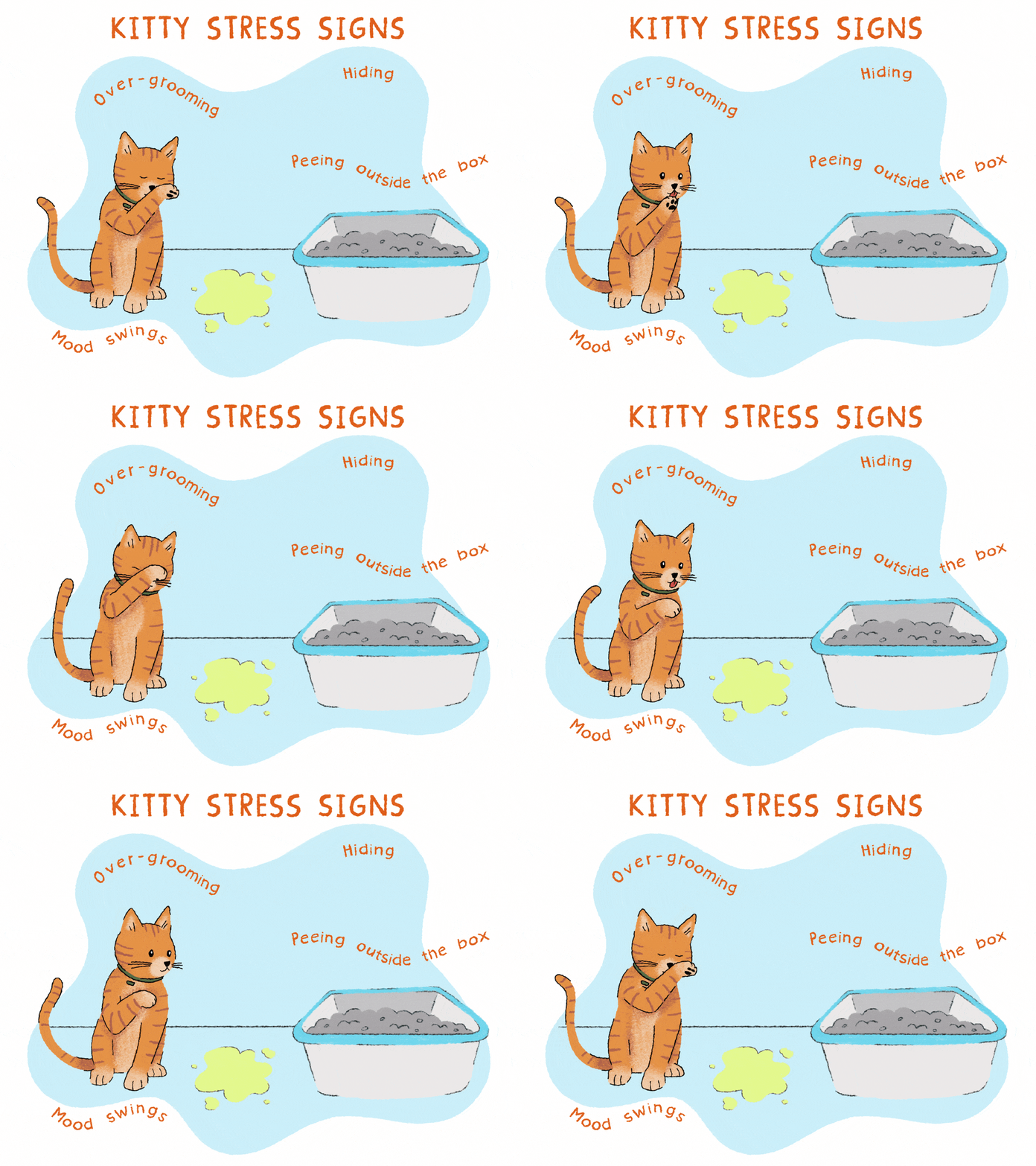
Cats may not always show their anxiety in obvious ways. You might notice subtle changes in their behavior that indicate something is off. Look for excessive grooming or hiding more than usual. A cat that suddenly becomes vocal or starts avoiding interaction might be signaling anxiety. Your cat’s litter box habits can also be a clue. If your cat starts urinating outside the box, it could be a sign of distress. Remember, these signs can vary from cat to cat.Behavioral Changes
Behavioral shifts are often the first indicators of anxiety. A usually playful cat may become lethargic. Conversely, a calm cat might start scratching furniture or walls. Have you noticed your cat pacing or being restless? This could be anxiety-related. My own cat, Max, started knocking things off the table when he was stressed. It was his way of saying something was bothering him. Pay attention to any unusual behaviors in your cat.Physical Symptoms
Anxiety doesn’t just affect a cat’s mind; it can manifest physically too. Watch for changes in appetite. If your cat is eating less or more than usual, it could be a sign of stress. Vomiting or diarrhea might also occur when a cat is anxious. Another physical symptom can be a change in your cat’s coat condition. Is your cat’s fur looking less shiny or becoming patchy? This could be a result of anxiety. Recognizing these signs early can make a significant difference in your cat’s life. Are there signs you might have overlooked in your own cat? Identifying these symptoms is the first step to helping your feline friend feel safe and secure.Understanding Triggers
Identifying triggers is key to easing your cat’s anxiety. Loud noises or unfamiliar environments can stress them. Create a calm space with familiar toys and scents to help them feel safe and secure.
Understanding what triggers anxiety in your cat is crucial to helping them lead a calm and happy life. Just like humans, cats have their own set of stressors that can affect their behavior and mood. Recognizing these triggers is the first step in alleviating your furry friend’s anxiety.Environmental Factors
Your home is your cat’s kingdom, but changes in their environment can lead to stress. A new piece of furniture might seem harmless, but to a cat, it could be a major disruption. Loud noises or sudden movements can also scare them. Consider the time you decided to rearrange your living room. Did you notice your cat becoming skittish or hiding more often? They thrive on familiarity, so even minor changes can be unsettling.Social Interactions
How your cat interacts with other animals and humans plays a big role in their anxiety levels. Some cats are social butterflies, while others prefer solitude. A new pet in the house can be overwhelming for a cat that isn’t used to sharing its space. Think about the last time you had guests over. Did your cat disappear for hours? This behavior indicates that social interactions might be a stress trigger. Understanding your cat’s social preferences can guide you in providing a more comfortable environment.Health Issues
Sometimes, anxiety can stem from health problems. If your cat suddenly starts acting anxious, it might be worth a visit to the vet. Issues like dental pain or digestive problems can make your cat feel uneasy. Remember when your cat was unusually aggressive? It turned out they had a toothache. Addressing health issues not only eases physical discomfort but also alleviates anxiety, helping your cat feel more at ease. Understanding these triggers can empower you to create a supportive environment for your cat. What changes can you make today to help your feline friend feel more relaxed?Creating A Calming Environment
Create a calming environment to help relieve cat anxiety. Soft lighting and gentle music can soothe your feline friend. Provide cozy spaces and interactive toys to keep them entertained and relaxed.
Creating a calming environment for your anxious cat can make a world of difference in their well-being. Cats, much like humans, need a space where they can feel safe and at ease. A few simple adjustments in your home can transform it into a haven of peace for your feline friend. Let’s explore some practical tips to help your cat feel more secure and comfortable.Safe Spaces
Providing your cat with safe spaces is crucial for reducing anxiety. Cats often feel more relaxed when they have a dedicated area to retreat to. Consider setting up a cozy corner with a cat tree or a secluded nook where they can hide when feeling overwhelmed. In my experience, my cat Bella instantly calmed down when I placed a small bed inside a closet, leaving the door slightly ajar. This gave her a private sanctuary to escape to whenever she needed a break from the hustle and bustle of daily life. Have you noticed where your cat tends to hide? Transform that spot into their personal retreat.Comfortable Bedding
Comfortable bedding can significantly impact your cat’s sense of security. Soft, warm bedding can make all the difference. Opt for materials that are plush and inviting, like fleece or faux fur. I once swapped out my cat Max’s old blanket with a new, softer one, and the change in his demeanor was noticeable. He started spending more time napping peacefully instead of pacing nervously around the house. Consider upgrading your cat’s bedding and observe how they respond.Soothing Sounds
Sound plays a pivotal role in creating a calming atmosphere. Gentle, soothing sounds can help alleviate anxiety in cats. You might try playing soft classical music or nature sounds to create a serene environment. In my home, I noticed that my cat Luna seemed to relax more when I played a playlist of gentle rain sounds. It was as if the calming rhythm of the rain helped her drift into a peaceful slumber. What sounds seem to comfort your cat? Experiment with different options to see what works best. Creating a calming environment doesn’t have to be complicated. With a few thoughtful changes, you can significantly reduce your cat’s anxiety and help them feel more at ease in their home.
Credit: www.facebook.com
Using Calming Products
Dealing with cat anxiety can be a daunting task. You want the best for your feline friend, but it’s hard to pinpoint what works. Luckily, calming products can offer a soothing solution. These products are designed to ease anxiety and help your cat feel more at peace. Let’s explore some popular options that might just do the trick for your furry companion.
Pheromone Diffusers
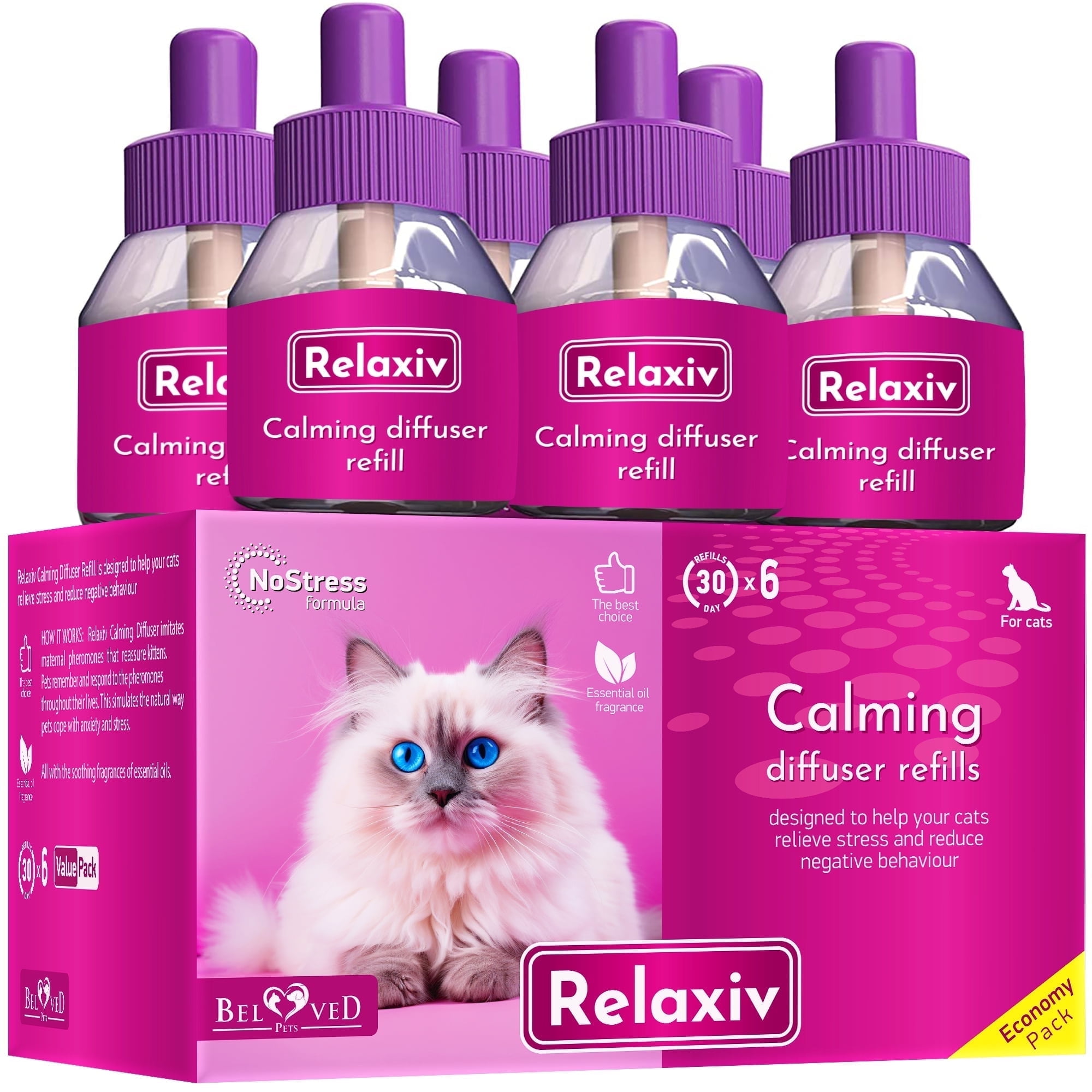
Pheromone diffusers mimic the natural calming pheromones cats produce. Have you ever noticed your cat rubbing its face against furniture? It’s leaving pheromones that signal safety and comfort. These diffusers aim to create a similar calming effect in your home.
Setting up a diffuser is straightforward. Just plug it in and let it work its magic. Many cat owners report that their pets seem more relaxed and less stressed after using them.
Is there a specific area in your home where your cat seems anxious? Place a diffuser there to provide consistent calming signals. It’s a simple way to help your cat feel safe.
Anxiety Wraps
Anxiety wraps are like a gentle hug for your cat. They apply a soothing pressure, similar to swaddling a baby, which can help reduce anxiety. Imagine wearing a cozy sweater on a chilly day; it’s comforting, right?
These wraps are easy to use. Just wrap them around your cat snugly, but not too tight. It’s all about creating a comforting touch.
Have you ever tried one on your cat? Some owners find that wraps work wonders during thunderstorms or fireworks when anxiety spikes.
Herbal Supplements
Herbal supplements can be a natural way to calm your cat. Ingredients like chamomile and valerian root have calming properties and are often included in these products. Think of them as herbal teas for your cat.
They usually come in liquid or capsule form. Adding them to your cat’s food can be a seamless process. Always check with your vet before introducing new supplements to ensure they’re safe for your pet.
Could this be the natural remedy your cat needs? Many cat owners find that herbal supplements help their pets feel more relaxed without any side effects.
As you explore these options, remember that each cat is unique. What works wonders for one might not be as effective for another. It’s all about finding the right fit for your feline friend. Have you found a calming product that works for your cat? Share your experience and help other cat owners on their journey to tranquility.
Implementing Behavioral Techniques
Implementing behavioral techniques can be a game-changer for relieving cat anxiety. Many cat owners have discovered that these methods are not only effective but also foster a deeper bond with their feline friends. By understanding and applying specific strategies, you can help your cat feel more secure and relaxed.
Positive Reinforcement
Positive reinforcement is all about rewarding good behavior. When your cat does something calm and non-anxious, such as sitting quietly or approaching you without fear, give them a treat or some affection. This teaches your cat that being calm leads to positive experiences.
Think about the last time you tried a new hobby and received praise—it likely encouraged you to keep going. Similarly, cats respond well to praise, making them more likely to repeat behaviors that earn rewards. Have you considered what behaviors you’d like to encourage in your cat?
Gradual Exposure
Gradual exposure helps your cat become accustomed to things that trigger anxiety. Start with short, controlled interactions and slowly increase the exposure. This technique builds resilience and can prevent overwhelming situations.
Imagine slowly getting used to a new environment, like a job or school. The same principle applies to cats. For example, if your cat is anxious around visitors, start by having one person visit for a short time, and gradually increase the number and duration of visits. How might this method help your cat adjust to their fears?
Interactive Play
Interactive play is not just fun; it’s therapeutic. It allows cats to express their natural instincts and release pent-up energy. Use toys that mimic prey, like feather wands or laser pointers, to engage your cat in playful activities.
Playing with your cat can be a bonding experience. Just like humans feel refreshed after a workout, cats feel less anxious after active play. During a play session with my cat, I noticed she seemed more relaxed and content afterward. Have you tried incorporating more playtime into your cat’s routine?
Behavioral techniques offer practical solutions to cat anxiety. By rewarding calm behavior, gradually exposing them to fears, and engaging them in interactive play, you can make a positive impact on their well-being.
Credit: m-grill.com
Diet And Nutrition
Diet and nutrition play a crucial role in managing cat anxiety. A well-balanced diet can significantly reduce stress levels in cats. Understanding how nutrition impacts your cat’s mood is essential. This section explores key dietary aspects that help alleviate anxiety in cats.
Balanced Diet
A balanced diet is vital for a cat’s mental health. Provide food with high-quality proteins. Ensure the diet includes essential vitamins and minerals. These nutrients support brain function and reduce anxiety. Avoid fillers and artificial additives, as they can affect mood negatively.
Hydration Importance
Hydration is often overlooked in managing cat anxiety. Cats need plenty of fresh water daily. Dehydration can lead to irritability and stress. Consider a pet water fountain to encourage drinking. Wet food can also help maintain hydration levels.
Stress-reducing Foods
Certain foods can help reduce stress in cats. Omega-3 fatty acids are known to promote calmness. Consider foods rich in fish oil or flaxseed. Chamomile and valerian root are also calming. These can be found in some specialized cat treats.
Professional Help
Seeking professional help can ease cat anxiety effectively. Experts provide guidance on behavioral changes and recommend calming techniques. Vet consultations ensure your cat’s mental health is prioritized.
Dealing with a cat’s anxiety can be challenging. Sometimes, despite your best efforts, professional help is the best route to take. Professional guidance can provide tailored solutions that make a real difference. Let’s explore some avenues where experts can assist in relieving your cat’s anxiety.Veterinarian Consultations
Your first stop should be a veterinarian. They can identify any underlying health issues causing the anxiety. A vet might recommend lifestyle changes or specific treatments. Have you ever noticed your cat hiding more than usual? A vet visit could reveal an easy fix, like a change in diet or a new routine. Veterinarians also offer medications that can help. But remember, medication should be a last resort after exploring other options.Animal Behaviorists
Animal behaviorists are like therapists for your pets. They analyze your cat’s behavior and suggest strategies to alleviate stress. They can help modify your environment to make it more cat-friendly. Have you ever thought about how a new piece of furniture might unsettle your cat? A behaviorist can offer insights into such scenarios. They often provide exercises and activities that engage your cat. These activities can reduce anxiety by keeping your cat mentally stimulated.Therapeutic Interventions
Therapeutic interventions include a range of options like pheromone diffusers and anxiety wraps. These tools can calm your cat in a non-invasive way. Have you considered how pheromone diffusers mimic the calming scent of a mother’s presence? They can ease stress during events like thunderstorms or fireworks. Therapeutic diets are another option. They can promote relaxation through specific nutrients. These diets offer a natural way to soothe your anxious feline friend. Seeking professional help might feel like a big step. But it can lead to a happier, healthier life for your cat. Have you tried any of these professional avenues? What was your experience? Share your thoughts in the comments!Monitoring Progress
Monitoring your cat’s anxiety progress is essential. It helps you understand what works best. You can make adjustments based on changes observed. This process ensures your cat feels calmer over time.
Tracking Changes
Start by noting your cat’s behavior. Record any changes in their daily routine. Pay attention to sleeping patterns and appetite. Look for signs of stress reduction. Use a journal to keep track. This helps pinpoint effective strategies.
Adjusting Techniques
If progress stalls, tweak your approach. Try new calming products or activities. Consider environmental changes. You might need to spend more time with your cat. Introduce toys or puzzles. They keep your cat engaged and relaxed.
Long-term Management
Consistency is key for long-term relief. Maintain routines that comfort your cat. Regularly assess their anxiety levels. Adjust strategies as needed. Stay patient and attentive. Your efforts will lead to a happier, calmer cat.
Credit: www.bestlife4pets.com
Frequently Asked Questions
What Calms Cats Naturally?
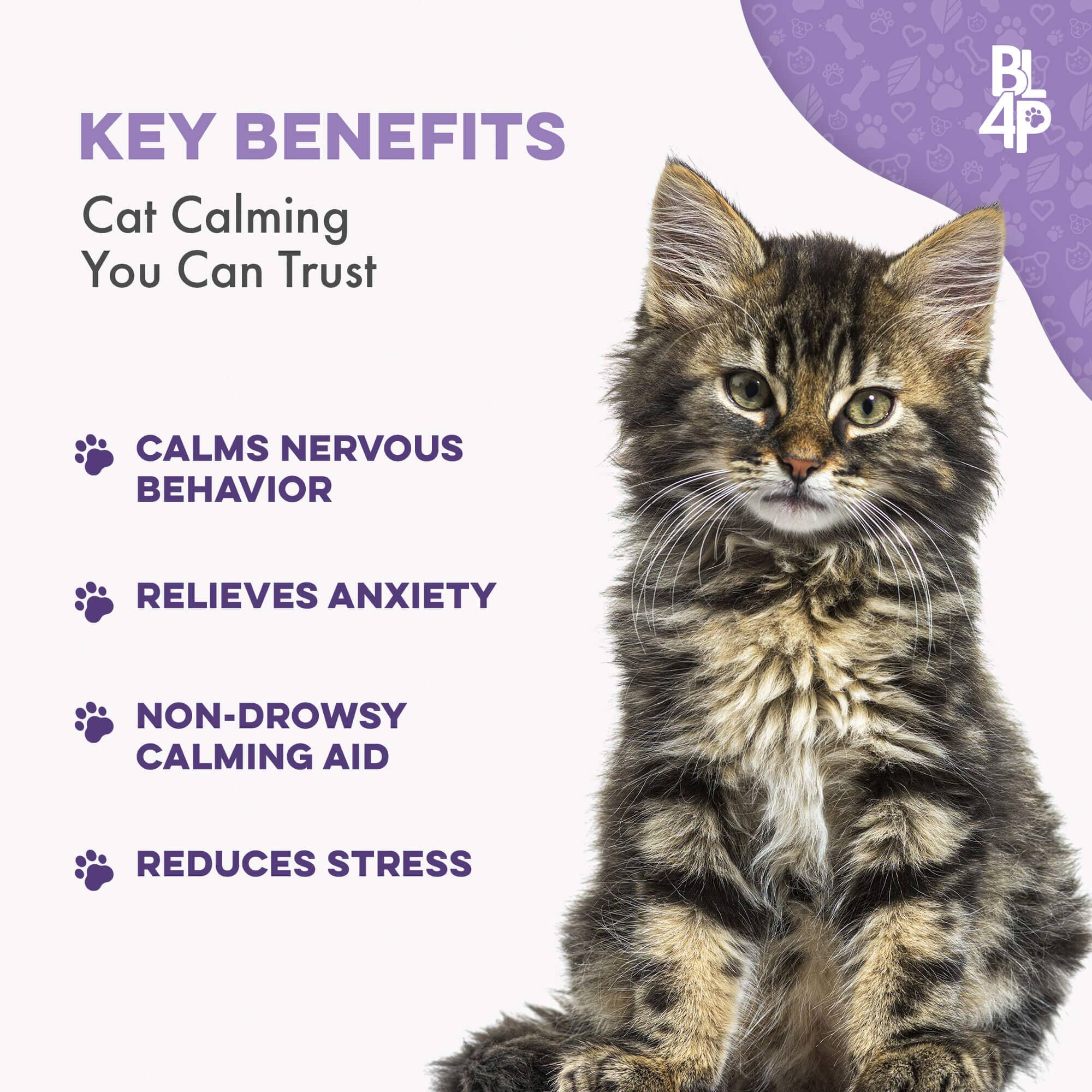
Catnip, valerian root, and chamomile tea can naturally calm cats. Pheromone diffusers also promote relaxation. Provide a quiet space for them. Regular play and interaction help reduce stress.
How To Know If A Cat Is Anxious?
Cats show anxiety through excessive grooming, hiding, or aggressive behavior. Watch for changes in appetite or litter box habits. Vocalizing more or being overly clingy can also indicate stress. Observing these signs helps identify anxiety in cats, ensuring timely intervention for their well-being.
What Triggers Anxiety In Cats?
Loud noises, unfamiliar environments, and changes in routine can trigger anxiety in cats. New pets or people may also cause stress. Lack of socialization and separation from owners are common triggers. Ensure a calm and stable environment to help reduce anxiety in your feline friend.
What Are Signs Of Cat Anxiety?
Signs of cat anxiety include excessive grooming, hiding, and aggression. Other indicators are loss of appetite and increased vocalization. You might also notice changes in litter box habits. Understanding these signs helps in addressing your cat’s anxiety effectively.
Conclusion
Helping your cat feel calm is important for their happiness. Understanding their needs can ease their anxiety. Create a safe and comfortable space for them. Playtime and attention also reduce stress. Try calming sprays or treats if needed. Regular vet visits ensure your cat stays healthy.
Watch for changes in behavior. These steps can make a big difference. Every cat is unique. Be patient and loving. With time, you’ll see improvements. Your furry friend will thank you with purrs and cuddles. Remember, a calm cat is a happy cat.

Similar Posts