Are you curious about what goes into your cat’s bowl every day? Do you want to ensure your furry friend is getting the best nutrition possible?
Making cat food at home can be a rewarding experience for both you and your pet. It allows you to have complete control over the ingredients, ensuring your beloved feline receives all the nutrients they need. Plus, it can be a fun and fulfilling way to show your cat just how much you care.
This guide will walk you through the simple steps to whip up delicious and healthy meals that your cat will love. Ready to transform mealtime into a culinary delight for your kitty? Let’s dive in and explore how you can make cat food that’s both nutritious and tasty.

Credit: m.youtube.com
Benefits Of Homemade Cat Food
Crafting homemade cat food offers control over ingredients and nutrition. Ensure your feline gets fresh, wholesome meals tailored to their needs.
Making your own cat food can bring numerous benefits to your feline friend. By preparing meals at home, you have the power to control the quality and freshness of the ingredients. This means you can ensure your cat is getting the best nutrition possible, free from artificial additives and preservatives often found in commercial foods. Plus, tailoring meals to your cat’s specific dietary needs can help address health issues or preferences, ensuring they’re both happy and healthy.Enhanced Nutritional Value
When you make cat food at home, you can create a balanced diet tailored to your cat’s unique needs. You can choose high-quality proteins like chicken, turkey, or fish, ensuring they get the necessary nutrients. This way, you avoid the fillers and low-grade ingredients that often sneak into store-bought food.Improved Digestive Health
Homemade meals can be gentler on your cat’s stomach. My cat, Luna, had a sensitive stomach, and switching to homemade food made a noticeable difference. You can experiment with different ingredients to find what works best, reducing instances of vomiting or diarrhea.Better Weight Management
Portion control is easier when you prepare your cat’s food yourself. You can prevent overfeeding, which helps in maintaining an ideal weight. This is crucial because obesity in cats can lead to serious health problems like diabetes or arthritis.Cost-effective In The Long Run
While initial costs might seem higher, homemade cat food can save you money over time. By buying ingredients in bulk or using seasonal produce, you can reduce expenses. Plus, fewer vet visits due to better health also mean savings.Stronger Bond With Your Cat
Cooking for your pet can be a bonding experience. You become more attuned to their likes and dislikes, creating meals they love. Watching your cat enjoy the food you made is rewarding and strengthens your connection. Do you ever wonder what’s really in that can of cat food? By making your own, you eliminate that uncertainty. You know exactly what your cat is eating, providing peace of mind. Isn’t it time to take control of your cat’s diet and health?Essential Nutrients For Cats
Creating cat food at home requires understanding essential nutrients. Cats need specific nutrients to thrive. These nutrients support their health and well-being.
Proteins And Amino Acids
Proteins are vital for cats. They help build muscles and repair tissues. Cats are carnivores, so they need animal-based proteins. Chicken, fish, and beef are good sources. Amino acids are the building blocks of proteins. Taurine is an essential amino acid for cats. It keeps their heart and vision healthy.
Fats And Fatty Acids
Fats provide energy for cats. They also help absorb vitamins. Omega-3 and Omega-6 fatty acids are crucial. They support skin, coat, and joint health. Fish oil is a great source of these fatty acids.
Vitamins And Minerals
Vitamins maintain a cat’s overall health. Vitamin A supports vision and immune function. Vitamin D is necessary for bone health. Minerals like calcium and phosphorus are vital. They strengthen bones and teeth. Adding a balanced mix of vitamins and minerals ensures your cat gets proper nutrition.
Common Ingredients
Creating homemade cat food can be a rewarding experience. You ensure your furry friend gets a balanced diet made from fresh ingredients. But what should you include in your cat’s meals? Let’s explore some common ingredients that are essential for a healthy feline diet.
Proteins Sources
Proteins are crucial for your cat’s health. Cats are obligate carnivores, meaning they require meat-based proteins to thrive. Consider using chicken, turkey, or fish as primary protein sources. Many cats love the taste of these meats, and they provide essential amino acids that support muscle growth and maintenance.
Ever noticed how your cat goes wild for a piece of fish? This is because fish like salmon and tuna are rich in omega-3 fatty acids, contributing to a shiny coat and overall health. Beef and lamb are also excellent choices, offering variety and ensuring your cat doesn’t get bored with its meals.
Vegetables And Grains
While cats don’t need vegetables and grains as much as proteins, these can still offer nutritional benefits. Think about adding small amounts of peas, carrots, or pumpkin. These veggies are rich in vitamins and can aid digestion.
Grains like rice or oats can be included in moderation. They provide energy and can help create a balanced meal. However, too many grains can lead to weight gain, so keep their quantity low. Have you ever wondered if your cat enjoys different flavors? Testing out various veggies can be an adventure in discovering what your cat prefers.
Supplements And Additives
Certain supplements can enhance your cat’s diet. Taurine is vital for heart and eye health, and it’s often found in commercial cat food but might need to be added in homemade versions. Calcium and phosphorus are also important for strong bones and teeth.
Consider adding fish oil for additional omega-3s and a healthy coat. Probiotics can improve digestive health and boost immunity. When crafting your cat food, ask yourself: What nutrients might be missing? Checking with your vet can ensure your homemade meals are as nutritious as possible.
Creating cat food at home allows you to tailor meals to your cat’s preferences and health needs. Experiment with different ingredients to find the perfect balance for your feline friend.

Credit: cats.com
Tools And Equipment
Making cat food at home can be a rewarding experience. You’ll need the right tools and equipment to ensure the process is smooth and efficient. Using appropriate utensils and storage solutions not only makes preparation easier but also ensures the food stays fresh. Let’s explore the essential tools and equipment needed for this task.
Cooking Utensils
Proper cooking utensils are crucial for making cat food. A sharp knife is essential for chopping ingredients finely. A sturdy cutting board provides a safe surface for slicing and dicing. Use a food processor for blending meats and vegetables. It ensures a smooth texture. A large pot is needed for cooking bulk ingredients. A spatula helps in mixing and stirring efficiently.
Measuring cups and spoons ensure accurate portion sizes. A kitchen scale is useful for weighing ingredients. This helps maintain nutritional balance. These tools make the cooking process precise and hassle-free.
Storage Solutions
Storage solutions are important to keep homemade cat food fresh. Airtight containers prevent spoilage and preserve flavor. Glass containers are ideal as they are easy to clean. Use freezer bags for storing food in the freezer. Label them with dates for easy tracking.
Refrigeration is crucial for short-term storage. A reliable refrigerator keeps the food at safe temperatures. For long-term storage, consider using vacuum-sealed bags. They keep food fresh for extended periods. These storage methods ensure your cat’s food remains nutritious and safe.
Recipe Basics
Creating homemade cat food can be rewarding. It ensures your feline friend gets a nutritious meal. Understanding the basics of a cat food recipe is essential. A balanced diet keeps your cat healthy and active. Let’s delve into some key components for crafting homemade cat food.
Balanced Meal Examples
Protein is vital in cat food. Chicken or turkey are popular choices. Fish can be included for variety. Vegetables like carrots or peas add fiber. Avoid foods with toxins like onions or garlic.
Whole grains like brown rice offer energy. Remember, cats need taurine. It’s found in meat and fish. This amino acid supports heart health. A balanced meal is crucial for overall well-being.
Portion Sizes
Portion control is important. Cats require different amounts based on age and size. Adult cats need about 200 calories daily. Kittens may require more due to growth. Monitor your cat’s weight. Adjust portions accordingly.
Overfeeding can lead to obesity. Measure portions using a kitchen scale. This ensures accuracy. Consistent portions help maintain a healthy weight.
Meal Frequency
Cats prefer multiple small meals daily. Two to four meals are optimal. This mimics natural hunting behavior. It keeps energy levels stable. Avoid feeding large meals. It can cause digestive issues.
Establish a regular feeding schedule. This helps with routine and discipline. Cats thrive on consistency. Regular meals promote better health.
Cooking Techniques
Creating homemade cat food not only lets you control what your feline friend consumes but also allows you to tailor their meals to their specific dietary needs. When preparing cat food at home, understanding different cooking techniques can make a big difference in the nutritional value and palatability. Here, we explore three popular cooking methods: baking, steaming, and raw preparation.
Baking
Baking is a straightforward way to prepare cat food. It involves cooking ingredients like chicken, beef, or fish in an oven until they are fully done. This method is great for locking in flavors and ensuring the food is cooked evenly.
Start by preheating your oven to 350°F (175°C). Line a baking tray with parchment paper. Arrange pieces of meat or fish on the tray and bake for about 20-30 minutes, depending on the thickness. You can add small amounts of veggies like carrots or peas for added nutrients.
Have you ever wondered if your cat prefers their food warm? Baking can offer that slight warmth, enhancing the aroma and potentially making it more appealing. Just ensure it’s cooled down before serving.
Steaming
Steaming is an excellent method for retaining nutrients in your cat’s food. It’s gentle and requires no added fats, making it a healthy choice. You can steam meats, fish, and vegetables easily at home.
Use a steaming basket or a colander placed over boiling water. Cut the meat into small pieces to ensure even cooking. Cover and steam for about 10-15 minutes, checking that the meat is thoroughly cooked.
This method makes the food moist, which can be beneficial if your cat tends to drink less water. Steaming is a technique I often use for my own cat, and I’ve noticed he enjoys the texture much more.
Raw Preparation
Raw preparation is for those who want to keep the food as close to its natural state as possible. It involves using fresh, high-quality ingredients that are safe to consume raw.
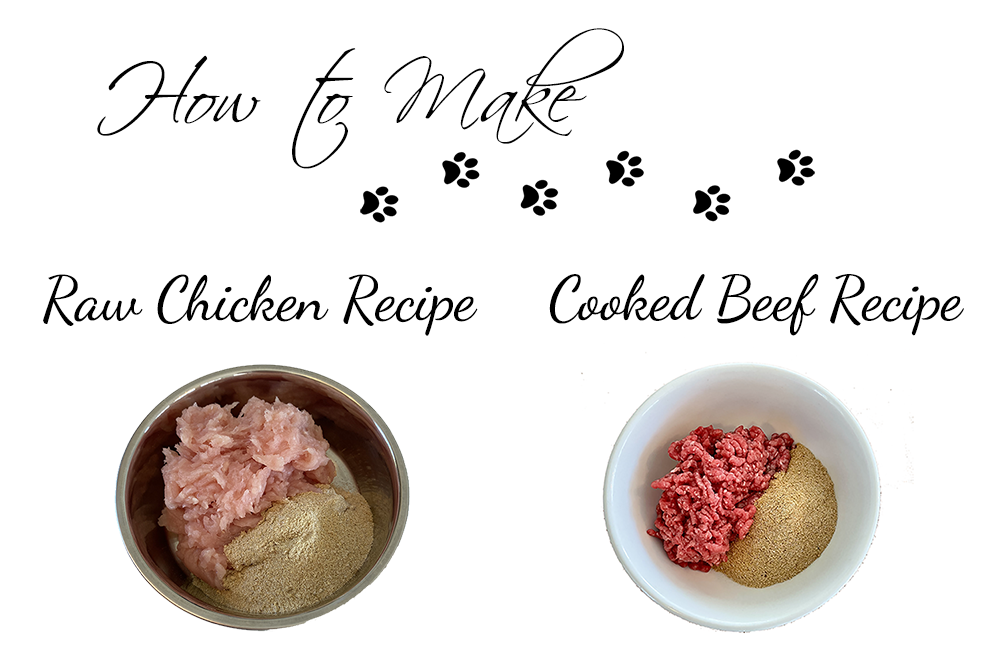
Prepare a mix of raw meats like chicken or beef, ensuring they are fresh and free from harmful bacteria. You can add organ meats like liver for added nutrition. Some cat owners also include a small amount of ground bone for calcium, but this requires careful preparation.
Have you considered the benefits and risks of raw feeding? While some cats thrive on it, consulting with a vet is crucial to ensure a balanced diet. It’s a method that requires diligence but can be rewarding when done right.
Whichever method you choose, making cat food at home allows you to cater to your cat’s preferences and nutritional needs. It’s a small effort that can lead to a healthier, happier pet.
Safety And Hygiene
Ensuring safety and hygiene when making cat food is crucial. Cats have sensitive stomachs. Contaminated food can make them sick. Proper handling and storage are essential. Preventing harmful bacteria growth is key. Following guidelines ensures your cat’s health and happiness.
Handling Raw Ingredients
Wash your hands before touching raw ingredients. This prevents bacteria spread. Clean all surfaces and utensils thoroughly. Use hot, soapy water for best results. Keep raw meat separate from other foods. This avoids cross-contamination. Rinse vegetables and fruits under running water. Remove any dirt or pesticides.
Safe Storage Practices
Store cat food in clean, airtight containers. This keeps it fresh and safe. Refrigerate leftovers promptly. Use them within two to three days. Freeze portions for longer storage. Label containers with dates. Know when food is still good. Check for any signs of spoilage. Discard food if in doubt.
Avoiding Harmful Foods
Some foods are toxic to cats. Chocolate, onions, and garlic are dangerous. Avoid these in cat food recipes. Grapes and raisins can cause kidney damage. Also, steer clear of alcohol and caffeine. Even small amounts are harmful. Always research new ingredients. Ensure they are safe for cats.
Adjusting Recipes For Special Needs
Adjusting recipes for special needs can make a big difference. Cats have unique dietary requirements. Tailoring their food can improve health and well-being. Understanding these needs ensures your cat gets the right nutrients.
Age-specific Requirements
Kittens need more protein and fat. It supports growth and energy. They benefit from calcium for bone development. Adult cats require balanced nutrients. Protein remains crucial for muscle maintenance. Senior cats need fewer calories. Their metabolism slows down. Increasing fiber aids digestion.
Allergy Considerations
Some cats have food allergies. Identifying allergens is important. Common allergens include chicken, beef, and fish. Switch to alternative proteins if needed. Duck or rabbit are good options. Use limited ingredient recipes. They reduce allergy risks. Monitor your cat for any reactions.
Weight Management
Maintaining a healthy weight is vital. Overweight cats need fewer calories. Increase protein to preserve muscle mass. Lean meats like turkey work well. Underweight cats may require more calories. Add healthy fats for energy. Fish oil is a great source. Balance is key for optimal health.
Monitoring Health And Well-being
Monitoring your cat’s health and well-being is crucial when making homemade cat food. Cats have specific dietary needs that must be met for their optimal health. Observing your pet’s reaction to new food is essential. This includes their energy levels, weight, and general behavior.
Signs Of Nutritional Deficiency
Pay attention to any signs of nutritional deficiency. These might include dull fur, weight loss, or lethargy. Cats require balanced diets with proteins, fats, and essential vitamins. Missing these could lead to health issues. Regularly check for changes in appetite or mood. These are early indicators of dietary problems.
Consulting A Veterinarian
Consulting a veterinarian is advisable for homemade diets. They offer valuable insights into your cat’s nutritional needs. Professional advice helps ensure meals meet health requirements. Veterinarians can identify deficiencies and suggest supplements. This ensures your cat receives the necessary nutrients.
Adjusting Diet As Needed
Adjusting your cat’s diet is sometimes necessary. Regular monitoring helps spot dietary needs. If your cat shows signs of deficiency, tweak the ingredients. Increase protein or add omega-rich oils if needed. Regular check-ins with a vet can guide these changes. Tailor the diet to your cat’s evolving needs.

Credit: www.pinterest.com
Frequently Asked Questions
What Is The 25 Rule For Cat Food?
The 25% rule for cat food states that if a product includes a named ingredient, it must make up at least 25% of the food’s total weight. This ensures transparency and helps pet owners choose food based on ingredient composition.
Can I Feed My Cat Homemade Food Every Day?
Yes, you can feed your cat homemade food daily. Ensure it meets their nutritional needs. Consult with a veterinarian for balanced recipes. Regularly include proteins, vitamins, and minerals. Avoid harmful ingredients like onions and garlic. Keep portions appropriate to maintain your cat’s health and well-being.
Is Homemade Cat Food Cheaper?
Homemade cat food can be cheaper if you buy ingredients in bulk. It requires careful planning and balancing nutrients. Consider time and effort for preparation. Quality ingredients can raise costs, but long-term savings are possible. Consult a vet for nutritional guidance to ensure health benefits while saving money.
What Are The Best Ingredients For Cat Food?
High-quality cat food should include real meat, like chicken or fish, as the primary ingredient. Essential fatty acids, such as omega-3 and omega-6, support a healthy coat. Taurine is crucial for heart and eye health. Look for added vitamins and minerals for balanced nutrition.
Avoid fillers and artificial additives.
Conclusion
Creating cat food at home can be simple. It ensures quality and nutrition. Use fresh ingredients for your feline friend. This boosts their health and happiness. Homemade meals can suit your cat’s taste. Experiment with different recipes. Always check with your vet for advice.
They can guide on dietary needs. Regularly monitor your cat’s health. It reflects the benefits of homemade food. Enjoy the process and bond with your cat. Feeding them love and care daily. Make mealtime a special moment. Your cat will thank you!