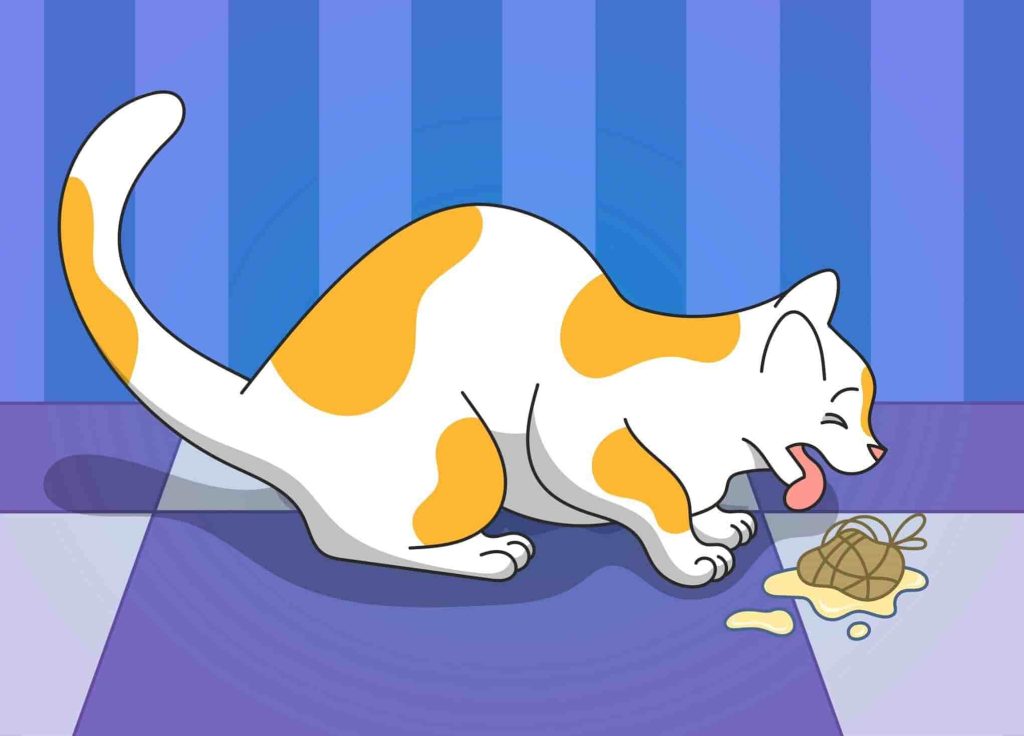
Cats are charming companions, but if you’re a cat owner, you know that dealing with hairballs is part of the package. Watching your furry friend struggle with a hairball can be both frustrating and worrisome.
You might wonder what you can do to help your cat get that stubborn hairball out. Well, you’re in the right place! We’ll explore simple and effective ways to assist your cat in overcoming hairball issues. By understanding the causes and applying easy-to-follow solutions, you’ll not only help your cat feel better but also strengthen your bond.
Stick around to discover how you can make your cat’s life more comfortable, ensuring fewer hairball episodes and more happy purrs.

Credit: www.wikihow.com
Causes Of Hairballs
Hairballs are a common issue for cats. They occur when your cat ingests loose hair while grooming. This hair accumulates in the stomach, forming a ball. Understanding the causes can help you manage this problem.
Why Cats Develop Hairballs
Cats groom themselves often. Their tongues have tiny barbs. These barbs catch loose hair. This hair is swallowed and usually passes through the digestive system. Sometimes, the hair doesn’t pass and forms a hairball.
Long-haired cats are more likely to develop hairballs. Shedding season increases hair intake. Stress can also lead to excessive grooming, increasing hairball risk.
Common Symptoms
Hairballs can cause noticeable symptoms. Your cat might cough or hack, trying to expel the hairball. You may hear your cat retching. It’s a sign they’re trying to vomit up the hairball.
Loss of appetite can occur if a hairball is causing discomfort. You might notice constipation or lethargy. These symptoms can indicate hairball complications.
Frequent hairballs require attention. Consult your vet for persistent issues.
Prevention Strategies
Help your cat pass hairballs by grooming them regularly to reduce shedding. Encourage hydration by offering fresh water. Add fiber-rich foods or special hairball control treats to their diet.
Helping your cat avoid the discomfort of hairballs is a task every cat owner should prioritize. Hairballs can cause distress for your feline friend, but with some simple prevention strategies, you can significantly reduce their occurrence. By focusing on regular grooming and making smart dietary adjustments, you’ll not only make your cat more comfortable but also strengthen the bond between you two. Let’s dive into these practical tips.Regular Grooming Techniques
Regular grooming is essential for preventing hairballs. Brushing your cat helps remove loose hair that might otherwise end up in their stomach. Aim to brush your cat a few times a week. If your cat has long hair, like a Maine Coon or Persian, you might need to do it daily. Make grooming a bonding time. Choose a quiet spot and use a brush your cat likes. Have you noticed how some cats purr when brushed? This can turn a chore into a pleasant experience for both of you.Dietary Adjustments
Your cat’s diet plays a crucial role in managing hairballs. A diet rich in fiber can help move hair through the digestive tract more efficiently. Consider foods specifically designed to prevent hairballs. These often contain added fiber and ingredients like beet pulp. Would your cat benefit from added moisture in their diet? Wet food can help, as hydration aids digestion. Some cat owners even add a bit of canned pumpkin to their cat’s diet for fiber. Does your cat drink enough water? Encouraging more water intake can improve digestion and reduce hairball issues. Try placing multiple water bowls around your home or investing in a cat water fountain. By implementing these grooming and dietary strategies, you can help your cat stay happy and healthy. What steps will you take today to prevent hairballs in your feline friend?Home Remedies
Dealing with cat hairballs can be a hairy situation, but fear not! There are home remedies that can help your feline friend pass those pesky hairballs. By using natural oils, supplements, and ensuring proper hydration, you can make a difference in your cat’s health and happiness. Let’s dive into some practical tips that can ease your cat’s discomfort and promote a hairball-free life.
Natural Oils And Supplements
Natural oils like olive oil and coconut oil can be your cat’s best friend. They act as a lubricant to help your cat pass hairballs more easily. Try adding a teaspoon to your cat’s food once a week.
Did you know that pumpkin is not just for pies? It’s rich in fiber and can help with digestion. Adding a small amount to your cat’s diet can keep hairballs at bay.
Consider supplements like fish oil, which is high in omega-3 fatty acids. These can improve your cat’s coat, reducing shedding and, consequently, hairball formation.
Hydration Tips
Is your cat drinking enough water? Hydration is key to preventing hairballs. Ensure fresh water is always available to encourage regular drinking.
Try a cat fountain. Cats are naturally attracted to flowing water and may drink more from a fountain than a stagnant bowl.
Wet food can also be a great way to add moisture to your cat’s diet. The extra hydration can aid in digestion and help move hair through the system.
Have you ever thought about what your cat might be trying to tell you through its grooming habits? Observing your cat’s behavior can provide insights into their health needs.
Remember, each cat is unique. What works for one might not work for another. Have you tried any of these remedies, or do you have a secret tip to share? Let us know!
Over-the-counter Solutions
Finding an effective way to help your cat pass hairballs can be a relief for both you and your feline friend. Over-the-counter solutions offer practical choices to prevent and manage this common issue. With products readily available at pet stores, you can easily enhance your cat’s health without a trip to the vet. Let’s explore some of these solutions that can make a difference.
Hairball Control Foods
Sometimes, simply switching your cat’s food can be a game-changer. Hairball control foods are specially formulated to aid digestion and minimize hairball formation. These foods often contain higher fiber content and unique ingredients that promote the passage of hair through the digestive system.
Consider brands that have a proven track record. You might find that your cat’s coat becomes shinier and softer, as these foods also support skin health. It’s a win-win situation. Have you noticed a positive change in your cat’s behavior after a diet switch?
Specialty Treats
Another delightful option is offering specialty treats designed to reduce hairballs. These treats are not only tasty but also contain ingredients that help break down hair in the stomach. They make it easy to reward your cat while supporting their health.
Look for treats with added enzymes or oils that facilitate digestion. This can make the task less daunting for your cat, and less stressful for you. Imagine the joy of seeing your cat enjoy a treat that also contributes to their well-being. Have you tried different flavors to see which one your cat loves?
Over-the-counter solutions provide accessible ways to help your cat with hairballs. By trying new foods and treats, you can find what works best for your feline friend. What changes have you noticed after introducing these solutions?
Veterinary Intervention
Cats often struggle with hairballs. A balanced diet helps prevent them. Use special cat food or treats. Regular grooming is key. Brush their fur to reduce shedding. Veterinary intervention might be necessary for persistent issues. Professional advice ensures your cat stays healthy and comfortable.
Veterinary InterventionCats are known for their grooming habits, and hairballs are often an unwelcome consequence. While most cats can handle this themselves, some may struggle. Veterinary intervention becomes crucial when your cat’s health is at risk. Does your cat frequently cough or gag without producing a hairball? Are you noticing weight loss or lethargy? These could be signs that your cat needs professional help.When To Seek Professional Help
Hairballs are common, but chronic issues shouldn’t be ignored. If your cat seems distressed or exhibits persistent vomiting, it’s time to consult a vet. Your vet can assess if an underlying condition is causing the problem. Sometimes, hairballs may lead to intestinal blockages, which are serious and require immediate attention. Have you ever had to rush your cat to the vet for an unexpected issue? It’s a reminder of how quickly problems can escalate. Prompt action can save your pet from discomfort.Possible Medical Treatments
Once at the vet, there are several treatments they might suggest. Lubricants can be prescribed to help hairballs pass more easily through the digestive tract. In severe cases, surgery might be necessary to remove a blockage. This is rare but underscores the importance of professional intervention. It’s essential to follow your vet’s advice closely. Medication and dietary changes can make a significant difference in your cat’s health. Consider this: your quick decision to seek help could be the difference between a minor issue and a major health crisis for your furry friend.
Credit: www.wikihow.com
Monitoring And Maintenance
Keeping your cat’s digestive health in check involves regular grooming to minimize hairball formation. Encourage hydration to aid digestion. Provide fiber-rich food or specialized hairball formulas to help the cat pass hairballs naturally.
Monitoring and maintaining your cat’s health is crucial, especially when it comes to hairballs. These little bundles can cause your furry friend discomfort and may lead to more serious health issues if not addressed. By keeping an eye on how often your cat experiences hairballs and implementing long-term care practices, you can help reduce their occurrence and keep your cat comfortable.Tracking Hairball Frequency
Keeping track of how often your cat coughs up a hairball can provide valuable insights into their health. You might notice that during certain seasons, your cat sheds more and produces more hairballs. Use a simple notebook or your phone to log each occurrence. Note the date, time, and any other observations like changes in behavior or appetite. Ask yourself, is this happening more often than usual? If yes, it might be time to consult your vet.Long-term Care Practices
Implementing long-term care practices can significantly reduce the frequency of hairballs. Regular grooming is a must. It helps remove excess fur and can be a great bonding activity. Consider a special diet or treats designed to manage hairballs. These can help move hair through the digestive system more easily. Ensure your cat stays hydrated. Fresh water is essential for their digestive health. Have you tried adding a little pumpkin to their diet? Some cats love it, and it can help with digestion. By actively tracking and maintaining your cat’s health, you’re not just helping them with hairballs. You’re contributing to their overall well-being. Always remember, a little observation and care can go a long way in keeping your feline friend happy and healthy.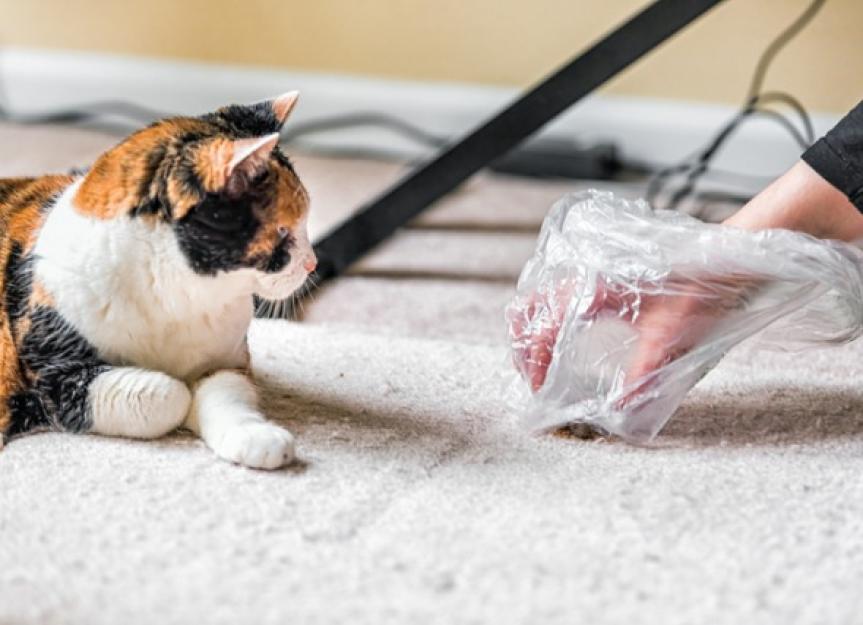
Credit: www.petmd.com
Frequently Asked Questions
Is There A Way To Help A Cat Cough Up A Hairball?
Encourage your cat to drink water and groom regularly. Provide hairball-specific cat food or treats. Brushing your cat daily can reduce shedding. Consider using a vet-approved hairball remedy or lubricant. Consult a vet if hairballs persist.
How To Get A Cat To Remove A Hairball?
To help a cat remove a hairball, provide plenty of fresh water and fiber-rich food. Regular grooming reduces loose fur. Consider cat-safe hairball remedies or treats. Consult a vet if hairballs persist or cause distress.
What Causes Hairballs In Cats?
Hairballs form when cats groom themselves and ingest loose hair. This hair accumulates in their stomach, forming a hairball. Long-haired cats are more prone to hairballs. Regular grooming and a balanced diet can help reduce hairball formation.
How Can I Prevent Cat Hairballs?
To prevent hairballs, brush your cat regularly to remove loose fur. Offer specialized hairball control cat food. Ensure your cat stays hydrated and encourage play to minimize grooming behavior. Regular vet check-ups can also help in early detection and prevention.
Conclusion
Helping your cat with hairballs is essential. Simple steps can make a difference. Regular brushing reduces loose fur. A balanced diet aids digestion. Hydration keeps the digestive system active. Consider special cat food if needed. Observe your cat’s behavior closely.
Consult a vet if issues persist. Hairballs are common but manageable. Your cat’s comfort matters. Patience and care go a long way. Implement these tips for a happier, healthier cat. Your furry friend deserves the best care. A little effort ensures your cat’s well-being.
Keep these strategies in mind. Happy cat, happy home!