How to Eliminate Hairballs in Cats: Effective Solutions
Are you tired of finding hairballs scattered around your home and worried about your cat’s comfort and health? You’re not alone.
Hairballs are a common issue for cat owners, but they don’t have to be an inevitable part of life with your feline friend. Imagine a cleaner home and a happier, healthier cat. Sounds good, right? We’ll uncover the simple yet effective ways to eliminate hairballs in cats.
By following these steps, you can reduce the stress for both you and your beloved pet. Ready to discover the secrets to a hairball-free life? Keep reading to find out how!
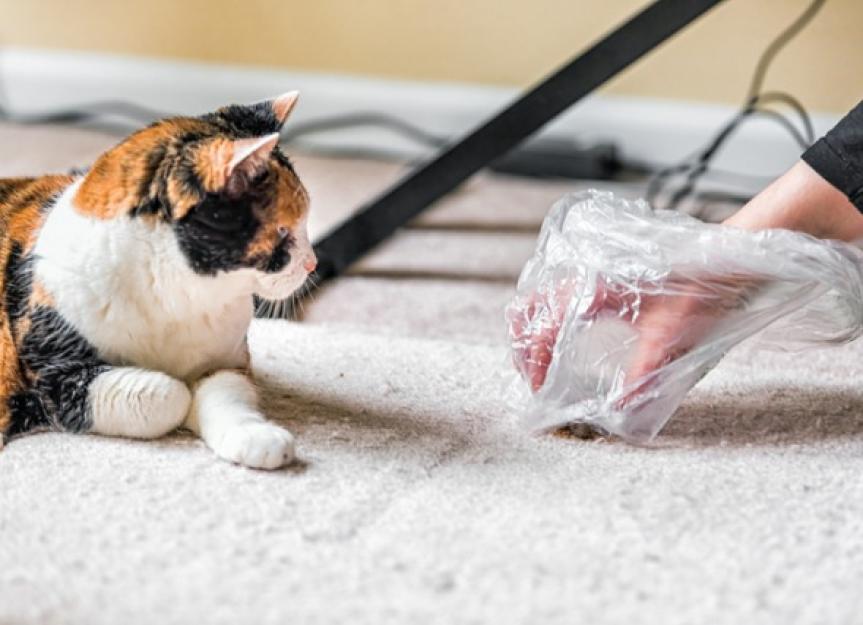
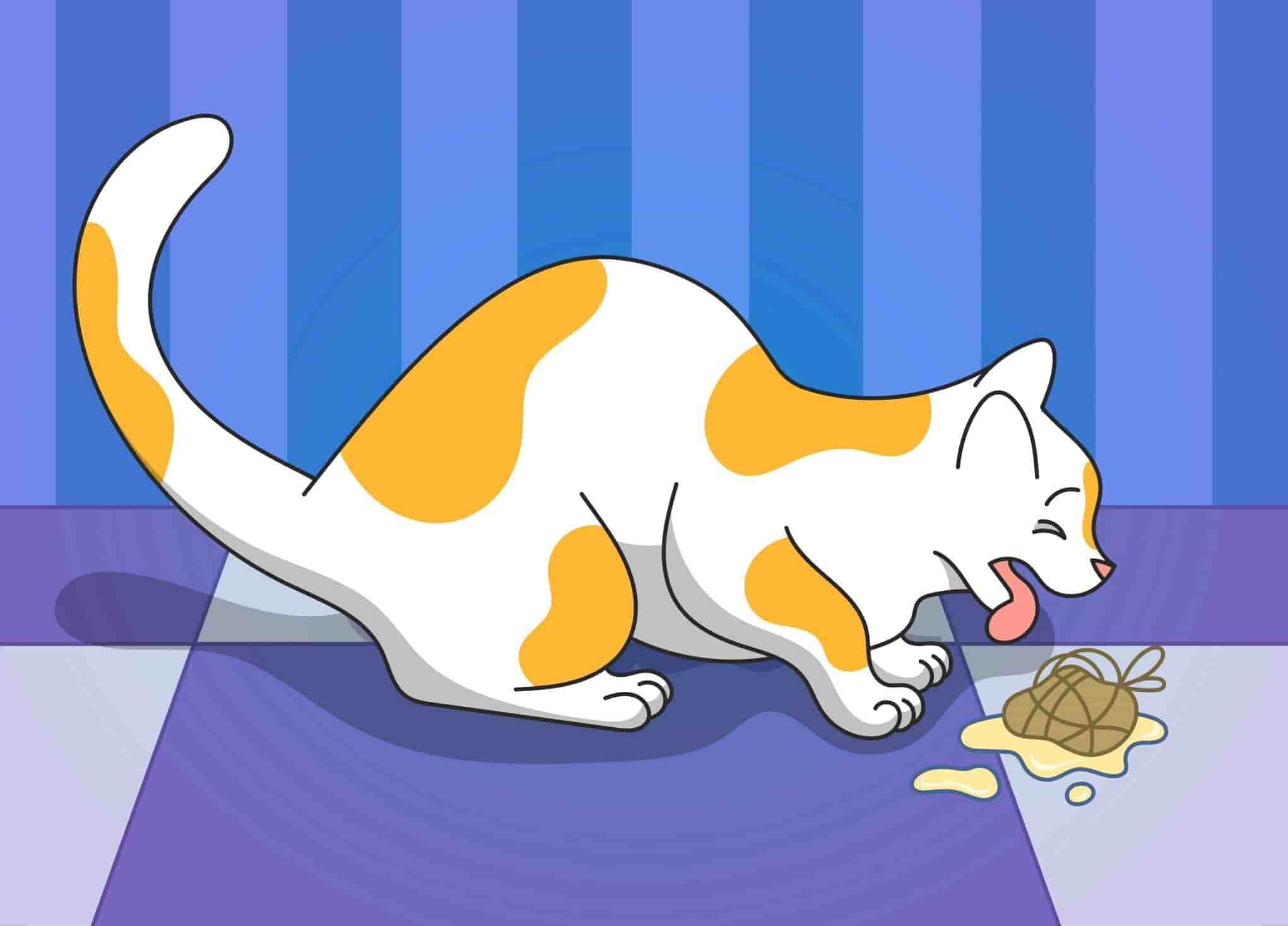
Credit: www.petmd.com
Causes Of Hairballs
Cats often develop hairballs due to self-grooming, which leads to ingested fur. Eliminate hairballs by regular brushing and providing a balanced diet.
Understanding the causes of hairballs in cats is essential for keeping your feline friend healthy and comfortable. Hairballs are more than just a nuisance—they can be a symptom of underlying issues related to grooming and digestion. By exploring the reasons behind this common problem, you can take proactive steps to help your cat lead a happier, hairball-free life.Natural Grooming Habits
Cats are fastidious creatures. They spend a significant portion of their day grooming themselves. This behavior is natural and beneficial as it helps remove dirt and loose fur. However, during this process, cats inevitably swallow some of their fur. Long-haired breeds, like Persians, may ingest more fur than short-haired cats, increasing their risk for hairballs. I once noticed my cat, Luna, grooming herself meticulously after every meal. It was fascinating to watch her dedication, but it also made me realize how much fur she was ingesting. While grooming is essential, consider brushing your cat regularly to minimize the amount of loose fur they can swallow.Digestive System Function
A cat’s digestive system plays a crucial role in the formation of hairballs. Normally, swallowed fur passes through the digestive tract and is expelled in the stool. However, if the fur accumulates in the stomach or intestines, it can form a hairball. A healthy digestive system can efficiently handle small amounts of fur. But what happens if your cat’s digestion is compromised? Any irregularity, such as constipation or indigestion, can hinder the passage of fur, leading to the dreaded hairball. Ensuring your cat’s diet includes enough fiber and hydration can promote a healthy digestive tract. Consider this: Have you ever noticed that your cat seems more prone to hairballs after a change in diet? This might be a sign that their digestive system needs support. Pay attention to their dietary needs and consult your vet if you notice any changes in their digestion. By understanding these causes, you can make informed decisions to prevent hairballs and improve your cat’s well-being. What strategies will you try to reduce hairballs in your cat’s life?
Credit: www.tractorsupply.com
Symptoms Of Hairballs
Cats often struggle with hairballs, showing symptoms like vomiting and constipation. Regular grooming and hairball-control diets can help reduce their frequency.
Cats are known for their meticulous grooming habits, but this can sometimes lead to an unpleasant side effect—hairballs. These clumps of fur form in your cat’s stomach after they swallow loose hair. While occasional hairballs are normal, frequent occurrences can be a sign of a bigger problem. Recognizing the symptoms of hairballs in your feline friend can help you address the issue before it becomes serious.Common Warning Signs
Cats often show specific signs when they’re dealing with hairballs. You might notice them coughing, gagging, or retching without producing anything. This can be alarming, especially if it happens frequently. My own cat, Whiskers, used to make such noises, and it was quite distressing until I learned to recognize it as a hairball issue. Another sign is the presence of hairball vomit. It’s not pleasant to find, but it’s a clear indicator that your cat is dealing with hairballs. Pay attention to your cat’s litter box habits as well. Constipation or diarrhea can sometimes accompany hairball problems.When To Consult A Veterinarian
While occasional hairballs are normal, persistent symptoms can indicate a more serious problem. If your cat is continuously retching without producing a hairball, it might be time to see a vet. Whiskers once went through a period where his symptoms didn’t subside, and the vet discovered an obstruction that needed attention. Look out for signs of lethargy or a loss of appetite. These could point to a blockage in their digestive system, which can be dangerous. Weight loss is another red flag. If you notice these symptoms, it’s wise to consult a veterinarian promptly. Have you ever considered that your cat’s grooming could be a sign of stress or boredom? Addressing the root cause might reduce hairballs. By staying vigilant to these symptoms, you can ensure your cat stays healthy and happy.Dietary Adjustments
Adjusting a cat’s diet can help reduce hairballs. Include high-fiber foods or hairball control formulas. Regular grooming and hydration also support a healthy digestive system.
Cats are wonderful companions, but dealing with hairballs can be a challenge. Making smart dietary adjustments is a proactive way to address this issue. By tweaking what your cat eats, you can significantly reduce the frequency of hairballs, keeping both your pet and your home cleaner.High-fiber Foods
Fiber plays a crucial role in aiding digestion. By adding high-fiber foods to your cat’s diet, you’re helping push ingested hair through their system more efficiently. Many cat owners have found success with pumpkin. It’s not only high in fiber but also generally loved by cats for its taste. You might be surprised how a spoonful of pumpkin mixed into your cat’s meal can make a big difference. Another option is to look for cat treats that contain added fiber. These treats can be a fun and effective way to boost your cat’s fiber intake without altering their main meals dramatically.Specialized Cat Food
Switching to specialized cat food designed to reduce hairballs can be a game-changer. These foods often contain a balanced mix of nutrients aimed at promoting a healthy coat and digestive system. Brands like Hill’s Science Diet and Royal Canin offer hairball control formulas. They are formulated to not just manage hairball formation but also support overall cat health. Consider trying one of these specialized foods if regular high-fiber diets don’t seem to work. It might be just what your feline friend needs for smoother digestion. Have you ever noticed how your cat seems more playful and energetic when they’re not dealing with hairballs? It’s a small change that can make a big impact on their happiness and your peace of mind. So, what dietary change will you try next for your cat?Grooming Techniques
Preventing hairballs in cats involves regular grooming. Brushing your cat often reduces loose fur, minimizing hairball formation. Consider a diet with high fiber to help them digest fur better.
Grooming your cat is not just a bonding experience. It’s a crucial step in reducing those pesky hairballs. Cats, with their fastidious grooming habits, often swallow loose hair. While some hair can pass through their digestive tract, it can sometimes clump together, leading to hairballs. Effective grooming techniques can significantly minimize this problem. Let’s look at some practical ways to keep your feline friend comfortable and your floors hairball-free.Regular Brushing
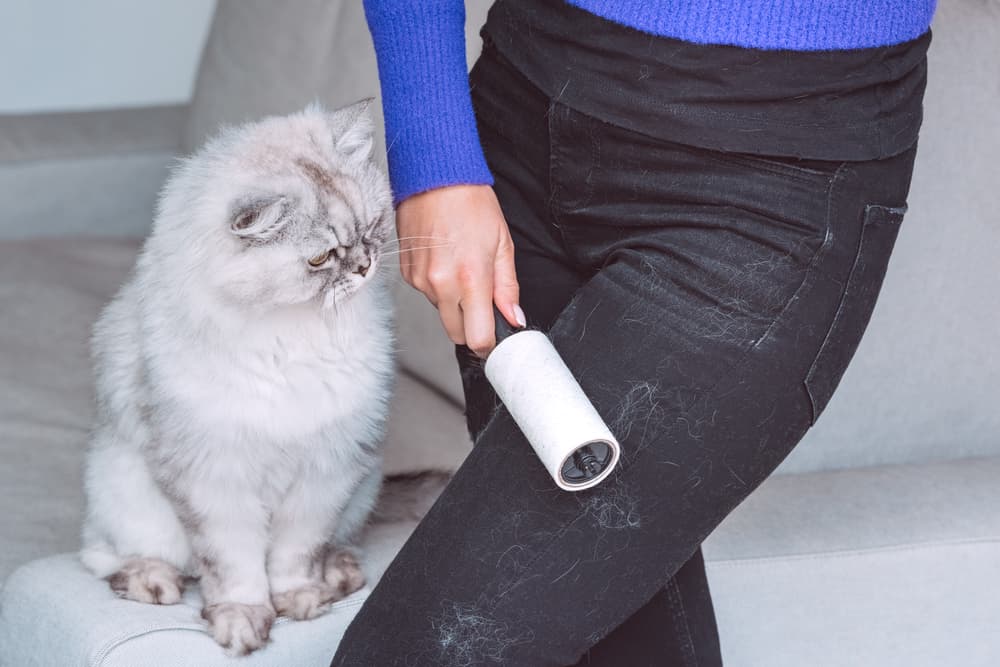
Brushing your cat regularly is the simplest way to reduce loose hair. Depending on your cat’s fur type, you might need a different brush. A short-haired cat might benefit from a bristle brush, while a long-haired feline might need a slicker brush. Aim to brush your cat at least a few times a week. If your cat enjoys it, daily brushing can be a great habit. This reduces shedding and keeps your cat’s coat healthy. Plus, it’s a wonderful way to spend some quality time together. Have you ever noticed how your cat purrs during a grooming session? It’s their way of saying, “Thank you for making me feel good!” By brushing regularly, you’re not just reducing hairballs but also strengthening your bond.Bathing And Fur Care
Bathing might not be every cat’s favorite activity, but it can be beneficial. Occasional baths help remove excess oil and dirt, making the fur less likely to tangle and shed. Use a cat-specific shampoo to avoid skin irritation. If your cat is particularly averse to water, consider using cat wipes or dry shampoos. These can be a less stressful alternative and still help maintain fur health. Regular fur care also includes checking for knots and tangles. Long-haired cats, in particular, can develop mats if not groomed properly. Gently work through any tangles you find to prevent them from worsening. How do you handle grooming with your cat? If you have tips or tricks that have worked wonders, share them in the comments. Your insights might just help another pet parent out there.Hydration Importance
Understanding the importance of hydration in cats is crucial. It plays a vital role in reducing hairballs. Proper hydration helps in digestion. It keeps the fur moving smoothly through the digestive tract. Cats often lack the instinct to drink water. This can lead to dehydration. Dehydration increases the risk of hairball formation. Ensuring your cat stays hydrated can prevent this issue.
Providing Fresh Water
Cats prefer fresh water. Stale water can deter them from drinking. Make sure to change their water daily. Use a clean bowl to serve it. Cats are picky about cleanliness. Consider a water fountain. Moving water attracts cats. It encourages them to drink more.
Wet Food Benefits
Wet food contains more moisture than dry food. It helps increase your cat’s water intake. This added hydration aids digestion. It helps in passing hair through the system. Wet food is also easier to digest. It reduces the chances of hairball formation.
Gradually introduce wet food to your cat’s diet. Some cats might need time to adjust. Choose high-quality wet food. Ensure it meets their nutritional needs.
Natural Remedies
Hairballs can be a messy problem for cat owners. Fortunately, natural remedies offer gentle solutions. These methods help your cat manage and reduce hairballs effectively.
Natural remedies focus on using simple, everyday ingredients. They are often safer and kinder to your pet’s system. Let’s explore some effective options below.
Herbal Supplements
Herbal supplements can aid in reducing hairballs. They work by improving your cat’s digestion. Herbs like slippery elm and marshmallow root are popular choices. They soothe the digestive tract and help hair pass naturally.
Adding these herbs to your cat’s diet is simple. Mix a small amount into their food. This gentle approach can make a noticeable difference.
Oils And Lubricants
Oils are another natural remedy for hairballs. Olive oil or coconut oil can help. They act as lubricants within your cat’s digestive system. This makes it easier for hair to pass through.
Add a teaspoon of oil to your cat’s meal once a week. This simple trick can reduce hairball formation significantly. Always consult your vet before starting any new treatment.
Veterinary Interventions
Cats often deal with hairballs, which can be uncomfortable. Regular grooming helps reduce loose fur. Specialized diets and lubricants can also aid digestion and minimize hairball formation.
When your beloved feline friend struggles with hairballs, it can be distressing for both of you. While home remedies and dietary changes help, sometimes professional veterinary interventions become necessary. You might wonder what a vet can do that you can’t. Let’s delve into some effective medical treatments that can provide relief for your cat and peace of mind for you.Medications
Veterinarians can prescribe medications that help your cat’s digestive system process hair more efficiently. These medications often come in the form of lubricants or enzymes. They help hair move smoothly through the digestive tract instead of forming a ball. Imagine how a simple addition to your cat’s routine can make a big difference. Lubricants, for example, coat the swallowed hair, preventing it from tangling. Does your cat often gag or cough without producing a hairball? Talk to your vet about enzyme supplements that break down hair more effectively.Surgical Options
Surgery might sound extreme, but in some severe cases, it’s the best option to remove a blockage. Cats that frequently vomit or show signs of distress should be examined. A persistent hairball can cause serious health issues if not addressed. Surgical intervention is usually the last resort. But knowing it’s an option can be reassuring. If your vet suggests surgery, they will explain the procedure, risks, and recovery process. Always ensure you’re comfortable with the proposed solution and understand the care your cat will need post-surgery. Have you ever considered how much trust you place in your veterinarian? Their expertise can transform a worrying situation into a manageable one. By exploring these interventions, you can ensure your cat’s comfort and happiness.
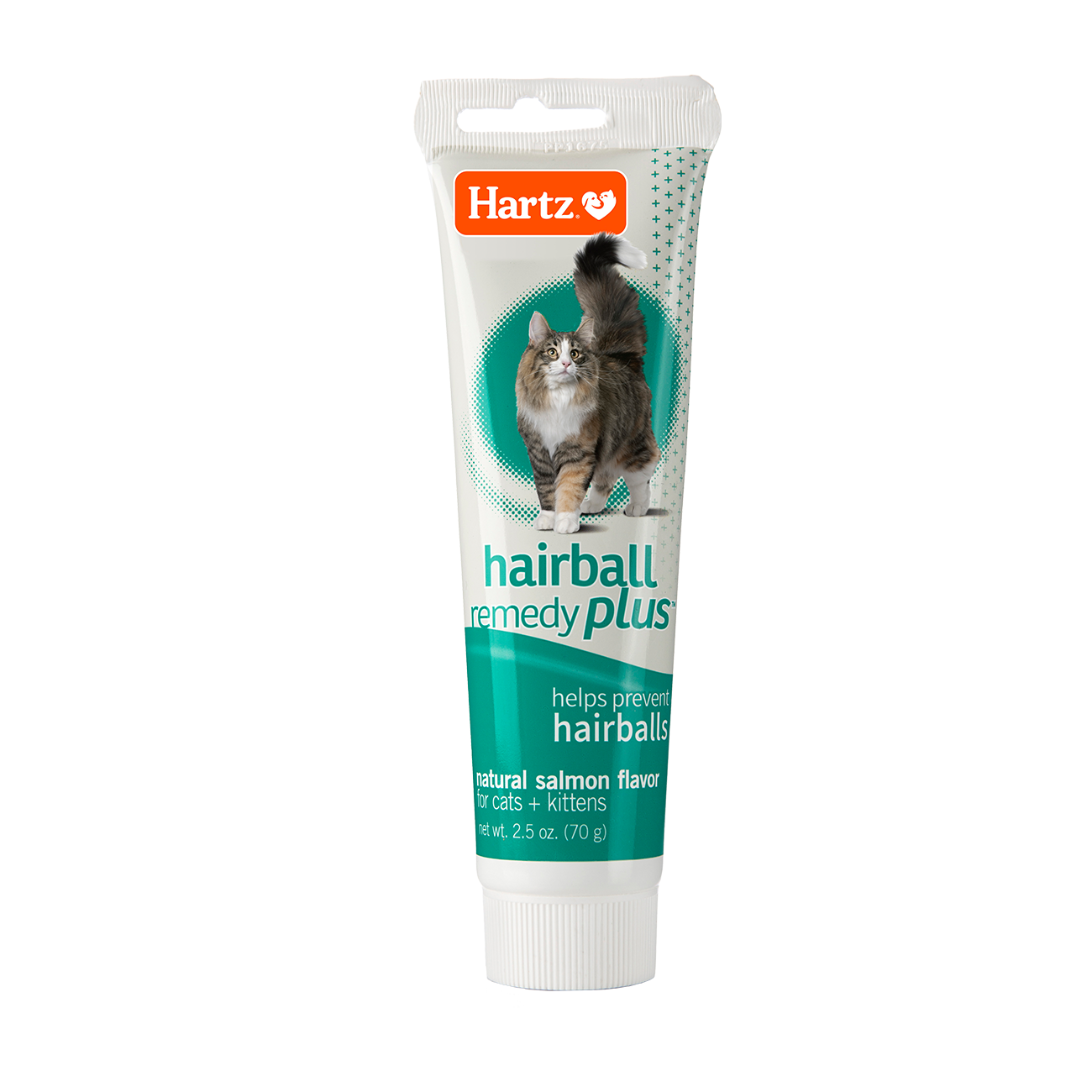
Credit: tomlyn.com
Preventive Measures
Preventing hairballs in cats is crucial for their health and your sanity. Cats naturally groom themselves, and this can lead to hairballs if not properly managed. By taking proactive steps, you can reduce the occurrence of hairballs and keep your feline friend happy and healthy. Let’s delve into some effective preventive measures.
Environmental Enrichment
Keeping your cat mentally and physically stimulated is not just fun but also essential for health. Cats that are active tend to groom less obsessively, which in turn reduces hairball formation.
Consider interactive toys or puzzle feeders that engage your cat’s mind and body. These tools can distract them from excessive grooming while providing exercise. My cat Luna loves her feather wand, and it’s amazing how less she grooms when she’s busy chasing it.
Have you considered setting up a cat-friendly space with climbing trees or shelves? This encourages exploration and burns energy. A simple cardboard box can also do wonders in keeping your cat entertained.
Routine Health Check-ups
Regular vet visits can catch underlying health issues early, including those that may contribute to excessive grooming and hairball problems.
Your vet can offer tailored advice on diet and grooming techniques. A simple dietary adjustment can sometimes make a world of difference in reducing hairballs.
Have you ever wondered if your cat’s behavior could signal a health issue? Routine check-ups ensure that any signs of distress or discomfort are addressed promptly, keeping your cat comfortable and hairball-free.
These preventive measures are simple yet effective. By incorporating environmental enrichment and regular health check-ups, you can significantly reduce hairballs in your cat’s life. What new approach will you take to keep your cat healthier and happier?
Frequently Asked Questions
How Can I Help My Cat Pass His Hairball?
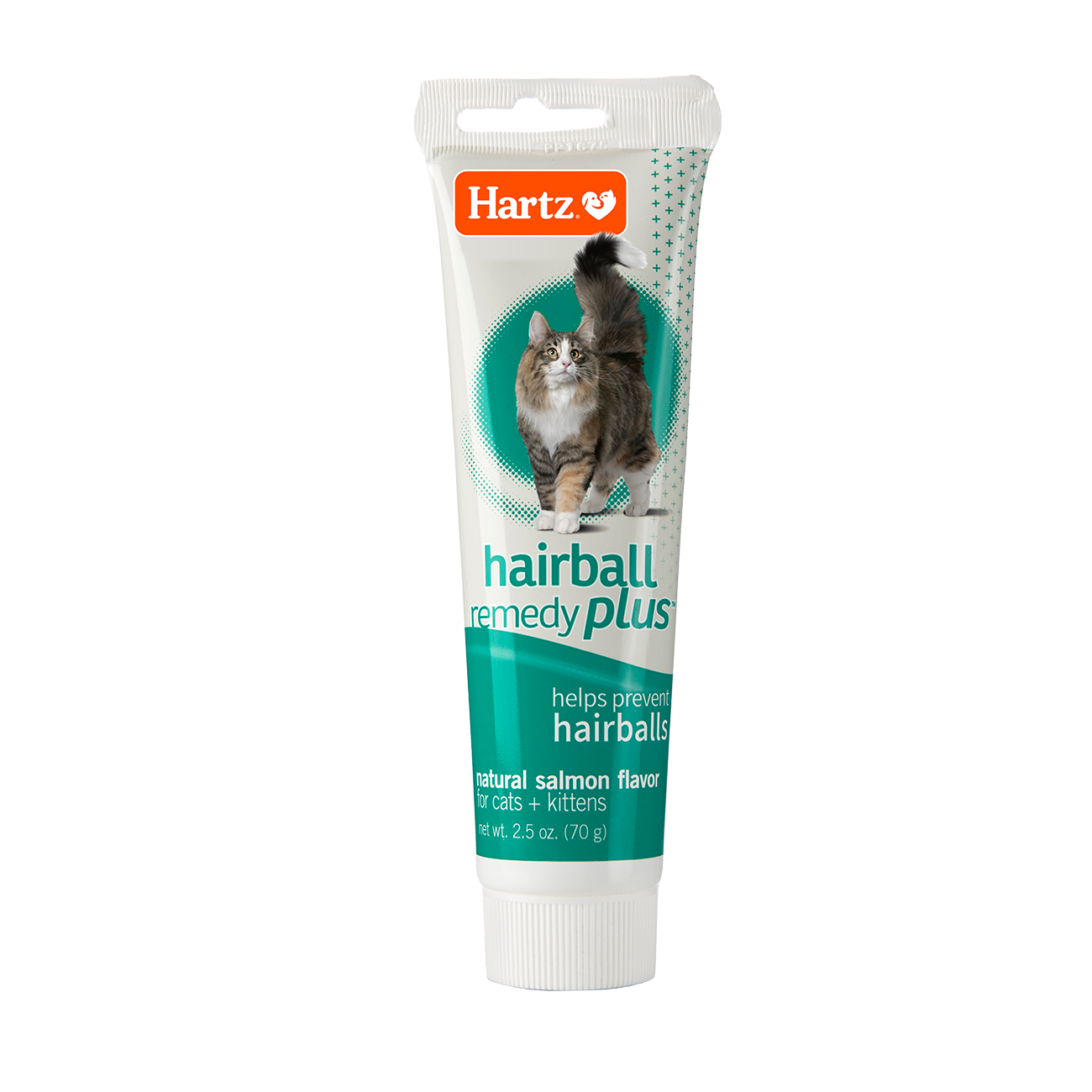
Feed your cat a hairball control diet or wet food. Regularly brush your cat to reduce shedding. Provide plenty of water and add a bit of pumpkin to their diet for fiber. Use a hairball remedy gel if needed. Consult a vet if issues persist.
What Do Vets Recommend For Hairballs?
Vets often recommend special hairball control cat food. Regular grooming and fiber supplements can also help reduce hairballs. Encourage hydration by providing fresh water and wet food. Consult your vet for the best solutions tailored to your cat’s needs.
What Happens If My Cat Can’t Cough Up A Hairball?
A cat unable to cough up a hairball might experience vomiting, hacking, or lack of appetite. Consult a vet if symptoms persist. A vet can help rule out any serious issues like blockages. Regular grooming and specialized diets can prevent hairball complications.
How Do You Get Rid Of A Hairball Blockage In A Cat?
To treat a cat’s hairball blockage, offer hairball-control cat food and plenty of water. Use a vet-recommended laxative or lubricant. If symptoms persist, consult your veterinarian immediately for professional care. Regular grooming can help prevent future hairball issues.
Conclusion
Keeping your cat free from hairballs is crucial. Regular grooming helps significantly. Feed a balanced diet rich in fiber. It aids digestion and reduces hairball formation. Encourage playtime to keep your cat active. Hydration plays a key role too. Ensure your cat drinks enough water.
Consider using hairball prevention products. They can be effective. Always consult your vet for the best advice. A hairball-free cat is a happier cat. Embrace these tips. Your feline friend will thank you. Healthy habits lead to a healthier cat.
Enjoy your time with a content, hairball-free kitty!

Similar Posts