
Do you find yourself puzzled by the prospect of brushing your cat? You’re not alone.
Many cat owners face the challenge of keeping their feline friends well-groomed without causing stress or discomfort. Brushing your cat is more than just a grooming task; it’s an opportunity to strengthen your bond and ensure your pet’s health. Imagine a home free from stray cat hairs, and a pet that looks and feels great.
But how do you achieve this without turning your grooming session into a wrestling match? In this guide, you’ll discover simple yet effective techniques to make brushing your cat a breeze. Get ready to transform your pet care routine and learn how to make this essential task enjoyable for both you and your furry friend. Keep reading to uncover the secrets to a happy, well-groomed cat.
Credit: www.youtube.com
Choosing The Right Brush
Selecting the perfect brush for your cat ensures a pleasant grooming experience. Consider your cat’s fur type and length. Soft bristles work well for short hair, while slicker brushes help untangle long fur. Regular brushing keeps your cat’s coat healthy and shiny.
Choosing the right brush for your cat can make grooming a pleasant experience for both you and your furry friend. Each cat has unique needs based on their breed, coat type, and personality. Picking the ideal brush is crucial to ensuring effective grooming. You might wonder, how do you decide on the perfect brush? Let’s explore the options together.Types Of Brushes
Understanding the variety of brushes available is the first step. Slicker brushes have fine, short wires close together. They’re great for removing loose fur and tangles. Pin brushes resemble human hair brushes with round-tipped pins. These are gentle and ideal for long-haired cats. Bristle brushes have soft, natural bristles that smooth the coat. Rubber brushes are perfect for short-haired cats and can double as a massager.Benefits Of Each Brush Type
Each brush type offers distinct advantages. Slicker brushes are excellent for reducing shedding and tackling matting in dense coats. Pin brushes not only detangle but also help to distribute your cat’s natural oils, leaving their fur shiny. Bristle brushes are superb for smoothing and adding sheen to the coat. Rubber brushes are beneficial for stimulating circulation and bonding with your cat. Choosing the right brush can enhance your grooming routine. Have you noticed your cat’s coat looking healthier after using a particular type of brush? Share your experience, and maybe you’ll help someone else find the perfect grooming tool.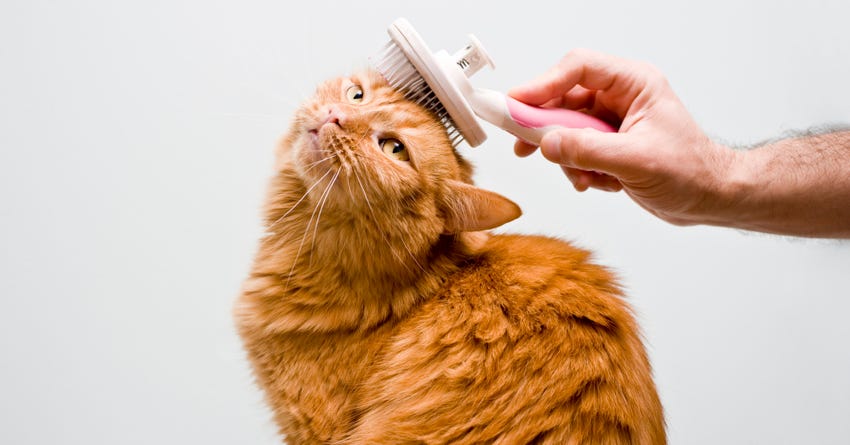
Credit: www.thehonestkitchen.com
Preparing Your Cat
Brushing your cat can be a simple task. Begin with a gentle approach, using a soft brush. Regular brushing keeps fur clean and reduces shedding.
Preparing your cat for brushing can make the experience enjoyable for both of you. Cats are creatures of habit, and sudden changes can make them uneasy. By setting the stage right, you can transform grooming time into a bonding moment. You might have observed your feline friend darting away at the sight of a brush. But don’t worry, with a few simple steps, you can change that. Let’s explore how you can create a calm environment and get your cat comfortable with brushing.Creating A Calm Environment
Begin by selecting a quiet area in your home. A place where your cat usually feels safe and relaxed. Avoid busy areas like the kitchen or living room, where distractions are plenty. Consider playing soft music to soothe your cat. This can help mask any sudden noises that might startle them. Dim the lights slightly to create a tranquil atmosphere. Make sure the temperature is comfortable, neither too hot nor too cold. Your cat will appreciate the extra effort to make them cozy.Getting Your Cat Comfortable
Start by letting your cat sniff and explore the brush. This helps them get used to the sight and smell. You can even leave the brush near their favorite nap spot for a few days. Spend some time petting your cat before introducing the brush. Use your hand to mimic the brushing motion. This builds trust and reassures them of your intentions. Offer treats or their favorite toy as a reward. Positive reinforcement works wonders in making grooming a pleasant experience. Have you ever tried giving your cat a gentle massage before brushing? It can work magic in easing their anxiety and making them more receptive. Remember, patience is key. Each cat is unique, and their comfort levels vary. With consistency and understanding, you can make brushing a delightful ritual. Are you ready to turn grooming into a cherished moment with your feline friend?Brushing Techniques
Brushing your cat can be a bonding experience. It also keeps their coat healthy. Using the right techniques ensures comfort and effectiveness. By understanding and applying these methods, you can make grooming enjoyable for your feline friend.
Gentle Strokes
Always begin with gentle strokes. Start with a soft brush to avoid pulling. This helps to relax your cat. Gentle strokes reduce stress and prevent discomfort. Your cat will enjoy the process more. Use slow, even movements. This creates a soothing effect. Be patient and attentive. Notice how your cat responds. Adjust your technique if needed.
Direction Of Brushing
Brush in the direction of hair growth. This minimizes tangles and irritation. Cats have sensitive skin. Brushing the wrong way can be painful. Always go with the natural flow of their fur. Start from the head and move towards the tail. This method maintains coat health. Pay special attention to common trouble spots. Behind the ears and under the legs often need extra care.
Handling Different Fur Types
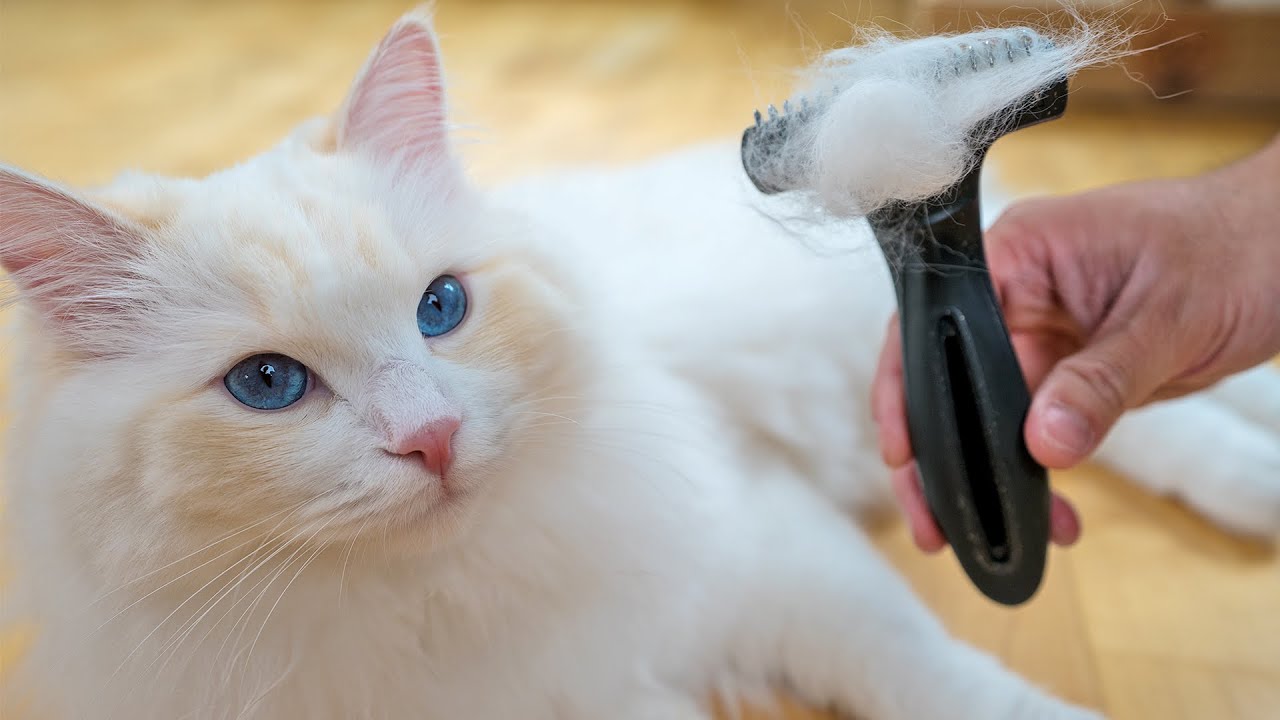
Different fur types require specific brushing methods. Short-haired cats need a gentle brush once a week. Long-haired breeds benefit from daily brushing with a wide-toothed comb to prevent tangles and matting.
Handling different fur types is crucial when it comes to brushing your cat. Each fur type demands a unique approach to ensure your feline friend remains comfortable and happy. You may wonder, “Does it really matter how I brush my cat?” Absolutely! Understanding your cat’s fur type can make brushing a bonding experience rather than a battle. Let’s break down the best methods for short-haired and long-haired cats to help you tackle this task with ease.Short-haired Cats
Short-haired cats usually require less grooming effort. Their fur doesn’t tangle as easily, but regular brushing is still important. Have you ever noticed how your short-haired cat sheds all over your favorite couch? Use a soft-bristle brush or a rubber grooming glove. These tools are great for removing loose fur and minimizing shedding around your home. Brush gently in the direction of hair growth to avoid irritating your cat’s skin. Incorporating brushing into playtime can be a smart move. Many cats love the feeling of being brushed and may even purr with delight. This makes grooming a positive experience for both you and your cat.Long-haired Cats
Long-haired cats demand more attention. Their luxurious locks can easily become tangled and matted. Does your long-haired cat often look like they’ve just rolled out of bed? Invest in a wide-toothed comb. This tool helps detangle knots without pulling on your cat’s sensitive skin. Start by gently combing the ends of the fur and work your way up to the roots. Regular brushing sessions are key to keeping your cat’s fur in top shape. Aim for daily grooming to prevent mats from forming. Your cat will appreciate the effort, and you’ll enjoy fewer fur balls around the house. Remember, every cat has a personality. Some may resist grooming initially. Be patient and gentle, and soon brushing will become a cherished routine. Do you have tips that work wonders for your cat? Share your insights and let’s create a community where our feline friends can shine!Dealing With Tangles And Mats
Brushing your cat gently helps prevent tangles and mats. Use a wide-toothed comb or brush designed for cats. Regular grooming keeps your cat’s coat smooth and healthy.
Dealing with tangles and mats in your cat’s fur can be a daunting task, but with patience and the right techniques, you can manage it effectively. Cats, especially long-haired breeds, are prone to developing mats due to their natural shedding and grooming habits. Tackling these issues not only helps maintain their sleek appearance but also ensures their comfort and health. Whether you’re a seasoned cat owner or new to the feline world, understanding how to handle these pesky fur problems can make a world of difference.Preventing Mats
Preventing mats before they form is the best strategy. Regular brushing is crucial—aim for at least once a week for short-haired cats, and more frequently for those with long hair. Choose a brush that suits your cat’s coat type. A soft bristle brush works well for short-haired cats, while long-haired cats benefit from a slicker brush. Create a routine that your cat looks forward to. Brushing can be a bonding experience, so approach it with a gentle touch and maybe a treat at the end.Removing Tangles Safely
Tangles can be tricky, but patience is key. Start by gently working through the outer layers of fur, gradually moving closer to the skin. A detangling spray can be your ally. Lightly mist the area and use a wide-toothed comb to separate the strands. Never yank or pull at tangles, as this can hurt your cat and damage their fur. If a knot seems stubborn, consider cutting it out carefully, but ensure your cat remains calm and still. — Have you ever faced the challenge of detangling your cat’s fur, only to find your pet seems less than cooperative? Building trust through gentle handling can make future grooming sessions a breeze. Remember, every cat is unique, and discovering what works for yours can turn brushing into a cherished routine.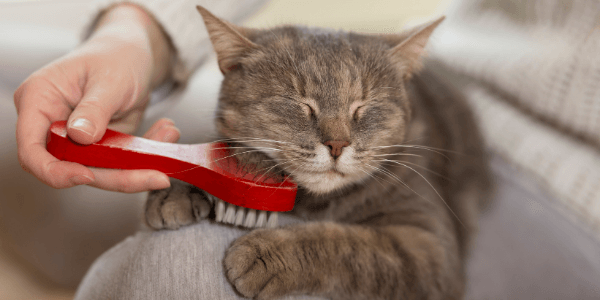
Credit: www.preventivevet.com
Frequency Of Brushing
Cats benefit from regular brushing to reduce shedding and prevent hairballs. Aim to brush your cat a few times a week. This helps keep their coat healthy and clean.
Understanding the ideal frequency for brushing your cat is crucial for maintaining their health and happiness. Regular grooming not only keeps your cat’s coat shiny and tangle-free but also strengthens the bond between you two. But how often should you brush your feline friend? The answer depends on your cat’s breed, coat length, and personal needs. Let’s break down the brushing routine into daily and weekly practices to see what fits best for your cat.Daily Brushing
Daily brushing is ideal for long-haired cats like Persians and Maine Coons. Their luxurious fur tangles easily, and daily attention prevents mats and reduces shedding. Start with a gentle brush, moving with the grain of the fur, and give extra love to areas prone to tangling, like the belly and behind the ears. Daily sessions don’t need to be long. Even five minutes can make a huge difference. If your cat is new to brushing, try incorporating it into their playtime routine. This makes the experience enjoyable and something they look forward to.Weekly Routine
Short-haired cats, such as Siamese or British Shorthair, typically require less frequent brushing. A weekly routine is often sufficient to remove loose fur and distribute natural oils throughout their coat. This keeps their skin healthy and their fur smooth. During your weekly brushing, pay attention to any changes in your cat’s skin or coat. Are there any new lumps or bald spots? Regular grooming can help you notice health issues early. Plus, it’s a great opportunity to check for fleas or ticks. Consider your lifestyle and your cat’s preferences when deciding on a brushing schedule. Some cats love the attention and would enjoy daily grooming, while others might prefer a less frequent routine. What works best for you and your cat?Signs Your Cat Enjoys Brushing
Cats purr or knead when they enjoy brushing. They lean into the brush, signaling comfort and pleasure. A relaxed posture during grooming indicates satisfaction.
Understanding whether your cat enjoys brushing can make grooming sessions a more pleasant experience for both of you. Cats, like humans, have their own unique ways of showing they are comfortable and happy. By paying attention to specific signs, you can ensure that your brushing routine is a positive one. Let’s dive into the signs your feline friend is enjoying their grooming session.Positive Body Language
Cats communicate a lot through their body language. A cat that enjoys brushing might lean into the brush, signaling they are comfortable and happy. You might notice your cat’s tail is upright or gently swaying, which is a clear indicator of contentment. Observe if your cat is kneading with their paws. This is a typical sign of trust and pleasure. Have you seen your cat’s eyes slowly blinking during brushing? That’s their way of showing affection.Purring And Relaxation
Purring is often a sign of a happy cat. If your cat purrs while being brushed, it’s a good indication they are enjoying it. A relaxed cat might also flop over or expose their belly, showing they feel safe and comfortable. Does your cat start to fall asleep during brushing? This shows they are completely relaxed and trust you. If your cat is calm and serene after a brushing session, it’s a testament to how much they enjoy it. Have you noticed any of these signs in your own cat? Understanding your cat’s signals can greatly enhance your grooming routine and strengthen your bond.Common Mistakes To Avoid
When brushing your cat, it’s easy to make mistakes that can lead to discomfort or even resistance from your furry friend. Understanding these common pitfalls can make grooming a more pleasant experience for both you and your cat. Let’s dive into the most frequent mistakes and learn how to avoid them for smoother brushing sessions.
Brushing Too Hard
One of the most common errors is applying too much pressure while brushing. Cats have sensitive skin beneath their fur, and harsh brushing can lead to irritation or pain. You might think you’re doing a thorough job, but your cat could be feeling overwhelmed.
Consider how you would feel if someone brushed your hair too aggressively. It’s uncomfortable, right? Using a gentle hand ensures your cat associates grooming with a positive experience. Try using a brush with soft bristles and be mindful of your pressure.
Ignoring Sensitive Areas
Many pet owners overlook the importance of gently brushing areas like the belly or behind the ears. These spots can be ticklish or sensitive, and rushing through them can cause stress. Cats often show discomfort by squirming or avoiding the brush altogether.
Think about the places you don’t like being touched unexpectedly. Your cat feels similarly about certain areas. Approach these spots with care and observe your cat’s reactions. Use slow, gentle strokes and watch for any signs of distress.
Have you ever considered why your cat avoids grooming sessions or reacts negatively? Sometimes, it’s simply because we’re not aware of these common mistakes. Paying attention to your technique and your cat’s comfort can transform grooming into a bonding moment rather than a chore.
Post-brushing Care
Brushing your cat is essential for its health. After grooming, proper care is crucial. This ensures your cat stays comfortable and healthy. Post-brushing care involves rewarding them and checking their skin.
Rewarding Your Cat
After brushing, reward your cat. It makes them feel appreciated. Use treats or gentle petting. This encourages good behavior during future grooming. A happy cat is easier to brush next time.
Checking For Skin Issues
Inspect your cat’s skin post-brushing. Look for redness or irritation. Early detection prevents bigger health problems. Check for bumps or unusual textures. Spotting issues early helps in prompt treatment.
Always finish with a gentle pat. It shows your cat that grooming ends positively. This creates a healthy routine for both of you.
Frequently Asked Questions
What Is The Proper Way To Brush A Cat?
Use a brush suitable for your cat’s fur type. Start at the head, gently brushing towards the tail. Be gentle around sensitive areas like the stomach and legs. Regular brushing helps remove loose hair and reduce shedding. Always reward your cat with treats for a positive experience.
How Do You Brush An Unwilling Cat?
Gently hold your cat and start with a soft brush. Use calm, soothing tones to reassure them. Offer treats and take breaks to reduce stress. Gradually increase brushing sessions as they become more comfortable. Ensure a peaceful environment to keep them relaxed during the process.
Are You Supposed To Brush Your Cat?
Yes, brushing your cat is essential for maintaining its coat health. It reduces shedding and prevents hairballs. Regular grooming helps distribute natural oils and keeps fur smooth. Choose a brush suitable for your cat’s fur type. Aim for weekly sessions, or more frequently for long-haired breeds.
Do Cats Feel Better After You Brush Them?
Yes, cats often feel better after being brushed. Brushing removes loose fur and reduces shedding. It also stimulates blood circulation and distributes natural oils, promoting a healthier coat. Many cats enjoy the bonding time and the gentle massage-like sensation, which can lead to improved mood and comfort.
Conclusion
Brushing your cat can be a simple and fun routine. Start slow. Use gentle strokes to make your cat comfortable. Choose the right brush for your cat’s fur. Regular brushing can reduce shedding and hairballs. It strengthens your bond with your pet.
Cats enjoy the attention and feel relaxed. Establish a consistent brushing schedule. This helps maintain a healthy coat. Clean fur means fewer tangles and mats. Always reward your cat after brushing. Treats or praise work well. Keep brushing sessions short and sweet.
Happy brushing creates a happy cat.