How Often Should You Brush Cats Teeth: Essential Guide
Imagine this: you’re cuddling with your beloved cat when you catch a whiff of its breath—and it’s not pleasant. Just like humans, cats need regular dental care to maintain their oral health.
But how often should you brush your cat’s teeth to prevent dental issues? You might be surprised to learn that many pet owners overlook this crucial aspect of their cat’s well-being. By understanding the importance and frequency of brushing your cat’s teeth, you can enhance your pet’s life and strengthen your bond.
Stick around, because what you discover here could be the key to a healthier, happier feline friend!
Importance Of Cat Dental Care
Caring for your cat’s teeth is crucial for their health. Dental issues can lead to discomfort and serious health problems. Keeping your cat’s teeth clean can prevent these issues and improve their overall well-being.
Why Cat Dental Care Matters
Healthy teeth contribute to your cat’s overall health. Poor dental care can lead to infections and pain. It can even affect your cat’s eating habits and mood. Regular brushing helps avoid these problems.
Preventing Dental Disease
Dental disease is common in cats. It can cause bad breath, gum disease, and tooth loss. Brushing your cat’s teeth reduces the risk of dental disease. It helps keep their gums healthy and strong.
Improving Your Cat’s Quality Of Life
Good dental care improves your cat’s quality of life. Healthy teeth mean your cat can chew food easily. It enhances their comfort and happiness. Regular brushing is a simple way to help your cat live better.
Building A Routine
Establishing a dental care routine is important. Start when your cat is young, if possible. Gradually introduce brushing and make it a positive experience. Consistency is key to maintaining your cat’s dental health.
Signs Of Dental Issues In Cats
Cats often show dental issues through bad breath and difficulty eating. Brushing their teeth weekly helps prevent these problems. Regular dental care keeps your pet healthy and happy.
Noticing signs of dental issues in your cat is crucial for their overall health and happiness. Cats, like humans, can suffer from dental problems that may lead to pain or more serious health issues if not addressed. Understanding these signs will help you take action before things get worse.Common Signs Of Dental Problems
Cats are masters at hiding discomfort. However, there are telltale signs of dental issues you can spot. Bad breath is one of the most common indicators. If your cat’s breath smells unusually foul, it might be time to check their teeth. You might also notice your cat having difficulty eating or favoring one side of their mouth. This could be a sign of tooth pain or gum issues. Drooling, especially if it’s new behavior, can also indicate a problem.Visible Changes In The Mouth
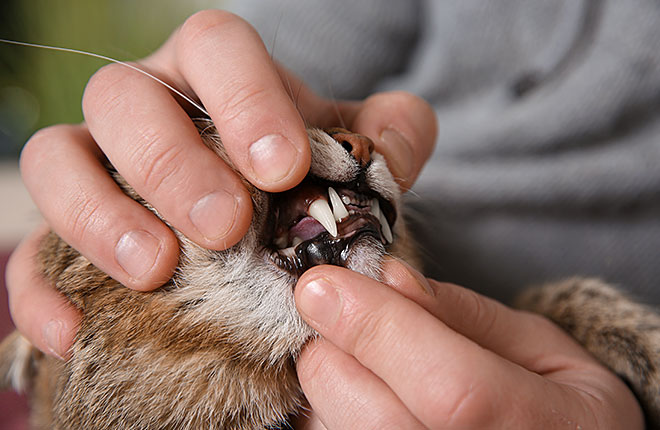
Sometimes, the signs are visible if you take a closer look at your cat’s mouth. Red or swollen gums could be a sign of gingivitis. If you see yellow or brown tartar on their teeth, it’s time to consider a dental cleaning. Loose or missing teeth are more serious signs that need immediate attention. Cats don’t lose adult teeth naturally, so this could indicate an underlying dental disease.Behavioral Changes
Have you noticed your cat acting differently? A usually playful cat becoming lethargic might be dealing with dental discomfort. Cats might also become irritable due to pain, leading to changes in their interaction with you. Pay attention if your cat stops grooming. Cats are typically fastidious groomers, and avoiding this behavior could mean they’re in pain.Why Early Detection Matters
Catching dental issues early can prevent more serious problems. Untreated dental diseases can lead to infections that might spread to other parts of the body. Addressing issues early saves your cat from discomfort and potential health complications. You can often prevent major dental problems with regular check-ups and a good dental care routine. Brushing your cat’s teeth might seem daunting, but it’s a proactive step for their health. Have you ever noticed these signs in your cat? Taking a moment to observe can make a big difference in their well-being. Don’t wait for the signs to become severe. Regularly checking your cat’s dental health can save you stress and your feline friend from pain.Recommended Brushing Frequency
Understanding the recommended frequency for brushing your cat’s teeth is crucial for maintaining their oral health. Just like humans, cats need regular dental care to prevent plaque buildup, which can lead to gum disease and other health issues. But how often should you really be brushing those tiny feline teeth?
The Ideal Frequency
Experts generally recommend brushing your cat’s teeth at least once a week. However, for optimal oral health, aim for 3-4 times per week. This consistent routine helps minimize plaque and tartar formation.
Think about your own dental hygiene habits. Would you feel comfortable skipping brushing for several days? Probably not. Your cat’s oral health deserves the same attention.
Building Up To Regular Brushing
If your cat is new to dental care, start gradually. Begin by introducing the toothbrush without toothpaste. Let them get used to the sensation and texture first. Reward them with treats to create positive associations.
As they grow accustomed to the routine, slowly introduce toothpaste designed specifically for cats. Never use human toothpaste—it can be harmful to them.
Signs You Might Need To Brush More Often
Pay attention to signs indicating you might need to increase brushing frequency. Bad breath, visible plaque, or swollen gums are red flags. These symptoms can suggest your cat’s dental hygiene needs more attention.
Imagine the discomfort of sore gums. Regular brushing can help prevent this and keep your cat happy and healthy.
What If Your Cat Resists?
It’s not uncommon for cats to resist brushing. If your cat is stubborn, try using dental wipes or gels as alternatives. These can be easier to apply and still help reduce plaque.
Have you ever tried negotiating with a cat? It’s a challenge, but patience and persistence can pay off. Remember, your efforts are investing in their long-term health.
Does your cat tolerate brushing well, or do you have to resort to creative tactics? Share your experiences and tips in the comments below. Your insights could be the solution another pet owner is looking for!
Choosing The Right Toothbrush And Toothpaste
Choosing the right toothbrush and toothpaste for your cat can make a big difference in their dental health. Cats need gentle care to maintain their teeth. Just like humans, the tools you use matter. Selecting the correct products ensures your cat’s comfort and safety during brushing.
Choosing The Right Toothbrush
Cat toothbrushes come in various styles. Some are similar to human toothbrushes but smaller. Others fit over your finger. Soft bristles are crucial. They prevent damage to your cat’s gums. A finger brush gives you more control. It’s a good choice for beginners. The size should match your cat’s mouth. Too big can be uncomfortable. Too small might not clean effectively.
Finding The Best Toothpaste
Human toothpaste is harmful to cats. Cat toothpaste is specially formulated. It often comes in flavors cats enjoy. Chicken and fish are common flavors. This can make brushing less stressful. Check for veterinary-approved options. These are safe and effective. Avoid products with strong chemicals. They can irritate your cat’s mouth.
Introducing The Toothbrush And Toothpaste
Start by letting your cat sniff the toothbrush. Familiarity reduces fear. Reward them with a treat. Apply a small amount of toothpaste. Let them lick it off. This helps them get used to the taste. Gradually introduce brushing in short sessions. Patience is key to success.
Creating A Routine
A regular brushing schedule is essential. Aim for two to three times a week. Consistency helps maintain dental health. Choose a quiet time when your cat is calm. Avoid brushing right after meals. It can be uncomfortable for your cat.
Choosing the right tools and methods makes brushing easy. It ensures your cat’s teeth stay healthy and clean.
Effective Brushing Techniques
Effective brushing techniques for cats can make a big difference. Regular brushing keeps their teeth healthy and prevents dental problems. Many cat owners wonder about the right way to brush their cat’s teeth. Using proper techniques can help you and your cat feel comfortable during this routine.
Choosing The Right Toothbrush
Pick a toothbrush designed for cats. Small, soft bristles work best. They fit easily in a cat’s mouth and avoid hurting their gums. You can also use a finger brush for better control.
Finding The Right Toothpaste
Use toothpaste made for cats. Human toothpaste is harmful for them. Cat toothpaste comes in flavors like chicken or fish, making the process easier. These flavors can help your cat enjoy the brushing routine.
Establishing A Routine
Brush your cat’s teeth regularly. Aim for a few times a week. Consistent brushing helps maintain their oral health. Start slowly and increase frequency as your cat gets used to it.
Using Gentle Motions
Brush gently to avoid discomfort. Use circular motions to clean teeth and gums. Focus on the outside surfaces of the teeth. Be patient and calm to keep your cat relaxed.
Creating A Positive Experience
Reward your cat after brushing. Use treats or praise to make it a positive experience. This helps them associate brushing with something good. Over time, your cat may even look forward to it.

Credit: www.youtube.com
Alternatives To Brushing
Brushing a cat’s teeth can be challenging. Cats often resist, making it hard for owners. Fortunately, there are alternatives to maintain dental health. These methods can help reduce plaque and freshen breath without brushing. Let’s explore some effective options.
Dental Chews And Treats
Dental chews help clean teeth as cats chew. They come in various flavors that cats love. The texture of these treats helps scrape away plaque. Always choose chews approved by veterinarians for safety.
Dental Toys
Dental toys provide a fun way to clean teeth. These toys have textures that help remove debris. Cats enjoy playing, making dental care less stressful. Ensure the toys are safe and suitable for your cat’s size.
Water Additives
Water additives can support oral health. These solutions mix with your cat’s drinking water. They help reduce bacteria and freshen breath. Always follow the recommended dosage for best results.
Dietary Changes
Some cat foods are designed for dental health. These foods have a texture that helps clean teeth. They can reduce plaque and tartar buildup. Consult your veterinarian for dietary recommendations.
Regular vet visits are crucial for dental health. Vets can perform professional cleanings and check for issues. Early detection of dental problems prevents serious complications. Schedule regular check-ups to keep your cat healthy.
Tips For Training Your Cat
Brushing your cat’s teeth should be a regular part of their grooming routine. Aim to brush their teeth two to three times a week. This helps prevent plaque buildup and keeps their mouth healthy. Use a cat-friendly toothbrush and toothpaste for best results.
Training your cat to accept tooth brushing can be a rewarding experience for both of you. Cats are naturally independent creatures, and getting them comfortable with dental care requires patience and consistency. By introducing the concept gradually and making it a positive experience, you’ll find that dental hygiene becomes a seamless part of your routine.Start Slowly And Gently
Begin by letting your cat get used to the idea of having its mouth touched. Use your finger to gently rub their gums and teeth. This familiarizes them with the sensation and helps build trust. Offer a treat afterward to create a positive association. Don’t rush; patience is key.Choose The Right Tools
Invest in a cat-friendly toothbrush and toothpaste. Human toothpaste can be harmful to cats, so always choose a product designed for feline use. A toothbrush with soft bristles will be gentle on their gums. A finger brush can also be a great option to start with.Create A Routine
Consistency is crucial when it comes to training. Choose a specific time each day for tooth brushing to establish a routine. Cats thrive on routine, so they will eventually come to expect and accept this new part of their day.Use Positive Reinforcement
Reward your cat with a favorite treat or extra affection after each session. This reinforces the positive experience and encourages cooperation in the future. Praising your cat with a gentle voice can also be comforting.Be Patient And Observant
Pay attention to your cat’s cues. If they’re showing signs of stress or discomfort, take a break and try again later. Avoid forcing the process, as this can create negative associations. Over time, with patience, your cat will adapt.Involve Playtime
Incorporate playtime before and after brushing to make the experience enjoyable. This can help your cat burn off excess energy and be more relaxed during brushing. Engaging toys or a favorite game can be a perfect prelude to dental care. Training your cat to accept tooth brushing is not just about dental hygiene—it’s about strengthening your bond. How do you make tooth brushing a positive experience for your feline friend? Share your tips and tricks in the comments!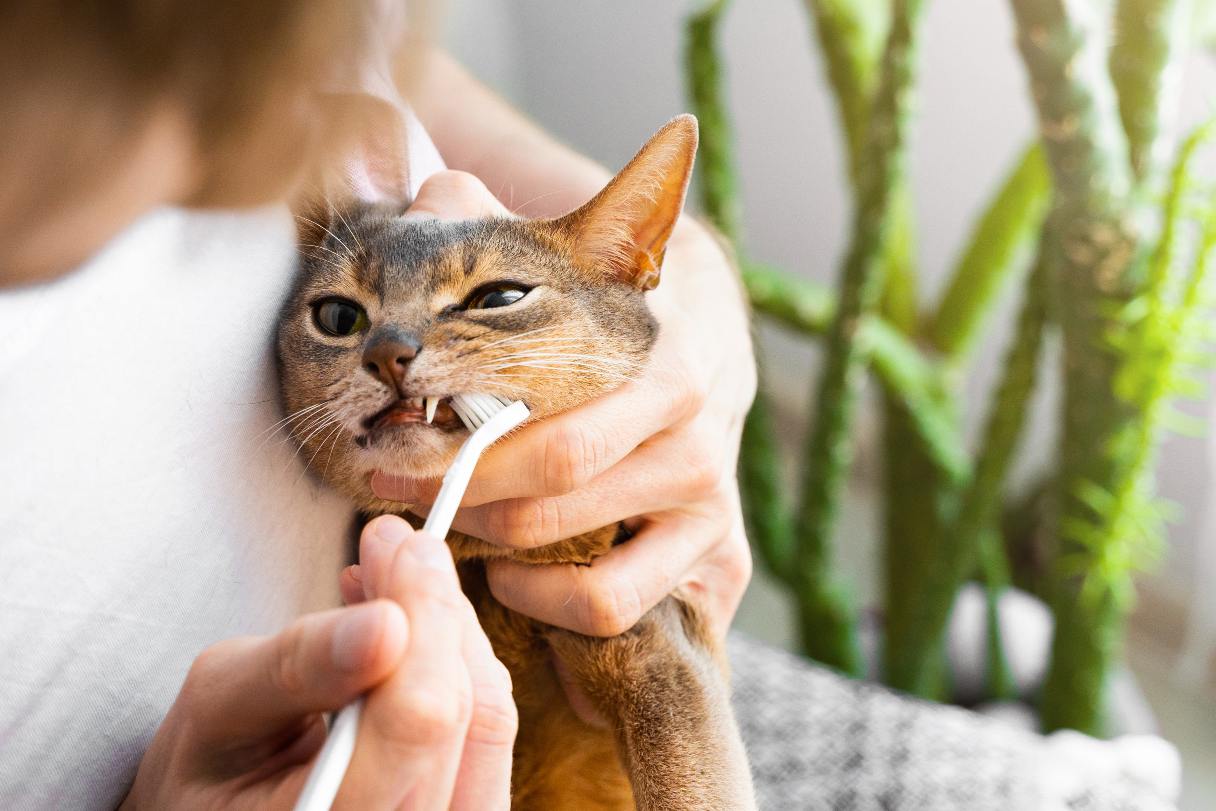
Credit: www.carecredit.com
Role Of Diet In Oral Health
Proper diet plays a crucial role in maintaining your cat’s oral health. What your cat eats can influence their teeth and gums. Certain foods help in reducing plaque and tartar buildup. A balanced diet also supports strong teeth and gums.
How Diet Affects Oral Health
Cats need a diet that supports their oral hygiene. Dry food helps scrape plaque off their teeth. Wet food might stick to teeth and increase plaque buildup. Consider the type of food when planning your cat’s meals.
Types Of Foods Beneficial For Oral Health
Crunchy kibble can be beneficial for your cat’s teeth. Special dental diets exist to aid oral hygiene. These foods are designed to reduce plaque and tartar. Always consult your vet before changing your cat’s diet.
Importance Of Balanced Nutrition
A balanced diet is essential for overall health, including teeth. Ensure your cat gets nutrients for strong teeth and gums. Vitamins and minerals in food play a vital role. Proper nutrition can prevent dental issues.
Role Of Treats In Oral Health
Dental treats can help maintain your cat’s oral health. Choose treats designed to clean teeth and reduce tartar. Limit sugary treats as they can harm teeth. Dental treats should complement regular brushing habits.
Regular Veterinary Check-ups
Caring for your cat’s dental health is crucial. Regular veterinary check-ups help in this regard. Your vet can spot early signs of dental problems. They ensure your cat’s teeth are healthy and clean. Routine checks prevent serious dental issues.
Why Regular Check-ups Matter
Veterinary check-ups catch problems before they escalate. They help maintain oral health. Dental diseases can lead to pain. Your cat’s eating habits might change. Regular checks ensure your cat stays comfortable.
Frequency Of Check-ups
Cats should visit the vet annually. Some might need more frequent visits. Age, health, and breed factor in. Discuss your cat’s needs with your vet. They can recommend a suitable schedule.
What To Expect During A Check-up
Vets examine your cat’s mouth thoroughly. They check for plaque and tartar. They look for signs of gum disease. Sometimes, they suggest professional cleaning. This helps maintain oral health.
Professional Cleaning Benefits
Professional cleaning removes built-up tartar. It prevents gum disease. It helps avoid tooth loss. Your cat will have a healthier mouth. Cleaner teeth lead to better overall health.
Signs Your Cat Needs A Check-up
Bad breath can signal dental issues. Drooling or difficulty eating is a concern. Bleeding gums need attention. Schedule a vet visit if you notice these signs. Early intervention prevents complications.
:max_bytes(150000):strip_icc()/woman-brushing-cat-teeth-1192741520-2000-401ecfb514bd43b59f61b5242b0daa80.jpg)
Credit: www.dailypaws.com
Common Myths About Cat Dental Care
Many pet owners hold misconceptions about cat dental care. These myths can lead to neglecting your cat’s oral health, causing serious issues later. Let’s debunk these myths and ensure your feline friend gets the care they deserve.
Myth 1: Cats Don’t Need Their Teeth Brushed
Some believe cats naturally maintain their oral hygiene. This isn’t true. Cats can suffer from dental diseases just like humans.
Regular brushing helps prevent plaque buildup and gum disease. Don’t assume your cat’s teeth are self-cleaning.
Myth 2: Dry Food Cleans Cats’ Teeth
Many think dry food acts like a toothbrush. However, dry kibble doesn’t effectively clean teeth or remove plaque.
Feeding your cat solely on dry food won’t replace the need for brushing. Combine it with regular dental care for best results.
Myth 3: Cats Can’t Get Cavities
While it’s true that cats rarely get cavities, they are prone to other dental issues. Gingivitis and periodontal disease are common in cats.
Ignoring these conditions can lead to severe health problems. Regular dental check-ups are essential for prevention.
Myth 4: All Cats Hate Having Their Teeth Brushed
Brushing your cat’s teeth might seem daunting. Yet, many cats can adapt to it with patience and training.
Start slowly and make it a positive experience. Over time, your cat may tolerate or even enjoy the process.
Myth 5: Bad Breath Is Normal In Cats
Don’t ignore bad breath as a normal cat trait. Persistent bad breath is often a sign of dental problems.
If your cat’s breath smells bad, it’s time for a dental check-up. Early detection can prevent more serious issues.
Do you still hold any of these myths? Rethink your approach to cat dental care. Your cat’s health depends on you. Regular brushing and check-ups can lead to a happier, healthier cat. Remember, a little care goes a long way.
Frequently Asked Questions
Is It Okay To Not Brush Your Cat’s Teeth?
Regularly brushing your cat’s teeth is important for their dental health. Neglecting it can lead to plaque buildup, gum disease, and bad breath. If brushing isn’t possible, consider dental treats or professional cleanings for maintaining oral hygiene.
Is It Too Late To Start Brushing My Cat’s Teeth?
It’s not too late to start brushing your cat’s teeth. Begin gradually to help them adjust. Regular brushing can prevent dental issues and improve oral health. Use cat-specific toothpaste and a soft brush for best results. Consistency is key for maintaining your cat’s dental hygiene.
Do Cats Need Toothpaste?
Cats benefit from toothpaste designed for pets. It helps prevent dental issues and maintains oral health. Human toothpaste is harmful. Use cat-specific toothpaste for safe cleaning. Regular brushing reduces plaque and tartar buildup. Consult your vet for recommendations and proper dental care tips.
How Often Should You Brush A Cat’s Teeth?
Brushing your cat’s teeth daily is ideal for optimal oral health. However, if daily brushing isn’t feasible, aim for at least three times a week. Consistent brushing helps prevent plaque buildup, gingivitis, and other dental issues. Always use cat-specific toothpaste and a soft-bristled toothbrush for safety.
Conclusion
Brushing your cat’s teeth keeps them healthy and happy. Aim for regular brushing, ideally daily, to prevent dental issues. Consistency is key for maintaining good oral health. Use a cat-friendly toothbrush and toothpaste. This helps remove plaque and tartar effectively.
Start slow and be patient, especially if your cat is new to brushing. Gradually increase the frequency as your cat gets comfortable. A healthy mouth means a healthy cat. Regular vet check-ups also support dental health. Remember, your cat’s smile is worth the effort.
Keep those pearly whites shining bright!

Similar Posts